هل تضع انحناءات الكابلات الضيقة مشروعك في خطر - وتعرض ميزانيتك للخطر؟
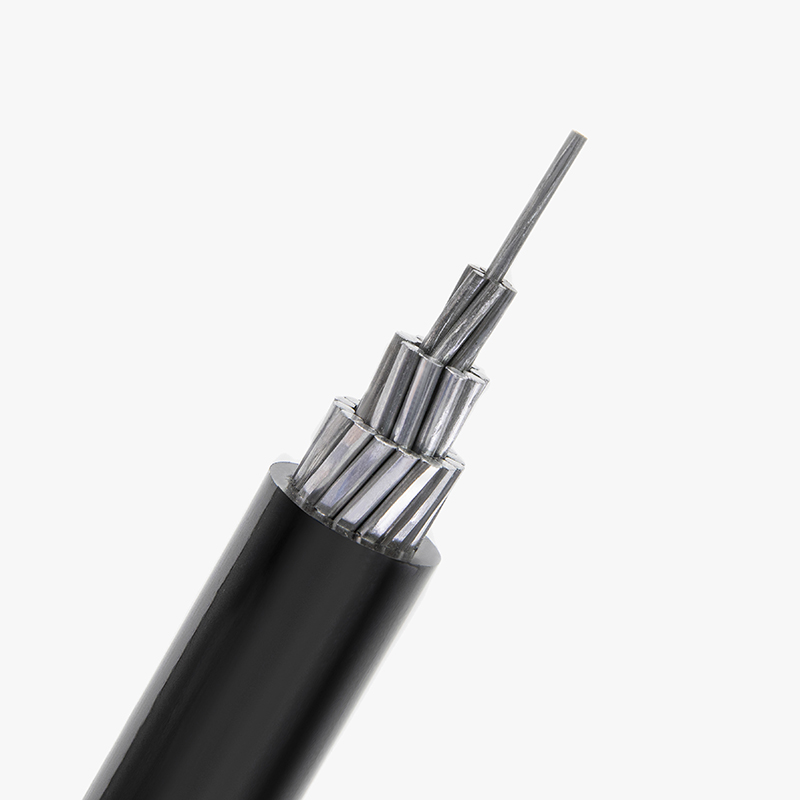
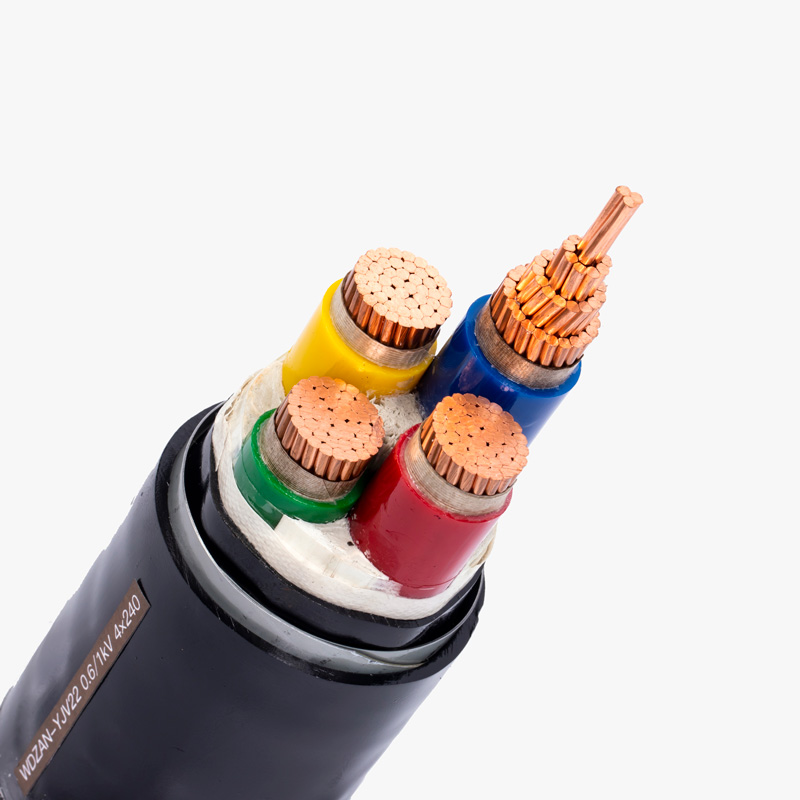
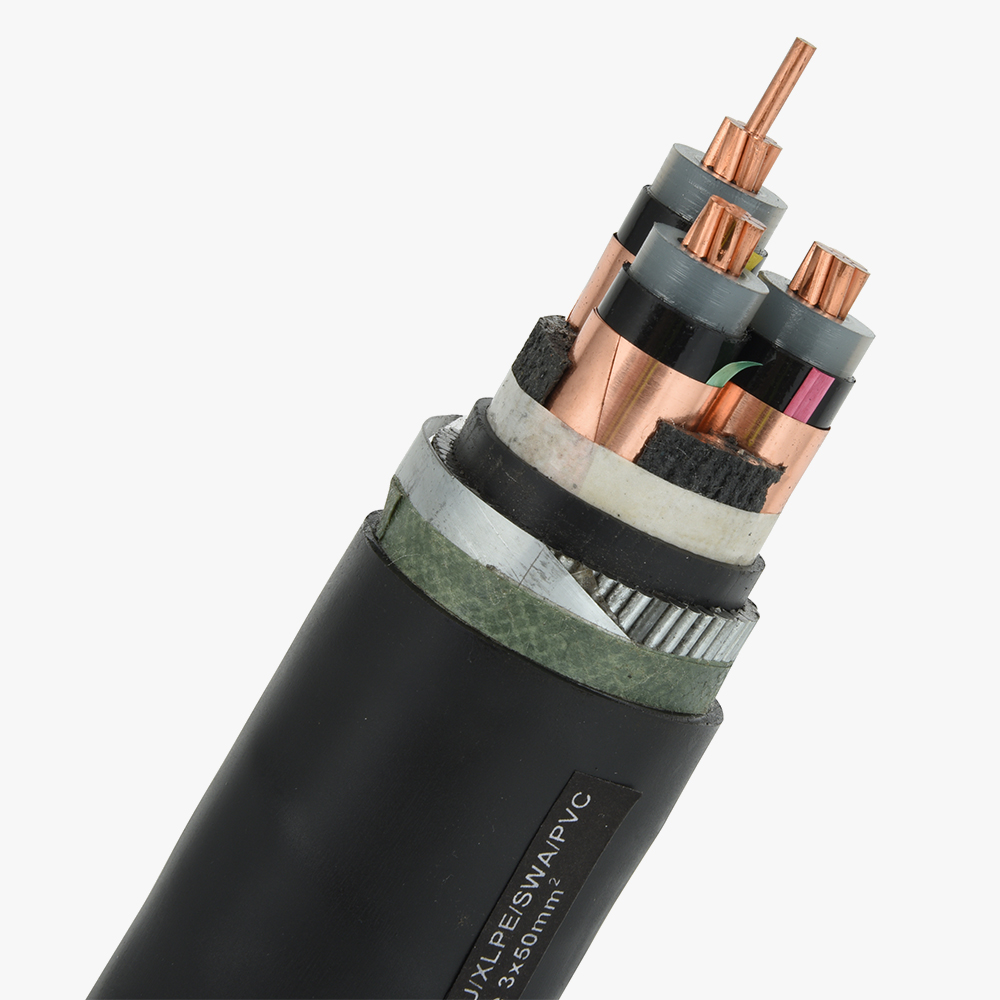
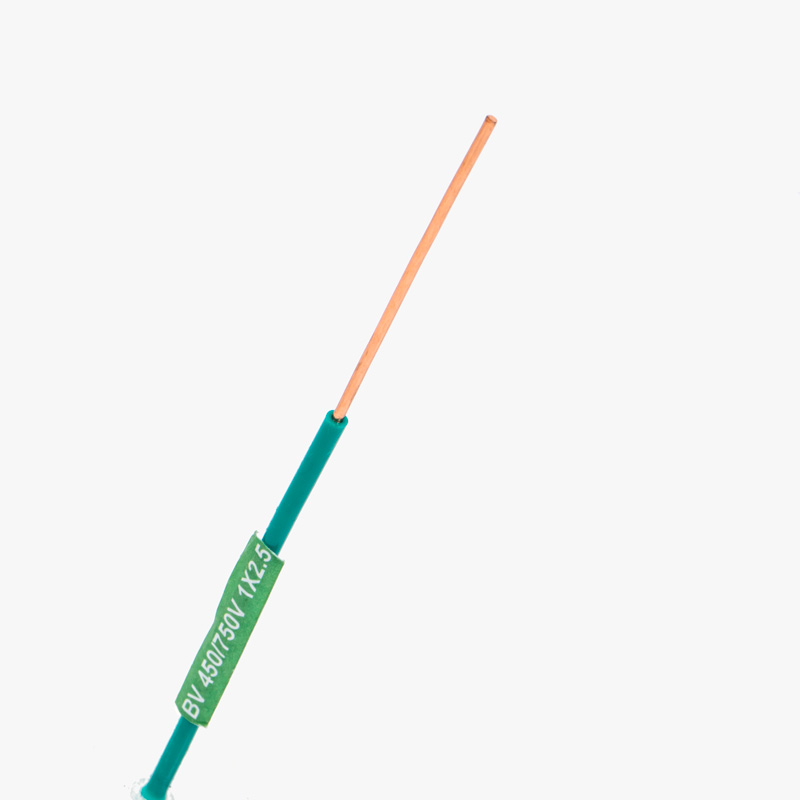
عندما يُثنى cable بشكل حاد جدًا، يمكن أن تتكسر الخيوط النحاسية، وقد تتشقق العزل، وقد يتشوه العزل - مما يؤدي إلى تراكم الحرارة، وفقدان الإشارة، وفشل مبكر. هذا يعني توقف العمل، وإعادة العمل، وفشل في الفحوصات. الحل بسيط: التصميم والتركيب وفقًا لـ نصف قطر انحناء الكابل.. باعتبارها شركة مقرها الصين، Manufacturer و Wholesaler بقدرة تصل إلى 500 ك ف power cable, ، تقدم QRUNNING يمكن تخصيصها البناء، دعم OEM/ODM، شهادات قابلة للاختبار، وأوقات تسليم موثوقة من 10 خطوط إنتاج (بسعة 200 مليون متر). نحن نساعد المشترين والمقاولين في فيتنام وما وراءها في الحصول على المواصفات - والأداء - بشكل صحيح من المرة الأولى.
الـ نصف قطر انحناء الكابل. هو أصغر انحناءة يمكن أن يشكلها cable بشكل آمن دون تلف. إن احترام ذلك يحافظ على السلامة الكهربائية، ويسهل التركيب، ويمنع الفشل المكلف، ومشكلات الفحص، ومطالبات الضمان.
تابع القراءة للحصول على صيغ واضحة، وحالات استخدام حقيقية، وقواعد عملية من معايير مثل NEC, ، ونصائح شراء من Supplier.
كيفية حساب نصف قطر انحناء الكابل
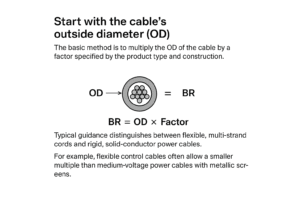
ابدأ بقطر الكابل الخارجي (OD)
الطريقة الأساسية هي ضرب الـ OD لـ cable بعامل محدد من قبل نوع المنتج والبناء. التوجيه النموذجي يميز بين الكابلات المرنة متعددة الخيوط والكابلات الصلبة ذات الموصل الصلب. على سبيل المثال، كابلات التحكم المرنة غالبًا ما تسمح بعدد مضاعف أصغر من الكابلات الكهربائية متوسطة الجهد ذات الشاشات المعدنية. دائمًا تحقق من ورقة بيانات الشركة المصنعة؛ إذا تم تقديم نطاق (مثل: ثابت مقابل ديناميكي)، استخدم القيمة الأكثر صرامة أثناء التركيب لتجنب الانحناء المفرط عند نقاط السحب.
التطبيقات الثابتة مقابل التطبيقات الديناميكية
نصف قطر الانحناء الثابت ينطبق بمجرد تثبيت cable ولا يتحرك؛; نصف قطر الانحناء الديناميكي ينطبق عندما ينثني الكابل أثناء التشغيل. العوامل الديناميكية عادة ما تكون أكبر لأن الحركة المتكررة تسرع من الإرهاق. خلال السحب، استخدم أقطار الدلاء الكبيرة وأقطار المدخلات، ووجه الكابل بحيث يحدث الانحناء تدريجياً - وليس عند حافة حادة واحدة.
مثال سريع على سير العمل
1) حدد قطر الكابل من ورقة البيانات. 2) حدد المضاعف للتركيب وخدمة (ثابت / ديناميكي). 3) احسب نصف قطر الانحناء الأدنى = قطر الكابل × المضاعف.. 4) تحقق من أن زوايا الدرج، واللفافات، وأقطار الأسطوانة، ومجموعات إنهاء جميعها تتجاوز هذا نصف القطر. 5) قم بتوثيق القيمة في بيان الأسلوب الخاص بك حتى يتمكن الفرق من القياس في الموقع باستخدام قالب أو شريط نصف القطر.
أين يتم استخدام الكابلات مع نصف قطر انحناء ضيق؟
مساحات مضغوطة تتطلب موثوقية
في كثير من الأحيان، تدفع الصناعات نحو خزنات أصغر وتأمين طرق أكثر كثافة. تحتاج الروبوتات، وأدوات الآلات، والمصاعد، والرافعات المتحركة إلى كابلات لتجاوز مسارات ضيقة مع الاستمرار في الحركة المتواصلة. في مراكز البيانات وآلات OEM، تجبر أعداد الإدخال العالية فتحات انحناء صغيرة خلف الأبواب وفي المسارات. هنا، فإن اختيار التصميمات المصممة لدرجات انحناء ضيقة - موصلات رفيعة، عزل مناسب، دروع محسّنة، وأغلفة خارجية قوية - يحافظ على الأداء مستقرًا دون اللجوء إلى صناديق كبيرة الحجم.
واقع التركيب في مواقع العمل
في البناء، تتجمع الانحناءات عند زوايا الدرج، والرافعات، ومنافذ الدخول. باستخدام الملحقات المعتمدة من المصنع (اللفافات، والسدادات، والأسطوانات) يمنع الانحناءات. لمشاريع الطاقة في الأسواق النامية - وجهاتنا الرئيسية للتصدير - أحيانًا تفرض اللوجستيات أسطوانات أصغر أو التعامل اليدوي؛ التخطيط ل نصف قطر انحناء الكابل. حجم الأسطوانة ومسار السحب يتجنب الارتجال في الميدان الذي قد يسبب خدوشًا على العزل ويفقد الضمانات. يوفر QRUNNING توصيات لخطط السحب والأسطوانة مع كل شحنة رئيسية لمساعدة فريقك في الحفاظ على نصف القطر الصحيح من التفريغ إلى النهاية.
أهمية الالتزام بمواصفات نصف قطر الانحناء
عواقب كهربائية وميكانيكية والامتثال
يمكن أن يسبب الانحناء المفرط ترقق العزل عند القوس الخارجي وضغطه عند القوس الداخلي، مما يغير موضع الموصل ويزيد من الضغط الكهربائي المحلي - الأمر الذي يكون حرجًا بشكل خاص عند voltages العالية. من الناحية الميكانيكية، تؤدي الانحناءات الضيقة المتكررة إلى إرهاق النحاس أو الألمنيوم، مما يسبب تصلب وكسر الموصل في نهاية المطاف. بالنسبة للأدوات والبيانات، تغير الهندسة المشوهة مقاومة، وترتفع التداخل، وتضعف الدروع، مما يؤدي إلى أعطال متقطعة تكون مكلفة للتشخيص. من منظور الامتثال، تركز الفحوصات على الدقة: تجاهل نصف القطر المحدد يمكن أن يؤدي إلى إعادة العمل، تأخيرات في الجدول الزمني، أو اختبارات قبول غير ناجحة.
التأثير على الشراء والضمان
تُرسّخ المواصفات غالبًا نصف القطر الأدنى في أمر الشراء. وإذا تجاوز المُركِّبون الحدود، فقد تنتقل المسؤولية بين المقاول والمورّد. وباعتباري محترفًا متمرسًا Supplier و Manufacturer, ، فإننا ندرج الحد الأدنى لنصف قطر الانحناء على نشرات البيانات وملصقات الصناديق، ويمكننا تخصيص يمكن تخصيصها التركيبات—فئة الجدائل، أو تصميم الشاشة، أو مركّب الغلاف الخارجي—لتلبية قيود التمديد لديك دون الإخلال بعمر الخدمة. ويحمي هذا التوازن ميزانيتك وسمعة مشروعك.
ما رمز NEC لنصف قطر انحناء الأسلاك؟
كيف يتعامل NEC مع الانحناءات
الـ NEC (الكود الكهربائي الوطني) يتناول فكرتين مترابطتين. أولًا، يشترط وجود مساحة كافية مساحة كافية لثني الأسلاك في الخزائن ولوحات التوزيع والأغلفة بحيث يمكن للموصلات الدخول والإنهاء دون تشوّه حاد؛ وتحدد هذه المواد الحد الأدنى من الخلوصات بناءً على حجم الموصل وتصنيف المعدات. ثانيًا، بالنسبة إلى الكابلات والموصلات، يتوقع NEC من المُركِّبين اتباع الحد الأدنى لنصف قطر الانحناء المحدد من المُصنِّع وأي اعتماد للمعدات أو معيار منتج ينطبق (على سبيل المثال، لملحقات الجهد المتوسط أو أنظمة الحوامل). وعمليًا، يعني ذلك: حدِّد أحجام أغلفتك وفق جداول NEC، واختر الوصلات المتوافقة مع أحجام الموصلات لديك، ولا تُجبر الكابل أبدًا على الانحناء إلى أقل من نصف القطر المطبوع أو المنشور من قبل المُصنِّع.
الاستنتاجات العملية للمقاولين والمشترين
أثناء التصميم، تحقّق من أن انحناءات المواسير والقنوات ومسارات صواني الكابلات ومجموعات النهايات التي اخترتها تتجاوز نصف قطر الانحناء المطلوب. أثناء التركيب، استخدم بكرات أو بكرات توجيه ذات قطر مناسب واحمِ الحواف باستخدام دعامات نصف قطرية. ولأغراض الفحص، احتفظ بأوراق البيانات في متناول اليد لإثبات للجهة المختصة أن الانحناءات لديك تفي بكلٍّ من NEC’قواعد المساحة الخاصة بـ’s ومواصفة نصف قطر الانحناء الخاصة بالمنتج. يمكن لـ QRUNNING توفير خطابات الامتثال وبيانات الاختبار عند الطلب لتسريع الموافقات.
توريد كابلات تلبّي متطلبات نصف قطر الانحناء
لماذا تناسب QRUNNING المشاريع في فيتنام وخارجها
بصفتنا شركة B2B Wholesaler و Manufacturer تتمتع بخبرة تزيد على 30 عامًا، نوفر ما يصل إلى 500 kV من طاقة cable مع مراقبة جودة مُدقَّقة، وشهادات أصلية، ومواعيد شحن متوقعة ETD/ETA موثوقة. تدعم خطوط مصنعنا الـ 10 الطلبات الكبيرة بأوقات توريد مستقرة، ويساعدك فريقنا الهندسي على الموازنة بين نصف قطر الانحناء، والسعة التحملية للتيار، والميزانية. هل تحتاج إلى مسار أكثر ضيقًا؟ اسأل عن يمكن تخصيصها فئات الخيوط، وخيارات التدريع، ومواد الغلاف التي تحقق نصف قطر الانحناء المستهدف لديك نصف قطر انحناء الكابل. من دون التضحية بعمر الخدمة.
ملخص
احترم نصف قطر انحناء الكابل. لحماية الأداء، اجتياز الفحوصات، وتجنب التوقف. اختر تصميمات تناسب توجيهك، اتبع NEC وحدود الشركات المصنعة، وتعاون مع جهة موثوقة Supplier لنتائج موثوقة.