بيئات التطبيقات، المبادئ الأساسية، والتصميم الهيكلي للكابلات المقاومة للماء
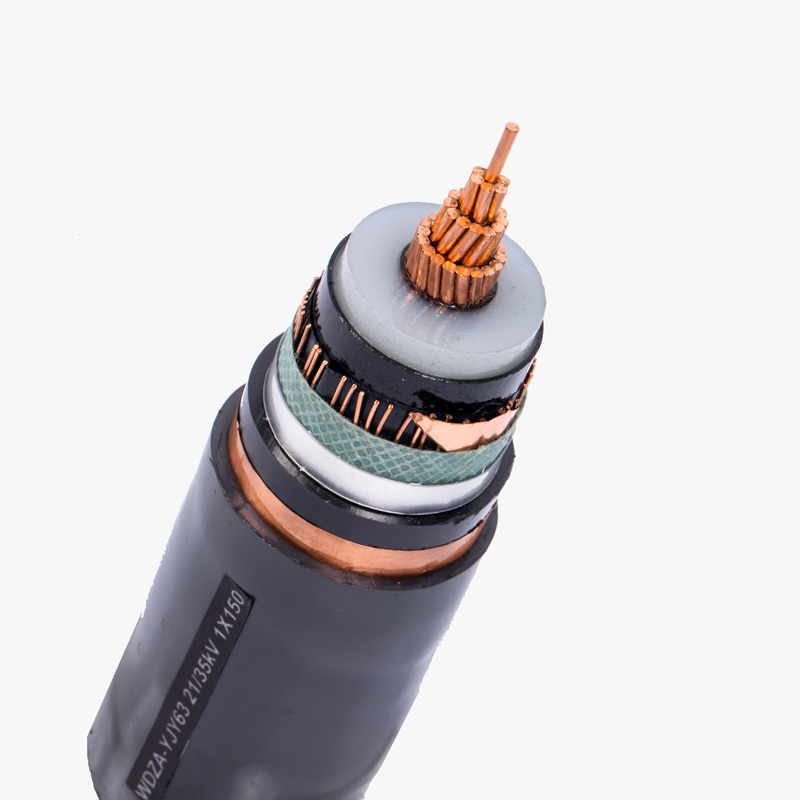
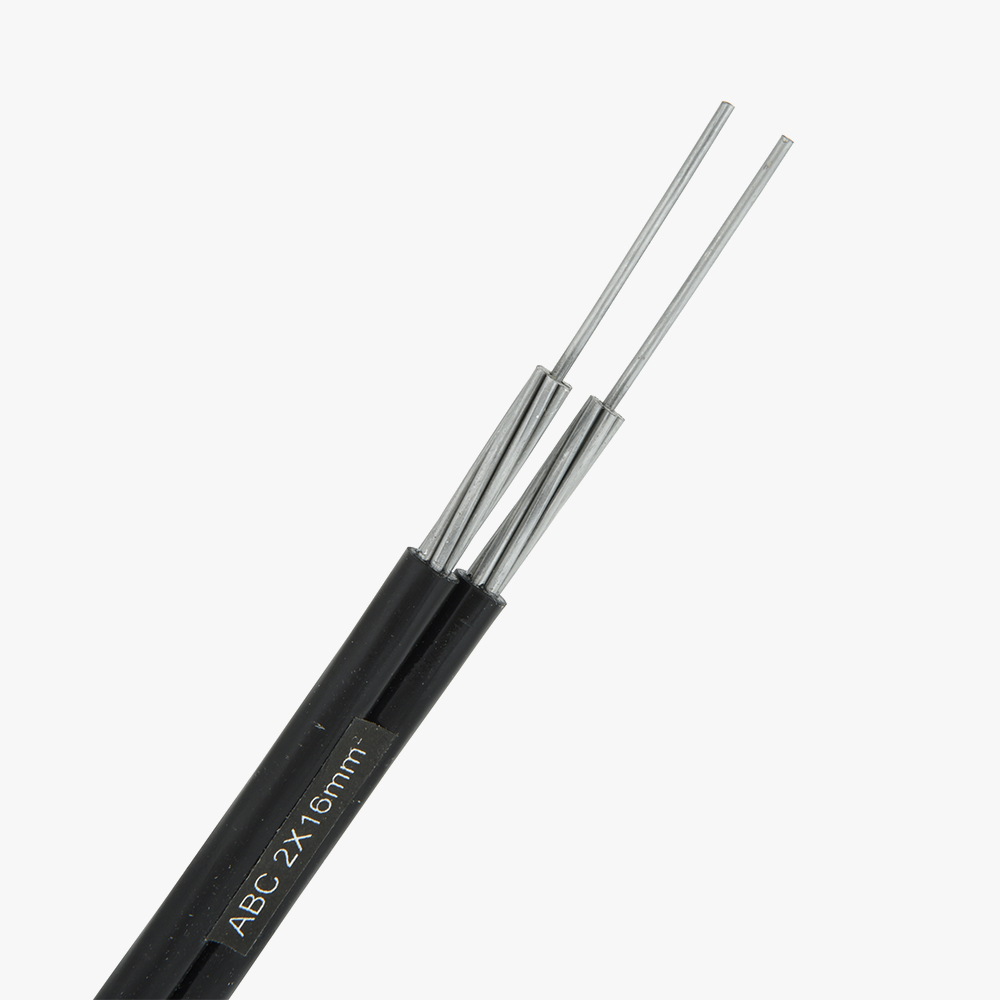
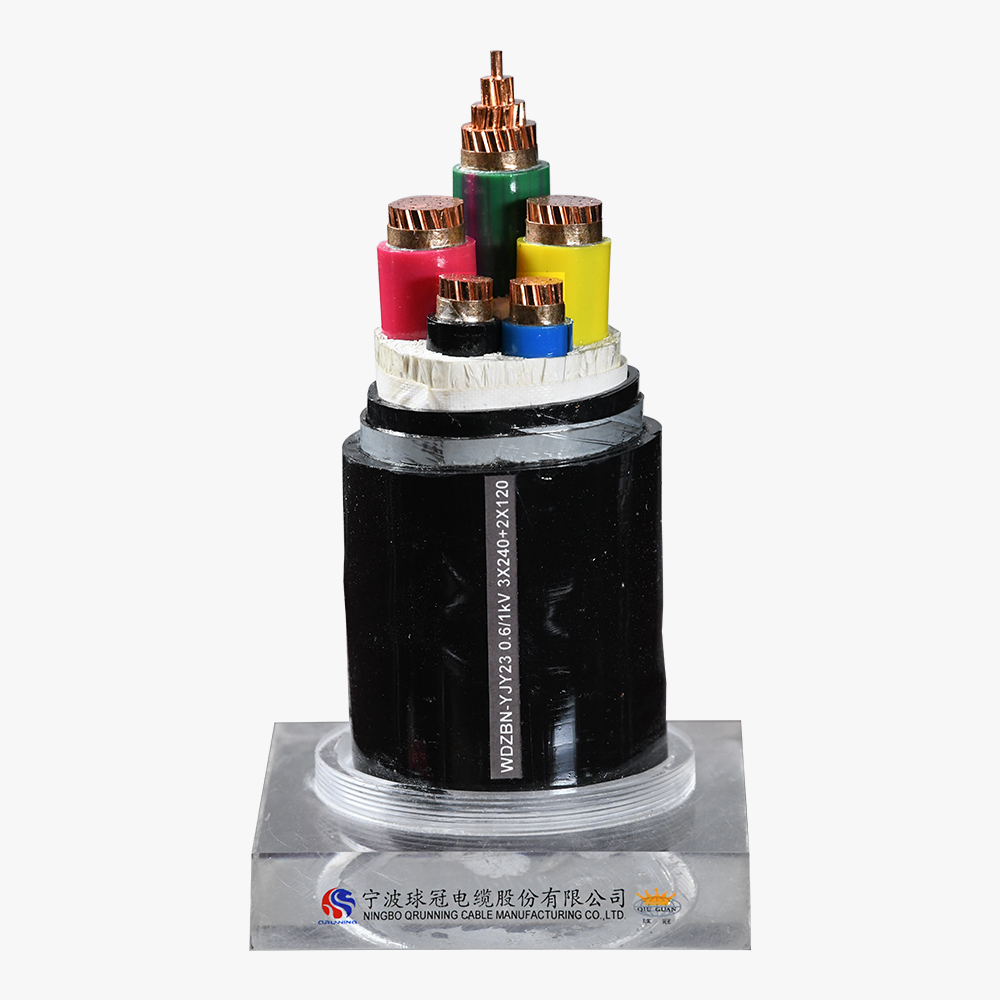
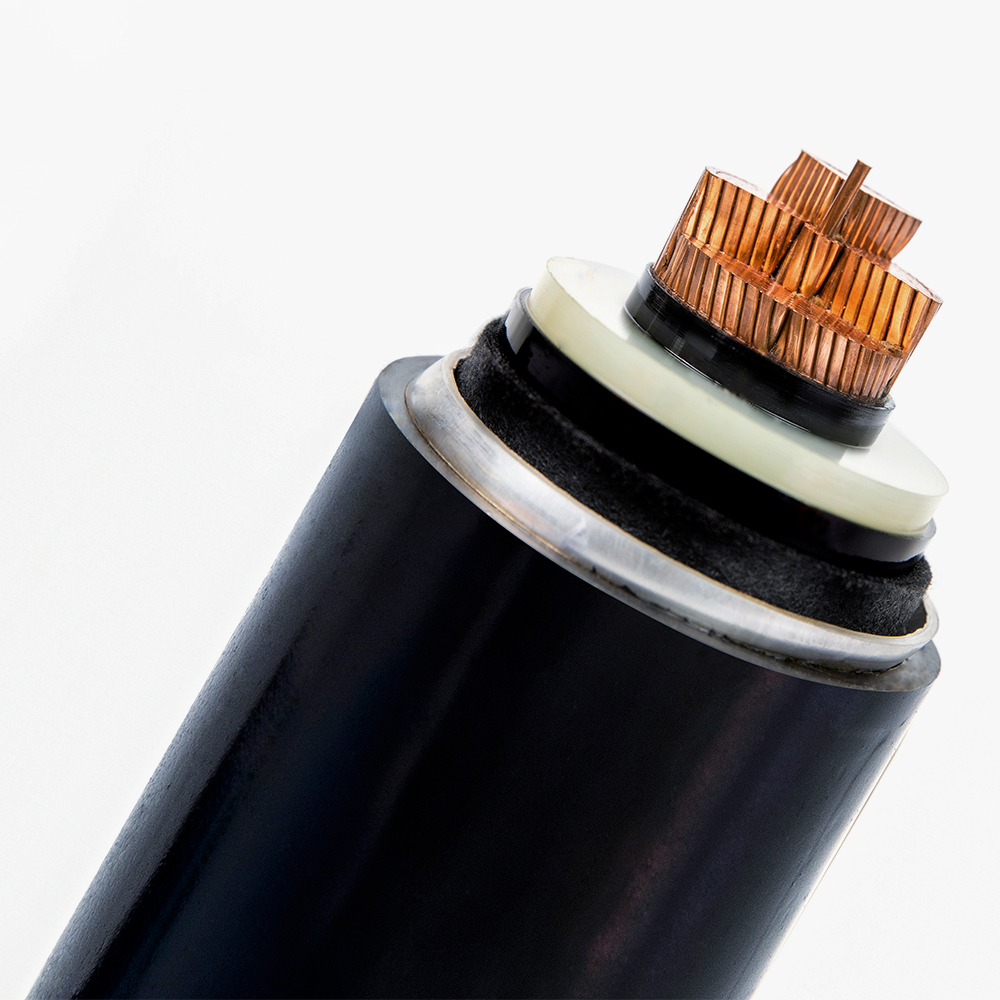
تم تصميم الكابلات المقاومة للماء لتكون مناسبة للبيئات التي تمثل فيها الرطوبة، أو دخول الماء، أو ارتفاع معدلات الرطوبة مخاطر على أداء الكابل وعمره الافتراضي. تشمل الاستخدامات التركيب في الأماكن تحت الأرض، والكابلات تحت الماء، ومزارع الرياح، وشبكات الطاقة الخارجية. مبدأ التصميم الهيكلي هو حجب أو مقاومة دخول وانتشار الماء من خلال سدادات طولية أو شعاعية باستخدام مواد وعمليات تصنيع محددة. تحسين المقاومة للماء يعزز المتانة والسلامة وموثوقية النظام.

مقارنة خصائص الأداء ومعايير الاختيار للمواد المقاومة للماء الشائعة
اختيار المادة المناسبة للحجب المائي هو أمر حيوي لتحقيق حماية موثوقة. تختلف المواد في الامتصاص، والتوافق، والتكلفة، والمتانة. جدول الأداء أدناه يوضح الخصائص التي يتميز بها المواد النمطية المستخدمة في هياكل الكابلات المقاومة للماء، مثل الأشرطة القابلة للتورم المائي، والبودرة، والمركبات الهلامية. يتم اختيار هذه المواد بناءً على نوع الاستخدام، والتعرض البيئي، والعمر الافتراضي المطلوب. تشمل معايير الاختيار الرئيسية معدل الانتفاخ، والاستقرار الحراري، والتوافق الكيميائي مع مواد العزل، وسهولة المعالجة.
| نوع المادة | طريقة الإغلاق | المزايا | العيوب | التطبيقات النموذجية |
|---|---|---|---|---|
| شريط قابل للتورم المائي | طولي | انتفاخ سريع، سهولة في التطبيق، استقرار حراري جيد | قد يتغير خلال المعالجة عالية السرعة | كابلات الطاقة MV و HV، التركيبات الخارجية |
| بودرة قابلة للتورم المائي | طولي | خفيفة الوزن، معدل امتصاص عالي | يتطلب التحكم في الغبار، أقل ملاءمة للمساحات الصغيرة | كابلات الألياف البصرية، الكابلات منخفضة الجهد |
| مركب هلامي للبترول | شعاعي | ختم ممتاز، استقرار طويل الأمد | صعب في التطبيق، زيادة الوزن | كابلات تحت الماء، كابلات الاتصالات |
| مواد الإغلاق الحرارية البلاستيكية | شعاعي | حاجز قوي، متوافق مع عملية البثق | تكلفة عالية، يحتاج إلى تطبيق دقيق | الكابلات البحرية ذات الجهد العالي، الكابلات المدعمة |
اختلافات بين طرق حجب المياه الطولية والمظهرية وتنفيذها
يمنع حجب المياه الطولي انتشار المياه على طول الكابل وعادة ما يتم تنفيذه باستخدام الأشرطة أو المساحيق القابلة للتورم الموضوعة في نوى الكابل. من ناحية أخرى، يوقف الحجب الشعاعي المياه من التسرب عبر غلاف الكابل أو طبقات العزل ويستخدم حواجز مثل المركبات الهلامية والحراريات البلاستيكية القابلة للبثق أو الطبقات المlaminated. غالباً ما تستخدم التصاميم المثلى الطريقتين للتطبيقات الحرجة.

معايير الصناعة وطرق الاختبار للكابلات الحاجبة للمياه
معايير IEC
الـ IEC 60502 سلسلة توفر متطلبات اختبارات تسرب المياه للكابلات ذات الجهد المتوسط. تحدد IEC 60840 و IEC 62067 اختبارات تسرب المياه للكابلات ذات الجهد العالي والجهد العالي جداً. تشمل الاختبارات عادةً تعريض الكابل لأعمدة مياه مضغوطة ومراقبة دخول المياه مع مرور الوقت. تؤكد معايير IEC على مقاومة الضغط والشيخوخة على المدى الطويل.
معايير GB/T (الصين)
في الصين،, GB/T 12706 و GB/T 11017 تستخدم على نطاق واسع للكابلات ذات الجهد المنخفض والمتوسط، مع بروتوكولات اختبار محددة لمقاومة تسرب المياه. للتحقق من حجب المياه، يحدد GB/T 19216 طرق الاختبار مثل اختبار تسرب المياه الطولي باستخدام الصبغة والماء تحت درجة حرارة وضغط معينين.
طرق دولية أخرى
قد تنطبق معايير إضافية مثل BS EN 50288 (للكابلات متعددة النوى) و ASTM D4565. تشمل هذه الاختبارات غالباً غمر العينات، واختبارات القطع، واختبارات الهجرة الطولية على مدى 24-72 ساعة تحت ضغط هيدروستاتيكي. تستند معايير النجاح على المسافة التي تسافرها المياه أو التغلغل المرئي، ويجب أن تكون الفشلات تحت حدود محددة بوضوح.
أمثلة على حالات الفشل واقتراحات التحسين
أبلغ مشروع مرافق في السودان عن فشل عزل الكابلات خلال عامين من التشغيل. كشفت التحقيقات عن دخول المياه بسبب إغلاق غير جيد لنهايات الكابلات ومسحوق قابل للتورم منخفض الجودة. وبالمثل، أظهر مشروع للجهد العالي في فيتنام تآكل في الموصلات النحاسية، تم تتبعه إلى نقص الحواجز الحاجبة للمياه الشعاعية. لمنع مثل هذه الفشلات، ينبغي على الشركات المصنعة تعزيز مراقبة الجودة، واستخدام تصاميم حجب المياه ذات الطبقتين، وتنفيذ إجراءات أكثر صرامة في مصادر المواد. يجب على المستخدمين النهائيين ضمان إنهاء مناسب وإغلاق الوصلات أثناء التركيب.
ملخص وتوصيات العملاء
لضمان موثوقية مثالية للكابلات في الظروف الرطبة أو تحت الأرض، اختر تصاميم مع هياكل مثبتة لحجب المياه، اتبع معايير الاختبار الدولية، و اعمل مع شركات تصنيع معتمدة ذات خبرة.