ما هو عزل PVC؟
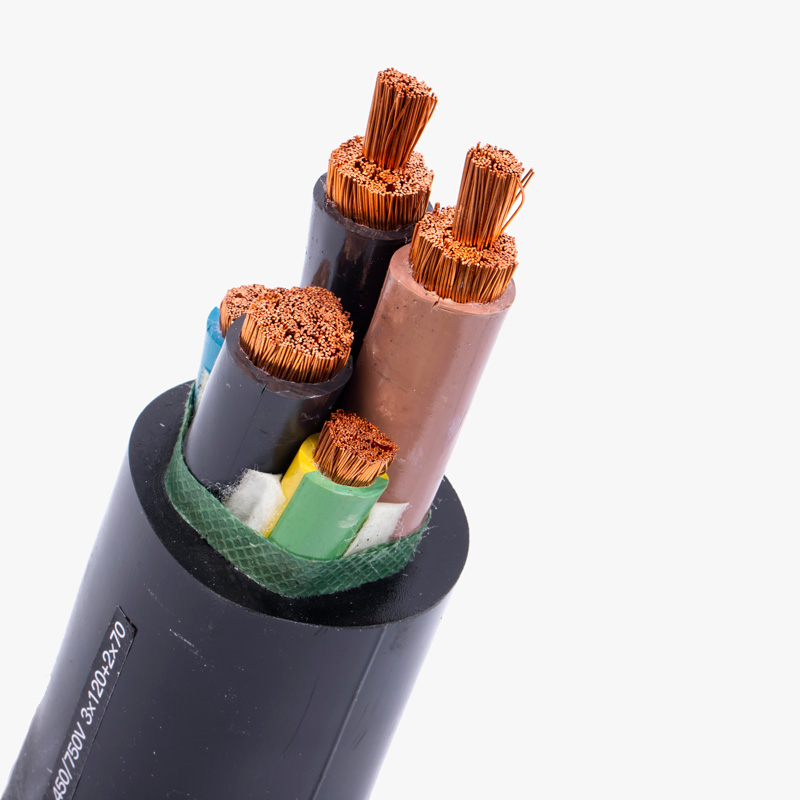
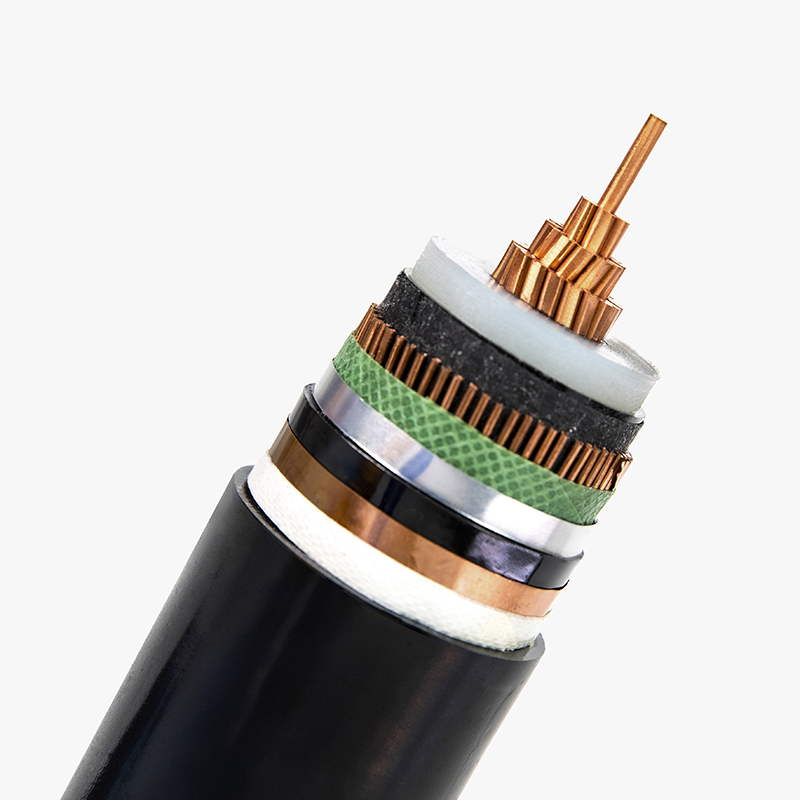
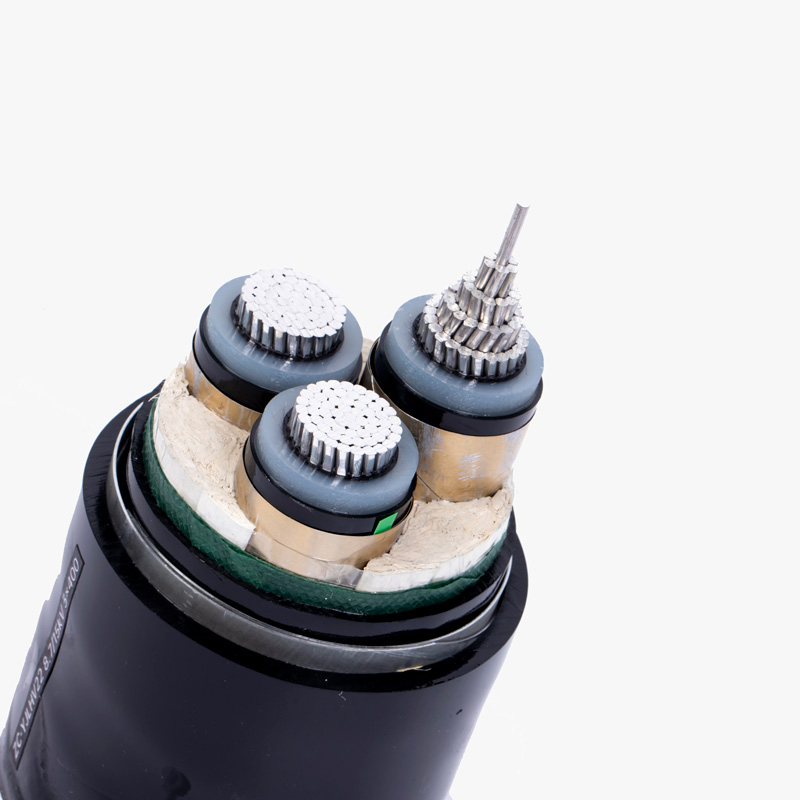
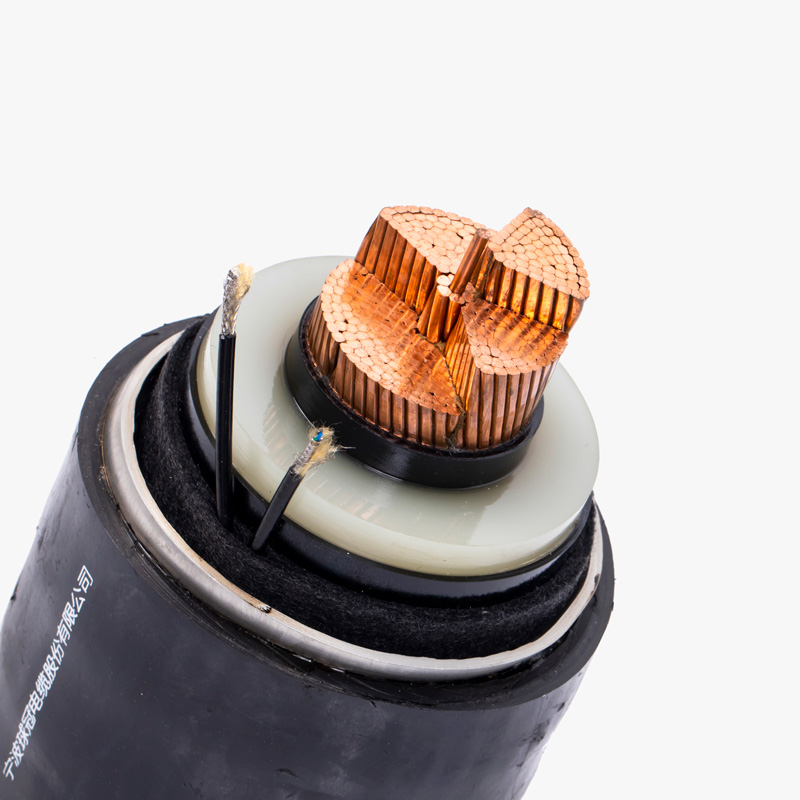
عزل PVC (كلوريد البولي فينيل) هو مادة مستخدمة على نطاق واسع في تصنيع الكابلات، حيث توفر الحماية الكهربائية والفيزيائية. هذا البوليمر الحراري البلاستيكي يُستخدم غالبًا لتغطية الموصلات الكهربائية، موفرًا عزلًا يقاوم الحرارة والرطوبة والتآكل الكيميائي. كابلات معزولة بـ PVC هي متينة وفعالة من حيث التكلفة وقابلة للتكيف، مما يجعلها خيارًا مثاليًا لمجموعة متنوعة من التطبيقات الصناعية والتجارية والسكنية.
فوائد عزل PVC
يقدم عزل PVC مجموعة من الفوائد، بما في ذلك مقاومته العالية للرطوبة والمواد الكيميائية والتآكل. إنه مرن وفعال من حيث التكلفة وله خصائص كهربائية ممتازة. علاوة على ذلك،, يمكن لكابلات PVC تحمل مجموعة متنوعة من الظروف البيئية، مما يجعلها مثالية للاستخدامات الداخلية والخارجية. يقدر المصنعون سهولة معالجتها ودرجة تحملها العالية، مما يضمن عمر خدمة طويل للكابلات والأسلاك.
| فائدة | الوصف |
|---|---|
| مقاومة للرطوبة | يتميز عزل PVC بمقاومة عالية للرطوبة، مما يضمن بقاء الكابلات محمية في البيئات الرطبة أو ذات الرطوبة العالية، مما يقلل من خطر حدوث أعطال كهربائية. |
| مقاومة كيميائية | يوفر PVC مقاومة ممتازة ضد مواد كيميائية متنوعة، مما يجعله مناسبًا للاستخدام في البيئات الصناعية حيث قد تتعرض الكابلات للمواد القاسية. |
| مقاومة للتآكل | يتميز عزل PVC بالمتانة ومقاومة التآكل، مما يساعد في منع الأضرار الناتجة عن التآكل البدني في التطبيقات عالية الضغط. |
| المرونة | على الرغم من متانته، فإن PVC مرن، مما يسمح بتركيبه بسهولة في الأماكن الضيقة وحول الزوايا دون التصدع أو الكسر. |
| الفعالية من حيث التكلفة | يعتبر PVC مادة منخفضة التكلفة نسبيًا، مما يجعله خيارًا ميسورًا لمجموعة واسعة من التطبيقات، ويقدم قيمة رائعة مقابل الحماية التي يوفرها. |
| الخصائص الكهربائية | تقدم مادة PVC خصائص عزل كهربائية ممتازة، مما يمنع تدفق التيار الكهربائي من خلال العازل ويقلل من خطر الصعق الكهربائي. |
| القدرة على التكيف مع البيئة | يمكن لمادة PVC تحمل مجموعة متنوعة من الظروف البيئية، بما في ذلك درجات الحرارة القصوى والتعرض لأشعة UV، مما يجعلها مناسبة للتثبيتات الداخلية والخارجية. |
| المتانة | يعزز عزل PVC طول عمر الكابلات من خلال تقديم الحماية ضد العوامل البيئية، مما يضمن الاعتمادية والأداء طويل الأمد. |
| سهولة المعالجة | تعتبر مادة PVC سهلة المعالجة والتصنيع، مما يسمح للمصنعين بإنتاج كابلات عالية الجودة بسرعة وكفاءة، وضمان جودة المنتج المتسقة. |
مجالات تطبيق كابلات العزل PVC
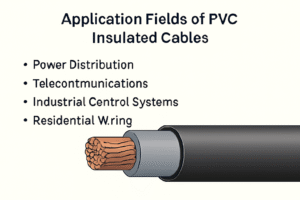
تستخدم كابلات العزل PVC بشكل شائع في توزيع الطاقة، والاتصالات، وأنظمة التحكم الصناعية. وهي مثالية للتطبيقات التي تتطلب المرونة والقدرة على التحمل. الشركات مثل Qrunning Cable تقدم مجموعة متنوعة من كابلات PVC التي تُستخدم في بيئات تتراوح من الأسلاك السكنية إلى إعدادات الآلات الصناعية المعقدة.
تابع القراءة لاستكشاف المزيد حول فوائد، وتطبيقات، وجوانب تقنية عزل PVC.
هل يعد PVC عازلاً جيداً للحرارة؟
لا يُعتبر PVC عازلاً ممتازًا للحرارة مقارنةً بمواد أخرى مثل المطاط أو السيراميك. ومع ذلك، فإنه يوفر مقاومة معتدلة للحرارة، مما يجعله مناسبًا لمعظم التطبيقات القياسية. يمكن لعزل PVC عادةً تحمل درجات حرارة تتراوح من -15 درجة مئوية إلى 70 درجة مئوية، على الرغم من أنه يمكن أن يت degrade عند درجات حرارة أعلى. في التطبيقات الكهربائية، تُستخدم كابلات PVC غالبًا حيث لا يكون التعرض لدرجات الحرارة العالية مصدر قلق رئيسي. يميل المصنعون إلى اختيار PVC في البيئات التي تكون فيها مقاومة الحرارة المعتدلة كافية، ولكن للتطبيقات ذات درجات الحرارة المرتفعة، تفضل مواد أخرى مثل السيليكون أو التفلون. بالإضافة إلى ذلك، تجعل خصائص العزل في PVC مادة مناسبة لتطبيقات الكهرباء والكابلات اليومية في ظروف غير متطرفة.
هل يعد PVC عازلاً جيداً للكهرباء؟
نعم، يعتبر PVC عازلاً كهربائيًا ممتازًا. تعتبر خصائصه العازلة واحدة من الأسباب الرئيسية لاستخدامه على نطاق واسع في تصنيع الكابلات. يمنع PVC تدفق الكهرباء من خلال الطبقة الخارجية للكابلات، مما يجعله حاجزًا فعالًا يحمي المستخدمين من الصدمات الكهربائية. كما يساعد في تقليل خطر الدوائر القصيرة من خلال ضمان وضع الموصلات الكهربائية في مكان آمن. تسمح قوة العزل في عزل PVC بتحمله للجهد الكهربائي دون انكسار، ولهذا السبب يُعتبر مادة أساسية للكابلات المستخدمة في توزيع الطاقة والاتصالات. عند مقارنته بمواد العزل الأخرى، يعتبر PVC فعالاً من حيث التكلفة وذو كفاءة، مقدماً أداءً كهربائياً قوياً عبر مجموعة واسعة من التطبيقات.
ما هي عيوب عزل PVC؟
على الرغم من مزاياها العديدة، إلا أن لعزل PVC بعض العيوب. واحدة من القضايا الرئيسية هي محدودية تحمل الحرارة. كما ذكرنا سابقًا، يبدأ PVC في الت degrade عند درجات حرارة أعلى، مما يعني أنه غير مناسب للبيئات ذات درجات الحرارة العالية جداً. بالإضافة إلى ذلك، لا يتسم PVC بقدرته على الحفاظ على البيئة مثل المواد الأخرى، حيث يمكن أن يؤدي إنتاجه والتخلص منه إلى إطلاق سموم ضارة في البيئة. وهناك قلق آخر وهو قابليته للاشتعال - على الرغم من أن PVC مقاوم للحريق، إلا أنه يمكن أن يشتعل في ظل ظروف معينة، ويحترق PVC ي releases أدخنة سامة. أخيرًا، يمكن أن يصبح PVC هشًا بمرور الوقت عند التعرض لأشعة UV، مما يحد من استخدامه في التطبيقات الخارجية ما لم يتم معالجته بشكل خاص لمقاومة UV. تجعل هذه العيوب من المهم تقييم ملاءمة عزل PVC للتطبيقات المحددة.
أين يُستخدم عزل PVC؟
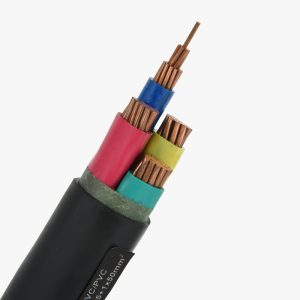
يستخدم عزل PVC في مجموعة متنوعة من التطبيقات، من السكنية إلى الصناعية
الإعدادات. تشمل الاستخدامات الشائعة كابلات الطاقة، والأسلاك للآلات المنزلية، وكابلات نقل البيانات. كما أنه يُستخدم على نطاق واسع في أنظمة السيارات، والاتصالات، وتكييف الهواء. في الإعدادات الصناعية، يختار المصنعون عادةً كابلات معزولة من PVC للمعدات والآلات التي تتطلب المتانة والمرونة في التركيب. بالإضافة إلى ذلك، يُعتبر PVC خيارًا شائعًا لكابلات الجهد المنخفض والمتوسط بسبب خصائصه الممتازة في العزل الكهربائي وكفاءته من حيث التكلفة. بالنسبة لتطبيقات محددة مثل الآلات الصناعية، والأسلاك في السيارات، أو أنظمة الكهرباء السكنية، يوفر الموردون كابلات PVC مصممة لتلبية معايير الصناعة والمعايير التنظيمية.