ما هو الكابل الشمسي؟
الكابل الشمسي يشير إلى السلك الكهربائي المصمم خصيصًا لـ ربط مكونات مختلفة من نظام الطاقة الشمسية. يلعب دورًا حاسمًا في ضمان نقل الطاقة بأمان وكفاءة من الألواح الشمسية إلى العاكس وما وراءه. تم تصنيعها لتحمل الظروف البيئية القاسية، الكابلات الشمسية ضرورية لأنظمة الطاقة الشمسية التي تدوم طويلاً ومستقرة.
خصائص الكابل الشمسي
تُعرف الكابلات الشمسية بمتانتها العالية، مقاومة الأشعة فوق البنفسجية، وعزلها المقاوم للعوامل الجوية. عادة ما يتم تصنيف هذه الكابلات لجهد عالي، نطاقات درجة حرارة قاسية، وبيئات خارجية قاسية. يضمن مصنعو الكابلات الشمسية عالية الجودة الامتثال للمعايير العالمية، مما يضمن توصيلًا متفوقًا وأداءً طويل الأجل في تطبيقات الطاقة الشمسية.
تطبيقات الكابلات الشمسية
تُستخدم الكابلات الشمسية لربط الألواح الشمسية، العاكسات، صناديق التوصيل، والبطاريات في أنظمة الطاقة الشمسية. تصنع QRUNNING كابلات الطاقة الشمسية المناسبة لمشاريع الطاقة الشمسية السكنية والتجارية والصناعية، مع تقديم خدمات OEM و ODM للحلول المخصصة.
تابع القراءة لاستكشاف أنواع واستخدامات وميزات الكابلات الشمسية.
أنواع الكابلات الشمسية
هناك عدة أنواع من الكابلات الشمسية المستخدمة في التركيبات الفوتوفولطية، كل منها مصمم لتلبية احتياجات وظروف تركيب محددة. تشمل الأنواع الأكثر شيوعًا single-core و multi-core الكابلات. تُستخدم الكابلات الشمسية الأحادية بشكل واسع بسبب بساطتها وهي مثالية لربط وحدات الطاقة الشمسية الفردية والعاكسات. من ناحية أخرى، تدمج الكابلات متعددة النوى موصلات متعددة في كابل واحد، وغالبًا ما تُستخدم في أنظمة الطاقة الشمسية الأكثر تعقيدًا حيث يكون المكان والتنظيم حاسمين.
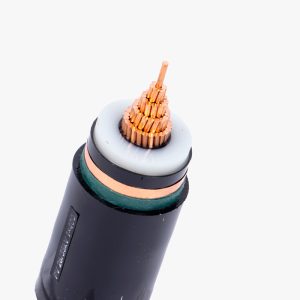
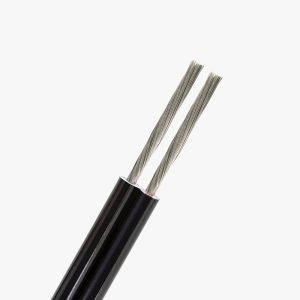
نوع أساسي آخر هو كابل الطاقة الشمسية DC، المصمم خصيصًا للتعامل مع نقل التيار المباشر من الألواح الشمسية إلى العاكس. يتم عزل هذه الكابلات بمواد مثل XLPE أو البولي إيثيلين المتقاطع، مما يوفر مقاومة محسّنة للحرارة والميكانيكا والتعرض للأشعة فوق البنفسجية. تُستخدم كابلات الطاقة الشمسية AC على الجانب الناتج من العاكس حيث تصبح الكهرباء تيارًا مترددًا، وغالبًا ما تتبع معايير عزل مختلفة.
تقدم QRUNNING، بصفتها مصنّع ومورد محترف للكابلات الشمسية، مجموعة واسعة من خيارات الكابلات الشمسية المصنفة حتى 1.5kV، مناسبة للظروف الخارجية القاسية. مع دعمنا لخدمات OEM و ODM، يمكن للعملاء اختيار أطوال وألوان ومواد عزل مخصصة لتناسب متطلبات المشروع المحددة، مما يضمن الكفاءة والسلامة في كل تركيب شمسي.
كيف يعمل كابل الطاقة الشمسية؟
تعمل الكابلات الشمسية عن طريق نقل الطاقة الكهربائية الناتجة عن الألواح الشمسية الفوتوفولطية إلى العاكس الشمسي، ومن هناك إلى أنظمة التوزيع أو البطاريات التخزينية. تم تصميم هذه الكابلات لنقل الكهرباء DC من الوحدات الشمسية، التي يتم تحويلها لاحقًا إلى كهرباء AC يمكن استخدامها بواسطة العاكس. يعد الاختيار الصحيح للكابل الشمسي أمرًا حاسمًا لتقليل فقد الطاقة، وانخفاض الجهد، وضمان السلامة
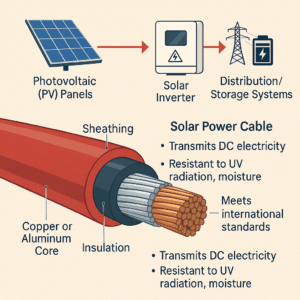 على المسافات الطويلة.
تُبنى كابلات الطاقة الشمسية باستخدام قلوب من النحاس أو الألمنيوم عالي التوصيل. توفر مواد العزل والتغليف، عادةً ما تكون من XLPE أو مركبات قائمة على المطاط، مقاومة للأشعة فوق البنفسجية، الأوزون، الرطوبة، الزيت، ودرجات الحرارة القاسية. يضمن هذا التصميم المتانة والأداء تحت أشعة الشمس المباشرة، والمطر، والثلوج، وتقلبات درجات الحرارة الشائعة في التركيبات الفوتوفولطية الخارجية.
علاوة على ذلك، يجب أن تفي الكابلات الشمسية بالمعايير الدولية للسلامة والجودة، مثل شهادات TUV و IEC. يقوم مورّدو الكابلات الشمسية الرائدون مثل QRUNNING بإجراء اختبارات صارمة لمراقبة الجودة على كل دفعة، مما يضمن توصيلًا متسقًا، ومرونة، ومقاومة للضغط البيئي. من خلال استخدام كابلاتنا الشمسية، يمكن للعملاء تجنب مشاكل التركيب الشائعة، وعدم كفاءة النظام، أو تدهور الكابلات المبكر.
أين تُستخدم الكابلات الشمسية؟
تستخدم كابلات الطاقة الشمسية بشكل رئيسي في أنظمة الطاقة الضوئية (PV) عبر مجموعة واسعة من التطبيقات، من أسطح المنازل والمباني التجارية إلى مزارع الطاقة الشمسية الكبيرة والتركيبات المستقلة عن الشبكة. توصل هذه الكابلات الألواح الشمسية بصناديق التوصيل، وصناديق الجمع، ووحدات التحكم في الشحن، والعواكس، وفي النهاية إلى الشبكة الكهربائية أو أنظمة التخزين. تصميمها القوي يسمح لها بتحمل التعرض الطويل في الهواء الطلق، مما يجعلها مناسبة لكل من التركيبات الثابتة والأنظمة المتنقلة مثل المركبات الترفيهية والقوارب التي تعمل بالطاقة الشمسية.
في أنظمة الطاقة الشمسية الصناعية وعلى نطاق المرافق العامة، يمكن أن تمتد مسارات الكابلات على مئات الأمتار، مما يتطلب كابلات تحافظ على استقرار الجهد وسلامة البناء عبر المسافة. كابلات الطاقة الشمسية عالية الجودة من QRUNNING مصممة مع وضع ذلك في الاعتبار، حيث تقدم مقاومة منخفضة ودوامًا عاليًا لتلبية بيئات التركيب الصعبة. مصنعنا مزود بعشر خطوط إنتاج ويملك أكثر من 30 عامًا من الخبرة كمصنع ومصدر موثوق لكابلات الطاقة الشمسية إلى مناطق مثل فيتنام وكينيا وإثيوبيا.
مع ارتفاع الطلب العالمي على الطاقة النظيفة، يتجه المزيد من مقاولي EPC، ومطوري مشاريع الطاقة الشمسية، وموزعي المعدات الكهربائية إلى موردي كابلات الطاقة الشمسية الموثوقين الذين يقدمون أسعار تنافسية، وشهادات موثوقة، وأوقات تسليم ثابتة. تلبي QRUNNING جميع هذه المعايير مع سجل حافل مثبت في خدمات الجملة B2B وخدمات OEM/ODM.
Related articles:دليل لاختيار الكابلات لمناخات مختلفة
ما الفرق بين سلك الطاقة الشمسية وكابل الطاقة الشمسية؟
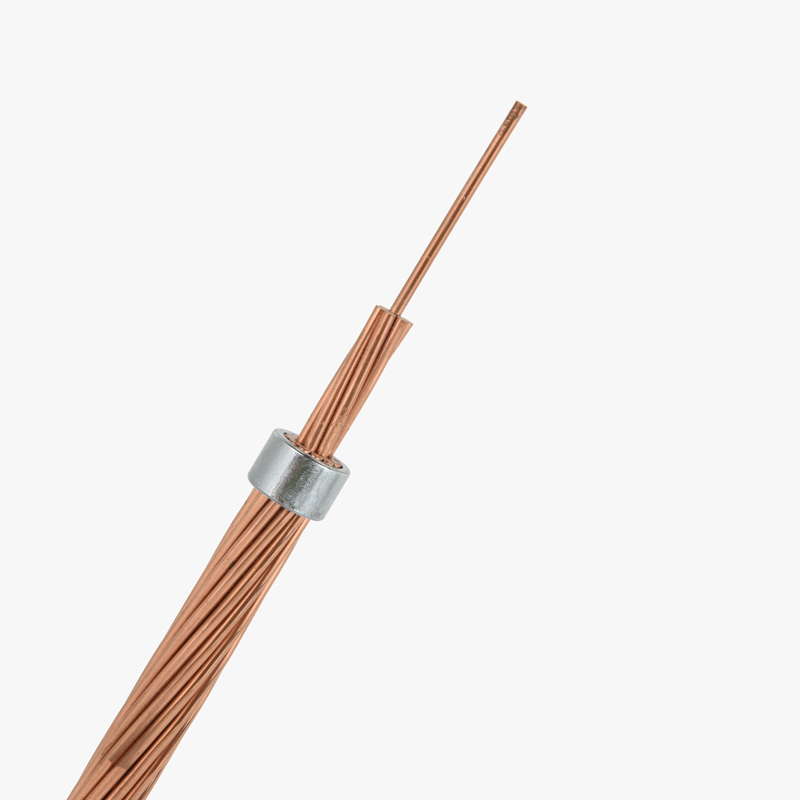
بينما يتم استخدام مصطلحي “سلك الطاقة الشمسية” و'كابل الطاقة الشمسية“ بشكل متبادل، هناك اختلافات فنية رئيسية بين الاثنين. عادةً ما يشير سلك الطاقة الشمسية إلى موصل واحد، إما صلب أو سلكي، والذي قد يكون معزولًا أو غير معزول. وهو مناسب للأسلاك الداخلية داخل معدات الطاقة الشمسية أو في البيئات التي لا تتطلب الحماية والتجميع.
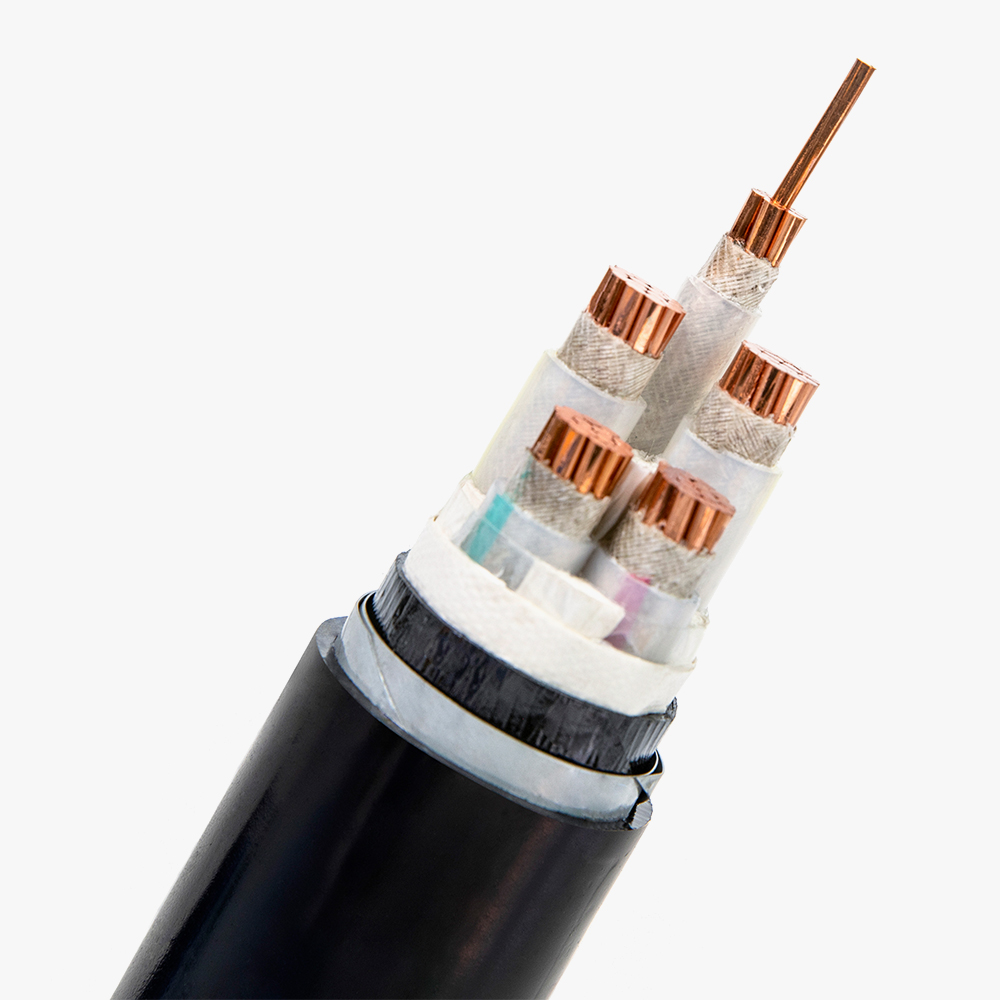
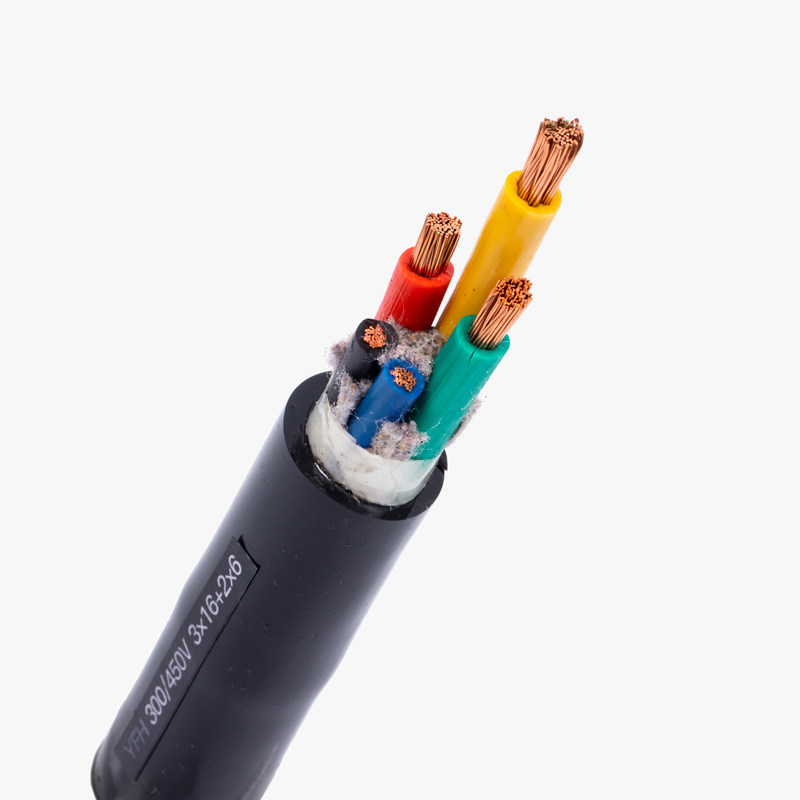
أما كابل الطاقة الشمسية، فيشير إلى مجموعة كابلات كاملة تشمل موصلًا أو أكثر، وعزلًا، وغالبًا ما تشمل غلافًا خارجيًا. وتُصمم كابلات الطاقة الشمسية للاستخدام في البيئات القاسية وعادةً ما تكون مطلوبة للتركيبات الشمسية الخارجية. توفر حماية فائقة ضد الإجهاد الميكانيكي، والأشعة فوق البنفسجية، والرطوبة، والمواد الكيميائية، مما يجعلها مثالية لربط الألواح الشمسية بمكونات نظام الطاقة الضوئية الأخرى.
بالإضافة إلى ذلك، يكون تصنيف كابلات الطاقة الشمسية عمومًا لجهود أعلى ونطاقات حرارة أكبر، وتلتزم بمعايير اختبار وشهادة أكثر صرامة مثل TUV وIEC أو UL. تقدم QRUNNING، كمصنع رائد لكابلات الطاقة الشمسية، كل من الأسلاك والكابلات الشمسية، مع حلول مخصصة لتناسب متطلبات فنية وتنظيمية محددة. عند التخطيط لتركيب نظام طاقة شمسية، من الضروري استشارة مورد كابلات الطاقة الشمسية المؤهل لضمان اختيار نوع الكابل الصحيح للتطبيق المقصود.