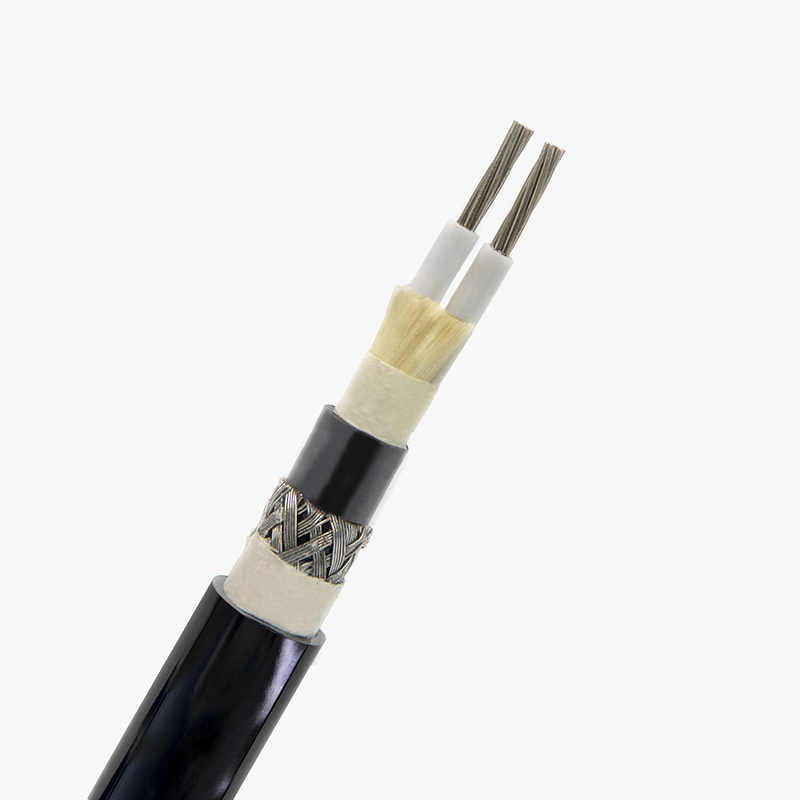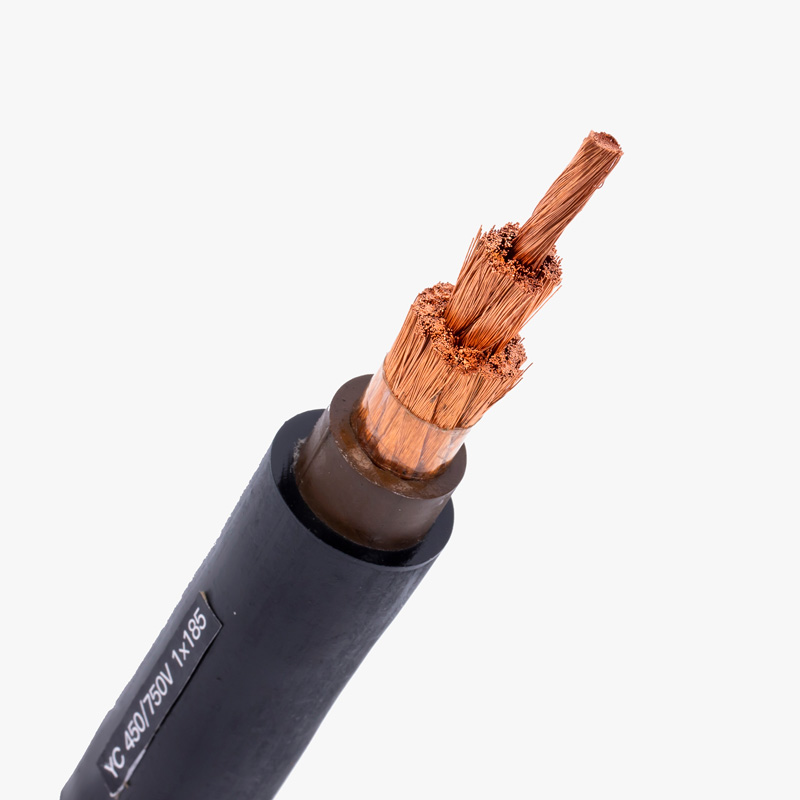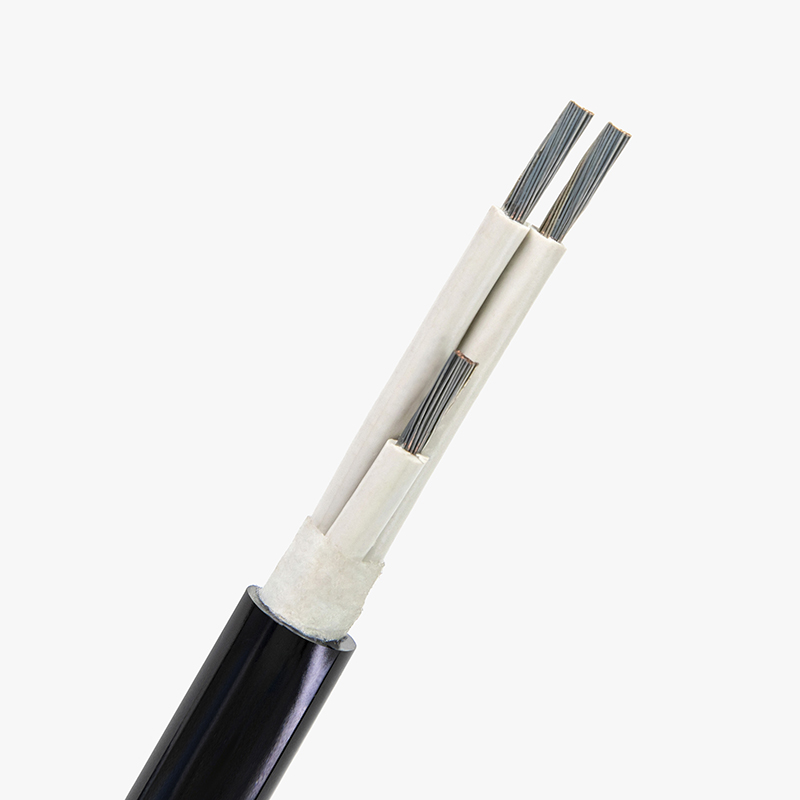
আপনি কি নিশ্চিত নন যে আপনার প্রকল্পের জন্য ভূগর্ভস্থ ক্যাবল বা সমতল ক্যাবল বেছে নেবেন?
অনেক ঠিকাদার এবং পাওয়ার কোম্পানি বেছে নেওয়ার চ্যালেঞ্জের মুখোমুখি হন আন্ডারগ্রাউন্ড ক্যাবল এবং সমতল ক্যাবল. খারাপ নির্বাচনের ফলে প্রায়ই উচ্চতর খরচ, ঘন ঘন ত্রুটি, বা নিরাপত্তা ঝুঁকি সৃষ্টি হয়। ভূগর্ভস্থ সিস্টেম আবহাওয়ার সম্মুখীনতা কমায় কিন্তু ইনস্টলেশন খরচ বাড়ায়, যখন সমতল লাইনের খরচ কম কিন্তু তারা আরও দুর্বল। উভয় বিকল্পের শক্তি এবং সীমাবদ্ধতা বোঝার মধ্যেই সমাধান নিহিত। প্রিমিয়াম-মানের কেবল 500kV পর্যন্ত অফার করে, যা প্রত্যাশিত পরীক্ষার, উন্নত উৎপাদন লাইন, এবং, একটি শীর্ষস্থানীয় নির্মাতা এবং পাইকারী ৩০ বছরেরও বেশি অভিজ্ঞতার সাথে, আমরা শংসাপত্রিত, কাস্টমাইজেবল UG ক্যাবল স্থিতিশীলতা জন্য ডিজাইন করা। আমাদের বৃহৎ উৎপাদনক্ষমতা ধারাবাহিক সরবরাহ এবং নির্ভরযোগ্য কার্যক্ষমতা নিশ্চিত করে, আমাদের বিশ্বব্যাপী প্রকল্পের জন্য একটি বিশ্বস্ত সরবরাহকারী পূর্ববর্তী সমাধান।.
ভূগর্ভস্থ ক্যাবলগুলি স্থায়িত্ব এবং নিরাপত্তা দেয়, যখন সমতল ক্যাবলগুলি বেশি খরচ-প্রভাবশালী এবং রক্ষণাবেক্ষণে সহজ। বেছে নেওয়া প্রকল্পের আকার, বাজেট এবং পরিবেশগত উপাদানের উপর নির্ভর করে।.
এখন, চলুন উভয় ক্যাবল ধরনের, খরচের পার্থক্য এবং কার্যকারিতা উপাদানগুলির গভীরে চলে যাই যাতে আপনি আপনার প্রকল্পের জন্য সর্বোত্তম নির্বাচন করতে পারেন।.
ভূগর্ভস্থ ক্যাবল কি?
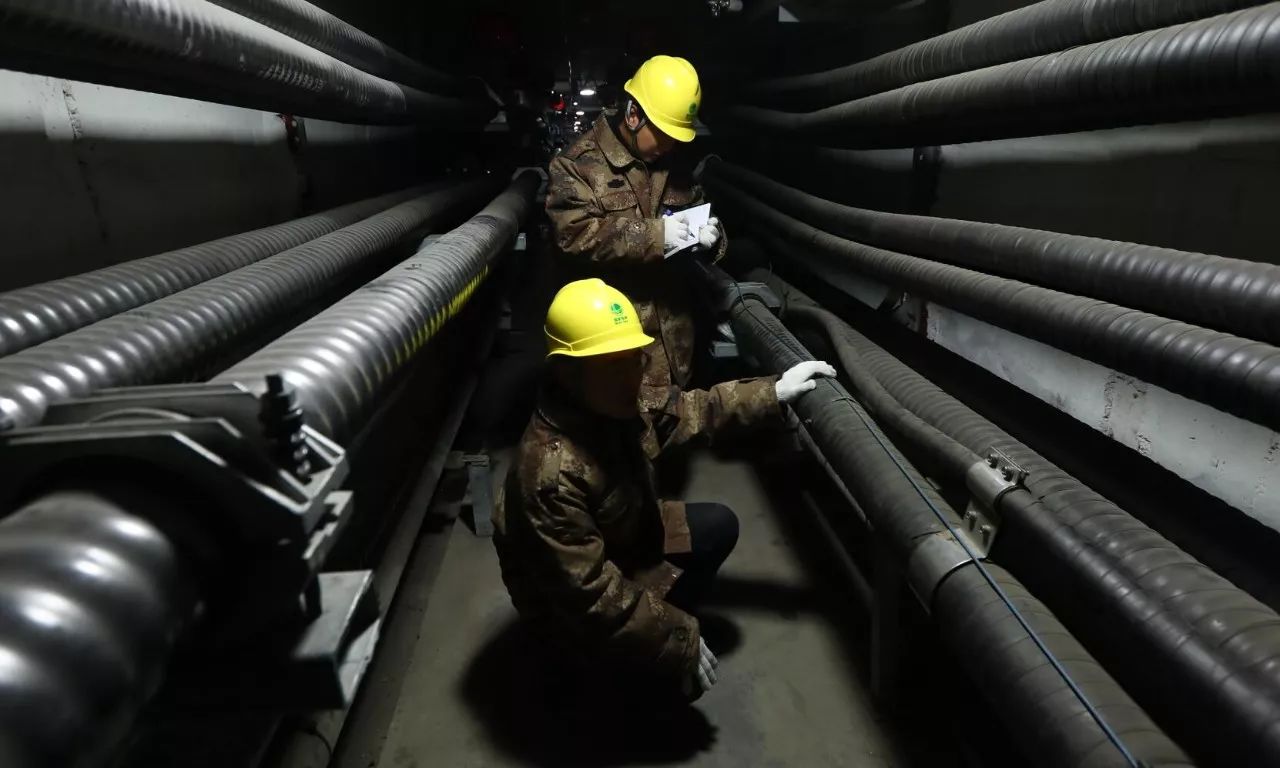
ভূগর্ভস্থ ক্যাবল, যা প্রায়শই বলা হয়, UG ক্যাবল, এটি পৃষ্ঠের নিচে অবস্থান করানোর জন্য ইনস্টল করা হয় যাতে বিদ্যুৎকে নিরাপদে পরিবহণ করা যায়। এটি মাটি চাপ, আর্দ্রতা, এবং বাহ্যিক অবস্থার কারণে সম্ভাব্য ক্ষতি রোধ করার জন্য অন্তরণ এবং সুরক্ষার স্তর দিয়ে ডিজাইন করা হয়েছে। এই ক্যাবলগুলি শহুরে এলাকা, সংবেদনশীল ল্যান্ডস্কেপ, বা এমন প্রকল্পগুলির জন্য আদর্শ যেখানে নান্দনিকতা এবং নিরাপত্তা অগ্রাধিকার।.
মূল উপকারিতাগুলির মধ্যে রয়েছে ঝড় থেকে আউটেজের ঝুঁকি কমে যাওয়া, বাহ্যিক ক্ষতির প্রতি কম সংবেদনশীলতা, এবং সমতল তারের তুলনায় একটি পরিচ্ছন্ন চেহারা। তবে, ভূগর্ভস্থ সিস্টেমগুলি পেশাদার পরিকল্পনা, উন্নত উপকরণ এবং সঠিক ইনস্টলেশন পদ্ধতি প্রয়োজন, যা তাদের শুরুর খরচকে বাড়ায়। একজন অভিজ্ঞ নির্মাতা এবং সরবরাহকারী, ক্রেতাদের দীর্ঘমেয়াদী রক্ষণাবেক্ষণ ব্যয় কমাতে এবং সিস্টেমের জীবনকাল বাড়ানোর জন্য স্থায়ী, কাস্টমাইজেবল UG ক্যাবল ব্যবহারের নিশ্চয়তা দিতে পারেন।.
সম্পর্কিত নিবন্ধঃপ্রকল্পের জন্য সঠিক ইউজি ক্যাবল নির্বাচন করা – কিউরানিং তার এবং ক্যাবল
Understanding the Benefits of UG Cable – Qrunning Wire And Cable
সমতল ক্যাবল কি?
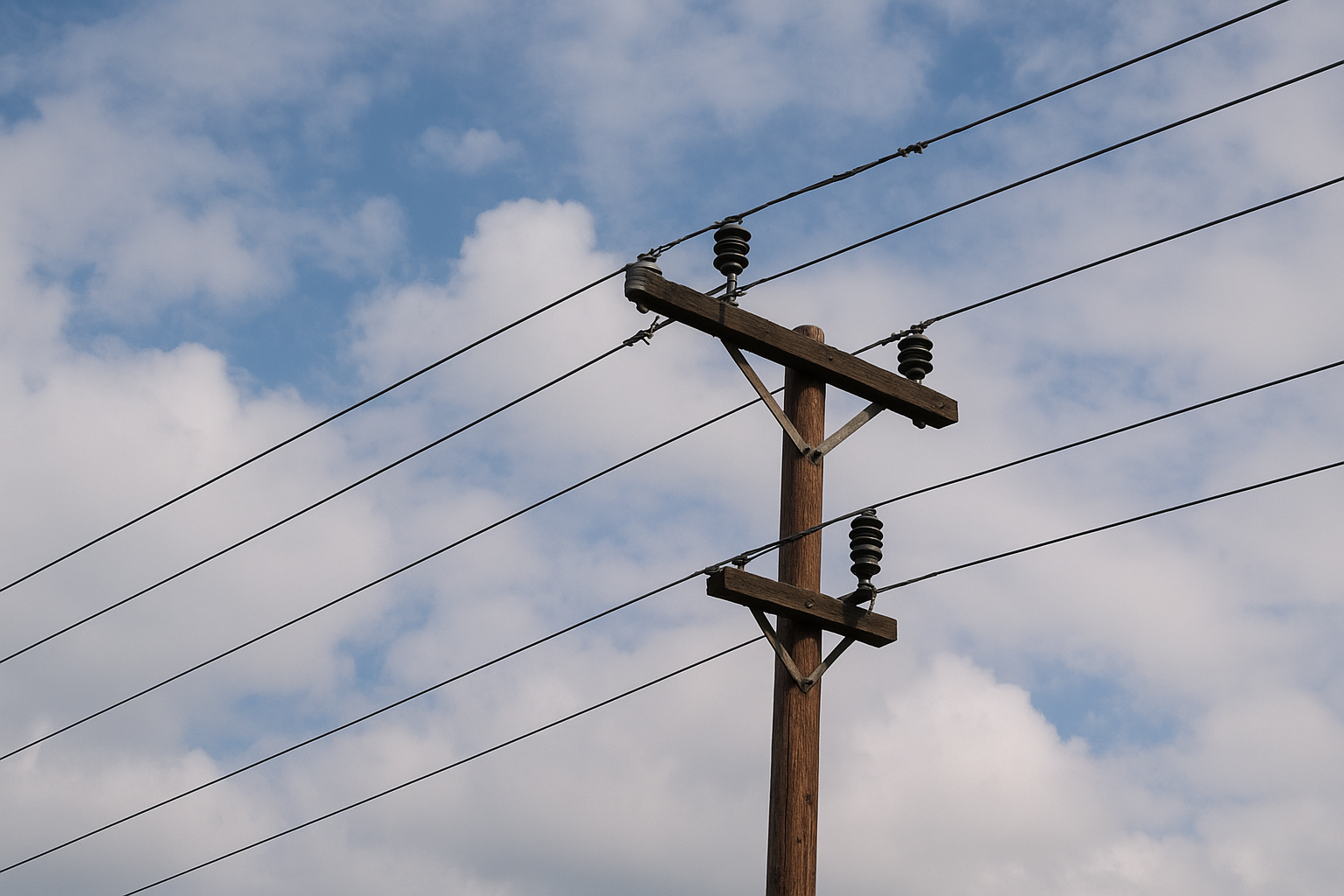
সমতল ক্যাবল বিদ্যুৎ পরিবহন করার ঐতিহ্যবাহী পদ্ধতি যা মাটির উপরে খুঁটি বা টাওয়ার দ্বারা সমর্থিত পরিবাহী ব্যবহার করে। এই ক্যাবলগুলি তাদের কম খরচ, সহজ ইনস্টলেশন, এবং সরল মেরামতের প্রক্রিয়ার জন্য ব্যাপকভাবে ব্যবহৃত হয়। বৃহৎ গ্রামীণ নেটওয়ার্ক এবং অস্থায়ী প্রকল্পগুলির জন্য, সমতল লাইনের অধিকারী প্রায়ই সবচেয়ে ব্যবহারিক সমাধান সরবরাহ করে।.
তাদের সুবিধার সত্ত্বেও, ওপেনিং সিস্টেম আবহাওয়া, পড়ে যাওয়া গাছ এবং বাইরের দুর্ঘটনার সংস্পর্শে আসে, যা আরো বেশি সময় ব্যর্থতার দিকে পরিচালিত করে। এর পাশাপাশি, তারা ভূগর্ভস্থ সিস্টেমগুলির তুলনায় উচ্চতর দৃশ্যমান এবং পরিবেশগত প্রভাব তৈরি করে। তবুও, যখন বাজেট এবং গতিবেগ প্রধান উদ্বেগ, ওপেনিং কেবলগুলি একটি নির্ভরযোগ্য পছন্দ হিসেবে রয়ে যায়, বিশেষ করে যখন বিশ্বাসযোগ্য wholesalers যা আন্তর্জাতিক গুণমানের মানগুলির সাথে সামঞ্জস্য বজায় রাখার জন্য গ্যারান্টি দেয়।.
Related article:ওপেনিং ইলেকট্রিক কেবল সুরক্ষা মানগুলি বোঝা - QRUNNING ওয়্যার অ্যান্ড কেবল
ভূগর্ভস্থ এবং ওপেনিং কেবলের জন্য স্থাপন খরচ
এর মধ্যে সবচেয়ে বড় পার্থক্য হল আন্ডারগ্রাউন্ড ক্যাবল এবং সমতল ক্যাবল খরচ। ভূগর্ভস্থ সিস্টেম স্থাপন করতে ট্রেঞ্চিং, এককরণ, সুরক্ষামূলক স্তর এবং বিশেষায়িত শ্রমের প্রয়োজন হয়, যা প্রাথমিক বিনিয়োগকে উল্লেখযোগ্যভাবে উচ্চ করে তোলে। রক্ষণাবেক্ষণও আরও জটিল হতে পারে, কারণ ভূগর্ভস্থ ত্রুটি সনাক্ত করতে প্রায়ই উন্নত পরীক্ষামূলক উপকরণের প্রয়োজন হয়।.
এদিকে, ওপেনিং সিস্টেমগুলি ইনস্টল করার জন্য সস্তা, সহজতর কাঠামো এবং দ্রুত মেরামতের সাথে। তবে, ঝড়, বন্যজীবন এবং পরিবেশগত কারণগুলি থেকে ঘন ঘন ক্ষতি দীর্ঘমেয়াদি কার্যকরী খরচ বাড়িয়ে দিতে পারে। ঠিকাদার এবং প্রকৌশল সংস্থাগুলিকে ওপেনিং লাইনের সম্ভাব্য উচ্চ মেরামতের সাথে UG cables এর উচ্চ প্রাথমিক বিনিয়োগের তুলনা করতে হবে। একটি পেশাদারীর সাথে অংশীদারি নির্মাতা য much QRUNNING এর মতো খরচ-কার্যকর অ্যাক্সেসের নিশ্চয়তা দেয়, কাস্টমাইজযোগ্য কর্মক্ষমতা এবং বাজেটের মধ্যে ভারসাম্য রাখার বিকল্প।.
| তুলনামূলক মাত্রা | ভূগর্ভস্থ কেবল | ওভারহেড কেবল |
|---|---|---|
| প্রাথমিক স্থাপনা খরচ | উচ্চ (ট্রেঞ্চিং, এককরণ, সুরক্ষামূলক স্তর এবং বিশেষায়িত শ্রমের প্রয়োজন) | নিম্ন (সহজ কাঠামো এবং আরও সরল ইনস্টলেশন প্রক্রিয়া) |
| রক্ষণাবেক্ষণের জটিলতা | উচ্চ (ভূগর্ভস্থ ত্রুটি সনাক্ত করতে প্রায়ই উন্নত পরীক্ষামূলক সরঞ্জাম প্রয়োজন) | নিম্ন (মেরামত দ্রুত এবং কোনও জটিল ত্রুটি-অবস্থান পদক্ষেপের প্রয়োজন হয় না) |
| দীর্ঘমেয়াদি অপারেশনাল খরচ | আলগা স্থিতিশীল (পরিবেশগত কারণগুলির দ্বারা ঘন ঘন ক্ষতির অভাব) | উচ্চতর (ঝড়, বন্যপ্রাণী এবং পরিবেশগত কারণগুলোর কারণে ক্ষতির প্রবণতা, মেরামতের যত frequent হয়) |
কোনটি ভালো, ভূগর্ভস্থ বা উপরে পাওয়ার কেবল?
এটির কোনো সর্বজনীন উত্তর নেই—বেছে নেওয়া আন্ডারগ্রাউন্ড ক্যাবল এবং সমতল ক্যাবল প্রকল্পের পরিস্থিতির উপর নির্ভর করে। উচ্চ ঘনত্বের নগর এলাকা, হাসপাতাল, বিমানবন্দর এবং অবিরত বিদ্যুৎ প্রয়োজনীয় প্রকল্পগুলির জন্য, UG কেবেল তুলনাহীন নির্ভরযোগ্যতা এবং নিরাপত্তা প্রদান করে। অপরদিকে, উপরের সিস্টেমগুলি গ্রামীণ বা অস্থায়ী প্রকল্পগুলির জন্য উপযুক্ত যেখানে খরচের দক্ষতা এবং দ্রুত ইনস্টলেশন সৌন্দর্য থেকে বেশি গুরুত্বপূর্ণ।.
দুটি অপশনই আধুনিক পাওয়ার নেটওয়ার্কে সমালোচনামূলক ভূমিকা পালন করে। সেরা পন্থাটি প্রায়শই একটি সমন্বয়—ঝুঁকির বেশি বা উচ্চ মানের অঞ্চলে ভূগর্ভস্থ সিস্টেম ব্যবহার করা এবং যেখানে খরচ ও প্রবেশাধিকারের বিষয়টি সবচেয়ে গুরুত্বপূর্ণ, সেখানে উপরের লাইনগুলির উপর নির্ভর করা। অভিজ্ঞতার সাথে কাজ করা সরবরাহকারী সঠিক প্রকল্পের সাথে মেলানোর বিশ্বব্যাপী কর্মক্ষমতা মান পূরণকারী সনদপ্রাপ্ত পণ্যের সাথে।.
উপসংহার
দু্ইটি আন্ডারগ্রাউন্ড ক্যাবল এবং সমতল ক্যাবল অনন্য সুবিধা প্রদান করে—সঠিক প্রকার বেছে নেওয়া বাজেট, পরিবেশ এবং নির্ভরযোগ্যতার প্রয়োজনের উপর নির্ভর করে। QRUNNING প্রতিটি প্রকল্পের সফলতার জন্য কাস্টমাইজযোগ্য সমাধান প্রদান করে।.