Why Is Ultra-High-Voltage Transmission Becoming Critical for Modern Power Projects?
Are you struggling to transmit electricity over long distances without excessive losses, unstable performance, or rising infrastructure costs? For large-scale electrical transmission projects, conventional HV and even EHV systems often fail to meet growing capacity and efficiency demands. This results in energy waste, overloaded grids, and higher operational risks. The solution lies in UHV technology. As a leading Fabricante y Proveedor de ultra-high voltage cable systems, QRUNNING leverages over 30 years of experience, advanced production lines, and strict quality control to deliver personalizable, high-reliability cable solutions for demanding transmission environments worldwide.
Ultra-high-voltage transmission refers to electrical transmission systems operating above 800kV, designed to move massive power loads over long distances with minimal loss. By using UHV, utilities and contractors achieve higher efficiency, improved grid stability, and lower lifecycle costs compared with traditional high voltage cable systems.
Understanding how UHV differs from HV and EHV systems helps buyers, wholesalers, and contractors select the most reliable and cost-effective transmission solution.
What Defines Ultra-High-Voltage?
Ultra-high voltage (UHV) generally refers to alternating current systems above 1000kV and direct current systems above 800kV. Compared with cable de alta tensión y extra-high-voltage cable designs, UHV systems dramatically increase transmission capacity while reducing current levels. This minimizes resistive losses and allows electricity to travel thousands of kilometers efficiently.
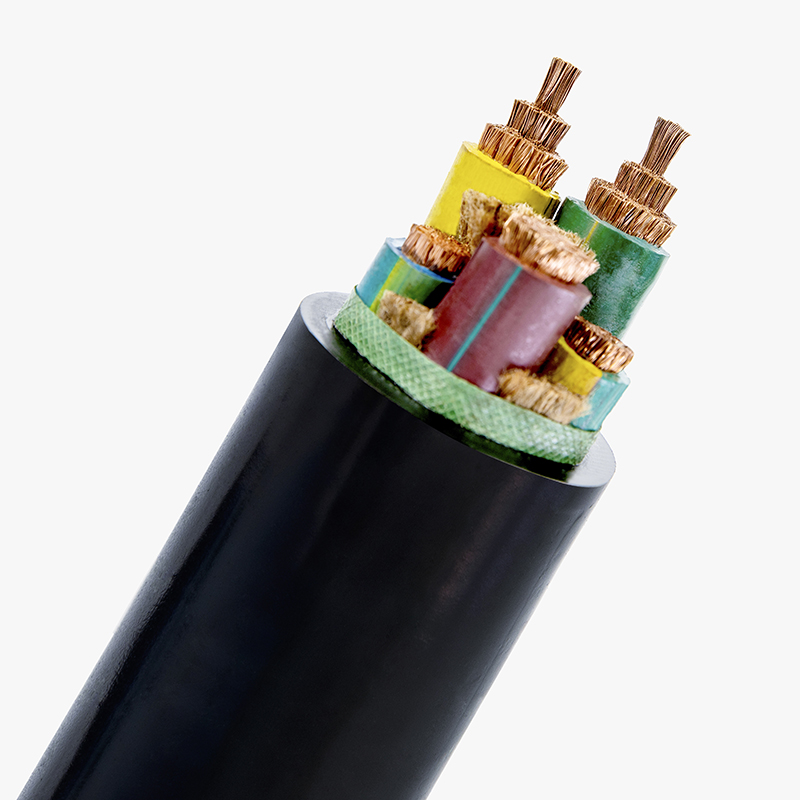
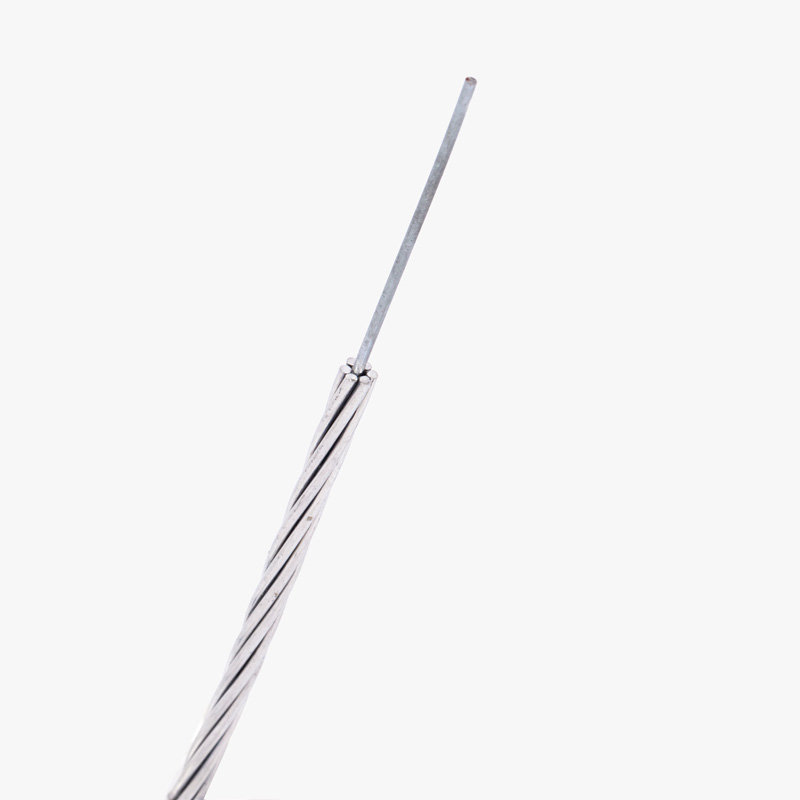
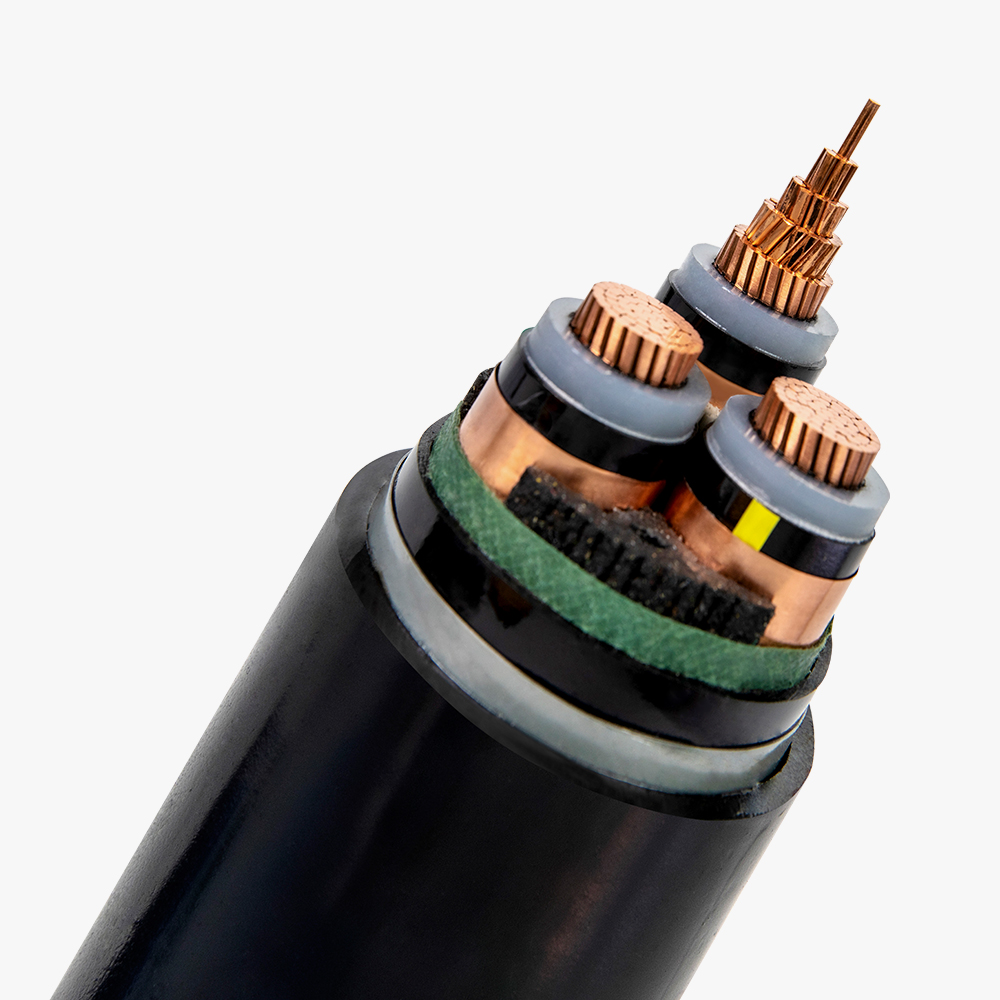
From a technical perspective, UHV cable systems require advanced insulation materials, precise conductor design, and rigorous manufacturing standards. As an experienced Fabricante, QRUNNING integrates optimized conductor structures, high-purity copper or aluminum, and multi-layer insulation to ensure long-term performance under extreme electrical stress. These characteristics make UHV essential for national grids, cross-regional power delivery, and renewable energy integration.
For large Mayorista and utility buyers, UHV is not simply a higher voltage rating—it represents a complete system upgrade that improves transmission density, land utilization, and overall grid reliability.
High-Voltage and Extra-High-Voltage Cable Systems
Understanding HV and EHV Classifications
HV cable systems typically operate between 35kV and 220kV, while EHV systems range from 220kV to 500kV. These technologies remain widely used in urban networks, industrial facilities, and regional transmission lines. However, as power demand increases, the limitations of traditional cable de alta tensión infrastructure become more apparent.
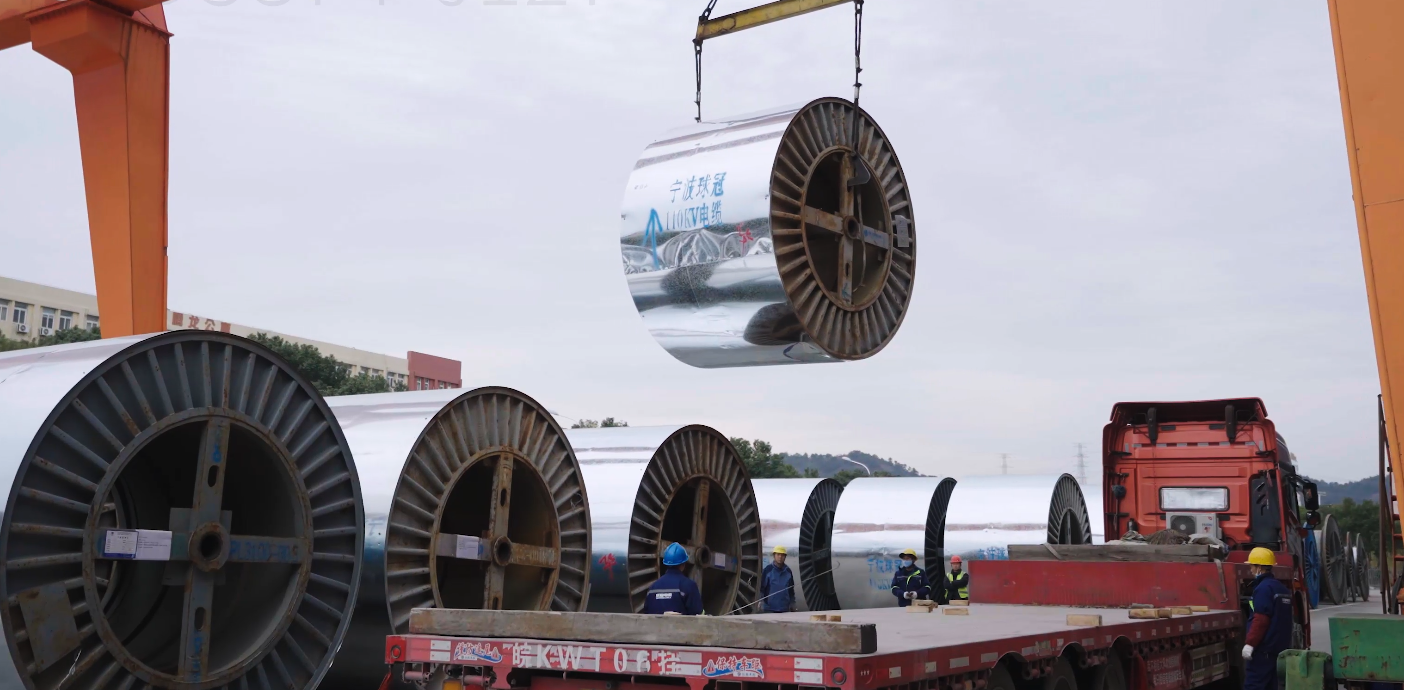
Extra-high-voltage cable systems improve capacity compared with HV, but still face challenges such as higher line losses and larger corridor requirements over long distances. For power-intensive applications, EHV alone may not provide sufficient efficiency.
Role of Manufacturers and Suppliers
Elegir bien Proveedor is critical when deploying HV or EHV cable systems. Quality control, certification authenticity, and production capacity directly affect project success. QRUNNING operates 10 advanced production lines with a total annual capacity of 200 million meters, ensuring stable supply for contractors and Mayoristas across Africa and Asia.
Additionally, QRUNNING provides personalizable designs, OEM & ODM services, and strict testing procedures, enabling buyers to match cable specifications precisely to their electrical transmission requirements.
How Are Ultra-High-Voltage Transmission Lines Applied?
Large-Scale Power Grid Projects
UHV transmission lines are primarily applied in large national and cross-border power grid projects. They enable bulk power transfer from energy-rich regions—such as hydro, wind, or solar bases—to high-demand urban and industrial centers. Compared with HV and EHV, ultra-high voltage cable los sistemas reducen el número de líneas de transmisión necesarias, lo que disminuye el uso de tierra y los costos de construcción.
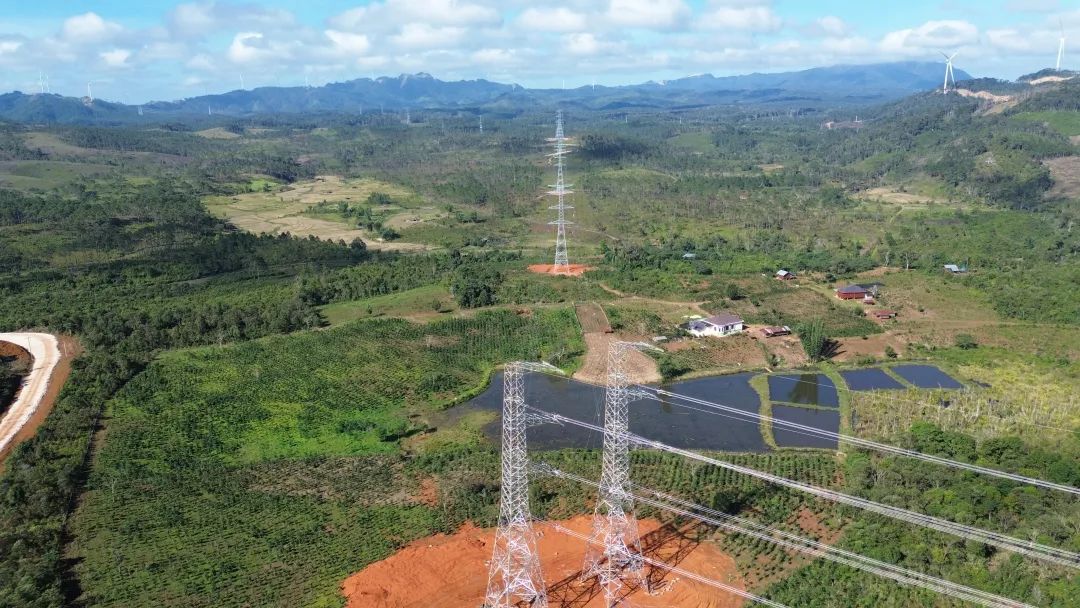
Aplicaciones en Mercados en Desarrollo
En los países en desarrollo, UHV apoya la rápida industrialización y el crecimiento de la infraestructura. Los contratistas de ingeniería eléctrica y las empresas de red se benefician de una mayor estabilidad y escalabilidad. Como un socio de confianza Fabricante alservir mercados como Kenia, Vietnam, Etiopía y Angola, QRUNNING apoya estos proyectos con logística confiable, certificaciones cumplidoras y calidad consistente.
Integración de Energía Industrial y Renovable
UHV también es crítico para integrar energía renovable en redes modernas. La larga distancia electrical transmission permite que la energía limpia se entregue eficientemente desde sitios de generación remotos. Para los usuarios industriales y contratistas EPC, UHV asegura un suministro de energía continuo mientras reduce el riesgo operativo.
Al asociarse con un experto Proveedor como QRUNNING, los compradores obtienen acceso a soluciones de cables UHV, EHV y HV técnicamente probadas, personalizable que cumplen con estándares internacionales y expectativas de rendimiento a largo plazo.
Conclusión
la transmisión UHV representa el futuro de la transmisión eléctrica eficiente y a gran escala. Al comprender los sistemas HV, EHV y UHV y elegir un fabricante confiable, los compradores pueden lograr redes eléctricas más seguras, más económicas y preparadas para el futuro.