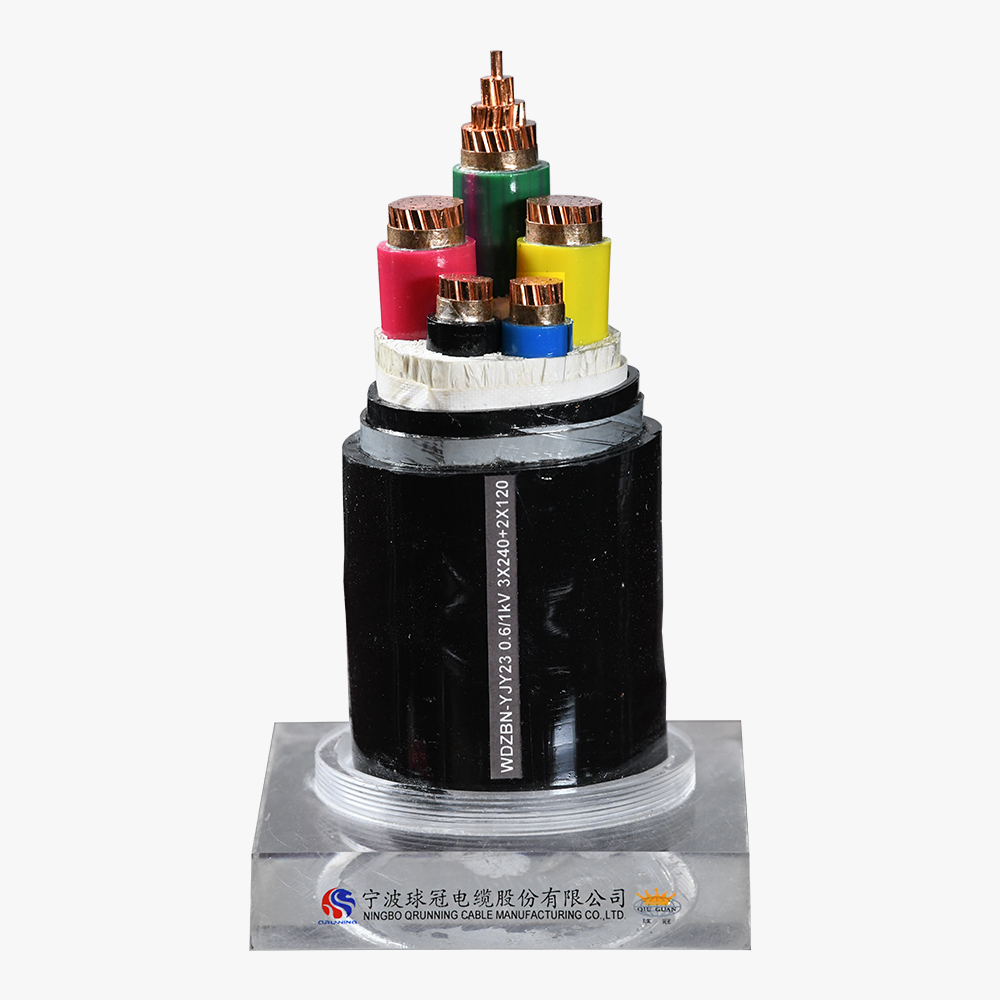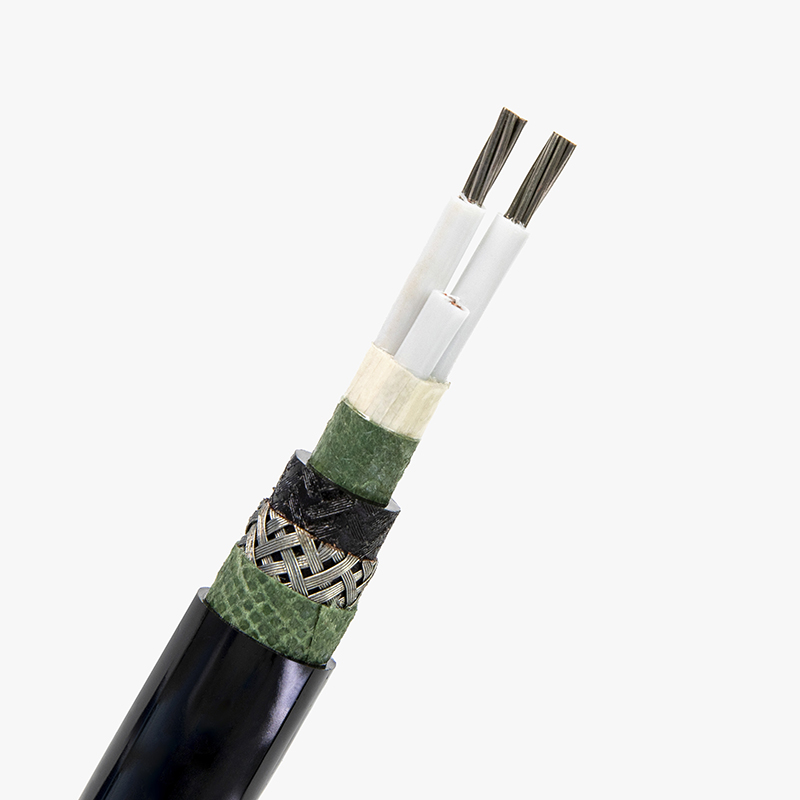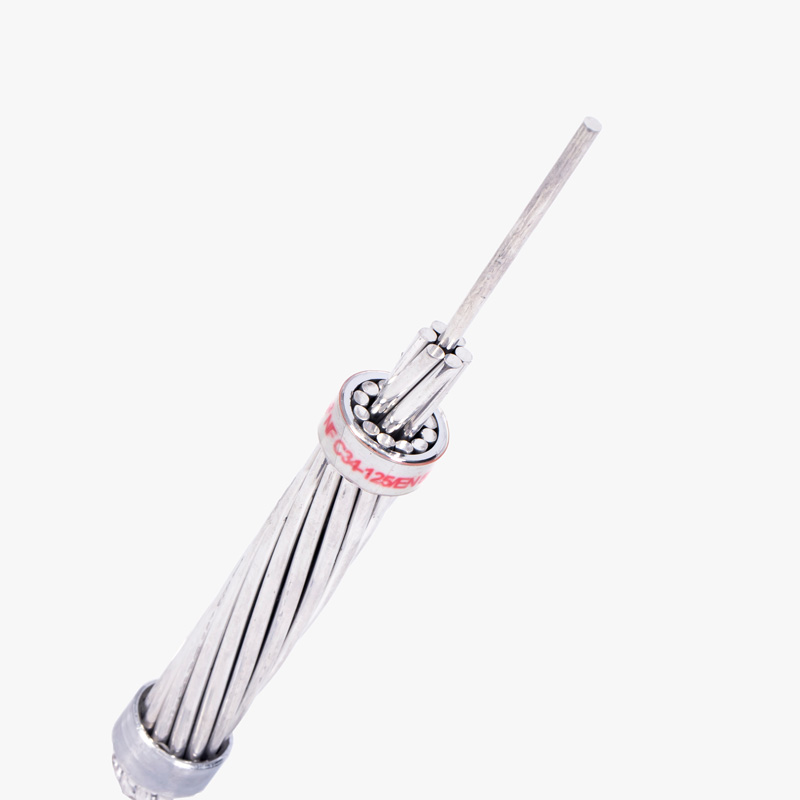
¿Le cuesta elegir el cable XLPE adecuado para su proyecto?
En muchos proyectos de ingeniería energética, los compradores se enfrentan a menudo a la incertidumbre: ¿resistirá el cable las duras condiciones ambientales? ¿Es fiable el proveedor? ¿Y si la certificación es falsa? Estas cuestiones pueden provocar retrasos costosos, riesgos para la seguridad y fracasos de los proyectos.
Como fabricante líder, mayorista y proveedor de larga tradición en China, QRUNNING ofrece cables XLPE de alta calidad totalmente personalizables de hasta 500 kV, respaldados por más de 30 años de experiencia, un estricto control de calidad y certificaciones verificadas. Nuestra capacidad de producción estable garantiza entregas puntuales y un rendimiento fiable para contratistas y distribuidores de todo el mundo.
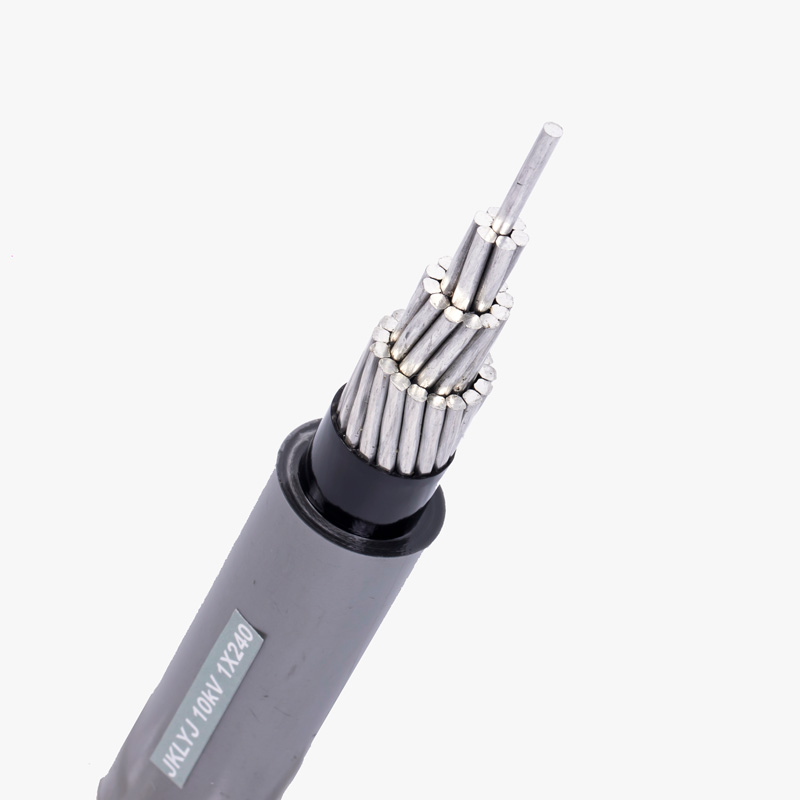
El cable XLPE es un cable de alimentación que utiliza polietileno reticulado como aislante y que ofrece resistencia a altas temperaturas, resistencia mecánica y fiabilidad eléctrica a largo plazo para aplicaciones de media y alta tensión.
Siga leyendo para entender cómo funciona el aislamiento XLPE y por qué lo prefieren los compradores de todo el mundo.
¿Qué es el Cable XLPE
Un cable XLPE es un cable de energía eléctrica aislado con polietileno reticulado, un polímero diseñado para mejorar la resistencia al calor y la fuerza mecánica. Durante el proceso de reticulación, la estructura del polietileno se transforma en una red tridimensional que ya no se reblandece a altas temperaturas.
Como resultado, los cables XLPE pueden funcionar de forma fiable bajo límites de temperatura más elevados en comparación con los cables aislados tradicionales, lo que los hace adecuados para sistemas de transmisión de energía de media y alta tensión. Para los compradores internacionales, especialmente contratistas y empresas de redes, este tipo de aislamiento ofrece un rendimiento fiable a largo plazo incluso en entornos exigentes como plantas industriales, infraestructuras urbanas e instalaciones de energías renovables.
La fábrica de QRUNNING utiliza líneas de producción avanzadas para garantizar una calidad de reticulación constante, proporcionando a mayoristas y empresas de ingeniería soluciones de cableado duraderas, seguras y personalizables.
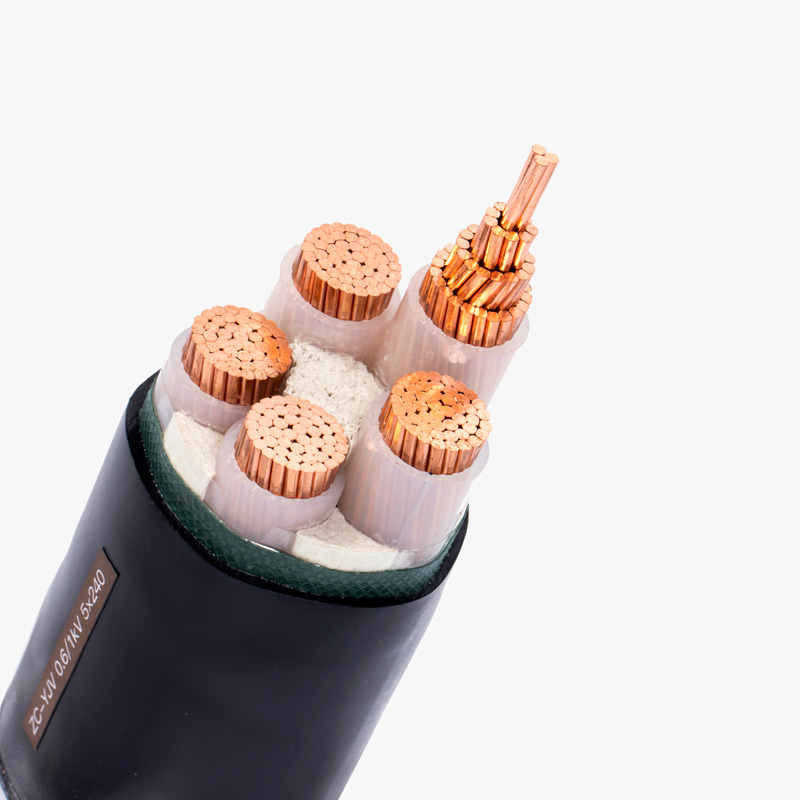
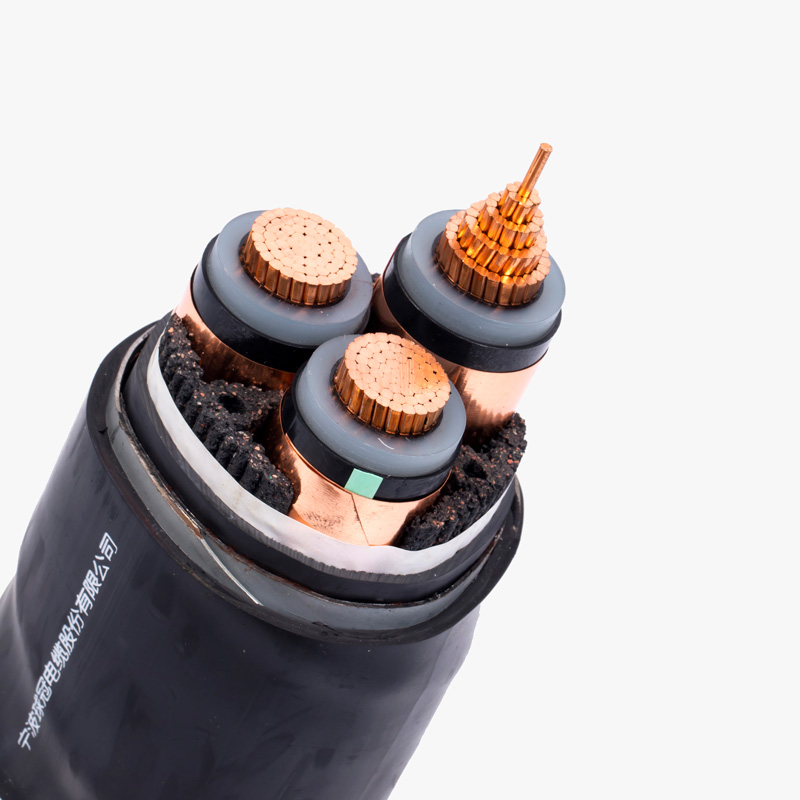
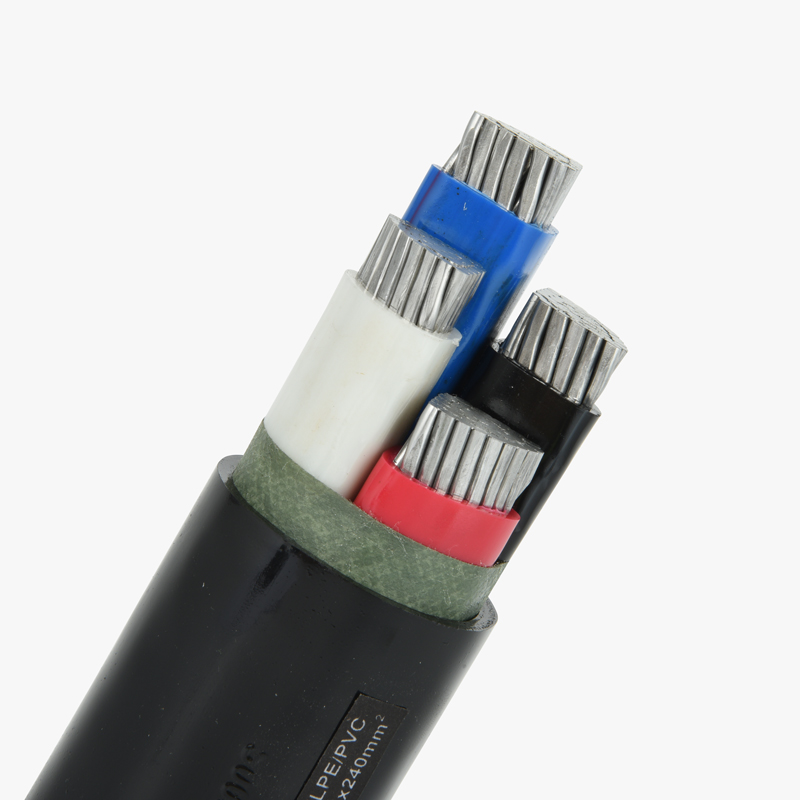
Tipos de XLPE
El aislamiento XLPE se presenta en varias formas en función de la clase de tensión y la aplicación prevista.
Para los sistemas de baja tensión se utilizan XLPE de base termoplástica, que ofrecen flexibilidad y rentabilidad. Los sistemas de media y alta tensión utilizan materiales químicamente reticulados que ofrecen un excelente rendimiento térmico y eléctrico. Las variantes especializadas, como el XLPE resistente al agua, están diseñadas para regiones húmedas donde el envejecimiento del aislamiento es un problema.
En los grandes proyectos de ingeniería, es crucial seleccionar el tipo de XLPE adecuado. QRUNNING admite diseños personalizables OEM y ODM, ayudando a los compradores a elegir el grado de aislamiento adecuado en función de las condiciones de instalación, los niveles de carga y los requisitos de vida útil del proyecto.
¿Cuáles son las ventajas del material XLPE?
El material XLPE ofrece múltiples ventajas que lo convierten en el aislamiento preferido para los cables eléctricos modernos. Su elevada capacidad térmica permite un funcionamiento continuo a temperaturas elevadas sin comprometer la integridad del aislamiento. También ofrece una rigidez dieléctrica superior, lo que garantiza un rendimiento estable bajo tensiones de media y alta tensión.
Además, el XLPE es resistente a los productos químicos, la humedad, la abrasión y los impactos mecánicos, por lo que resulta adecuado para instalaciones subterráneas, industriales y exteriores. En comparación con otros materiales, ofrece una vida útil más larga y un mantenimiento reducido, lo que garantiza unos costes de proyecto más bajos a largo plazo para contratistas y distribuidores.
Para los compradores que buscan fiabilidad, asociarse con un fabricante de probada eficacia como QRUNNING garantiza el acceso a productos de alambre y cable XLPE uniformes y de alta calidad que cumplen las normas internacionales.
Artículo relacionado:https://www.qrunningcable.com/what-are-the-advantages-of-xlpe-material
¿Cuál es la diferencia entre el aislamiento de XLPE y el de PVC?
La principal diferencia entre el aislamiento de XLPE y el de PVC radica en sus capacidades térmicas y mecánicas. El PVC se ablanda con las altas temperaturas y contiene aditivos que pueden degradarse con el tiempo. El XLPE, sin embargo, mantiene la estabilidad estructural porque su estructura molecular reticulada impide la fusión.
El PVC es adecuado para aplicaciones ligeras y de interior, mientras que el XLPE se utiliza en instalaciones de media y alta tensión que requieren durabilidad y resistencia al calor. Para los compradores centrados en la fiabilidad a largo plazo, el XLPE supera claramente al PVC, especialmente en entornos exigentes. QRUNNING ofrece ambas opciones, lo que permite a los mayoristas y compradores de ingeniería elegir el mejor aislamiento para sus necesidades específicas.
Resumen
Los cables XLPE ofrecen un mayor rendimiento, una vida útil más larga y una mayor fiabilidad, lo que resulta ideal para contratistas, distribuidores y proyectos energéticos a gran escala.