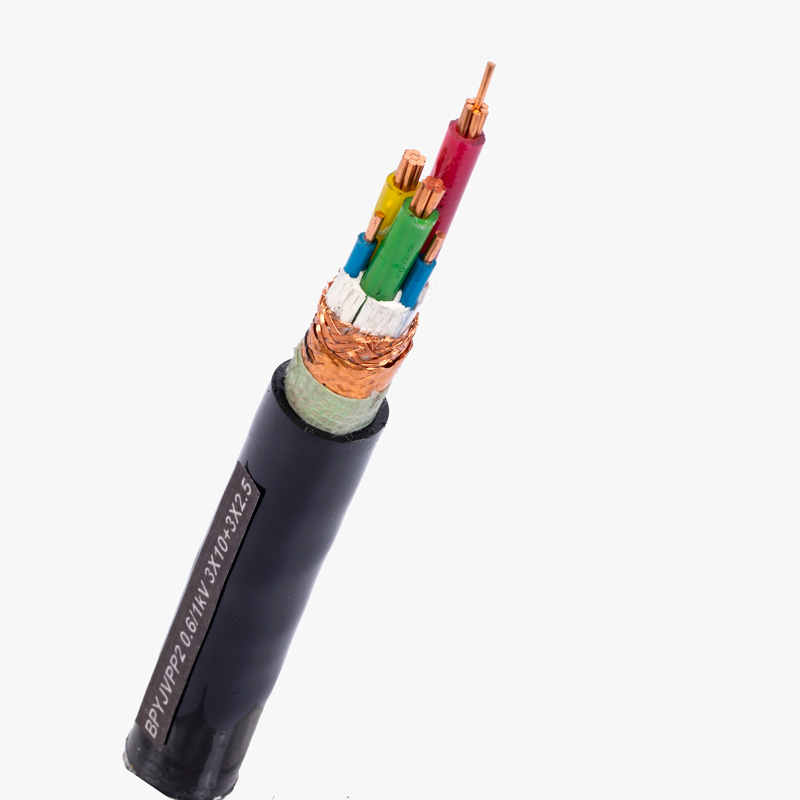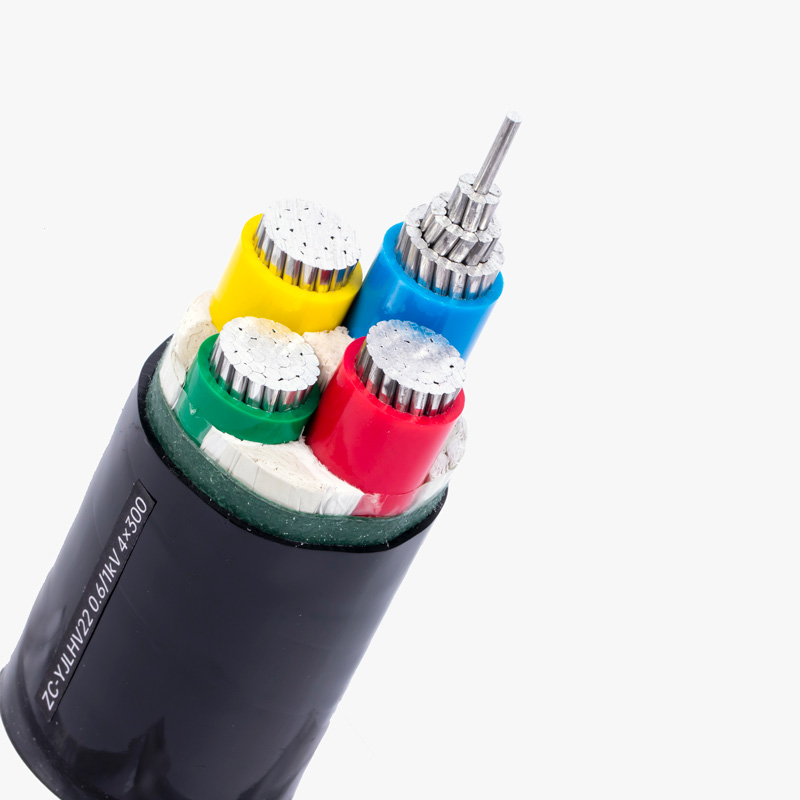
آیا خمیدگیهای تنگ کابل پروژه شما را در خطر قرار میدهد و بودجه شما را تهدید میکند؟
وقتی یک cable بیش از حد تنگ شود، رشتههای مسی میتوانند دچار شکست میکروسکوپی شوند، عایق میتواند ترک بخورد و شیلد میتواند دفرمه شود که منجر به افزایش دما، از دست رفتن سیگنال و خرابی زودرس میشود. این به معنای زمانافت، کار دوباره و بازرسیهای ناموفق است. راه حل ساده است: طراحی و نصب مطابق با شعاع خمیدگی کابل. به عنوان یک تولیدکننده و تاجر عمده از قدرت تا 500 کیلو ولت cable, QRUNNING ارائه میدهد قابل سفارشیسازی ساخت و سازها، حمایت OEM/ODM، گواهیهای قابل آزمایش و زمانهای تحویل قابل اعتماد از 10 خط تولید (ظرفیت 200 میلیون متر). ما به خریداران و پیمانکاران در ویتنام و فراتر از آن کمک میکنیم تا مشخصات و عملکرد را از همان ابتدا به درستی به دست آورند.
آن شعاع خمیدگی کابل کوچکترین انحنا یک cable میتواند بدون آسیب ایستایی تشکیل دهد. احترام به آن یکپارچگی الکتریکی را حفظ میکند، نصب را آسانتر میکند و از خرابیهای پرهزینه، مشکلات بازرسی و دعاوی ضمانت جلوگیری میکند.
برای فرمولهای واضح، موارد استفاده واقعی، قوانین عملی از استانداردهایی مانند NEC, و نکات تأمین از یک تأمینکننده.
چگونه شعاع خمیدگی کابل را محاسبه کنیم
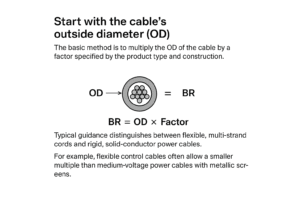
با قطر خارجی کابل (OD) شروع کنید
روش پایه این است که OD را cable ضرب کنیم با یک عدد مشخص شده توسط نوع و ساخت محصول. دستورالعملهای معمول بین کابلهای چندرشتهای انعطافپذیر و کابلهای قدرت جامد و ریگی تمایز قائل میشوند. به عنوان مثال، کابلهای کنترل انعطافپذیر معمولاً اجازه میدهند که چند برابری کمتر از کابلهای قدرت با ولتاژ متوسط با شیلدهای فلزی باشد. همیشه برگه دادههای تولیدکننده را بررسی کنید؛ اگر یک محدوده داده شده باشد (برای مثال، ایستا در مقابل دینامیک)، از مقدار سختگیرانهتر در حین نصب برای جلوگیری از خمیدگی بیش از حد در نقاط کشش استفاده کنید.
کاربردهای ایستا در مقابل دینامیک
شعاع خمیدگی ایستا یک بار اعمال میشود cable نصب شده و بیحرکت است؛; شعاع خمشی دینامیک هنگامی که کابل در حین کار خم میشود، اعمال میشود. عوامل دینامیک معمولاً بزرگتر هستند زیرا حرکت چرخهای خستگی را تسریع میکند. در حین کشش، از قطرهای شیو و شعاع ورودی بزرگ استفاده کنید و کابل را راهنمایی کنید تا خم شدن به تدریج رخ دهد—نه در یک لبه تیز تک.
یک نمونه سریع از روند کار
1) OD کابل را از دادهنامه شناسایی کنید. 2) ضریب نصب و برای خدمات (ایستاده/دینامیک) را تعیین کنید. 3) محاسبه کنید حداقل شعاع خم = OD × ضریب.. 4) تأیید کنید که گوشههای سینی، خمیدگیهای لوله، قطر درامها، و کیتهای انتهایی همگی این شعاع را تجاوز میکنند. 5) مقدار را در بیانیهی روش خود مستند کنید تا تیمها بتوانند با الگوی شعاع یا نوار اندازهگیری کنند.
کابلها با شعاع خم تنگ کجا استفاده میشوند؟
فضاهای فشرده که هنوز درخواست قابلیت اطمینان دارند
صنایع اغلب به دنبال کابینتهای کوچکتر و مسیریابی متراکمتر هستند. رباتیک، ابزارهای ماشین، آسانسورها و گانتریهای متحرک نیاز به کابلی دارند که بتواند مسیرهای تنگ را در حین حرکت مداوم بپیماید. در مراکز داده و ماشینآلات OEM، بالای ورودی/خروجیها از کابینتهای بزرگتر دربها و در راهها اجتناب میکند. در اینجا، انتخاب ساختارهایی که برای خمهای تنگتر طراحی شدهاند—رساناهای با الیاف ریز، عایق مناسب، محافظ بهینهسازی شده، و پوششهای بیرونی محکم—عملکرد را ثابت نگه میدارد بدون اینکه به جعبههای بزرگتر مراجعه کند.
واقعیتهای نصب در محل کار
در ساخت و ساز، خمها در گوشههای سینی، راجرها و غلافهای ورودی انباشته میشوند. استفاده از لوازم جانبی تأیید شده کارخانه (خمیدگیها، سدلها، غلتکها) از ایجاد کج شدن جلوگیری میکند. برای پروژههای قدرت در بازارهای در حال توسعه—مقاصد عمده صادرات ما—لجستیک گاهی اوقات تعیین میکند که درامهای کوچکتری یا حمل دستی لازم است؛ برنامهریزی شعاع خمیدگی کابل در کنار اندازه درام و مسیر کشش، از بداههسازی در میدان جلوگیری میکند که میتواند عایق را بزند و گارانتیها را باطل کند. QRUNNING، توصیههایی درباره درام و برنامه کشش با هر حمل و نقل بزرگ ارائه میدهد تا به تیم شما کمک کند شعاع صحیح را از بارگیری تا اتمام حفظ کند.
اهمیت رعایت مشخصات شعاع خم
عواقب الکتریکی، مکانیکی و تطابق
بیش از حد خم شدن میتواند عایق را در قوس خارجی نازک کرده و در قوس داخلی فشرده کند، موقعیت هادی را تغییر داده و استرس الکتریکی محلی را افزایش دهد—به ویژه در ولتاژهای بالاتر بحرانی است. از نظر مکانیکی، خمیدگیهای تنگ مکرر، مس یا آلومینیوم را تحت فشار قرار میدهد و باعث سخت شدن و در نهایت شکستن هادی میشود. برای ابزار دقیق و دادهها، هندسه تغییر یافته امپدانس را تغییر میدهد، تداخل را بالا میبرد و محافظت را کاهش میدهد که منجر به عیوب متناوب میشود که تشخیص آنها هزینهبر است. از نظر انطباق، بازرسیها بر روی workmanship تمرکز میکنند: نادیده گرفتن شعاع مشخصشده میتواند منجر به بازسازی، تأخیر در زمانبندی یا عدم موفقیت در آزمایشهای پذیرش شود.
تأثیر تأمین و گارانتی
مشخصات اغلب حداقل شعاع را در سفارش خرید قفل میکنند. اگر نصبکنندگان از حدود تجاوز کنند، مسئولیت ممکن است بین پیمانکار و تأمینکننده جابجا شود. به عنوان یک تأمینکننده و تولیدکننده, ما حداقل شعاع خم را در دادهنامههای خود و برچسبهای جعبه قرار میدهیم و میتوانیم قابل سفارشیسازی ساختوسازها - کلاس رشته، طراحی صفحه و یا ترکیب روکش - برای برآورده کردن محدودیتهای مسیریابی شما بدون compromise عمر مفید. این تعادل هم از بودجه شما و هم از اعتبار پروژه شما محافظت میکند.
کد NEC برای شعاع خم کردن سیم چیست؟
چگونگی نزدیک شدن NEC به خمها
آن NEC (کد الکترونیکی ملی) به دو ایده مرتبط میپردازد. اول، درخواست فضای کافی برای خم کردن سیم را دارد فضای خم کردن سیم در کمدها، تابلوهای برق و محفظهها تا هادیها بتوانند بدون تغییر شکل تیز وارد و خاتمه یابند؛ این مقالات حداقل فاصلهها را بر اساس اندازه هادی و رتبه تجهیزات تعیین میکنند. دوم، برای کابلها و هادیها، NEC از نصبکنندگان انتظار دارد که از حداقل شعاع خم کردن مشخص شده توسط سازنده و هر فهرست تجهیزات یا استاندارد محصول که مربوط میشود (بهعنوان مثال، برای لوازم جانبی ولتاژ متوسط یا سیستمهای سینی) پیروی کنند. در عمل، این به این معنی است: اندازه محفظههای خود را بر اساس جداول NEC تنظیم کنید، اتصالاتی را انتخاب کنید که با اندازههای هادی شما سازگار باشند و هرگز یک کابل را زیر شعاع چاپ شده یا منتشر شده توسط سازنده مجبور نکنید.
نتایج عملی برای پیمانکاران و خریداران
در طراحی، تأیید کنید که جاروهای لولهای، پیچهای سینی کابل و کیتهای خاتمه انتخابی شما از شعاع خم مورد نیاز بیشتر باشند. در نصب، از غلتکها یا پولیها با قطر کافی استفاده کنید و لبهها را با saddles شعاع محافظت کنید. برای بازرسی، برگههای داده را در دست نگهدارید تا به مقام صلاحیتدار نشان دهید که خمهای شما با هر دو NEC’قوانین فضایی و مشخصات شعاع خم محصول مطابقت دارد. QRUNNING میتواند نامههای انطباق و دادههای آزمایشی را بنا به درخواست برای تسهیل تأییدات ارائه دهد.
منابع کابلهایی که نیازهای شعاع خم را برآورده میکنند
چرا QRUNNING پروژهها را در ویتنام و فراتر از آن تامین میکند
بهعنوان یک B2B تاجر عمده و تولیدکننده با بیش از 30 سال تجربه، ما انرژی تا 500 کیلووات را تأمین میکنیم cable با کنترل کیفیت مورد بررسی، گواهینامه معتبر و ETD/ETA قابل اعتماد. 10 خط تولید کارخانه ما از سفارشات بزرگ با زمانهای تحویل پایدار پشتیبانی میکند و تیم مهندسی ما به شما در تعادل شعاع خم، آمپاسیتی و بودجه کمک میکند. آیا نیاز به مسیری تنگتر دارید؟ از قابل سفارشیسازی کلاسهای رشته، گزینههای زره و مواد روکش که به هدف شما میرسند بپرسید شعاع خمیدگی کابل بدون فدا کردن عمر مفید.
خلاصه
به احترام شعاع خمیدگی کابل برای محافظت از عملکرد، قبولی بازرسیها و جلوگیری از زمانهای توقف. طراحیهایی را انتخاب کنید که مناسب مسیریابی شما باشد، از NEC و محدودیتهای تولیدکننده، و مشارکت با یک شریک معتبر تأمینکننده برای نتایج قابل اعتماد.