چرا کابلهای ولتاژ بالا زودتر از موعد از کار میافتند و چگونه میتوان از توقفهای پرهزینه جلوگیری کرد؟
آیا با خرابیهای غیرمنتظره، افزایش هزینههای نگهداری یا خطرات ایمنی مرتبط با کابل ولتاژ بالا سیستمها دستوپنجه نرم میکنید؟ بسیاری تاجرین عمده, از پیمانکاران و شرکتهای برق با این چالشها به دلیل محیطهای عملیاتی سخت، نصب نادرست یا شیوههای نگهداری ناهماهنگ مواجه هستند. وقتی کابل HV سیستمها مورد غفلت قرار میگیرند، پیامدها میتواند شامل قطعی برق، آسیب به تجهیزات و حتی حوادث جدی ایمنی باشد. راهحل در بهکارگیری رویههای ساختاریافته نگهداری است که توسط یک تولیدکننده. با بیش از 30 سال تجربه در صنعت، QRUNNING راهکارهای, قابل سفارشیسازی کابل ولتاژ بالا باکیفیت، کنترل کیفیت دقیق، و خدمات OEM & ODM ارائه میدهد که به کاهش ریسکهای بلندمدت و تضمین انتقال پایدار برق کمک میکند.
نگهداری کابل ولتاژ بالا بر تشخیص زودهنگام عیب، یکپارچگی عایق، نصب صحیح، و بازرسیهای دورهای برای افزایش عمر مفید تمرکز دارد. با بهکارگیری راهبردهای نگهداری پیشگیرانه، شرکتهای برق و خریداران صنعتی میتوانند خرابیها را کاهش دهند، ایمنی را بهبود بخشند و هزینههای عملیاتی را پایین بیاورند، در حالی که انتقال پایدار برق را تضمین میکنند.
درک اینکه خرابیها چگونه رخ میدهند و راهبردهای حرفهای نگهداری چگونه عمل میکنند، نخستین گام برای محافظت از سرمایهگذاری شما و اطمینان از تحویل قابلاعتماد برق است.
مشکلات رایج در کابلکشی ولتاژ بالا و نحوه رفع آنها
تخریب و پیری عایق
یکی از رایجترین مشکلات در کابل HV سیستمها، تخریب عایق است که بر اثر تنش حرارتی، اضافهبار الکتریکی، نفوذ رطوبت یا تماس با مواد شیمیایی ایجاد میشود. با گذشت زمان، مواد عایقی میتوانند خاصیت ارتجاعی و استقامت دیالکتریک خود را از دست بدهند و خطر تخلیه جزئی یا شکست عایقی را افزایش دهند. این مسئله بهویژه برای پروژههایی که در اقلیمهای گرم یا تأسیسات زیرزمینی فعالیت میکنند، اهمیت حیاتی دارد.
برای رفع و پیشگیری از مشکلات عایق، باید آزمونهای تشخیصی دورهای مانند اندازهگیری مقاومت عایقی و پایش تخلیه جزئی انجام شود. همکاری با یک متخصص واجد صلاحیت تأمینکننده و تولیدکننده استفاده از مواد باکیفیت و استانداردهای تولید یکنواخت را تضمین میکند. انتخاب قابل سفارشیسازی طراحیهای کابل متناسب با شرایط محلی میتواند روندهای پیری را بهطور قابلتوجهی کند کند.
آسیب مکانیکی و نصب نادرست
آسیب مکانیکی اغلب هنگام حملونقل، کشیدن، خمکردن یا سرکابلزنی رخ میدهد. شعاع خم بیش از حد، مهار نامناسب، یا حفاظت ناکافی میتواند ساختار کابل را تضعیف کند. برای تاجرین عمده تولیدکنندگان و پیمانکاران، این مشکلات ممکن است تا زمان بروز خرابی سیستم پنهان بماند.
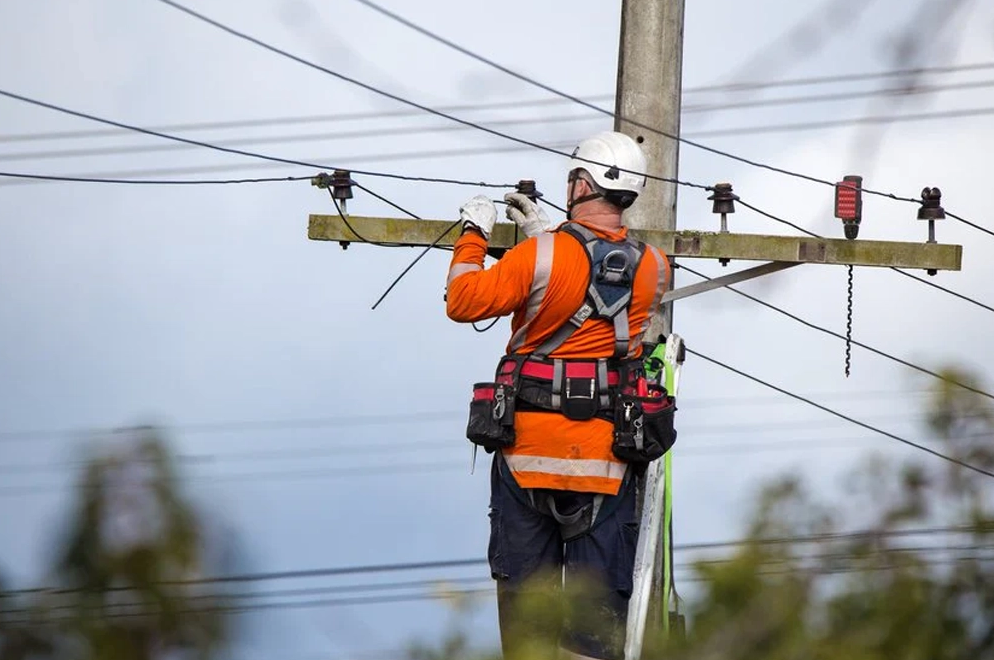
راهحل با رویههای استاندارد نصب و نیروی انسانی آموزشدیده آغاز میشود. بازرسیهای چشمی پیش از برقدار کردن، همراه با اقدامات حفاظت مکانیکی، به کاهش خطرات کمک میکند. انتخاب یک قابلاعتماد کابل ولتاژ بالا تأمینکننده با استانداردهای قوی لجستیک و بستهبندی همچنین آسیبهای مرتبط با حملونقل را به حداقل میرساند.
اهمیت مدیریت صحیح کابلهای HV
بهینهسازی مسیر و آرایش کابلها
مؤثر کابل HV مدیریت برای قابلیت اطمینان و ایمنی بلندمدت ضروری است. مسیرگذاری نامناسب میتواند به افزایش دما، تداخل الکترومغناطیسی و محدود شدن دسترسی برای بازرسیها منجر شود. فاصلهگذاری مناسب، چیدمان منظم ترانشهها و شناسایی واضح، پیچیدگی عملیاتی و زمان نگهداری را کاهش میدهد.
برای پروژههای زیرساختی و شبکه برق در مقیاس بزرگ، مدیریت حرفهای کابل همچنین انطباق با استانداردهای بینالمللی را بهبود میبخشد. یک متخصص واجد شرایط تولیدکننده میتواند راهنمایی فنی ارائه دهد و قابل سفارشیسازی راهکارهایی برای برآوردهکردن الزامات ویژه پروژه ارائه کند و اطمینان یابد که هر کابل ولتاژ بالا در محدوده پارامترهای طراحیشده خود کار میکند.
ملاحظات زیستمحیطی و ایمنی
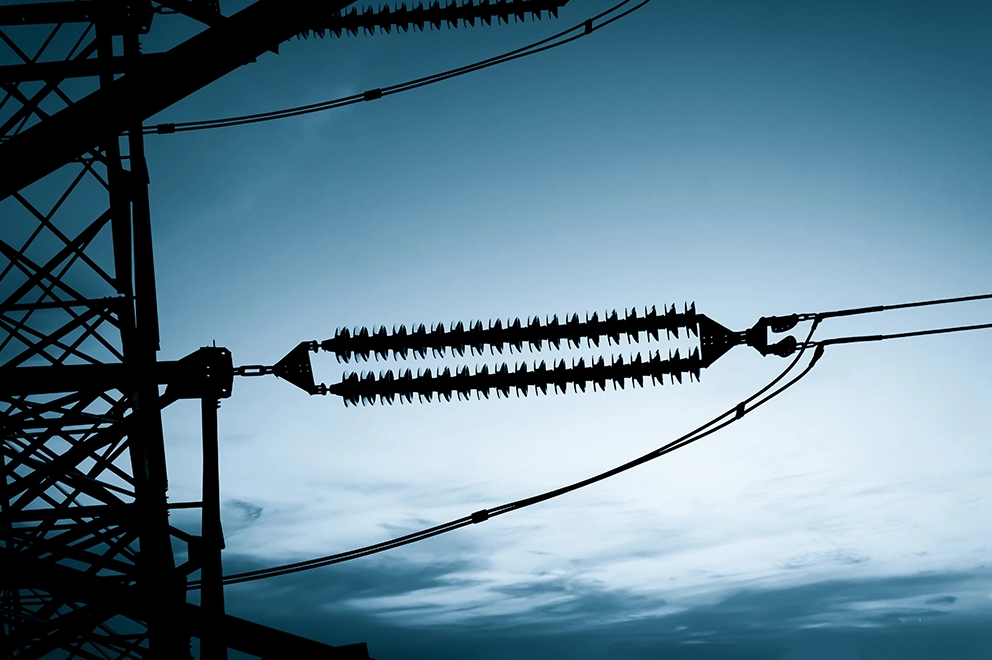
عوامل محیطی مانند رطوبت، ترکیب خاک، تابش UV و لرزش، تأثیر مستقیمی بر عملکرد کابل دارند. بدون مدیریت مناسب، این عوامل فرسودگی را تسریع کرده و احتمال خرابی را افزایش میدهند. خطرات ایمنی نیز زمانی افزایش مییابد که کابلها بهدرستی برچسبگذاری نشده باشند یا بیش از حد متراکم چیده شوند.
اجرای لولههای محافظ، استفاده از مواد مقاوم در برابر خوردگی و علائم ایمنیِ واضح به کاهش این خطرها کمک میکند. مورد اعتماد تأمینکنندگان و تاجرین عمده با ارائه محصولات منطبق و مستندات یکنواخت، نقشی حیاتی ایفا میکنند و از عملیات ایمن و کارآمد پشتیبانی مینمایند.
روشهای نگهداری کابلهای ولتاژ بالا
نگهداری پیشگیرانه و پیشبینانه
نگهداری پیشگیرانه، پایه و اساسِ سامانههای قابلاعتماد است. کابل ولتاژ بالا بازرسیهای منظم، تصویربرداری حرارتی و آزمونهای الکتریکی به شناسایی مشکلات بالقوه پیش از تشدید آنها کمک میکنند. نگهداری پیشبینانه یک گام فراتر میرود و با استفاده از روندهای دادهای، خرابیها را پیشبینی کرده و مداخلات را بهطور کارآمد زمانبندی میکند.
این روشها بهویژه برای شرکتهای خدماتی و خریداران صنعتی که بهدنبال کنترل هزینههای بلندمدت هستند ارزشمندند. همکاری با یک باتجربه تولیدکننده دسترسی به پشتیبانی فنی، دستورالعملهای نگهداری و قابل سفارشیسازی طراحیهای کابل را که با نیازهای عملیاتی همخوانی دارند، تضمین میکند.
مستندسازی و مدیریت چرخه عمر
مستندسازی دقیقِ دادههای نصب، نتایج آزمون و سوابق نگهداری، تصمیمگیری آگاهانه را در سراسر چرخه عمر کابل پشتیبانی میکند. این رویکرد امکان میدهد تأمینکنندگان و به کاربران نهایی امکان میدهد ارتقاها، جایگزینیها یا توسعهها را با اطمینان برنامهریزی کنند.
با ترکیب روالهای ساختاریافتهٔ نگهداری با محصولات باکیفیت کابل HV سازمانها میتوانند قابلیت اطمینان را به حداکثر برسانند، عمر مفید را افزایش دهند و انتقال پایدار توان را در کاربردهای گوناگون حفظ کنند.
نتیجهگیری
نگهداری منظم، مدیریت صحیح کابلها و همکاری با یک تأمینکنندهٔ مورد اعتماد تولیدکننده برای عملکردِ قابلاعتماد ضروریاند کابل ولتاژ بالا عملکرد، کاهش ریسک، و کارایی عملیاتی بلندمدت.