Why Is Ultra-High-Voltage Transmission Becoming Critical for Modern Power Projects?
Are you struggling to transmit electricity over long distances without excessive losses, unstable performance, or rising infrastructure costs? For large-scale electrical transmission projects, conventional فشار بالا and even EHV systems often fail to meet growing capacity and efficiency demands. This results in energy waste, overloaded grids, and higher operational risks. The solution lies in UHV technology. As a leading تولیدکننده و تأمینکننده از ultra-high voltage cable systems, دویدن leverages over 30 years of experience, advanced production lines, and strict quality control to deliver قابل تنظیم, high-reliability cable solutions for demanding transmission environments worldwide.
Ultra-high-voltage transmission refers to electrical transmission systems operating above 800kV, designed to move massive power loads over long distances with minimal loss. By using UHV, utilities and contractors achieve higher efficiency, improved grid stability, and lower lifecycle costs compared with traditional high voltage cable systems.
Understanding how UHV differs from HV and EHV systems helps buyers, wholesalers, and contractors select the most reliable and cost-effective transmission solution.
What Defines Ultra-High-Voltage?
Ultra-high voltage (UHV) generally refers to alternating current systems above 1000kV and direct current systems above 800kV. Compared with کابل ولتاژ بالا و extra-high-voltage cable designs, UHV systems dramatically increase transmission capacity while reducing current levels. This minimizes resistive losses and allows electricity to travel thousands of kilometers efficiently.
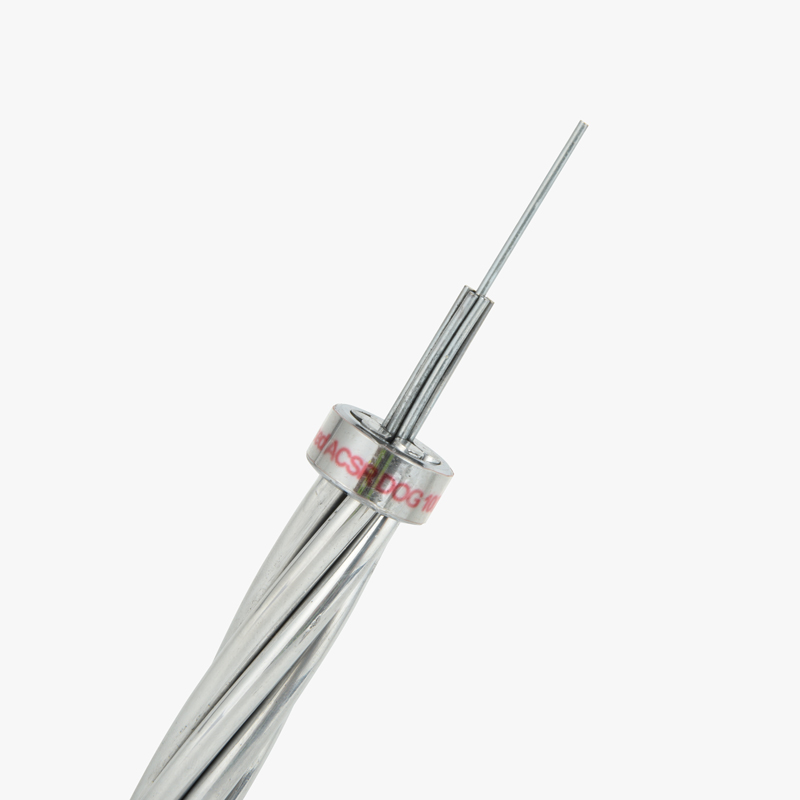
From a technical perspective, UHV cable systems require advanced insulation materials, precise conductor design, and rigorous manufacturing standards. As an experienced تولیدکننده, QRUNNING integrates optimized conductor structures, high-purity copper or aluminum, and multi-layer insulation to ensure long-term performance under extreme electrical stress. These characteristics make UHV essential for national grids, cross-regional power delivery, and renewable energy integration.
For large تاجر عمده and utility buyers, UHV is not simply a higher voltage rating—it represents a complete system upgrade that improves transmission density, land utilization, and overall grid reliability.
High-Voltage and Extra-High-Voltage Cable Systems
Understanding HV and EHV Classifications
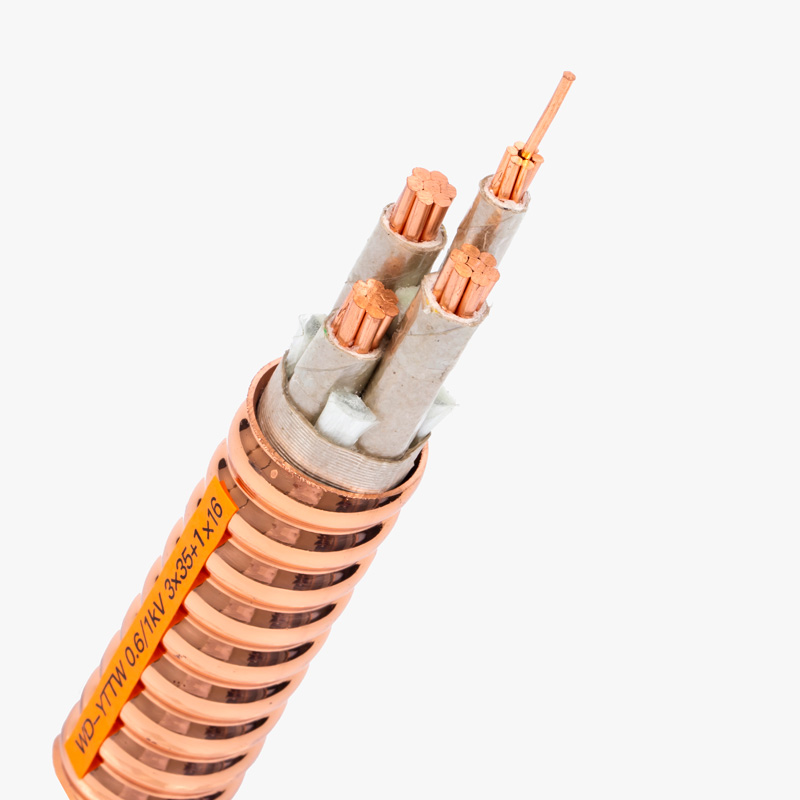
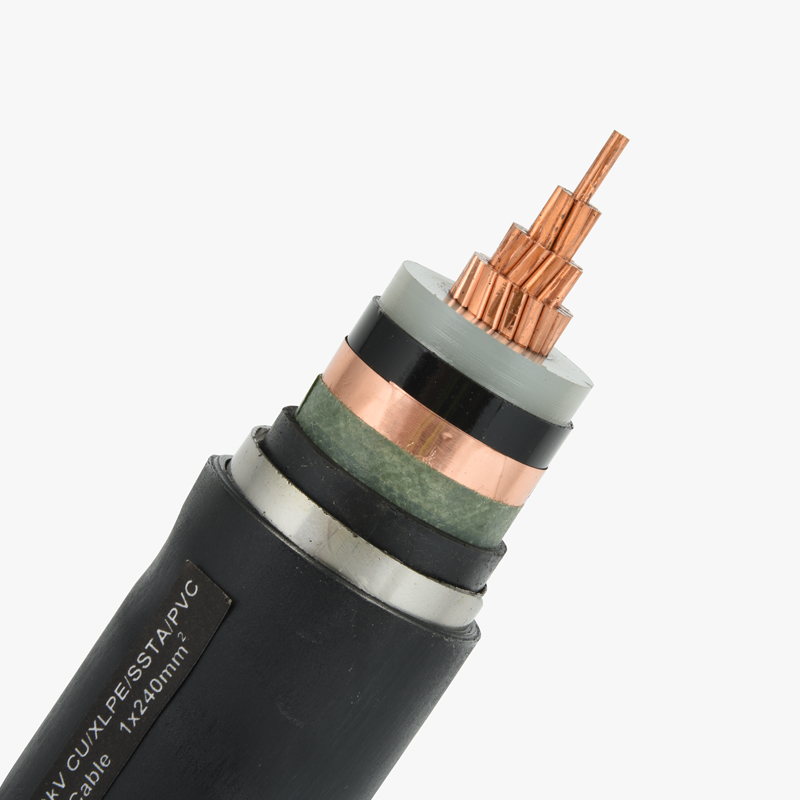
فشار بالا cable systems typically operate between 35kV and 220kV, while EHV systems range from 220kV to 500kV. These technologies remain widely used in urban networks, industrial facilities, and regional transmission lines. However, as power demand increases, the limitations of traditional کابل ولتاژ بالا infrastructure become more apparent.
Extra-high-voltage cable systems improve capacity compared with HV, but still face challenges such as higher line losses and larger corridor requirements over long distances. For power-intensive applications, EHV alone may not provide sufficient efficiency.
Role of Manufacturers and Suppliers
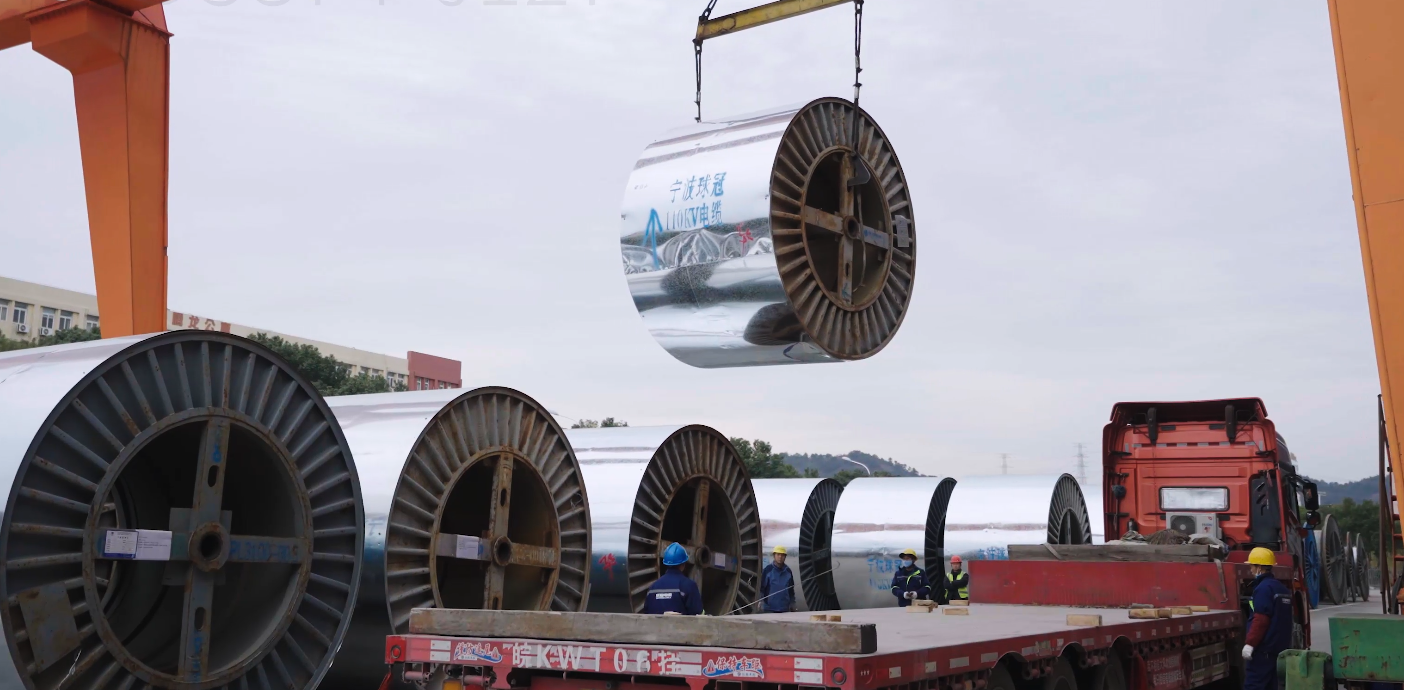
انتخاب درست تأمینکننده is critical when deploying HV or EHV cable systems. Quality control, certification authenticity, and production capacity directly affect project success. QRUNNING operates 10 advanced production lines with a total annual capacity of 200 million meters, ensuring stable supply for contractors and تاجرین عمده across Africa and Asia.
Additionally, QRUNNING provides قابل تنظیم designs, OEM & ODM services, and strict testing procedures, enabling buyers to match cable specifications precisely to their electrical transmission requirements.
How Are Ultra-High-Voltage Transmission Lines Applied?
Large-Scale Power Grid Projects
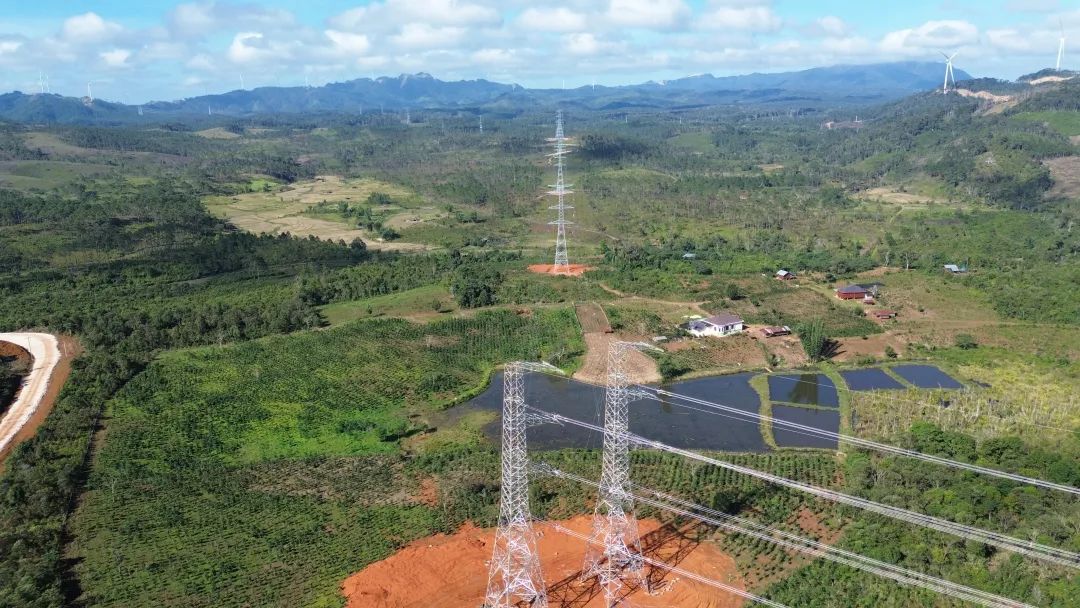
UHV transmission lines are primarily applied in large national and cross-border power grid projects. They enable bulk power transfer from energy-rich regions—such as hydro, wind, or solar bases—to high-demand urban and industrial centers. Compared with HV and EHV, ultra-high voltage cable systems reduce the number of transmission lines required, lowering land use and construction costs.
Applications in Developing Markets
In developing countries, UHV supports rapid industrialization and infrastructure growth. Power engineering contractors and grid companies benefit from improved stability and scalability. As a trusted تولیدکننده serving markets like Kenya, Vietnam, Ethiopia, and Angola, QRUNNING supports these projects with reliable logistics, compliant certifications, and consistent quality.
Industrial and Renewable Energy Integration
UHV is also critical for integrating renewable energy into modern grids. Long-distance electrical transmission allows clean energy to be delivered efficiently from remote generation sites. For industrial users and EPC contractors, UHV ensures continuous power supply while reducing operational risk.
By partnering with an experienced تأمینکننده like QRUNNING, buyers gain access to technically proven, قابل تنظیم UHV, EHV, and HV cable solutions that meet international standards and long-term performance expectations.
نتیجهگیری
UHV transmission represents the future of efficient, large-scale electrical transmission. By understanding HV, EHV, and UHV systems and choosing a reliable Manufacturer, buyers can achieve safer, more economical, and future-ready power networks.