آیا تأخیرها، کیفیت ناپایدار و گواهینامههای نامعتبر، پروژههای کابل شما را متوقف کردهاند؟
بسیاری از خریداران—بهویژه آنهایی که از مناطق در حال توسعه تأمین میکنند—با cable کیفیت ناپایدار، تحویل دیرهنگام و حتی گواهینامههای جعلشده دستوپنجه نرم میکنند. این مشکلات اغلب ناشی از کنترل ضعیف تولید و تجهیزات قدیمی است. چنین مسائلی میتوانند باعث تأخیر در پروژهها، افزایش هزینهها یا شکست در مناقصه شوند. راهحل در انتخاب یک تأمینکننده باتجربه نهفته است تولیدکننده با تولید کامل درونسازمانی. QRUNNING با بیش از 30 سال تخصص و 10 خط تولید، تأمین قابلاعتماد، wholesale مدیریت دقیق کیفیت و خدمات کامل قابل سفارشیسازی OEM/ODM برای کابلهای برق با کارایی بالا ارائه میدهد.
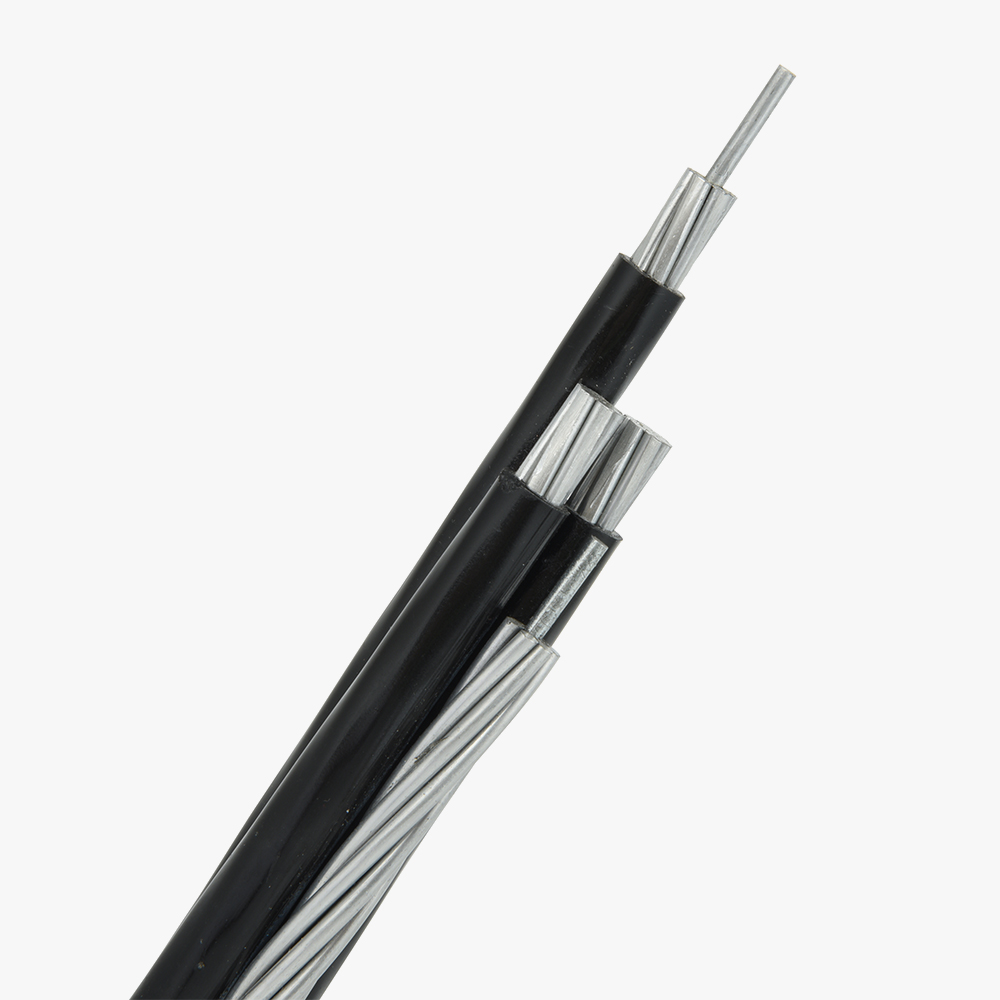
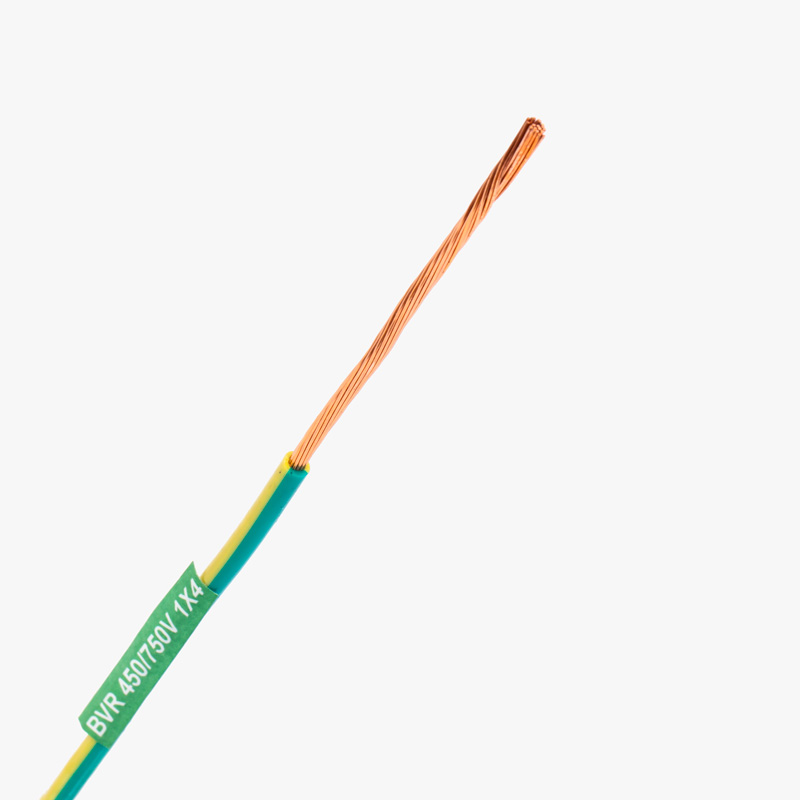
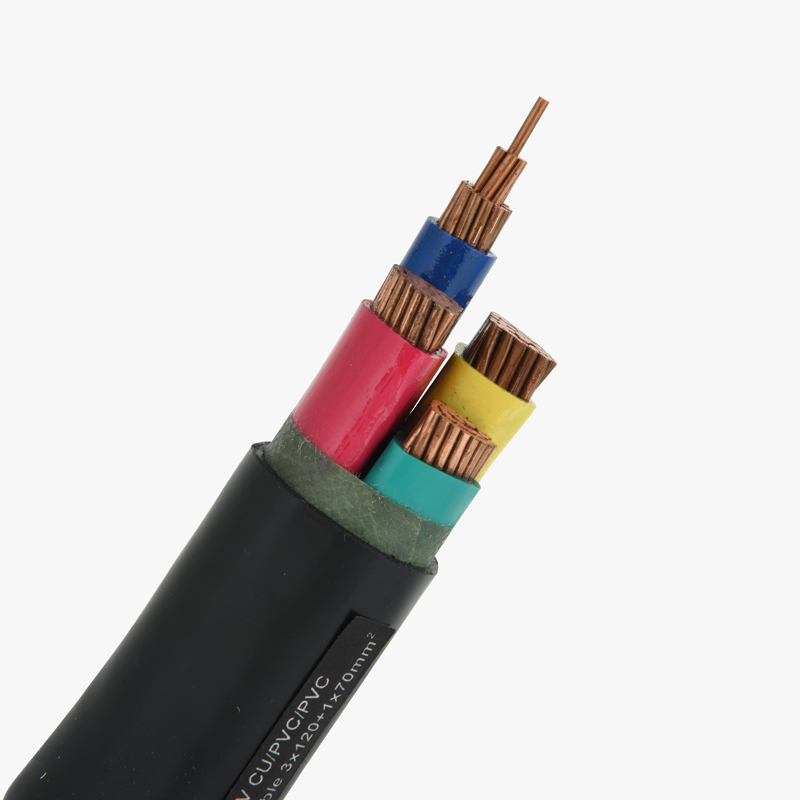
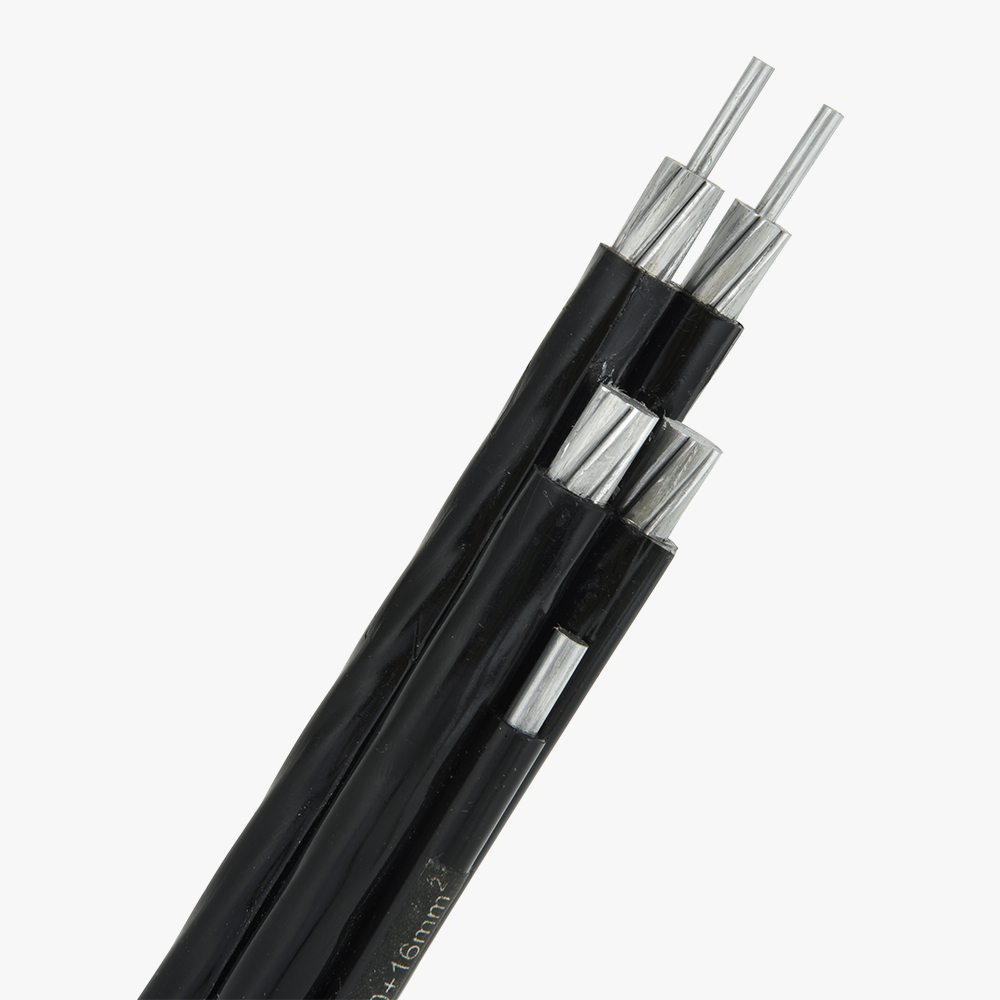
تولید کابل شامل انتخاب مواد اولیه، تولید هسته رسانا، اکستروژن عایق، شیلدینگ، اکستروژن روکش، آزمون و بستهبندی نهایی است.
این مقاله هر مرحله را بهروشنی توضیح میدهد تا بتوانید با اطمینان تأمین کنید و از اشتباهات پرهزینه جلوگیری کنید.
انتخاب مواد اولیه
تولید کابل باکیفیت با انتخاب دقیق مس, aluminium, پلیمرها و افزودنیها. یک تأمینکننده قابلاعتماد تأمینکننده بر خلوص و یکنواختی تأکید دارد، زیرا مواد رسانا مستقیماً بر عملکرد الکتریکی تأثیر میگذارند، در حالی که عایق و sheath ترکیبات، ایمنی و دوام را تعیین میکنند.
در QRUNNING، هر بچ از مواد اولیه تحت آزمونهای هدایتپذیری، آزمون کشش و تحلیل ناخالصی قرار میگیرد. برای تاجر عمده و پروژههای پیمانکاری، کیفیت پایدار مواد اولیه عملکردی یکنواخت را در حجمهای بالا تضمین میکند و خطرات داغشدن بیشازحد، اتصال کوتاه یا خرابی زودهنگام کابل را کاهش میدهد.
تولید هسته رسانا
کشش سیم
اولین گام، کشیدن مس یا aluminium میلهها به سیمهای نازک با استفاده از قالبهای دقیق است. کشش و دمای کنترلشده از ایجاد ریزترکها جلوگیری کرده و قطر یکنواخت را تضمین میکنند.
Stranding
سپس چندین رشته بهصورت تابیده، به رساناهایی انعطافپذیر و با استحکام بالا تبدیل میشوند. ساختارهای مختلف—مانند هممرکز، فشرده یا قطاعی—بسته به رده ولتاژ و الزامات نصب بهکار میروند.
یک حرفهای تولیدکننده کشش پایدار در تاباندن رشتهها را تضمین میکند که رسانایی را بهبود میدهد و تلفات الکتریکی را کاهش میدهد. خطوط خودکار QRUNNING هندسهای قابلاعتماد برای هادی در کاربردهای ولتاژ متوسط و ولتاژ بالا فراهم میکنند.
اکستروژن عایق
اکستروژن با استفاده از موادی مانند XLPE یا PVC یک لایه محافظ پیرامون هادی ایجاد میکند. این مرحله بسیار مهم است، زیرا عایق، سطح ولتاژ نامی کابل، مقاومت حرارتی و طول عمر آن را تعیین میکند.
تجهیزات پیشرفته اکستروژن دما، فشار و دقتِ مرکزگیری را بهصورت بلادرنگ پایش میکنند. QRUNNING برای کابلهای پرفورمنس بالا از اکستروژن سهلایه استفاده میکند و یکنواختی ضخامت را تضمین کرده و شکافهای هواییِ منجر به تخلیه جزئی را از بین میبرد.
اعمال شیلد
برای کابلهای ولتاژ متوسط و ولتاژ بالا، شیلدینگ میدانهای الکتریکی را کنترل کرده و ایمنی را بهبود میدهد. این فرایند معمولاً شامل لایههای نیمههادی و شیلد فلزی است.
شیلد نیمههادی
یک لایه نیمههادی داخلی و یک لایه نیمههادی خارجی، توزیع یکنواخت میدان الکتریکی را تضمین میکنند. اتصال مناسب با عایق از تخلیه داخلی جلوگیری میکند.
شیلد فلزی
نوار یا سیمهای مسی برای ایجاد پیوستگی اتصال زمین و حفاظت در برابر خطا بهکار میروند. یک رویکرد متمرکز بر کیفیت تأمینکننده در طول پیچش، کشش و همپوشانی یکنواخت را حفظ میکند تا از نقاط داغ و اعوجاج میدان جلوگیری شود.
اکستروژن روکش
لایه بیرونی sheath از کابل در برابر رطوبت، مواد شیمیایی، سایش و تابش UV محافظت میکند. مواد رایج شامل PVC، PE و ترکیبات LSZH هستند.
در حین اکستروژن، پارامترهای کیفی مانند ضخامت، چسبندگی و کیفیت سطح بهدقت پایش میشوند. QRUNNING ارائه میدهد قابل سفارشیسازی گزینههای روکش را برای برآورده کردن الزامات محیطی، صنعتی یا مقاوم در برابر آتش که پیمانکاران و شرکتهای شبکه مطالبه میکنند، ارائه میدهد.
کنترل کیفیت و آزمون
هر مرحله تولید با آزمونهای مکانیکی، الکتریکی و ابعادی دنبال میشود. این موارد شامل آزمونهای تحمل ولتاژ بالا، ازدیاد طول، مقاومت هادی، آزمون جرقه، بررسی برونمرکزی عایق و ارزیابیهای مقاومت در برابر پیرشدگی است.
QRUNNING به استانداردهای IEC، BS و استانداردهای محلیِ موردنیاز در آفریقا و جنوبشرقی آسیا پایبند است. آزمایشگاههای دارای گواهی و سامانههای کامل ردیابی، اطمینان میدهند که مشتریان هرگز با خطر گواهیهای جعلی یا تأییدنشده مواجه نشوند—یکی از بزرگترین دغدغههای خریداران بینالمللی.
مونتاژ نهایی و بستهبندی
پس از تأیید، کابلها بر اساس نیازهای پروژه برش داده میشوند، بهصورت کلاف پیچیده میشوند یا روی قرقره بستهبندی میشوند. بستهبندی مناسب از آسیبهای ناشی از حملونقل محافظت میکند و تخلیه را در محلهای ساختوساز آسانتر میسازد.
برای تاجر عمده برای سفارشها، QRUNNING درامهای صادراتی تقویتشده، محافظت در برابر رطوبت، برچسبگذاری شفاف و برنامههای بارگیری انعطافپذیر ارائه میدهد تا ترخیص گمرکی روان و تحویل بهموقع تضمین شود.
نتیجهگیری
شناخت هر مرحله از تولید به شما کمک میکند تا گزینهای قابلاعتماد تولیدکننده و برای پروژههای خود کابلهای باکیفیت و بادوامی را تأمین کنید.