نقش مرکزی پرکنندهها: چرا نمیتوان کابلها “توخالی” بودند؟
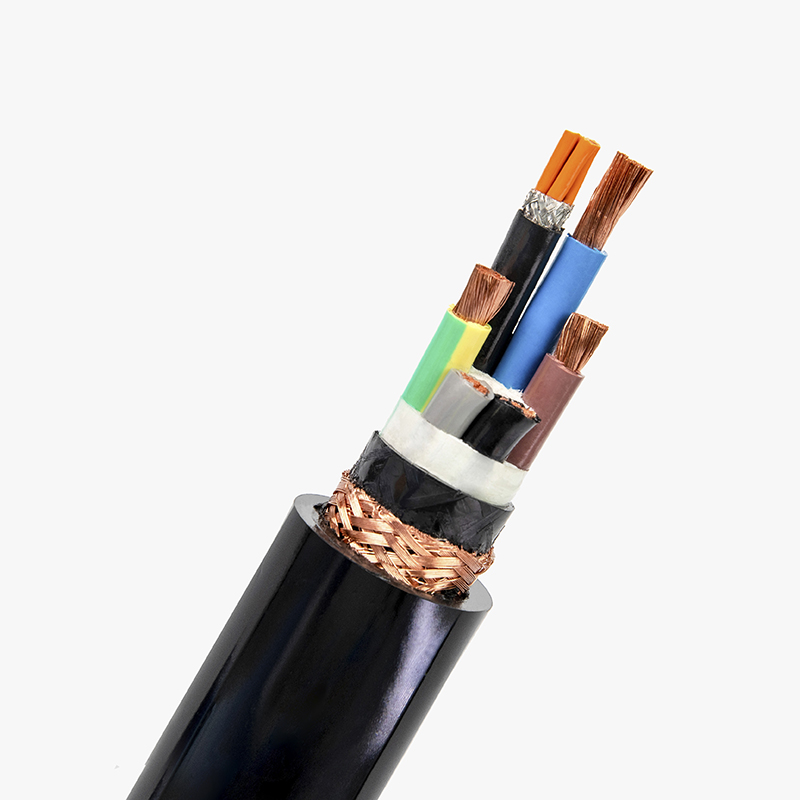
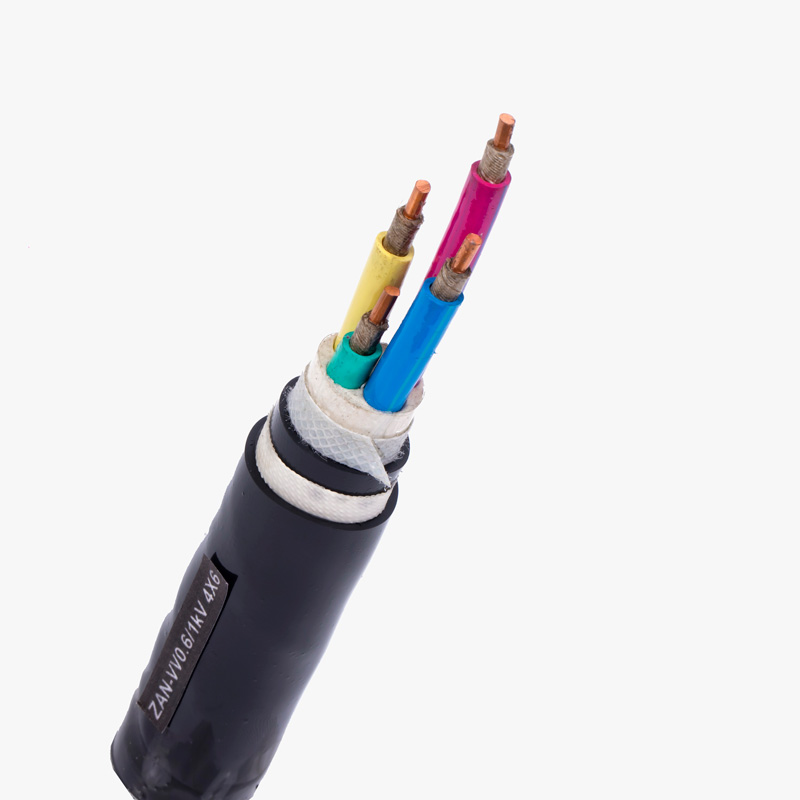
پرکنندهها در کابلها فقط برای ظاهر نیستند - آنها برای ساختار ضروری هستند. وقتی چند هادی به هم تابیده میشوند، شکافهای طبیعی بهجا میگذارند. پرکنندهها این فضاها را پر کرده و شکل گرد کابل را حفظ میکنند و از جابجایی داخلی جلوگیری کرده و توزیع فشار یکنواخت را در طول عایقکاری و پوششگذاری تضمین میکنند. بدون پرکنندهها، استرس مکانیکی نابرابر میشود و خطر پارگی عایق، تغییر شکل در حین خم شدن و کاهش دوام در طول زمان افزایش مییابد.
طناب PP در برابر طناب کنفی در برابر نخ مقاوم در برابر آب: کدام بهتر است؟
مواد پرکننده بهطور مستقیم بر روی استحکام مکانیکی، وزن، مقاومت در برابر رطوبت و هزینه کابل تأثیر میگذارد. در زیر مقایسهای از عملکرد سه نوع معمول پرکننده در تولید کابلهای برق آورده شده است:
| مواد | قدرت مکانیکی | انعطافپذیری | مقاومت در برابر رطوبت | هزینه | مناسبت کاربری |
|---|---|---|---|---|---|
| طناب PP | بالا | متوسط | عالی | پایین | کابلهای برق عمومی |
| طناب کنفی | متوسط | بالا | ضعیف | متوسط | کابلهای سنتی، فشار پایین یا داخلی |
| نخ مقاوم در برابر آب | متوسط | متوسط | عالی (با خاصیت مسدودکننده آب) | بالا | محیطهای با ولتاژ بالا و مستعد آب |
طناب PP بهواسطۀ استحکام و مقاومت در برابر رطوبت خود با قیمت رقابتی بهطور گستردهای مورد استفاده قرار میگیرد. طناب کنفی انعطافپذیری بهتری را ارائه میدهد اما در شرایط مرطوب دوام ندارد. نخ مقاوم در برابر آب، اگرچه گرانقیمت است، اما در کابلهای با عملکرد بالا که در معرض آب یا نصبهای زیرزمینی قرار دارند، حیاتی است.
چگونه “گردی” بر کیفیت شکلگیری کابل تأثیر میگذارد
حفظ شکل گرد کابل تنها برای ظاهر نیست - این تأثیر جدی بر عملکرد کلی دارد. یک کابل خوب گرد، ضخامت یکنواخت عایق و پوشش مؤثر را تضمین میکند و از نقاط ضعیف جلوگیری میکند. اشکال نامنظم ناشی از انتخاب نادرست پرکننده منجر به استرس فشاری بر هادیها، دفع حرارت نادرست و ناهماهنگی عایق میشود. گردی همچنین نصب کابل را آسانتر میکند، بهویژه در کانالها یا سینیها و احتمال آسیب در نصب را کاهش میدهد. طراحی مناسب پرکننده اطمینان میدهد که ثبات ابعادی از تولید تا استقرار حفظ شود.
طراحیهای خاص پرکننده برای انواع مختلف کابل
کابلهای مقاوم در برابر آب: یُنهای متورم برای محافظت از موانع
پرکنندههای مقاوم در برابر آب از یُنهای پلیمر فوق جاذب استفاده میکنند که با تماس با رطوبت متورم میشوند و مانع ژلمانند تشکیل میدهند. این مانع از مهاجرت آب در طول هسته کابل جلوگیری میکند و از انسجام هادی در نصبهای زیرزمینی یا غوطهور محافظت میکند.
کابلهای انعطافپذیر: پرکنندههای مقاوم در برابر تاب خوردگی
کابلهای انعطافپذیر که در روباتیک یا تجهیزات دینامیک استفاده میشوند به پرکنندههای مقاوم در برابر تاب خوردگی متکی هستند—عموماً رشتههای نرم PP یا مبتنی بر بافت که دارای کشش بهبودیافته هستند. این پرکنندهها از خم شدن مکرر پشتیبانی کرده و در عین حال استرس داخلی را به حداقل میرسانند و از شکست هادی جلوگیری میکنند.
کابلهای مقاوم در برابر آتش: همافزایی با طراحیهای کم دود و بدون هالوژن
در کابلهای مقاوم در برابر آتش، پرکنندهها نباید سوزش را تحریک کنند. الیاف شیشهای غیر بافته یا PP با عملکرد کم کننده آتش برای افزایش مقاومت در برابر آتش و کاهش دود استفاده میشود. این پرکنندهها ترکیبات LSZH را برای نصب کابلهای ایمنتر در ساختمانها و تونلهای عمومی تکمیل میکنند.
موارد_failure: انتخابهای ضعیف پرکننده و پیامدها
انتخاب نادرست پرکننده میتواند منجر به شکستهای پرهزینه شود. یکی از مثالها شامل یک کابل کم ولتاژ نصب شده در یک منطقه گرمسیری بود که از رشته کنف به عنوان پرکننده استفاده کرده بود. با گذشت زمان، رطوبت پرکننده را خراب کرد و منجر به ورم داخلی و پارگی عایق شد. در مورد دیگر، یک کابل زیر دریایی با ولتاژ بالا فاقد رشتههای قابل گسترش در آب بود. زمانی که یک نقص رخ داد، آب به طول کامل کابل نفوذ کرد و باعث خاموشی کامل سیستم شد. این شکستها بر این نکته تأکید میکنند که مواد پرکننده قابل تعویض نیستند و باید با محیط استفاده کابل مطابقت داشته باشند.
خلاصه و مشاوره به مشتریان
پرکنندههای کابل نقش آرام اما حیاتیای ایفا میکنند. همیشه پرکنندهها را بر اساس نوع کابل، محیط و انتظارات عملکرد انتخاب کنید. با تامینکنندگان حرفهای مانند QRUNNING مشورت کنید تا مواد پرکننده مناسب برای قابلیت اطمینان درازمدت را تضمین کنید.