آیا پروژههای شما به دلیل عدم اطمینان کامل به عملکرد کابلهای MICC، پیشنهادات خود را از دست میدهند؟
مسئله: بسیاری از خریداران — پیمانکاران، مدیران پروژه و توزیعکنندگان الکتریکی — نگران هستند که کابلهای معدنی عایقدار تحت شرایط سخت شکست بخورند، هزینه زیادی داشته باشند یا دیر برسند که میتواند پیشنهادات را غرق کرده و ساخت و ساز را به تأخیر بیندازد. تحریک: این عدم اطمینان منجر به تأمین محتاطانه، از دست دادن فرصتها و بازسازی پرهزینه میشود، زمانی که کابلهای با کیفیت پایین یا گواهینامههای تقلبی ظاهر میشوند. راه حل: همکاری با یک تولید کننده و تأمینکننده معتبر. در QRUNNING ما کابلهای **MICC** را با بیش از 30 سال تجربه تولید، گزینههای سفارشی OEM/ODM، کنترل کیفیت سختگیرانه و ظرفیت بزرگ کارخانه ارائه میدهیم تا اطمینان حاصل کنیم که تحویلها به موقع برای عمدهفروشان و پیمانکاران بزرگ انجام میشود.
کابلهای معدنی عایقدار (MICC) بهعنوان هادیهای مسی درون هستهای فشرده از اکسید منیزیم و غلاف فلزی طراحی شدهاند که عملکردی ضد حریق، با دمای بالا و طول عمر زیاد برای مدارهای قدرت و ابزار دقیق حیاتی ارائه میدهند.
کنجکاوید که ببینید کابلهای MICC چگونه میتوانند پروفیل ریسک پروژه شما را تغییر دهند؟ ادامه مطلب را بخوانید — این راهنما استفادهها، محدودیتها و عمر مفید را به زبان ساده توضیح میدهد.
کابل عایق معدنی چیست؟
ساخت و مواد
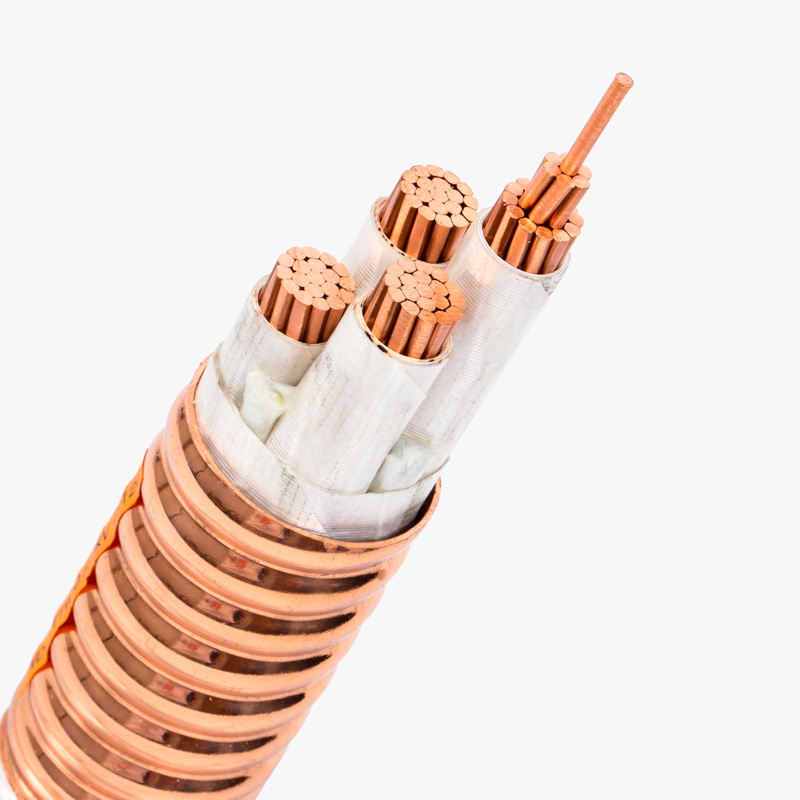
کابلهای عایقشده معدنی (که غالباً به آنها کابلهای MICC میگویند) متشکل از یک یا چند هادی مسی جامد هستند که در یک پودر اکسید منیزیم (MgO) بسیار فشرده قرار گرفتهاند و همگی درون یک غلاف فلزی بدون درز (معمولاً مس، فولاد ضد زنگ یا آلومینیوم) بستهبندی شدهاند. MgO عایق کاری الکتریکی و رسانایی حرارتی عالی را فراهم میکند در حالی که غیرقابل احتراق است. غلاف فلزی هسته را از رطوبت، آسیبهای مکانیکی و محیطهای خورنده محافظت میکند.
چرا این ساختار اهمیت دارد
زیرا ماده عایق از نوع معدنی است نه پلاستیک، کابلهای MICC در دماهای بسیار بالا سالم باقی میمانند، در برابر گسترش آتش مقاومت کرده و مانند بسیاری از کابلهای عایق شده با پلیمر، دود سمی منتشر نمیکنند. برای خریداران — چه عمدهفروش، شرکتهای بزرگ مهندسی یا مدیران تأمین — این بدان معناست که عملکرد قابل پیشبینی در سامانههای ایمنی مهم خواهد بود.
کابل MICC برای چه چیزی استفاده میشود؟
کاربردهای معمول
**کابلهای MICC** بهطور گستردهای در جاهایی که یکپارچگی آتش و قابلیت اطمینان در بلندمدت الزامی است، استفاده میشوند. کاربردهای رایج شامل سیستمهای اعلام حریق، روشنایی اضطراری، کنترل دود، توزیع برق در ساختمانهای مرتفع، تأسیسات نفت و گاز، نیروگاهها و زیرساختهای تونلی است. ایمنی آنها در برابر حرارت و آتش، آنها را به گزینهای ترجیحی برای مدارهای ایمنی زندگی و ارتباطات ضروری تبدیل میکند.
بخشهای صنعتی و مشتریان
به عنوان یک تولید کننده و تأمینکننده به بازارهای بینالمللی، ما شاهد خرید کابلهای MICC توسط پیمانکاران الکتریکی، شرکتهای خدماتی و OEMهای ساختمانی هستیم. آنها برای پروژههایی که نیاز به رعایت گواهی و نگهداری کم در طول دههها دارند، انتخاب اول هستند - یک مزیت بزرگ برای عمدهفروشان و خریداران عمده نگران هزینه کل مالکیت.
معایب کابل MICC چیست؟
هزینه و ملاحظات نصب
در مقایسه با کابلهای استاندارد عایق شده با پلیمر، کابلهای MICC معمولاً هزینه اولیه بالاتری را به دلیل مواد و پیچیدگیهای تولید شامل میشوند. نصب میتواند کار بیشتری را طلب کند: غلاف فلزی و هسته فشرده کابل را کمتر انعطافپذیر میکند، که نیاز به خمیدگی دقیق، اتصالات تخصصی و برقکاران مجرب برای جلوگیری از آسیب در حین کشش یا اتصال دارد.
وزن، انعطافپذیری و اتصالات
محتوای معدنی و غلاف فلزی وزن را افزایش میدهد که میتواند بر حمل و نقل و مدیریت سفارشات بزرگ تأثیر بگذارد. انعطافپذیری محدود است — مسیرهای طولانی و خمیدگیهای تنگ نیاز به برنامهریزی دارند. اتصالات و پایانهها به مجموعههای مناسب و اتصالات مهر و موم شده نیاز دارند؛ اگر به درستی اجرا نشوند، این نقاط ضعفی برای نفوذ رطوبت هستند. به عنوان یک تولید کننده معتبر، QRUNNING مجموعههای کامل پایانه و حمایتهای فنی را تأمین میکند تا اشتباهات در محل را برای مشتریان عمدهفروش و پیمانکار کاهش دهد.
طول عمر MICC چقدر است؟
عمر خدمات مورد انتظار
در شرایط عادی و با نصب صحیح، کابلهای MICC به خاطر طول عمر استثنایی خود شناخته شدهاند. در عملهای صنعتی، عمر خدمات ۴۰ تا ۶۰ سال یا بیشتر معمولا گزارش میشود که برای برنامههای داخلی و خشک است. در محیطهای سخت یا خورنده، انتخاب جنس روکش مناسب (مثلاً فولاد ضد زنگ) و پیروی از روشهای نصب و آببندی توصیهشده برای دستیابی به این عمرها حیاتی است.
عوامل مؤثر بر طول عمر
عوامل کلیدی شامل دمای عملیاتی، تنش مکانیکی، exposure به مواد خورنده، کیفیت اتصالات و پیروی از استانداردهای نصب هستند. یک تأمینکننده و سازنده معتبر گواهینامه، راهنمای نصب و گزینههایی برای مواد و اندازههای روکش قابل تنظیم ارائه خواهد داد — که همه اینها به افزایش عمر واقعی و کاهش هزینههای چرخه زندگی برای خریداران عمده و مالکان پروژه کمک میکند.