При выборе кабелей для различных климатических условий важно всесторонне учесть такие факторы, как температура, влажность, ультрафиолетовое излучение, нагрузки от льда и снега, а также химическую коррозию, чтобы обеспечить долгосрочную надежность и безопасность кабелей. Ниже приведено руководство по выбору кабелей для различных типов климата:
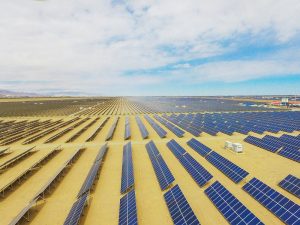
Высокотемпературный сухой климат (например, пустыни, тропические засушливые регионы)
Основные воздействия:
Высокие температуры (долгосрочные >40°C, экстремальные >60°C) ускоряют старение изоляции. Абразия от песка и пыли на наружной оболочке кабеля.
Рекомендации по выбору:
- Материалы, устойчивые к высоким температурам: Выбирайте изоляцию из сшитого полиэтилена (XLPE) (термостойкость до 90°C) или кабели из силиконовой резины (термостойкость до 180°C).
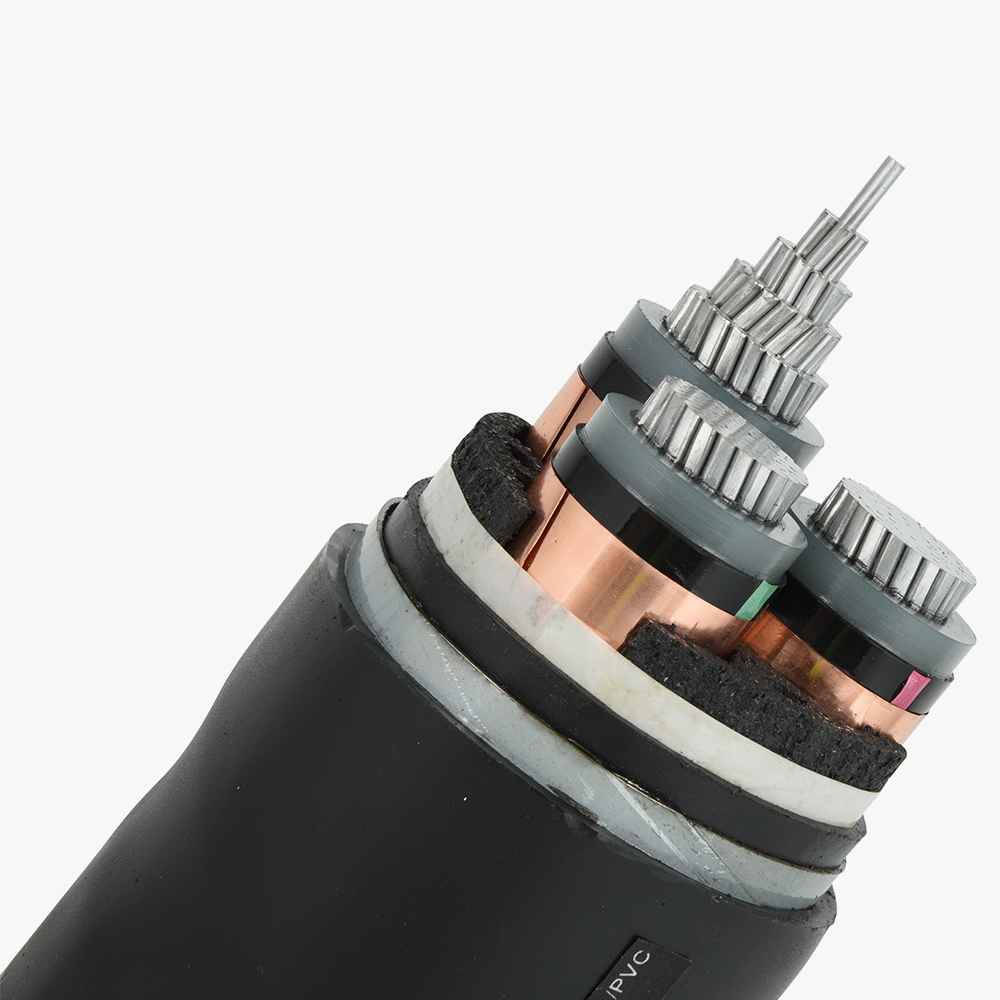
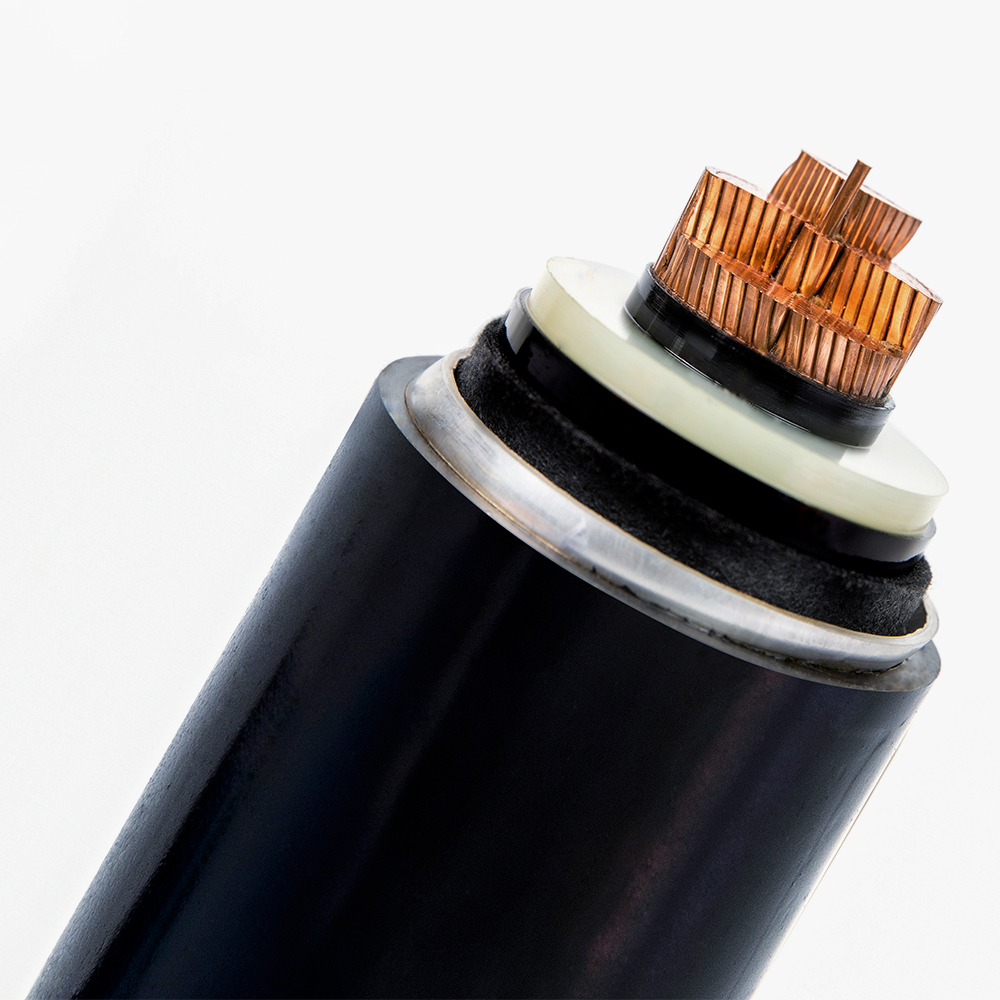
- Степень защиты: Бронированные кабели (например, стальная лента для бронирования), чтобы предотвратить абразию от песка и пыли, или безгалогенная огнестойкая оболочка (например, LSZH).
- Дизайн рассеивания тепла: Предпочитайте кабели с большими сечениями проводника, чтобы снизить выделение тепла из-за протекания тока.
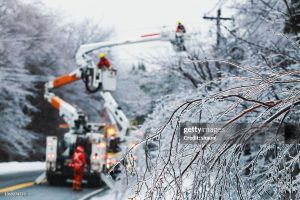
Холодный и ледяной климат (например, Сибирь, северная Канада)
Основные воздействия:
Низкие температуры могут сделать изоляцию хрупкой и подверженной трещинам. Накопление льда также увеличивает напряжение на кабеле и создает риск механических повреждений.
Рекомендации по выбору:
- Материалы, устойчивые к холоду: Используйте этиленпропиленовый каучук (EPR) или изоляцию XLPE, сертифицированную для низких температур, с доказанной эффективностью при -40°C и ниже.
- Гибкие конструкции: Используйте гибкую конструкцию, чтобы предотвратить трещины во время установки и эксплуатации.
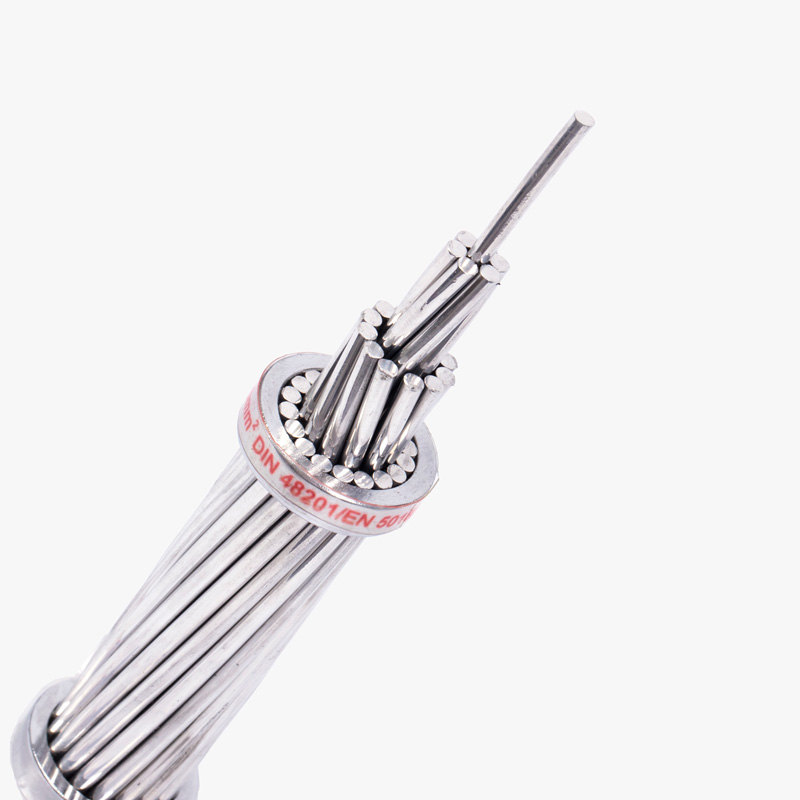
- Усиленная оболочка: Рассмотрите возможность использования самонесущих ABC-кабелей с усиленными оболочками для выдерживания нагрузок от льда.
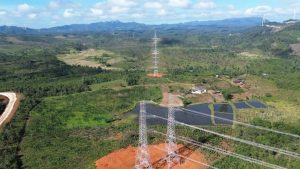
Климат с высокой влажностью (например, Юго-Восточная Азия, бассейн Конго)
Основные воздействия:
Последовательная высокая влажность ускоряет проникновение воды, образование плесени и деградацию изоляции, снижая срок службы и надежность кабеля.
Рекомендации по выбору:
- Дизайн влагозащитного барьера: Используйте водоблокирующие ленты или гели в конструкции кабеля, чтобы предотвратить проникновение воды.
- Выбор оболочки: Предпочитайте влагостойкие оболочки из ПЭ или ПВДХ с плотной конструкцией.
- Противогрибковая обработка: Используйте внешние оболочки с противогрибковыми добавками для защиты от биологической деградации.
Климат с высоким уровнем ультрафиолетового излучения (например, Австралия, юго-запад США)
Основные воздействия:
Длительное воздействие ультрафиолетового излучения разрушает полимерные цепочки в материалах оболочки, что приводит к трещинам, выцветанию и в конечном итоге к выходу изоляции из строя.
Рекомендации по выбору:
- Ультрафиолетостойкие внешние оболочки: Используйте УФ-стойкие материалы, такие как черный ПЭ или ПВХ, обработанный ультрафиолетом, для лучшей работы на прямом солнечном свету.
- Дизайн overhead-кабеля: Для открытых установок выбирайте кабели с УФ-защитой и устойчивостью к погодным условиям.
- Альтернативная прокладка: По возможности проложите кабели под землей или через каналы, чтобы защитить их от УФ-излучения.

Климат прибрежного и химического воздействия (например, портовые районы, химические промышленные зоны)
Основные воздействия:
Солёный туман и химические пары от промышленных процессов могут вызывать коррозию металлических компонентов и деградацию целостности изоляции со временем.
Рекомендации по выбору:
- Защита от коррозии: Выбирайте обцинкованные медные проводники и броню из нержавеющей стали для устойчивости к окислению.
- Химически устойчивые куртки: Используйте кабели с термопластичными эластомерами (TPE) или фторполимерными (например, FEP) оболочками.
- Герметичная конструкция: Выбирайте кабели с двойной изоляцией и заполнением гелем, чтобы минимизировать проникновение коррозионных агентов.
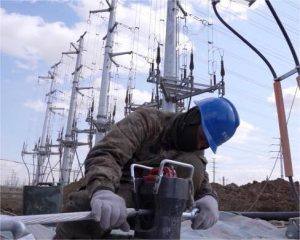
Экономические и операционные преимущества правильного выбора кабелей в зависимости от климата
Правильный выбор кабелей с учетом местных климатических условий значительно продлевает срок службы и минимизирует дорогостоящие поломки. Например, в тропических климатах использование стандартных неконденсато-стойких кабелей может привести к разрушению изоляции в течение 2-3 лет, что может потребовать замены и остановки системы. В отличие от этого, влагостойкие кабели служат более десятка лет с минимальным обслуживанием. Аналогично, кабели, поврежденные УФ-излучением в засушливых регионах, часто страдают от растрескивания оболочки и отключений, в то время как УФ-стабилизированные кабели сохраняют работоспособность до 25 лет. Эти целенаправленные решения снижают общую стоимость владения, повышают надежность проектов и обеспечивают бесперебойную подачу электроэнергии, что жизненно важно как для промышленных пользователей, так и для сетевых приложений.
Кейс-стадии: выбор кабелей в реальных электроэнергетических проектах
- 1. Передача энергии в пустыне, Судан: QRUNNING поставила броннированные кабели с изоляцией XLPE на 132 кВ для линии передачи в пустыне. Эти кабели были разработаны для работы при температуре окружающей среды до 60°C и сильных песчаных ветрах.
- 2. Ветропарк в холодной зоне, Узбекистан: В экстремальных зимних зонах были развернуты гибкие кабели с изоляцией EPR и морозостойкостью до -40°C для подключения ветровых турбин, обеспечивая плавную работу даже во время снежных бурь.
- 3. Установка прибрежной сети, Вьетнам: Для проекта прибрежной подстанции были выбраны обложенные оловом медные кабели с флуоресцентными огнестойкими оболочками, чтобы противостоять соленой влажности и предотвращать коррозионные поломки.
- 4. Городская инфраструктура, Ангола: Для расширения городской сети в влажном климате Анголы под землей были установлены кабели с влагозащитой и противогрибковыми слоями, чтобы снизить риски увлажнения и биологического разложения.
- 5. Проводка солнечной электростанции, Эфиопия: В горных районах с высоким уровнем УФ-излучения использовались черные кабели с защитой от УФ с оболочкой из PE для подключения солнечных панелей к инверторам, выдерживающие дневное УФ-излучение и обеспечивающие более 20 лет работы.
Заключение и рекомендации экспертов
Всегда соответствуйте выбору кабелей местным экологическим вызовам. Кабели, адаптированные к климату, снижают будущие риски, продлевают срок службы и сокращают долгосрочные эксплуатационные расходы. Инвестируйте разумно, чтобы обеспечить долгосрочную инфраструктуру.