Базовое сравнение защитных структур
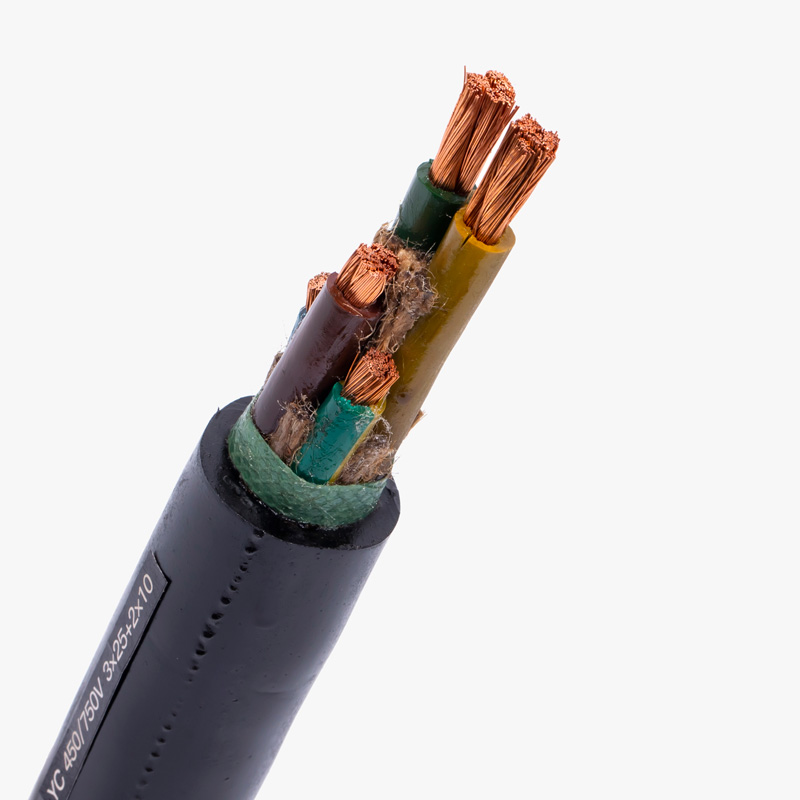
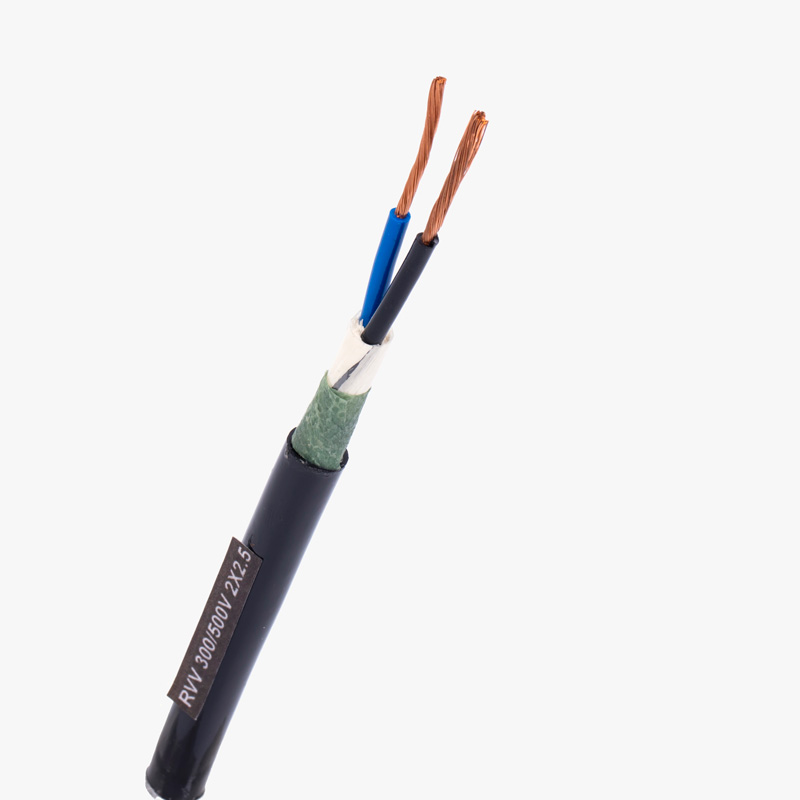
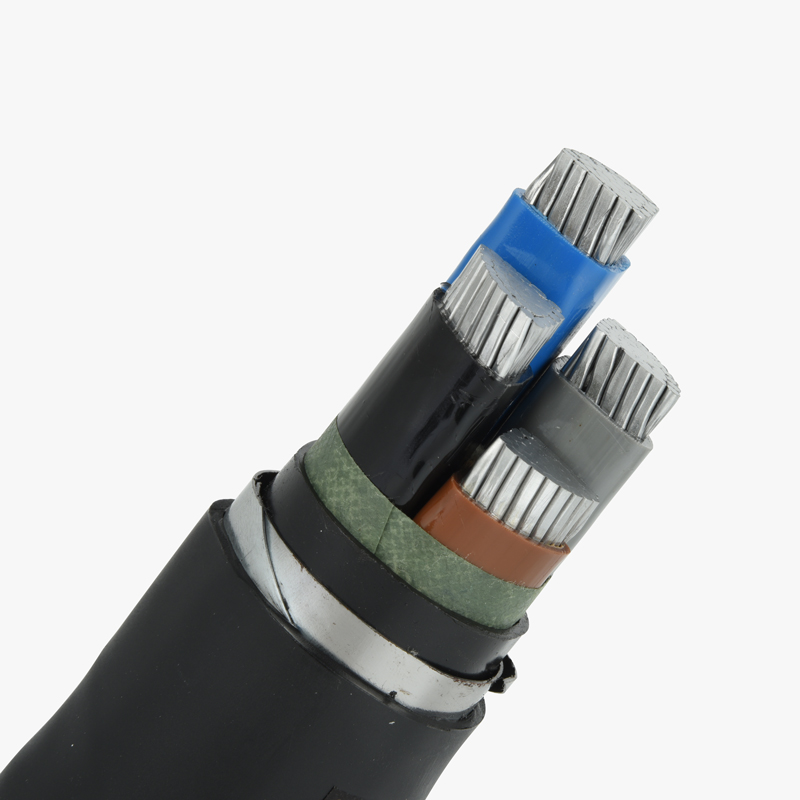
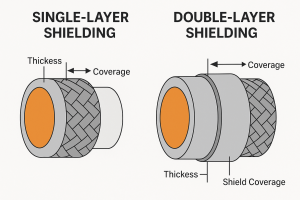
Защищенные кабели используют один или несколько проводящих слоев для блокировки электромагнитных помех (ЭМП). Однослойная защита обычно состоит из плетеной сетки или фольги, обернутой вокруг центрального проводника, обеспечивая умеренную защиту. Двуслойная защита сочетает два слоя — обычно фольгу и плетение — для достижения превосходной производительности по ЭМП в различных частотных диапазонах. Ниже представлено сечение, иллюстрирующее структурные различия, где однослойные защитные экраны, как правило, предлагают покрытие 60–85%, в то время как двуслойные конструкции обеспечивают до 100% с перекрывающимися материалами.
Способности подавления электромагнитных помех (ЭМП)
Элекромагнитные помехи могут значительно повлиять на целостность сигнала, особенно в средах с высокой частотой или в промышленности. Однослойная защита адекватна для базовой защиты, особенно против высокочастотных (ВЧ) ЭМП. Однако она часто оказывается недостаточной для подавления низкочастотного (НЧ) шума, такого как помехи от линий электропередачи или моторов. Двуслойная защита, сочетая как фольгу, так и плетеные компоненты, расширяет защиту как для НЧ, так и для ВЧ спектров, обеспечивая комплексное подавление ЭМП. Это критично в таких приложениях, как промышленный контроль, передача данных или аэрокосмические системы, где непрерывная передача сигнала жизненно важна. Двойной слой формирует более завершенную клетку Фарадея, минимизируя радиационные и проводимые излучения более эффективно.
Гибкость и механические свойства
Однослойные плетеные экранированные кабели более гибкие благодаря уменьшенному использованию материалов и более простой конструкции. Эта гибкость делает их идеальными для мобильных устройств, робототехники или систем, требующих повторяющегося движения. В отличие от этого, двуслойные экраны, хотя и более прочные, вносят дополнительную жесткость. Этот компромисс должен оцениваться в зависимости от потребностей приложения. С точки зрения механических свойств:
| Тип | Радиус изгиба | Прочность на разрыв | Гибкость |
|---|---|---|---|
| Однослойный | 4x диаметр кабеля | 100 Н | Высокий |
| Двуслойный | >6x диаметр кабеля | 150 Н | Умеренный |
Двуслойная защита улучшает прочность на разрыв и обеспечивает лучшую стойкость к абразивному износу, но сопряжена с уменьшенной гибкостью. Таким образом, пользователи должны взвесить защиту против сложности установки и ограничений движения.
Анализ затрат и рентабельности
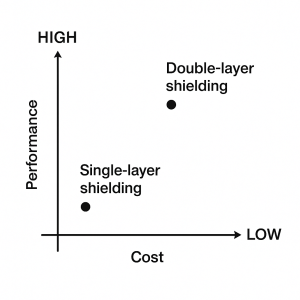
Двуслойная защита увеличивает стоимость материалов примерно на 20–40% в зависимости от конфигурации и используемых типов металлов (например, фольга из алюминия плюс оловянный медный шнур). Тем не менее, эта добавленная стоимость может быть оправдана сокращением потерь данных, деградацией сигнала и сбоями систем в условиях высокой помех. Для принятия обоснованных решений о стоимости:
Дерево принятия решений при выборе
Выбор правильной защитной структуры зависит от приложения, среды и бюджета:
- Высокая среда ЭМП? → Выберите двуслойную
- Низкая ЭМП, требуется высокая гибкость? → Выберите однослойный
- Приложение с ограниченным бюджетом и низким уровнем риска? → Однослойный
- Критическая целостность сигнала или промышленное использование? → Двухслойный
Советы клиенту
Согласуйте характеристики экранирования и механическую гибкость с потребностями вашей системы. Для приложений высокой надежности инвестиции в двухслойное экранирование оправданы.