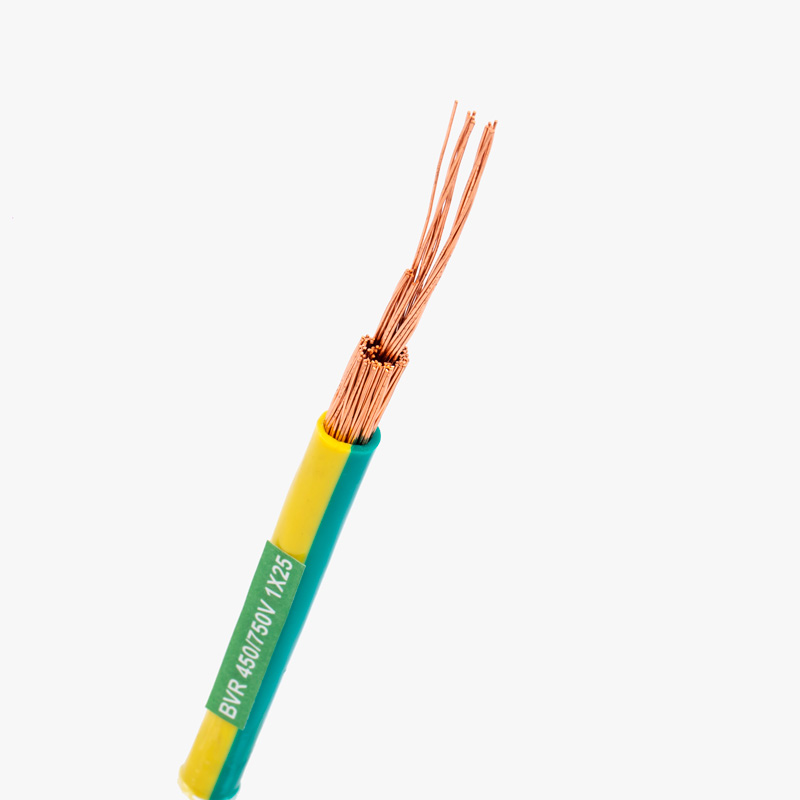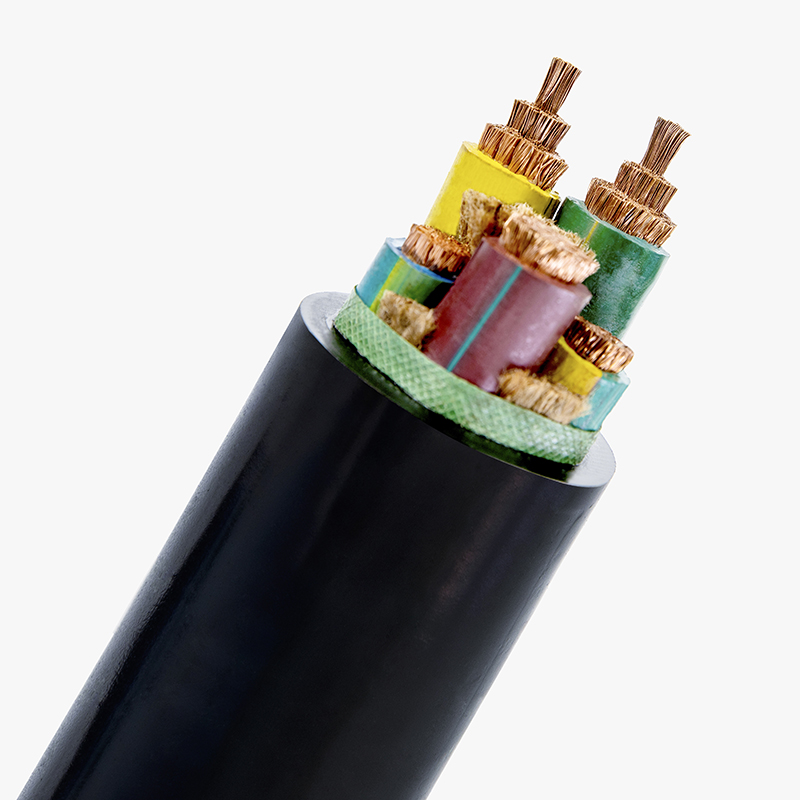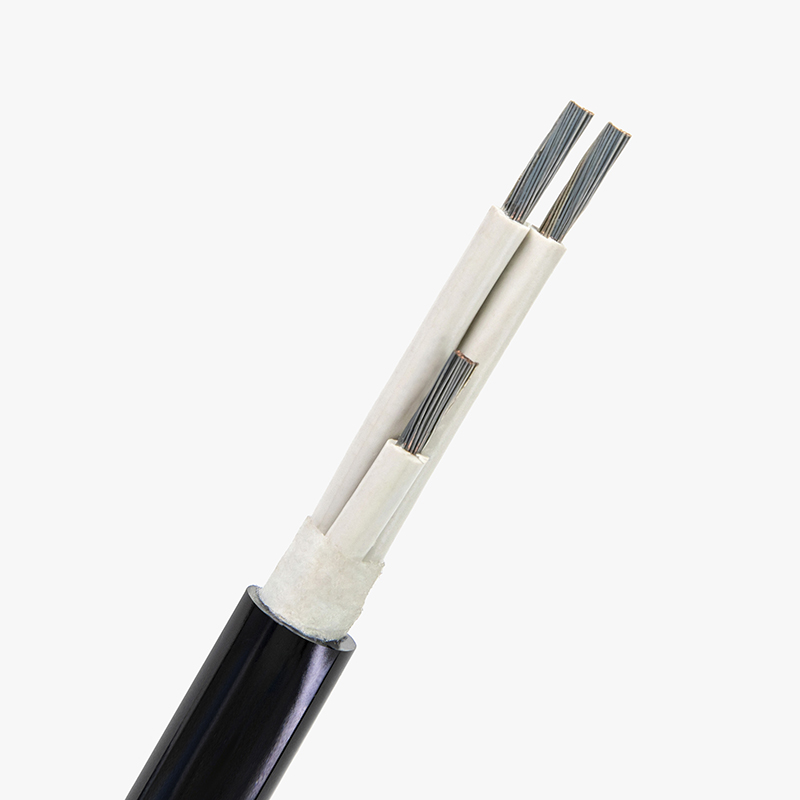
Что такое по-настоящему “безгалогенное”?
Согласно стандарту IEC 60754-1, кабель считается действительно безгалогенным, если он выделяет менее 0,5% водородного галогенида при сгорании. Это означает, что материалы не должны содержать фтор, хлор, бром или йод. Настоящие безгалогенные кабели уменьшают выбросы токсичных газов и коррозию в случае пожара, защищая здоровье человека и электронное оборудование.
Сравнение основных безгалогенных материалов: LSZH против TPU против EVA
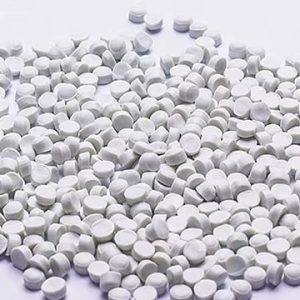
Изоляция и оболочка безгалогенных кабелей используют различные материалы, каждый из которых имеет свои отличительные свойства. Соединения LSZH (с низким дыморазделением и безгалогенные) широко применяются за их низкие выбросы и огнестойкость. TPU (термопластичный полиуретан) предлагает превосходную механическую прочность и устойчивость к abrasion, но по более высокой цене. EVA (этилен-виниловый ацетат) обеспечивает отличную гибкость и простоту обработки, но может жертвовать огнестойкостью. Выбор зависит от требований конкретного применения, таких как гибкость, прочность, стоимость и пожарная безопасность.
| Материал | Безгалогенный | Огнестойкий | Гибкость | Механическая прочность | Цена |
|---|---|---|---|---|---|
| LSZH | Да | Отлично | Средний | Хорошо | Средний |
| TPU | Да | Хорошо | Высокий | Отлично | Высокий |
| EVA | Да | Удовлетворительно | Отлично | Умеренный | Низкий |
“Тестирование ”плотности дыма» безгалогенных кабелей
Генерация дыма является важным показателем безопасности, особенно для закрытых помещений, таких как туннели или метро. Безгалогенные кабели производят гораздо меньше дыма по сравнению с традиционными PVC кабелями. При тестировании плотности дыма (в соответствии с IEC 61034) типичные PVC кабели показывают значения плотности дыма, превышающие 600, что значительно снижает видимость. В отличие от этого, кабели LSZH демонстрируют значения ниже 100, что делает их критически важными для сценариев экстренной эвакуации. Данные показывают, что на расстоянии 3 метров дым от PVC снижает видимость до 0%, в то время как LSZH сохраняет более 60%. Эта производительность не только поддерживает эвакуацию, но также защищает чувствительную электронику от кислотообразной коррозии.
Дебаты о сроке службы безгалогенных кабелей
Хотя безгалогенные материалы являются экологически чистыми, часто считается, что у них более короткий срок службы из-за сниженной устойчивости к УФ-излучению и теплу по сравнению с PVC. Однако современные формулы LSZH значительно улучшили свою прочность, достигая аналогичных показателей срока службы в помещениях или защищенных приложениях. Устаревание остается проблемой лишь в условиях жесткого УФ-излучения или теплоциклирования без дополнительной защиты.
Анализ стоимости: Почему безгалогенные кабели стоят на 30%–50% дороже?
Безгалогенные кабели дороже в основном из-за стоимости сырья — соединения LSZH и TPU дороже, чем PVC. Кроме того, процесс производства требует специализированного экструзионного оборудования и более строгого контроля качества, чтобы обеспечить низкое дымообразование и некоррозионное поведение во время пожаров. Меньшие объемы производства и строгое соблюдение стандартов пожарной безопасности и токсичности дополнительно повышают стоимость.
Заключение и рекомендации для клиентов
Для закрытых или общественных пространств безгалогеновые кабели предлагают важные преимущества в области пожарной безопасности. Мы рекомендуем использовать кабели LSZH для всех чувствительных или населенных помещений, несмотря на несколько более высокую стоимость, для максимальной защиты и соблюдения нормативных требований.