Понимание стандартов безопасности воздушных электрических кабелей
Are you aware of the safety risks associated with overhead electric cables? Overhead power lines are essential for providing electrical energy, but they come with significant hazards that can endanger workers and the public. The causes of these risks typically stem from improper handling, lack of awareness, or failure to follow safety standards. This can lead to serious injuries or fatalities, as well as costly damage to infrastructure. At [Your Company Name], we are dedicated to ensuring the highest standards of safety with our customizable solutions that guarantee secure and efficient operation around overhead power lines. By following stringent safety protocols, we can significantly reduce these risks.
Overhead electric cables are essential for delivering power, but their presence requires strict safety standards to prevent accidents and ensure safe operation.
Understanding how to safely navigate working around overhead electric cables is essential for anyone involved in electrical operations. Keep reading to explore the specific safety standards that help protect both workers and the public.
What is Overhead Electric Cable?
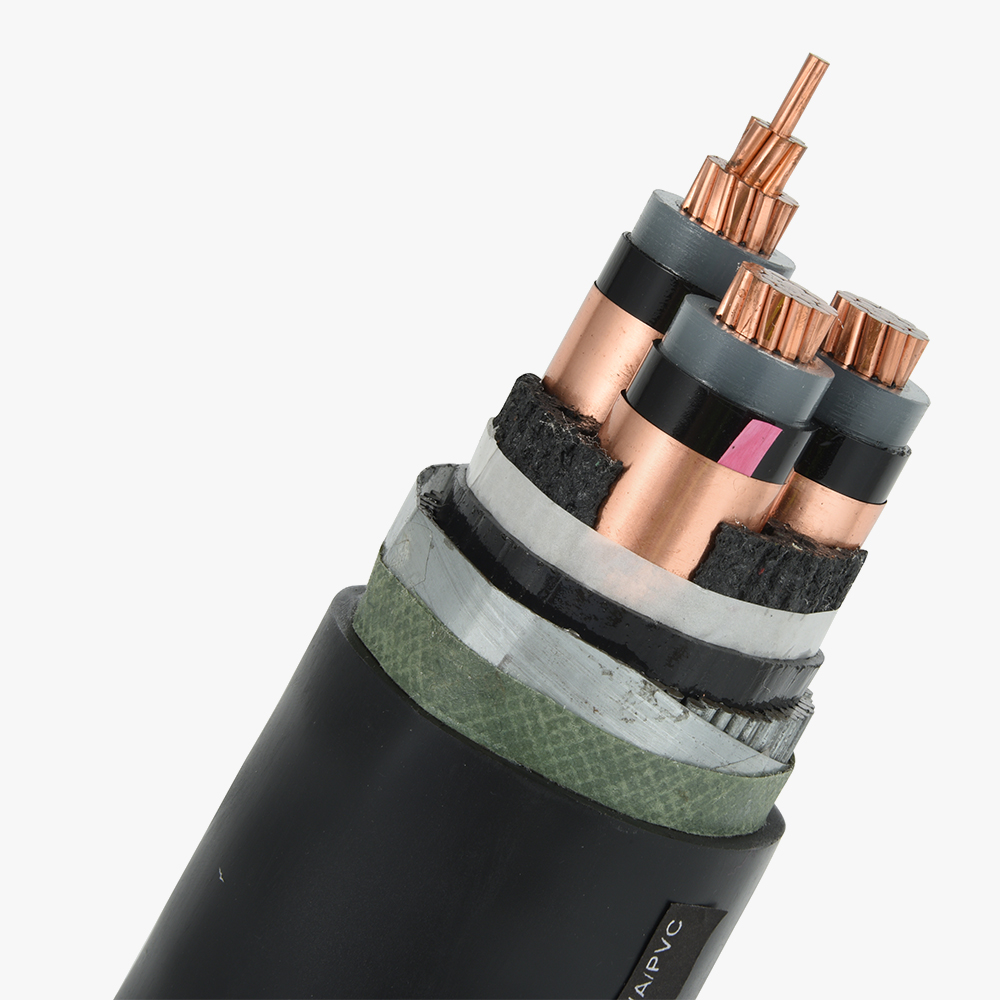
An overhead electric cable is a system of conductors suspended in the air, typically mounted on utility poles or towers, used to transmit electricity over long distances. These cables are vital for providing electrical power to urban and rural areas. They can carry both high-voltage transmission and lower-voltage distribution power, depending on the type of system in place. While these cables serve a critical function in electrical delivery, they pose inherent risks due to their elevated position and the high voltage they carry.


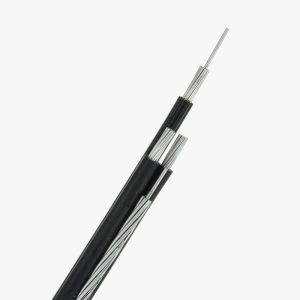
Overhead power lines can be exposed to weather conditions such as storms or lightning, which can further increase the danger. In addition to the risks posed to workers, these lines can be hazardous to the general public if they come into contact with buildings, vehicles, or other structures. Proper installation and adherence to safety standards are crucial to mitigating these risks and preventing accidents.
Understanding the Risks
Working near overhead electric cables involves a number of risks that must be carefully managed. The primary hazard is electrocution, which can occur if workers or individuals accidentally come into contact with the live wires. Electrocution can result in serious injury or death, making it one of the leading concerns when working near or on overhead power lines. Additionally, falling from a height while handling these cables or their supports can lead to fatal accidents.
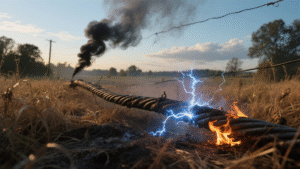
Another significant risk is the potential for fires. A damaged or downed power line can spark fires in dry conditions, causing extensive damage to property and potentially leading to widespread destruction. Furthermore, proximity to live wires can result in electrical arcs, which are powerful enough to ignite flammable materials in the surrounding environment.
What Safety Standards Apply to Overhead Power Lines?
The safety standards for working near overhead power lines are governed by several regulations and guidelines. These include national safety codes, such as the National Electric Safety Code (NESC) in the United States, which provides comprehensive rules for the installation and maintenance of overhead electric cables. These guidelines help to prevent accidents by ensuring that power lines are positioned and insulated properly and that workers maintain a safe distance when performing tasks.
Кроме того, работники должны соблюдать строгие стандарты индивидуальной защиты (СИЗ). СИЗ, такие как резиновые перчатки, изолированные инструменты и подходящая обувь, могут снизить риск поражения электрическим током и травм. Обучение безопасности - еще один критически важный фактор в снижении числа несчастных случаев. Работники должны пройти обучение по распознаванию опасностей, связанных с воздушными линиями электропередачи, и правильным процедурам безопасного обращения с ними.
Почему эти стандарты важны?
Соблюдение стандартов безопасности для overhead electric cables крайне важно для защиты жизни и предотвращения ущерба имуществу. Обеспечивая соблюдение этих рекомендаций, риск электрических несчастных случаев и летальных исходов можно существенно снизить. Более того, соблюдение норм безопасности помогает минимизировать время простоя и затраты на обслуживание, что приводит к более эффективной работе и лучшему рекорду по безопасности.
Для производителей, оптовиков и поставщиков электрического оборудования, включая воздушные линии и кабели, соблюдение этих стандартов безопасности не только обеспечивает благополучие работников и общественности, но также повышает репутацию и надежность компании. В отрасли, где безопасность является высшим приоритетом, предложение индивидуальных решений которые соответствуют этим требованиям, выделяет компанию как лидера на рынке.
Резюме
В заключение, понимание и соблюдение стандартов безопасности воздушных электрических кабелей необходимо для предотвращения несчастных случаев и обеспечения безопасных операций в электрической отрасли.