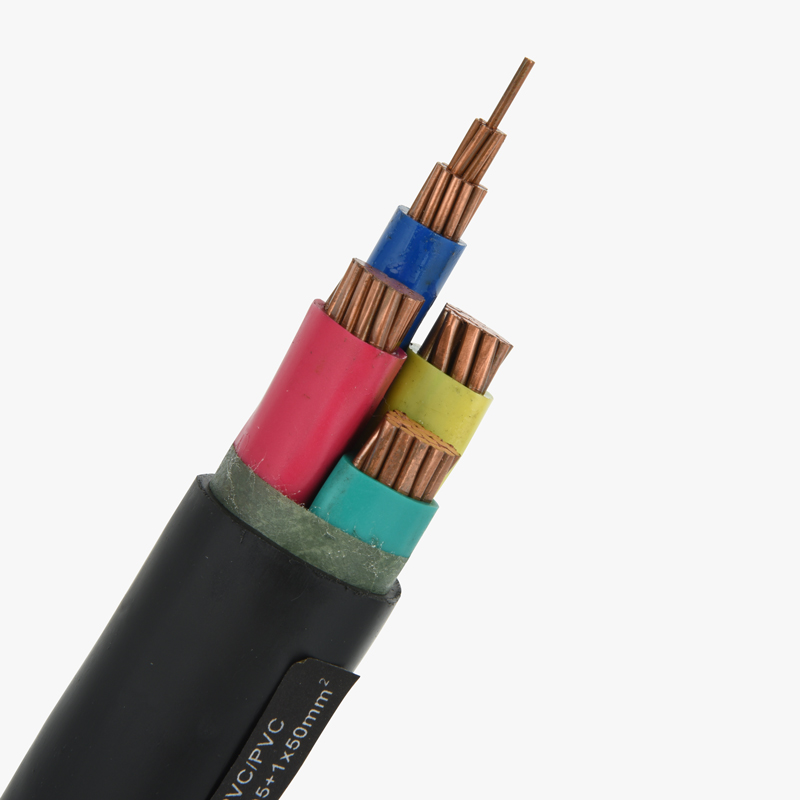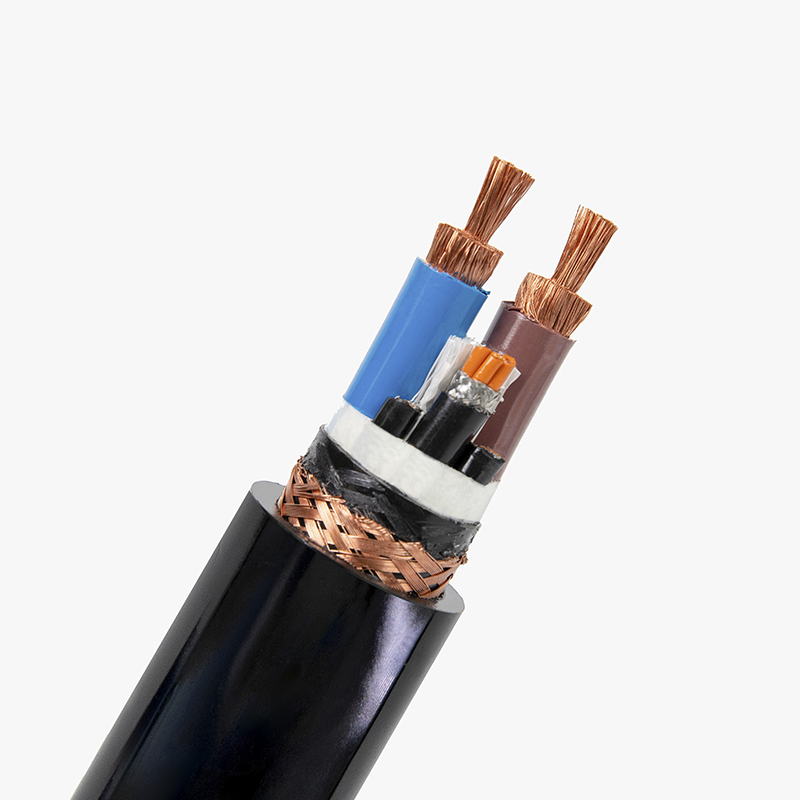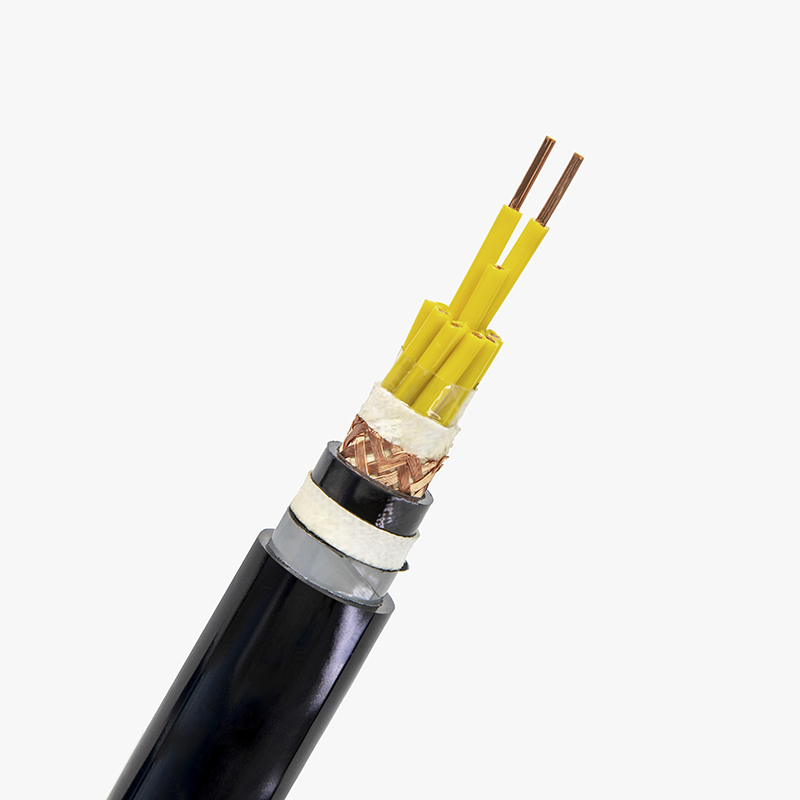
Что такое солнечный кабель?
Солнечный кабель относится к специально разработанному электрическому проводу, используемому для соединения различных компонентов фотогальванической системы. Он играет критическую роль в обеспечении безопасной и эффективной передачи энергии от солнечных панелей к инвертору и далее. Изготавливаемые для устойчивости к экстремальным условиям окружающей среды, солнечные кабели совершенно необходимы для долговременных и стабильных систем солнечной энергии.
Характеристики солнечного кабеля
Солнечные кабели известны своей высокой прочностью, устойчивостью к ультрафиолету и водостойкой изоляцией. Эти кабели, как правило, рассчитаны на высокое напряжение, экстремальные температурные диапазоны и суровые условия внешней среды. Производители качественных солнечных кабелей соблюдают мировые стандарты, обеспечивая превосходную проводимость и долговечность в сферах солнечной энергетики.
Применение солнечных кабелей
Солнечные кабели используются для соединения солнечных панелей, инверторов, распределительных коробок и аккумуляторов в фотогальванических системах. QRUNNING производит солнечные кабели, подходящие для жилых, коммерческих и промышленных проектов солнечной энергии, предлагая услуги OEM и ODM для индивидуальных решений.
Читать дальше, чтобы узнать о типах, применениях и характеристиках солнечных кабелей.
Типы солнечных кабелей
Существует несколько типов солнечных кабелей, используемых в фотогальванических установках, каждый из которых адаптирован к конкретным потребностям и условиям установки. Наиболее распространённые из них включают single-core и multi-core кабели. Одножильные солнечные кабели широко используются благодаря своей простоте и идеально подходят для соединения отдельных солнечных модулей и инверторов. Многожильные кабели, с другой стороны, объединяют несколько проводников в одном кабеле, часто используются в более сложных системах солнечной энергии, где пространство и организация имеют критическое значение.
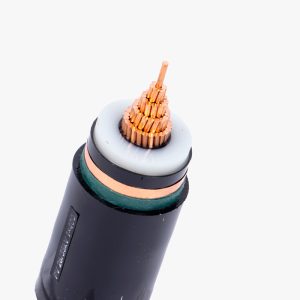
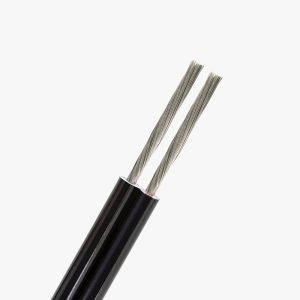
Другим важным типом является DC солнечный кабель, специально разработанный для передачи постоянного тока от солнечных панелей к инвертору. Эти кабели изолированы такими материалами, как XLPE или сшитый полиэтилен, что обеспечивает повышенную устойчивость к тепловому, механическому и ультрафиолетовому воздействию. AC солнечные кабели используются на выходной стороне инвертора, где электричество становится переменным током, и, как правило, следуют различным стандартам изоляции.
QRUNNING, как профессиональный производитель и поставщик солнечных кабелей, предлагает широкий ассортимент солнечных кабелей, рассчитанных на напряжение до 1,5 кВ, подходящих для жестких условий на открытом воздухе. С нашей поддержкой OEM и ODM клиенты могут выбирать индивидуальные длины, цвета и изоляционные материалы, соответствующие конкретным требованиям проекта, обеспечивая эффективность и безопасность в каждой солнечной установке.
Как работает солнечный кабель?
Солнечные кабели работают, передавая электрическую энергию, генерируемую фотогальваническими (PV) панелями, к солнечному инвертору, а оттуда - к распределительным системам или аккумуляторным батареям. Эти кабели сконструированы для передачи постоянного тока от солнечных модулей, который позже преобразуется в пригодный для использования переменный ток инвертором. Правильный выбор солнечного кабеля критически важен для минимизации потерь энергии, падения напряжения и обеспечения безопасности
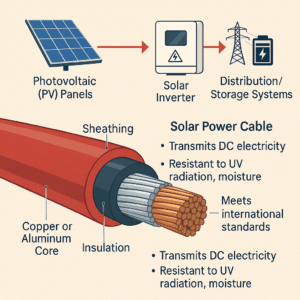 на больших дистанциях.
Солнечные кабели изготавливаются из медных или алюминиевых сердцевин с высокой проводимостью. Изоляционные и защитывающие материалы, обычно это XLPE или резиносодержащие составы, обеспечивают устойчивость к ультрафиолетовому излучению, озону, влаге, маслу и экстремальным температурам. Этот дизайн обеспечивает долговечность и производительность под прямыми солнечными лучами, дождем, снегом и колебаниями температуры, характерными для внешних солнечных установок.
Более того, солнечные кабели должны соответствовать международным стандартам безопасности и качества, таким как сертификаты TUV и IEC. Ведущие поставщики солнечных кабелей, такие как QRUNNING, проводят строгие испытания контроля качества на каждой партии, гарантируя стабильную проводимость, гибкость и устойчивость к окружающим нагрузкам. Используя наши солнечные кабели, клиенты могут избежать распространенных проблем с установкой, неэффективности системы или преждевременного разложения кабелей.
Где используются солнечные кабели?
Солнечные кабели в первую очередь используются в фотоэлектрических (ФЭ) системах в самых разных областях: от жилых крыш и коммерческих зданий до крупных солнечных электростанций и автономных установок. Эти кабели соединяют солнечные панели с распределительными коробками, комбинированными коробками, контроллерами зарядки, инверторами и, в конечном итоге, с электрической сетью или системами хранения. Их прочный дизайн позволяет им выдерживать длительное воздействие внешней среды, что делает их подходящими как для стационарных установок, так и для мобильных комплексов, таких как жилые автофургоны и солнечные лодки.
В промышленных и коммунальных системах солнечной энергетики проложенные кабели могут протягиваться на сотни метров, что требует кабелей, которые сохраняют стабильность напряжения и физическую целостность на расстоянии. Высококачественные солнечные кабели QRUNNING разработаны с учетом этих особенностей, предлагая низкое сопротивление и высокую прочность, чтобы соответствовать требовательным условиям установки. Наш завод оснащен десятью производственными линиями и имеет более 30-летнего опыта в качестве надежного производителя и экспортера солнечных кабелей в такие регионы, как Вьетнам, Кения и Эфиопия.
С ростом глобального спроса на чистую энергию все больше подрядчиков EPC, разработчиков солнечных проектов и дистрибьюторов электрического оборудования обращаются к надежным поставщикам солнечных кабелей, которые предлагают конкурентные цены, проверенные сертификаты и согласованные сроки поставки. QRUNNING соответствует всем этим критериям с подтвержденным опытом работы в B2B оптовой торговле и услугах OEM/ODM.
Сопутствующие статьи:Руководство по выбору кабелей для различных климатических условий
В чем разница между солнечным проводом и кабелем?
Хотя термины “солнечный провод” и “солнечный кабель” часто используются взаимозаменяемо, между ними существуют ключевые технические различия. Солнечный провод обычно относится к одному проводнику, сплошному или многожильному, который может быть изолированным или нет. Он подходит для внутренней проводки в солнечном оборудовании или в условиях, где защита и упаковка не являются необходимыми.
Солнечный кабель, с другой стороны, относится к полному кабельному сборке, которая включает один или несколько проводников, изоляцию и часто внешний рукав. Солнечные кабели разработаны для использования в жестких условиях и, как правило, требуются для наружных солнечных установок. Они обеспечивают защиту от механических нагрузок, УФ-излучения, влаги и химических веществ, что делает их идеальными для соединения солнечных панелей с другими компонентами ФЭ системы.
Кроме того, солнечные кабели обычно имеют рейтинг для более высокого напряжения и диапазонов температур, и они соответствуют более строгим стандартам испытаний и сертификации, таким как TUV, IEC или UL. QRUNNING, как ведущий производитель солнечных кабелей, предлагает как солнечные провода, так и кабели, с индивидуальными решениями для удовлетворения специфических технических и регуляторных требований. При планировании солнечной установки крайне важно проконсультироваться с квалифицированным поставщиком солнечных кабелей, чтобы гарантировать правильный выбор типа кабеля для предполагаемого применения.