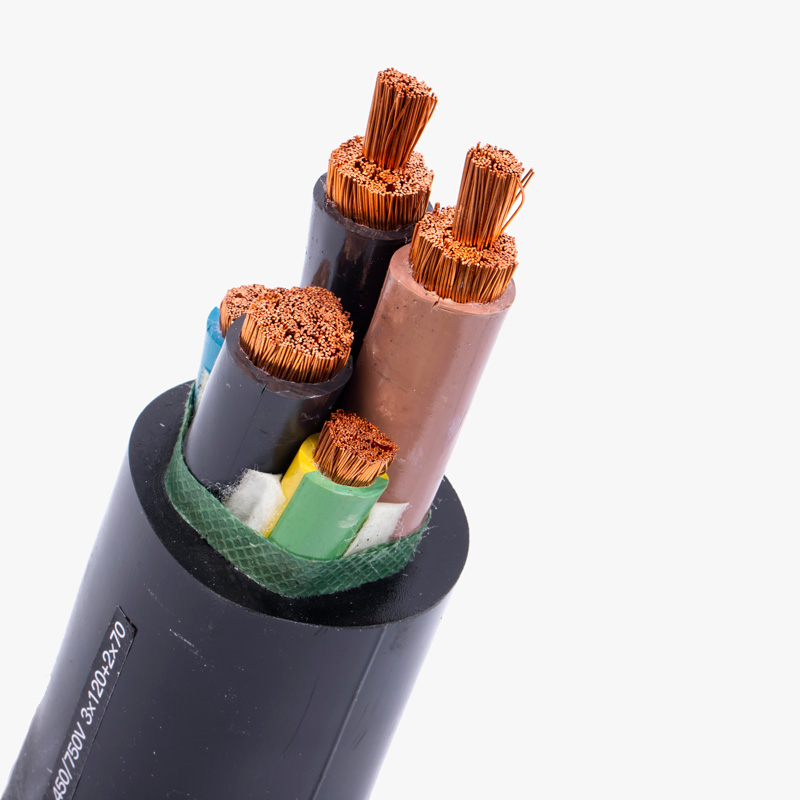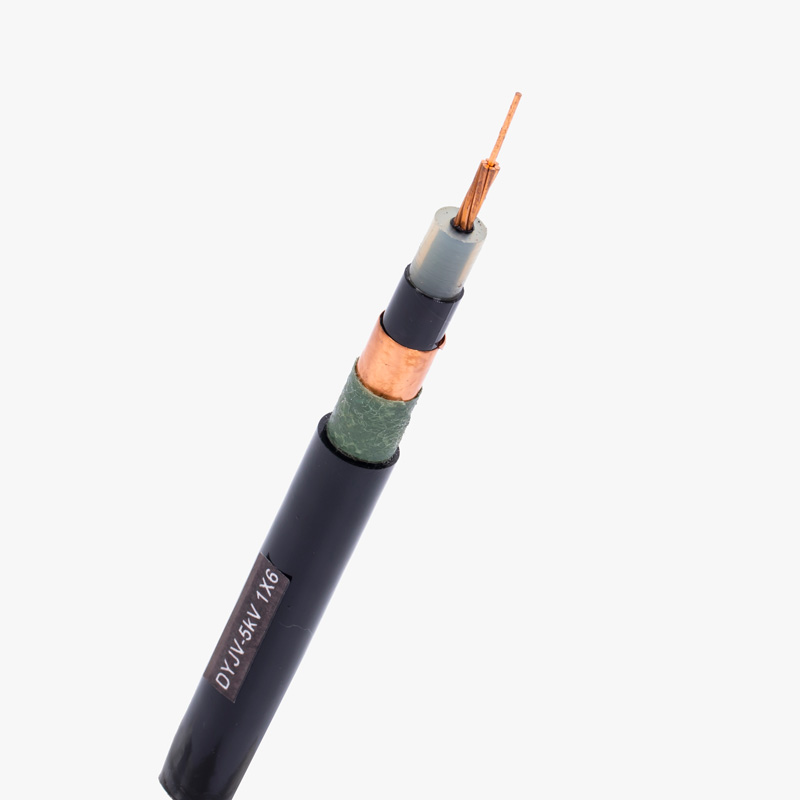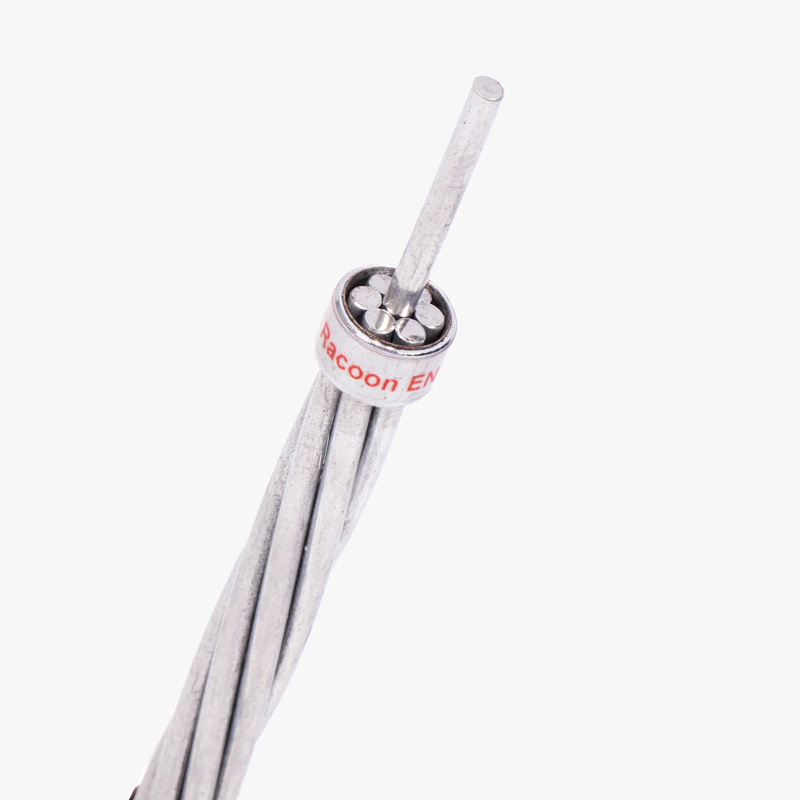
Wakati wa kuchagua nyaya kwa hali tofauti za hali ya hewa, ni muhimu kuzingatia kwa kina mambo kama vile joto, unyevu, mionzi ya ultraviolet, mizigo ya barafu na theluji, na kutu ya kemikali ili kuhakikisha uaminifu na usalama wa muda mrefu wa nyaya. Ifuatayo ni mwongozo wa uchaguzi wa nyaya kwa aina tofauti za hali ya hewa:
Hali ya hewa yenye joto la juu (mfano, jangwa, maeneo ya tropiki yaliyokavu)
Athari za msingi:
Joto la juu (muda mrefu >40°C, kali >60°C) linaongeza uzee wa insulation. Abrasion ya mchanga na vumbi kwenye koti la nje la nyaya.
Mapendekezo ya uchaguzi:
- Vifaa vya kuzuia joto la juu: Chagua insulation ya polyethilini iliyounganishwa (XLPE) (inaweza kustahimili joto hadi 90°C) au nyaya za silikoni (inaweza kustahimili joto hadi 180°C).
- Kiwango cha ulinzi: Nyaya zilizofungwa (mfano, ulinzi wa ajili ya bati la chuma) ili kuzuia abrasion ya mchanga na vumbi, au mipako ya kuzuia moto isiyo na halojeni (mfano, LSZH).
- Mpango wa kuyeyusha joto: Fanya kipaumbele nyaya zenye maeneo makubwa ya sehemu za conductor ili kupunguza uzalishaji wa joto kutokana na mtiririko wa sasa.
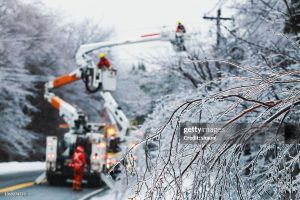
Hali ya hewa baridi na yenye barafu (mfano, Siberia, kaskazini mwa Kanada)
Athari za msingi:
Joto la chini linaweza kufanya insulation kuwa dhaifu na yenye uwezekano wa kupasuka. Kukusanya barafu pia kunazidisha mvutano wa nyaya na kuhatarisha kushindwa kwa mitambo.
Mapendekezo ya uchaguzi:
- Vifaa vya kuzuia baridi: Tumia mpira wa ethilini propilini (EPR) au insulation ya XLPE inayotambulika kwenye joto la chini yenye utendaji uliojaribiwa kwenye -40°C au chini.
- Muundo unaomudu: Tumia ujenzi wa kuweza kunyooshwa ili kuzuia kupasuka wakati wa ufungaji na shughuli.
- Mipako yenye nguvu: Fikiria kutumia nyaya za ABC zenye kujitegemea zenye mavazi yaliyoimarishwa ili kuhimili mizigo ya barafu.
Tabia ya hali ya hewa ya kitropiki yenye unyevu mwingi (mfano, Asia ya Kusini-Mashariki, Bonde la Kongo)
Athari za msingi:
Unyevu wa kila wakati huongeza kuingia kwa maji, kuunda ukungu, na uharibifu wa insulation, kupunguza muda wa uhai na uaminifu wa nyaya.
Mapendekezo ya uchaguzi:
- Mbinu ya kizuizi cha unyevu: Tumia tepu au gels za kuzuia maji ndani ya ujenzi wa nyaya ili kuzuia kuingia kwa maji.
- Chaguo la kinga: Chagua kinga yenye unyevu wa PE au HDPE yenye muundo ulioshikamana vizuri.
- Matibabu ya kinga dhidi ya fangasi: Tumia koti za nje zenye viongeza kinga dhidi ya fangasi ili kujilinda na uharibifu wa kibaolojia.
Tabia ya hali ya hewa ya UV ya juu (mfano, Australia, kusini-magharibi mwa USA)
Athari za msingi:
Mionzi ya UV ya muda mrefu huvunja minu ya polima katika vifaa vya kinga, na kusababisha nyufa, kuharibu rangi, na kushindwa kwa insulation kwa hatimaye.
Mapendekezo ya uchaguzi:
- Koti za nje zenye uthibitisho wa UV: Tumia vifaa vya kuzuia UV kama PE nyeusi au PVC iliyoshughulikiwa kwa UV kwa utendaji bora kwenye mwangaza wa jua moja kwa moja.
- Muundo wa nyaya za juu: Kwa uwekaji wazi, chagua nyaya zilizofichwa na UV, zinazostahimili hali mbaya ya hewa.
- Njia mbadala ya mwelekeo: Mahali inapowezekana, elekeza nyaya chini ya ardhi au kupitia mabomba ili kuwalinda na miale ya UV.

Tabia ya hali ya hewa ya pwani na kukabiliwa na kemikali (mfano, maeneo ya bandari, maeneo ya viwanda vya kemikali)
Athari za msingi:
Ushuru wa chumvi na moshi wa kemikali kutoka kwa shughuli za viwanda unaweza kutunza sehemu za chuma na kuharibu uaminifu wa insulation kwa muda.
Mapendekezo ya uchaguzi:
- Ulinzi wa kutu: Chagua viongozi wa shaba waliotiwa tin na silaha za chuma zisizooza ili kusimama na oxidation.
- Mavazi ya kuzuia kemikali: Tumia nyaya za thermoplastic elastomer (TPE) au fluoropolymer (k.m., FEP).
- Ujenzi uliofungwa: Chagua muundo wa nyaya zenye shingo mbili na gel ili kupunguza kuingia kwa vichocheo vya kutu.
Manufaa ya Kiuchumi na Kazi ya Uchaguzi wa Nyaya Zilizo na Misingi ya Hali ya Hewa
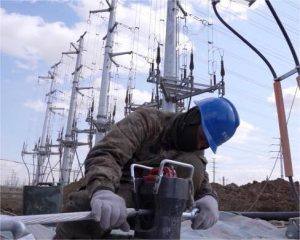
Kuchagua nyaya kwa usahihi kulingana na hali za hali ya hewa za eneo kunaongeza muda wa huduma na kupunguza kuharibika kwa gharama. Kwa mfano, katika hali za joto za kitropiki, kutumia nyaya zisizo na kizuizi cha unyevu kunaweza kusababisha uharibifu wa insulation ndani ya miaka 2-3, na kuhitaji kubadilishwa na kuacha mfumo ukiwa mbovu. Kinyume chake, nyaya zinazozuia unyevu zinaweza kudumu zaidi ya muongo mmoja kwa matengenezo madogo. Vivyo hivyo, nyaya zilizoharibiwa na UV katika maeneo ya jangwa mara nyingi hupata cracks za shingo na kukatika, wakati nyaya zilizothibitishwa na UV zinadumisha utendaji kwa hadi miaka 25. Suluhisho hizi zilizokusudiwa zinapunguza jumla ya gharama ya umiliki, kuongeza uaminifu wa mradi, na kuhakikisha usambazaji wa umeme usiokatishwa, jambo muhimu kwa watumiaji wa viwanda na matumizi ya mtandao kwa kiwango kikubwa.
Kasisi za Kesi: Uchaguzi wa Nyaya Katika Miradi Halisi ya Umeme
- 1. Usafirishaji wa Umeme wa Jangwa, Sudan: QRUNNING ilitoa nyaya za 132kV XLPE zilizopakwa, zikiwa na kinga kwa ajili ya njia ya usafirishaji wa jangwa. Nyaya hizi zilipangwa kustahimili joto la mazingira hadi 60°C na upepo mkali wa mchanga.
- 2. Gridi ya Kiwanda cha Baridi, Uzbekistan: Katika maeneo ya baridi sana, nyaya zinazonyumbulika za EPR zenye uingizaji wa -40°C zilitumika kuunganisha turbines za upepo, kuhakikisha utendaji mzuri hata wakati wa dhoruba za theluji.
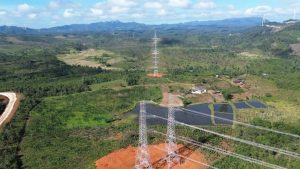
- 3. Kuwekwa kwa Gridi ya Pwani, Vietnam: Nyaya za shaba za tin zilizochaguliwa zenye mavazi ya kupambana na moto yasiyo na halojeni zilitumika katika mradi wa kituo cha pwani, zikikabiliana na unyevu wa chumvi na kuzuia kuharibika kwa sababu ya kutu.
- 4. Miundombinu ya Jiji, Angola: Kwa upanuzi wa gridi ya jiji katika hali ya mvua ya Angola, nyaya za umeme zenye kizuizi cha maji zikiwa na vitu vya kuzuia fangasi ziliwekwa chini ya ardhi ili kupunguza hatari za unyevu na uharibifu wa kibaiolojia.
- 5. Wiring ya Kiwanda cha Jua, Ethiopia: Katika maeneo ya milima yenye UV nyingi, nyaya za PE zenye rangi ya black zinazoweza kuhimili UV zilitumika kuunganisha paneli za jua na inverters, zikistahimili miondoko ya kila siku ya UV na kuhakikisha uendeshaji wa zaidi ya miaka 20.
Hitimisho na Mapendekezo ya Wataalam
Daima ulinganisha uchaguzi wako wa nyaya na changamoto za mazingira za eneo. Nyaya zilizobadilishwa kwa hali ya hewa hupunguza hatari ya baadaye, kuimarisha muda wa huduma, na kupunguza gharama za uendeshaji za muda mrefu. Jitahidi kuwa na uwekezaji wa akili ili kuhakikisha miundombinu ya muda mrefu.