Är du orolig för säkerhetsriskerna med hantering av högspänningskablar?
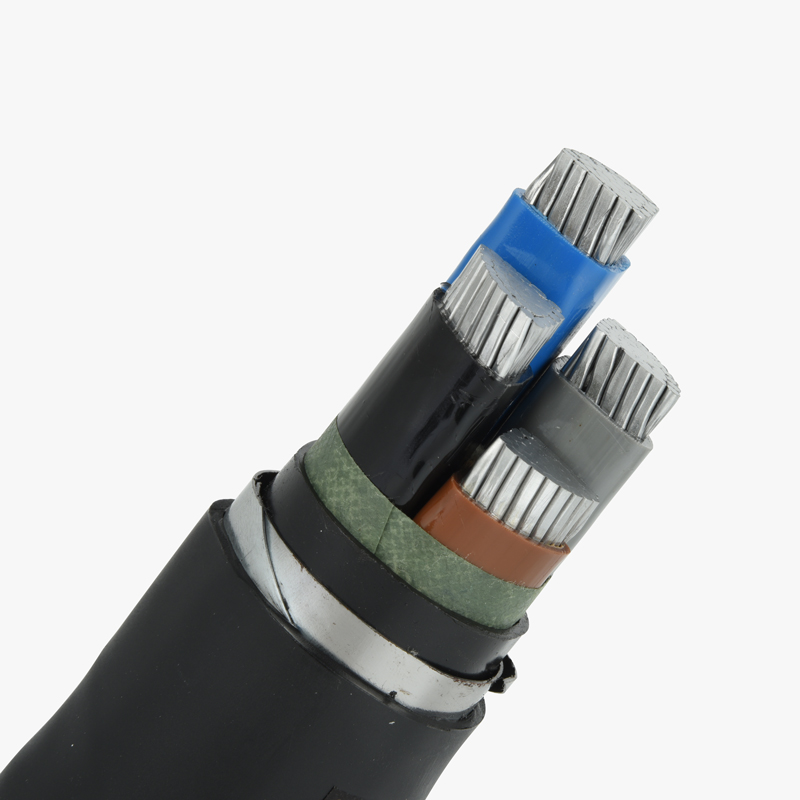
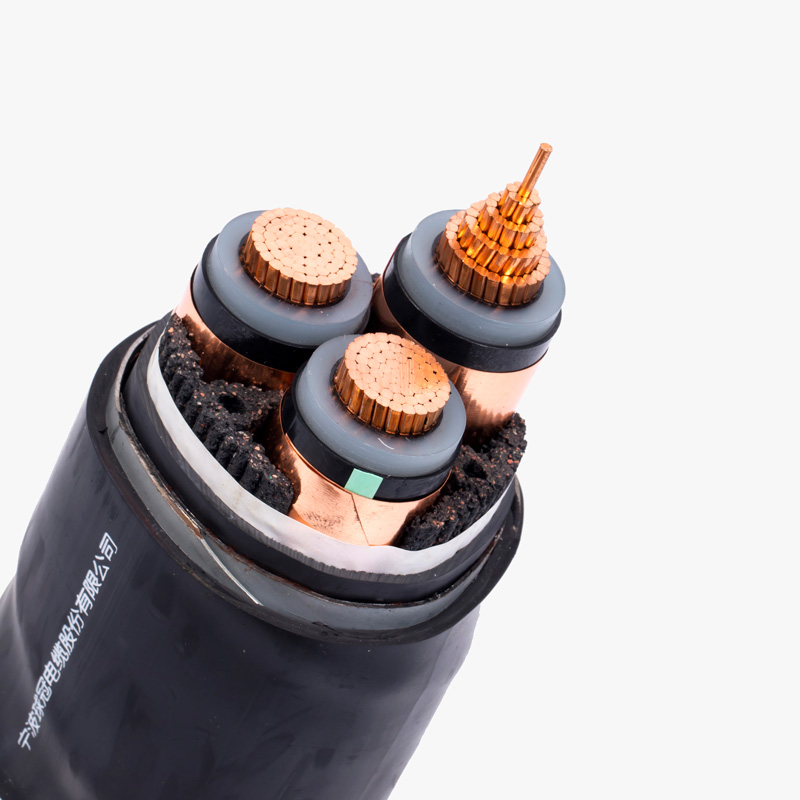
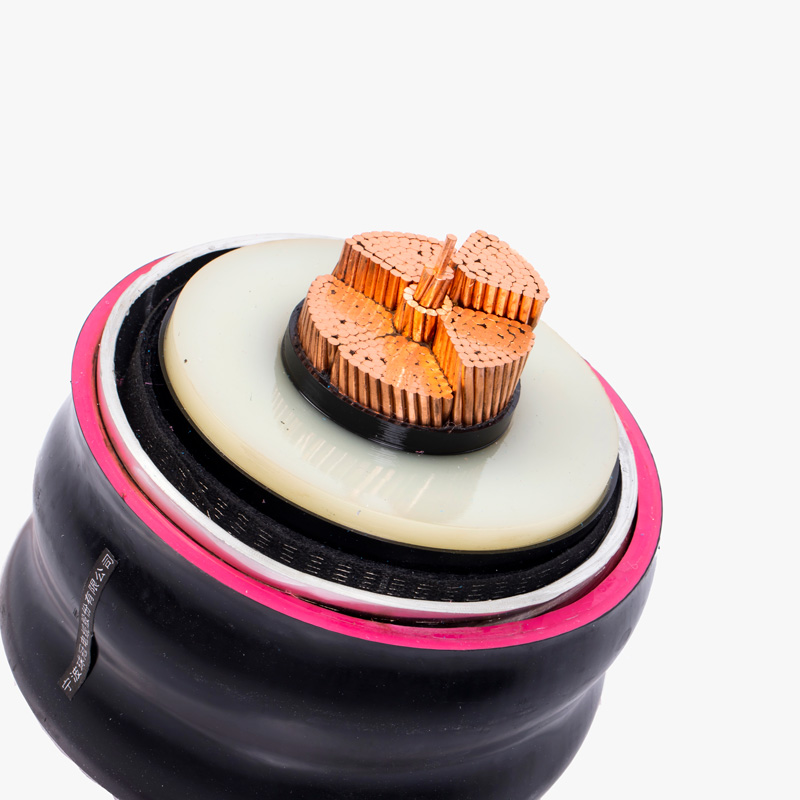
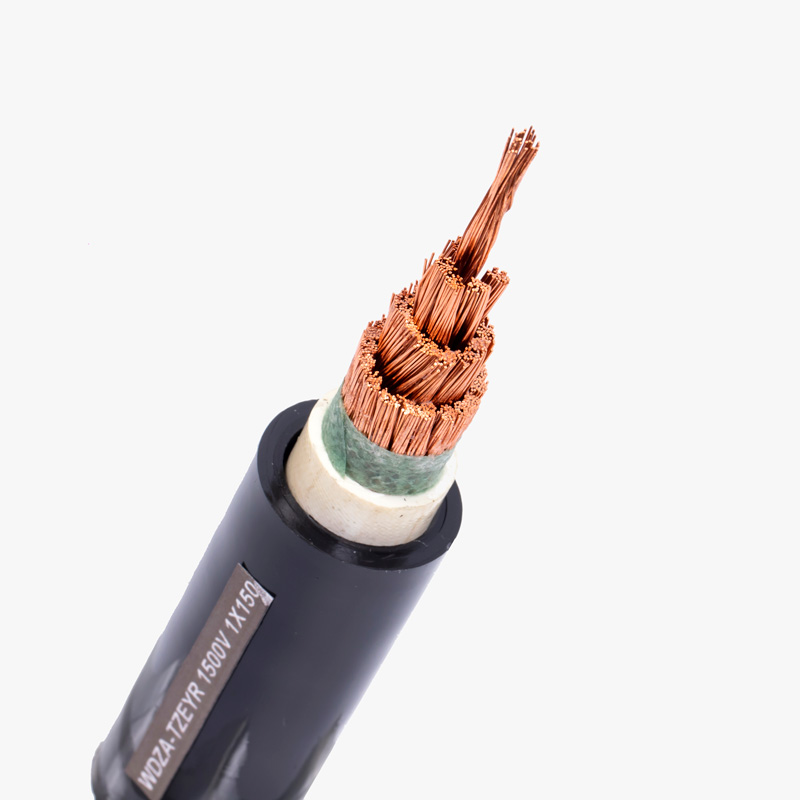
För entreprenörer, distributörer och ingenjörer är det en allvarlig utmaning att arbeta med högspänningskablar kan vara en allvarlig utmaning. Olyckor händer ofta på grund av dålig utbildning, svaga säkerhetssystem eller opålitliga. Wauzaji. Dessa mishappen kan orsaka farliga stötar, utrustningsfel och kostsamma förseningar. Lösningen ligger i att följa beprövade säkerhetsregler och arbeta med pålitliga tillverkare som garanterar pålitlig HV-kablar. Katika Kukimbia kwa QR, vi kombinerar över 30 års erfarenhet med avancerade produktionsstandarder för att leverera säkra, unaoweza kubinafsishwa, och certifierade. cables. Som en ledande Muuzaji jumla na msambazaji, stödjer vi projekt världen över med högkvalitativa produkter som är utformade för att minimera risker och förbättra säkerheten i verksamheten.
Säker hantering av högspänningskablar kräver strikta försiktighetsåtgärder, pålitlig utrustning och pålitliga leverantörer för att förhindra olyckor, skydda arbetare och säkerställa konsekvent elektrisk prestanda i varje projekt.
Att förstå farorna, säkerhetsreglerna och första hjälpen åtgärder är avgörande för alla som hanterar. HV-kablar. Låt oss dyka djupare in i dessa kritiska aspekter.
Varför är energiserade högspänningssystem farliga?
Kebuli za voltage kuu bär stora mängder energi. När de är energiserade kan de orsaka allvarliga skador eller till och med dödliga olyckor. Faran kommer från elektriska bågar, okontrollerad strömflöde eller direkt kontakt med en levande. ledare. Till skillnad från låspänningssystem, HV-kablar kan generera hög värme, gnistor och oväntade toppar, vilket skadar närliggande utrustning och sätter arbetarna i farozonen. En annan faktor är att elektricitet vid hög spänning kan hoppa över luckor genom luften, vilket gör även indirekt kontakt riskabelt. Av denna anledning betonar varje msambazaji na mtengenezaji vikten av isolering, jordning och säkra hanteringsmetoder. Pålitliga cables med hållbara skydd. är utformade för att minska dessa risker.
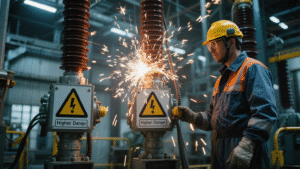
För företag orsakar olyckor som orsakats av dålig kebo ya volteji ya juu usalama unaweza kusababisha adhabu za kisheria, hasara za kifedha, na kuharibika kwa sifa. Hii inafanya kuchagua mkataba unaotegemewa mtengenezaji na kutekeleza taratibu kali za usalama kuwa muhimu. Wajenzi wanapaswa kuhakikisha kwamba kila eneo la mradi linafuata mifumo sahihi ya kufunga, alama wazi, na mwongozo wa vifaa vya kulinda kabla ya kukaribia mifumo yenye nguvu.
Sheria za Dhahabu za Kazi Salama kwenye Nyaya za Voltage Kuu
Wataalamu wanaonyesha sheria kadhaa za “dhahabu” zinazoongoza shughuli salama na HV-kablar. Kwanza, daima kata na kuthibitisha kutengwa kabla ya kuanza kazi. Pili, unganishi na fupi vifaa ili kuzuia kuanzishwa kwa nguvu zisizotarajiwa. Tatu, hakikisha maeneo ya kazi kwa vizuizi wazi na alama za tahadhari ili kuwafanya watu wasiokuwa na ruhusa kuwa mbali. Nne, vaa vifaa vya kulinda kibinafsi kama vile glavu zenye insulation, vichaka, na viatu. Tano, ni lazima tu wafanyakazi waliofunzwa na kuthibitishwa wafanye kazi karibu na mifumo yenye nguvu. Mwisho, zana na vifaa vya kupima vinapaswa kukaguliwa mara kwa mara na kuorodheshwa kwa matumizi ya voltage kuu.
Kufuata sheria hizi kunahakikisha kwamba hatari ya ajali inapunguzwa sana. Mtu mwenye dhamana Muuzaji jumla au msambazaji pia atatoa mwongozo wa kiufundi na taarifa za bidhaa kusaidia wateja kudumisha viwango vya usalama. Kwa kuhujumu ubora wa juu cables na nidhamu imara ya kazi, wajenzi wanaweza kukamilisha miradi kwa ufanisi wakati wakilinda timu zao.
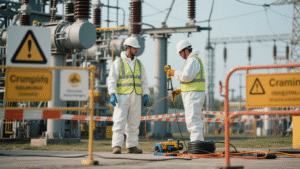
Vijitabu vya Kazi Salama vya Wafanyikazi wa Umeme
Wafanyikazi wa umeme wanaofanya kazi na högspänningskablar wanapaswa kufuata viwango vikali vya kimataifa na kitaifa. Viwango hivi vinahakikisha usinstallation, majaribio, na taratibu za matengenezo salama. Kawaida, vinashughulikia taratibu za kutengwa kwa voltage, matumizi ya zana zenye insulation, umbali wa usalama unaohitajika, na mahitaji ya vifaa vya kulinda. Kufuatia viwango hivi hupunguza makosa ya kibinadamu, moja ya sababu za kawaida za ajali za umeme.
Mtaalamu tillverkare kubuni na kupima HV-kablar kulingana na vyeti vinavyotambulika, kuhakikisha kwamba bidhaa zinafuata vigezo vya usalama vilivyoimarishwa. Wajenzi na wasambazaji wanapaswa kila wakati kuomba vyeti kutoka kwa Wauzaji kuhakikisha utii. Kwa kuongeza, mafunzo ya mahali pa kazi na kozi za kukumbusha ni muhimu ili mafundi umeme kuelewa masasisho katika protokali za usalama. Wakati zote mbili kebo ubora na nidhamu ya wafanyakazi vinapokutana, miradi inaweza kuendesha kwa urahisi na hatari ndogo.
Kwanza Msaada wa Mshtuko wa Umeme
Licha ya hatua za kuzuia, ajali zinazohusisha HV-kablar zinaweza bado kutokea. Kujua msaada wa kwanza kwa mshtuko wa umeme ni muhimu. Hatua ya kwanza ni kuzimia chanzo cha nguvu kabla ya kujaribu kusaidia. Kamwe usimguse mwathirika kwa mikono ya uchi wakati mzunguko uko hai. Mara eneo likiwa salama, angalia kupumua na mapigo ya moyo ya mwathirika. Ikiwa ni lazima, anza CPR na piga simu kwa huduma za dharura mara moja. Majeraha yanayosababishwa na mguso wa umeme yanapaswa kupoza kwa maji safi na kufunikwa na mavazi safi. Epuka kutumia krimu au mafuta, kwani yanaweza kuficha joto na kuongeza uharibifu.
Waajiri wanapaswa kuhakikisha kwamba vifaa vya msaada wa kwanza, wafanyakazi waliofunzwa, na mipango ya dharura vinapatikana kila wakati kwenye eneo la kazi. Wawajibikaji wauzaji jumla, Wauzaji, na tillverkare mara nyingi hutoa vifaa vya mafunzo ya usalama pamoja na cables kupunguza hatari za mahali pa kazi. Msaada wa kwanza wa haraka na wenye ufahamu si tu unaokoa maisha bali pia hupunguza matatizo ya muda mrefu kutokana na ajali za umeme.
Hitimisho
Shughulikia salama ya högspänningskablar inahitaji mchanganyiko wa bidhaa zinazoweza kuaminika, sheria kali, na utayari wa dharura. Kuchagua Wauzaji kuna hakikisha usalama na utendaji mzuri wa muda mrefu.