Jukumu kuu la vifaa vya kujaza: kwa nini nyaya haziwezekani kuwa “hollow”?
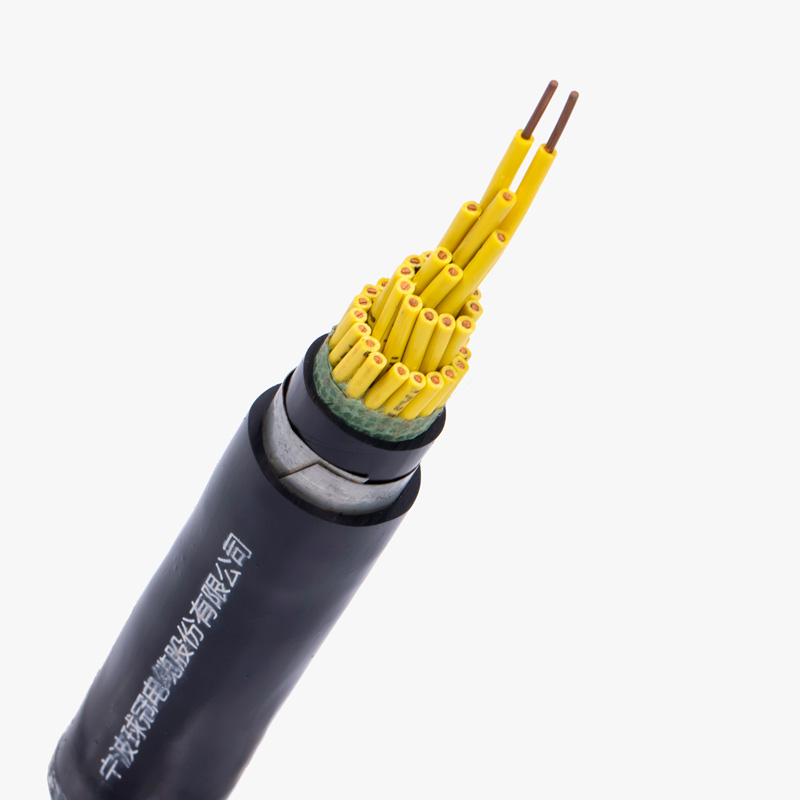
Vifaa vya kujaza katika nyaya si kwa ajili ya mwonekano tu—ni muhimu kwa muundo. Wakati wa conductor wengi wanapounganishwa pamoja, wanaacha nafasi za asili. Vifaa vya kujaza vinashika nafasi hizi, kudumisha umbo la duara la nyaya, kuzuia kusonga ndani, na kuhakikisha usambazaji wa shinikizo sawa wakati wa insulation na jacket. Bila vifaa vya kujaza, msongo wa mitambo unakuwa haujawa sawa, ukiongeza hatari ya kupasuka kwa insulation, deformation wakati wa kuinama, na kupunguza kuteleza kwa muda.
Nafasi ya PP dhidi ya pamba ya nyule dhidi ya nyuzi zinazostahimili maji: ipi bora?
Nyenzo ya vifaa vya kujaza inaathiri moja kwa moja nguvu ya mitambo ya nyaya, uzito, upinzani wa unyevu, na gharama. Hapa chini kuna uwiano wa utendaji wa aina tatu za vifaa vya kujaza ambazo hutumiwa sana katika utengenezaji wa nyaya za nguvu:
| Nyenzo | Nguvu za Mitambo | Upeo | Upinzani wa Unyevu | Gharama | Ufanisi wa Maombi |
|---|---|---|---|---|---|
| Nafasi ya PP | Juu | Kati | Mzuri | Chini | Nyaya za nguvu za matumizi ya kawaida |
| Pamba ya nyule | Kati | Juu | Dhaifu | Kati | Nyaya za jadi, za chini-voltage au ndani |
| Nyuzi Zinazostahimili Maji | Kati | Kati | Bora (ikiwa na mali ya kuzuia maji) | Juu | Mazingira ya juu ya voltage yanayoathiriwa na maji |
Nyaya za PP hutumiwa sana kutokana na nguvu yake na upinzani wa unyevu kwa gharama nzuri. Nyaya za nyuzi za hemp zinatoa unyumbuko bora lakini hazina uimara katika hali za unyevu. Nyuzi za kuzuia maji, ingawa zina gharama kubwa, ni muhimu katika nyaya za utendaji wa juu zinazokabiliwa na maji au usakinishaji chini ya ardhi.
Jinsi “mviringo” unavyoathiri ubora wa muundo wa nyaya
Kuhifadhi umbo mviringo la nyaya si kwa ajili ya kuonekana tu—inaathiri kwa kiasi kikubwa utendaji wa jumla. Nyaya zilizo na umbo la mviringo hupunguza unene wa insulation na ufanisi wa kuzunguka, na kuzuia maeneo dhaifu. Maumbo yasiyo sahihi kutokana na uchaguzi mbaya wa nyenzo za kujaza husababisha msukumo wa kushinikiza kwenye waendeshaji, kutokuwepo kwa kutoweka joto, na tofauti za insulation. Mviringo pia hurahisisha kuweka nyaya, haswa kwenye mabomba au tray, na kupunguza uwezekano wa uharibifu wa usakinishaji. Ubunifu mzuri wa nyenzo za kujaza unahakikisha utulivu wa vipimo kutoka uzalishaji hadi kutumika.
Mizani maalum ya nyenzo za kujaza kwa aina tofauti za nyaya
Nyaya za kuzuia maji: nyuzi zinazovimbe kwa ulinzi wa kizuizi
Nyenzo za kujaza zinazopambana na maji hutumia nyuzi za polima za super-absorbent ambazo zinavimba zinapogusana na unyevu, na kuunda kizuizi cha jeli. Hii inazuia maji kuhamia kwenye msingi wa nyaya, ikilinda uadilifu wa waendeshaji katika usakinishaji wa chini ya ardhi au chini ya maji.
Nyaya zinazonyumbulika: nyenzo za kujaza zisizo na kink
Nyaya zinazonyumbulika zinazotumiwa katika roboti au vifaa vya dinamiki zinategemea nyenzo za kujaza zisizo na kink—kawaida nyuzi za PP au nyuzi za kitambaa zenye elasticity inayoongezeka. Nyenzo hizi zinaunga mkono kubadilishana mara kwa mara wakati wa kupunguza msukumo wa ndani na kuzuia kuvunjika kwa waendeshaji.
Nyaya za kuzuia moto: ushirikiano na muundo wa chini ya moshi, usio na halojeni
Katika nyaya zinazozuia moto, nyenzo za kujaza hazipaswi kuhamasisha kuchoma. Nyuzi zisizo kutengwa za nyuzi za glasi au PP inayozuia moto hutumika kuboresha upinzani wa moto na kupunguza moshi. Nyenzo hizi zinakamilisha viunga vya LSZH kwa usakinishaji salama wa nyaya katika majengo ya umma na mizunguko.
Mifano ya kushindwa: uchaguzi mbaya wa nyenzo na matokeo yake
Uchaguzi mbaya wa nyenzo za kujaza unaweza kusababisha kushindwa kwa gharama kubwa. Mfano mmoja ni nyaya za voltage ya chini zilizowekwa katika eneo la kitropiki kwa kutumia nyuzi za hemp kama kujaza. Kwa muda, unyevunyevu ulilidhoofisha kujaza, na kusababisha kuvimba ndani na kupasuka kwa insulation. Katika kesi nyingine, nyaya ya baharini ya voltage ya juu ilikosa nyuzi zinazovimbe kwa maji. Wakati uvunjifu ulipotokea, maji yaliingia kwenye urefu wote wa nyaya, na kusababisha kuzima kwa mfumo mzima. Kushindwa haya kunasisitiza kwamba vifaa vya kujaza si vya kubadilisha na vinapaswa kuendana na mazingira ya matumizi ya nyaya.
Muhtasari na ushauri kwa wateja
Mizani ya nyaya ina jukumu la kimya lakini muhimu. Daima chagua nyenzo za kujaza kulingana na aina ya nyaya, mazingira, na matarajio ya utendaji. Shauriana na wasambazaji professionals kama QRUNNING ili kuhakikisha vifaa sahihi vya kujaza kwa uaminifu wa muda mrefu.