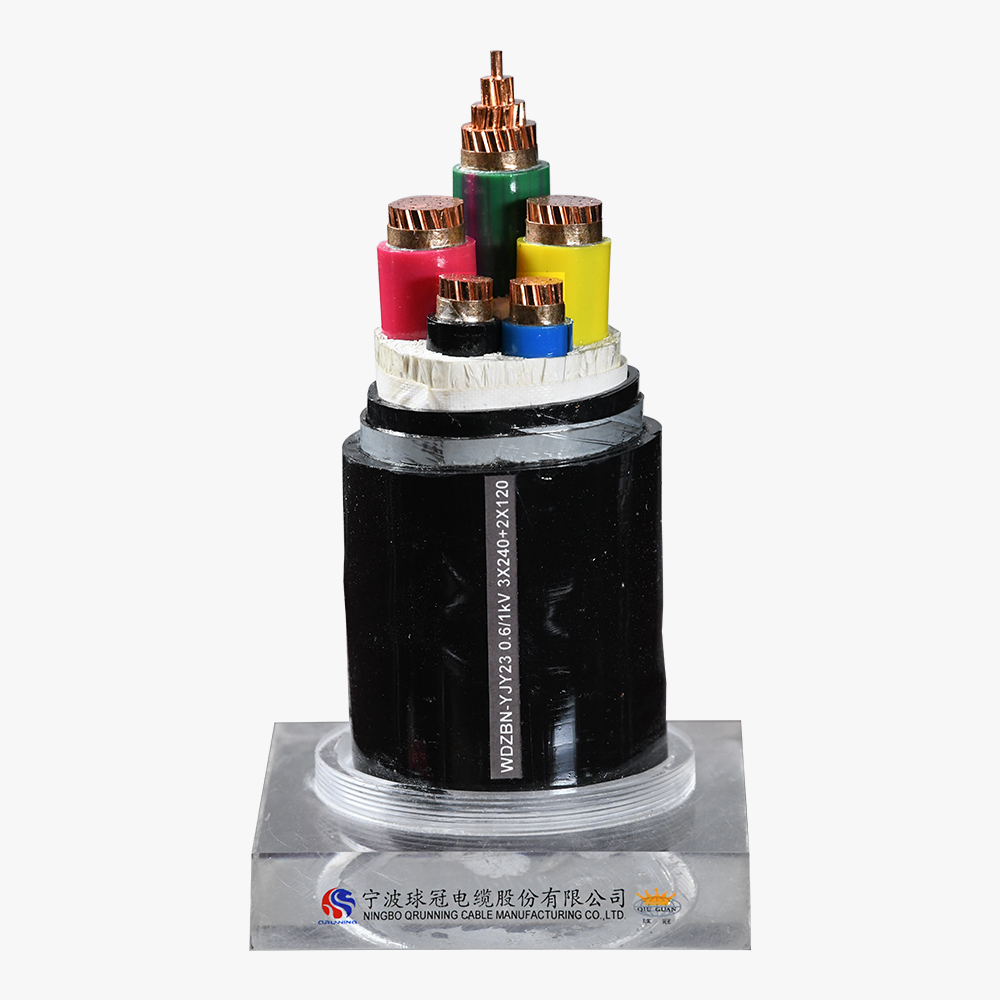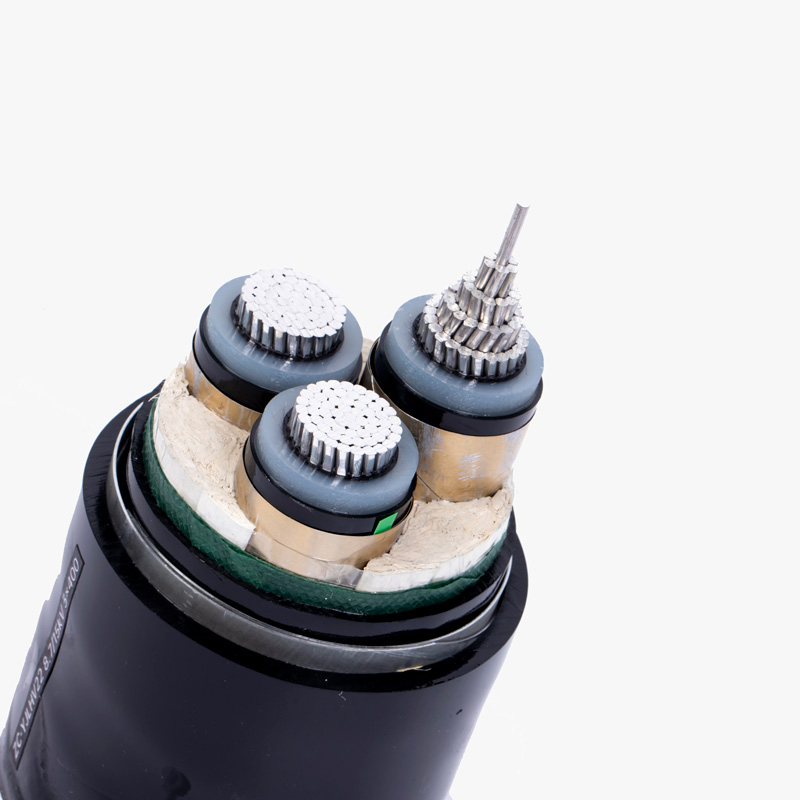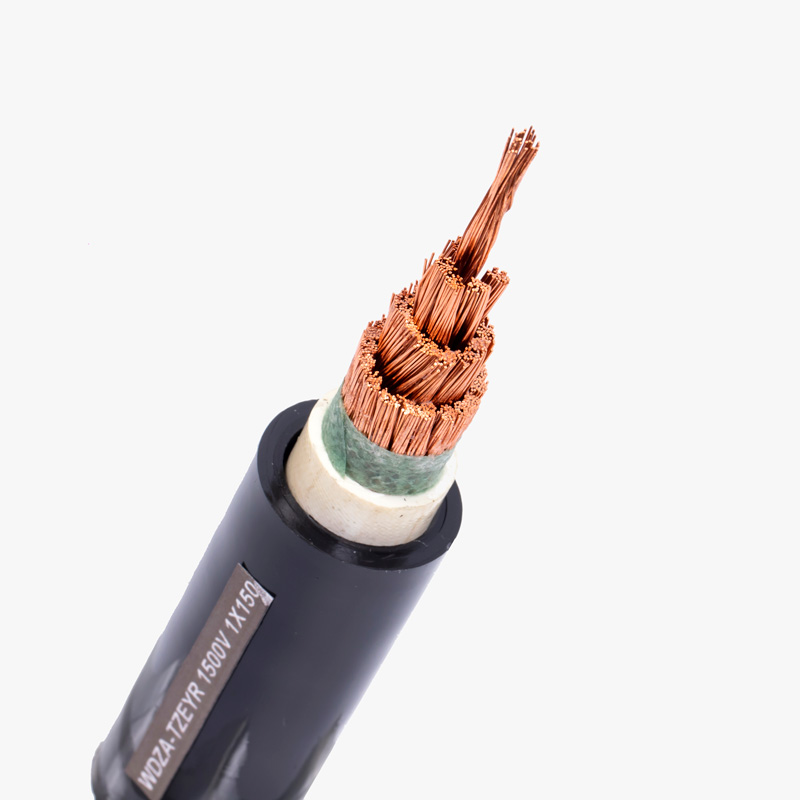
Kebo yenye kinga hutumika wapi?
Kebo yenye kinga hutumiwa sana katika mazingira mbalimbali yanayohitaji uimara, kama vile mitambo ya chini ya ardhi, vituo vya viwandani, mitambo ya kuzalisha umeme, na matumizi ya nje ambapo ulinzi wa kimakanika ni muhimu. Ni ya kawaida hasa katika maeneo yanayokabiliwa na uharibifu wa kimwili au unyevunyevu mwingi, ikihakikisha usambazaji salama na endelevu wa umeme hata katika hali ngumu.
Kebo yenye kinga hutumika kwa kawaida pale ambapo ulinzi wa ziada wa kimakanika unahitajika zaidi ya ule unaotolewa na kebo ya kawaida ya umeme. Kebo hizi zinafaa kwa maeneo yenye msongamano mkubwa wa watu, mazingira hatarishi,
na usakinishaji ambapo panya au uharibifu wa bahati mbaya unaweza kuharibu nyaya zisizo na kinga. Kuchagua kebo yenye kinga
huhakikisha usalama zaidi na kutegemeka kwa muda mrefu.
Tofauti kuu kati ya nyaya zenye kinga na zisizo na kinga iko kwenye tabaka la ulinzi. Kebo yenye kinga ina tabaka la kinga la metali, mara nyingi hutengenezwa kwa waya wa chuma au mkanda wa chuma, linalolinda kebo dhidi ya uharibifu wa kimwili. Kebo isiyo na kinga haina ulinzi huu na inafaa zaidi kwa mazingira yasiyohitaji sana. QRUNNING, mtengenezaji anayeaminika mwenye uzoefu wa zaidi ya miaka 30, husambaza nyaya zenye kinga na zisizo na kinga zilizoundwa kwa matumizi na mazingira mbalimbali.
Endelea kusoma ili kuelewa zaidi faida na matumizi ya kebo yenye kinga kwa mradi wako unaofuata.
Lengo la nyaya zenye kinga ni nini?
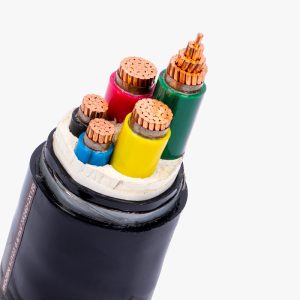
Nyaya zenye kinga zina jukumu muhimu la kulinda nyaya za umeme dhidi ya msongo wa kimakanika, hatari za kimazingira, na uwezekano wa uharibifu wa kimwili. Nyaya hizi zina tabaka la nje la kinga lililotengenezwa kwa waya wa chuma au alumini, linalotoa nguvu na uimara wa ziada. Wasambazaji na watengenezaji huunda kebo yenye kinga mahsusi kwa matumizi katika maeneo ya ujenzi, maeneo ya viwandani, na mifumo ya umeme ya chini ya ardhi, ambako hatari kama vile mgongano, shinikizo, au mwingilio wa wanyama ni kubwa. Tabaka la kinga huwezesha kebo kustahimili hali kali bila kuathiri utendaji wa umeme, na hivyo kuifanya kuwa chaguo la kuaminika kwa wakandarasi na wasanidi wa miradi wanaotafuta usalama na muda mrefu wa huduma.
Kuna tofauti gani kati ya kebo yenye kinga ya chuma na kebo ya kawaida?
Kebo yenye kinga ya chuma hutofautiana na kebo ya kawaida (au ya kiwango) kwa upande wa muundo na uimara. Ingawa kebo ya kawaida kwa kawaida huwa na uzi wa insulation na koti la kinga, haina tabaka la chuma lililoimarishwa ambalo kebo zenye kinga hujumuisha. Tabaka hili la kinga—ambalo kwa kawaida hutengenezwa kwa waya wa chuma uliogalvanishwa au mkanda wa alumini—huongeza ulinzi dhidi ya msongo wa mitambo, unyevu, na usumbufu wa nje. Kwa hiyo, watengenezaji hupendekeza kebo yenye kinga ya chuma kwa mazingira ya viwandani na ya nje, ilhali nyaya za kawaida kwa ujumla hutumika katika mazingira ya ndani yanayodhibitiwa. Wasambazaji na wauzaji mara nyingi hutoa aina zote mbili, hivyo wanunuzi wanaweza kuchagua kulingana na mahitaji ya usakinishaji, mfiduo wa mazingira, na masharti ya usalama.
Ni jukumu gani la kebo yenye kinga ya chuma?
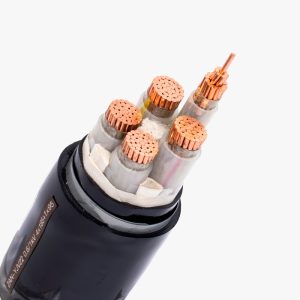
Jukumu kuu la kebo yenye kinga ya chuma ni kuhakikisha mwendelezo wa umeme na usalama katika mazingira hatarishi au yenye hatari kubwa. Tabaka la kinga hufanya kazi kama ngao ya ulinzi, likilinda kondakta wa ndani dhidi ya kusagwa, kukatwa, na vipengele vya mazingira kama maji, kemikali, au wadudu waharibifu. Watengenezaji huzalisha nyaya zenye kinga ya chuma kwa ajili ya usakinishaji katika mitandao ya usambazaji wa umeme, vituo vidogo vya umeme, na miradi ya nje au ya chini ya ardhi. Kwa mfano, QRUNNING husambaza kebo yenye kinga ya chuma katika nchi zinazoendelea kama Ethiopia na Angola, ambako miundombinu ya umeme inahitaji kuwa ya kuaminika na ya kudumu. Kwa kuchagua kebo yenye kinga ya chuma kutoka kwa wasambazaji wanaoaminika, wamiliki wa miradi hupunguza hatari ya kukatika kwa umeme na kuboresha uimara wa mifumo yao ya umeme.
Jinsi ya Kuchagua Ukubwa Sahihi wa Kebo Yenye Kinga ya Chuma kwa Mradi Wako?
Kuchagua ukubwa sahihi wa kebo yenye kinga ya silaha kunategemea mambo kadhaa muhimu: uwezo wa mzigo, kiwango cha voltage, mazingira ya usakinishaji, na viwango vya usalama. Ni muhimu kukokotoa jumla ya mzigo wa mkondo ambao kebo itabeba na kuulinganisha na ukubwa unaofaa wa kondakta. Kupakia kebo kupita kiasi kunaweza kusababisha joto kupita kiasi na kuharibika. Aidha, zingatia urefu wa kebo na kushuka kwa voltage ili kudumisha ufanisi. Watengenezaji na wasambazaji wanaoaminika kama QRUNNING hutoa msaada wa kiufundi na huduma za OEM/ODM ili kuwasaidia wateja kuchagua ukubwa unaofaa wa kebo. Kupima ukubwa kwa usahihi hakuhakikishi tu usalama wa umeme bali pia kunatii kanuni za eneo husika na mbinu bora za sekta.
Kebo zenye kinga ya silaha zinaruhusiwa kusakinishwa wapi?
Kebo zenye kinga ya silaha zinaruhusiwa katika maeneo mbalimbali ambapo kuna hitaji la ziada
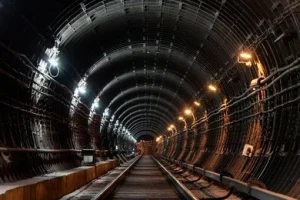
Ulinzi wa kimitambo unahitajika. Hii ni pamoja na mitambo ya chini ya ardhi, kuta za nje, mazingira yaliyo wazi, na ndani ya vituo vya viwandani ambako mitetemo au athari zinaweza kutokea. Kulingana na viwango vya kimataifa vya umeme, nyaya zenye kivazi cha chuma zinaweza kuwekewa moja kwa moja ardhini au ndani ya mabomba bila haja ya ganda la ziada la kinga. Watengenezaji hutengeneza nyaya hizi ili kustahimili hali kali kama vile unyevunyevu, mashambulizi ya panya, na uchakavu wa kimitambo. Wasambazaji na wakandarasi wa miradi mara nyingi huchagua nyaya zenye kivazi cha chuma kwa ajili ya mitambo katika maeneo kama vile vyumba vya chini ya ardhi, majengo ya nje, vituo vidogo vya umeme, na maeneo ya nishati mbadala ambako usalama na utendaji ni muhimu zaidi.