What is PVC-insulated cable?
PVC-insulated cable is a type of electrical wire that uses polyvinyl chloride (PVC) as the primary material for
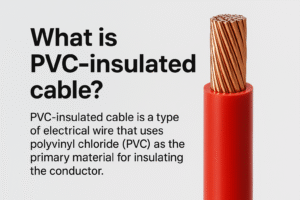
insulating the conductor. This insulation acts as a protective layer to prevent electrical leakage, short circuits, and physical damage. As one of the most widely used types of cable insulation, PVC-insulated w
ire is renowned for its durability, affordability, and wide application across industries including power distribution, electrical i
nstallations, and construction projects. With its excellent electrical and mechanical properties, PVC insulation is favored by manufacturers and suppliers globally for low to medium-voltage cable production. As a leading Chinese PVC-insulated cable manufacturer, QRUNNING has been supplying high-quality, OEM-capable solutions to countries such as Vietnam, Sudan, Angola, and Kenya for over 30 years.
Benefits of PVC Wire Insulation
PVC wire insulation is flame-retardant, moisture-resistant, cost-effective, and durable — ideal for safe, long-lasting electrical applications from a trusted supplier like QRUNNING.
How are PVC cables made?
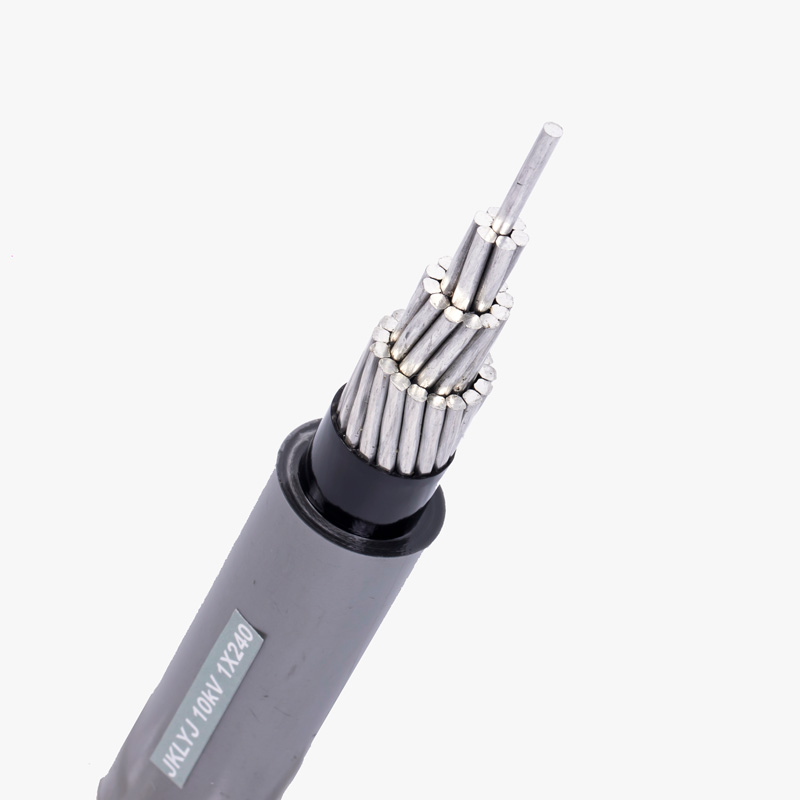
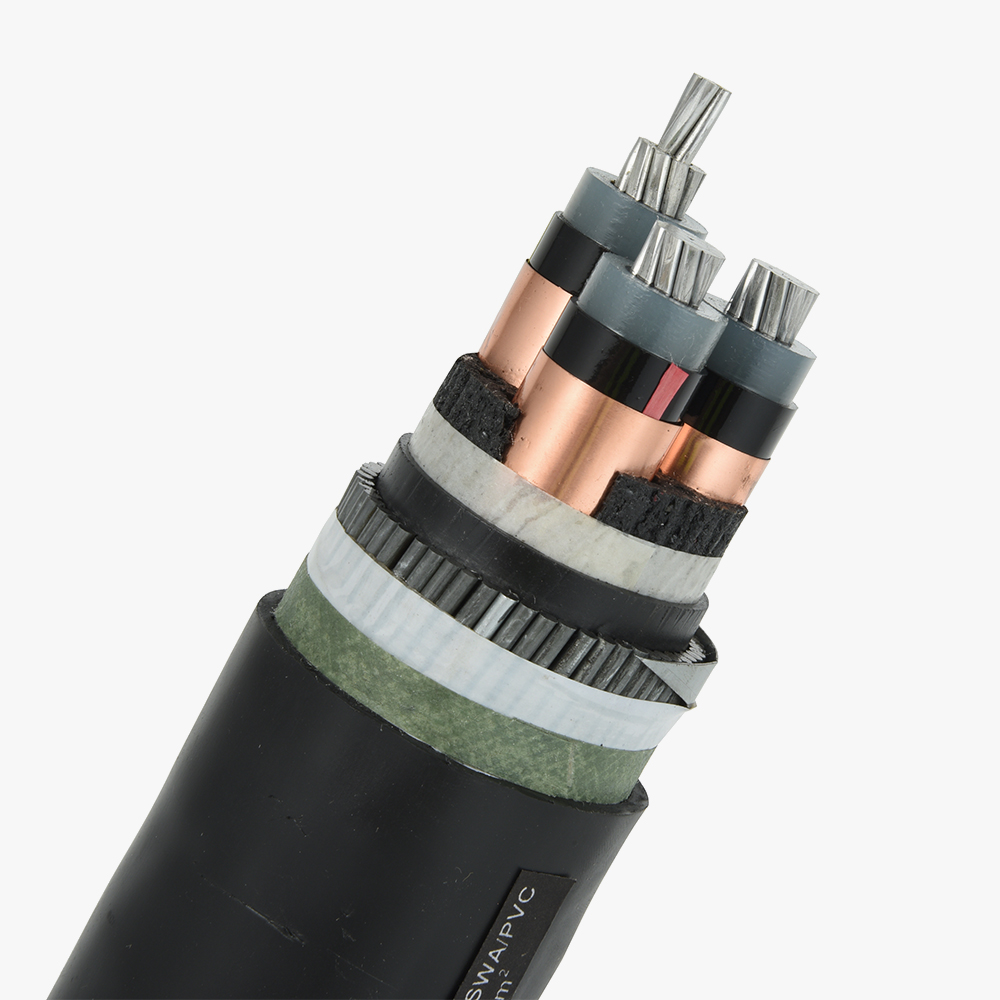
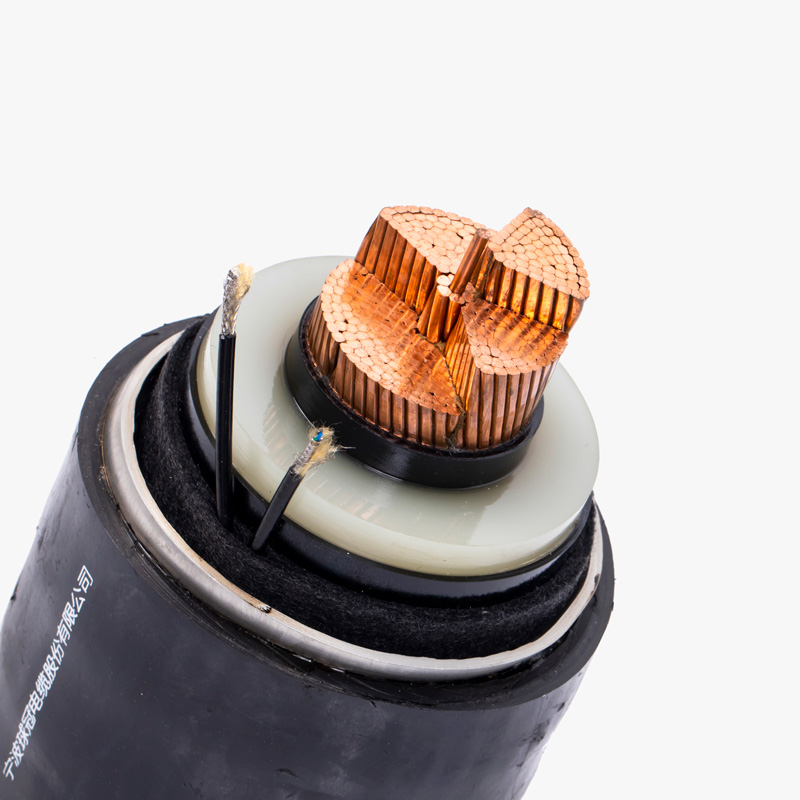
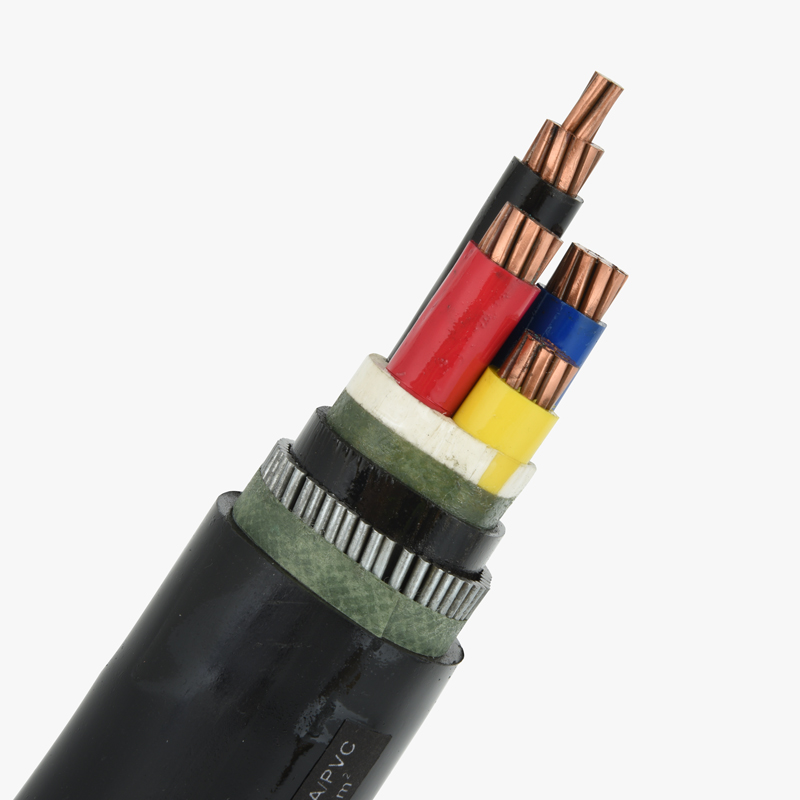
PVC-insulated cables are manufactured by extruding a layer of polyvinyl chloride over a conductive core, typically copper or aluminum. The insulation process involves heating, shaping, and cooling to ensure high electrical performance, flexibility, and resistance to external damage.
Read on to explore why PVC remains the industry’s top choice for cable insulation.
Why is PVC a good insulator?
Polyvinyl chloride (PVC) is considered a good insulator due to its unique chemical structure and inherent resistance
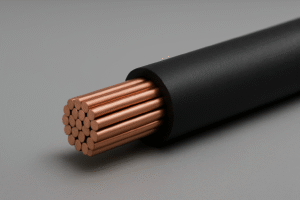
to electrical conductivity. Unlike metals, which conduct electricity freely, PVC’s molecular bonds restrict the flow of electrical current. This makes it ideal for use as a protective layer in electrical cables. PVC wire insulation also offers high resistance to moisture, oils, chemicals, and UV rays, all of which contribute to its widespread adoption in both indoor and outdoor electrical systems. Manufacturers favor PVC insulation because it remains stable over a wide temperature range and resists deformation, even under mechanical stress or in harsh environmental conditions. Furthermore, PVC’s flame-retardant properties enhance safety in high-risk areas, making it a preferred choice for electric power cable suppliers and contractors worldwide.
Is PVC a good electrical insulator?
Yes, PVC is an excellent electrical insulator. It prevents unintended electrical flow, ensuring safe and reliable power transmission. The key to this lies in PVC’s high volume resistivity and dielectric strength. These properties allow the material to withstand high voltages without breaking down, making it an ideal insulation material for low and medium voltage power cables. As a result, manufacturers use PVC-insulated cables in residential wiring, industrial machinery, and control panels. Electric cable suppliers across developing regions, including Vietnam and Africa, favor PVC-insulated wire for its consistent performance and affordability. At QRUNNING, we ensure our PVC insulation undergoes strict quality control, with all cables tested for compliance with international electrical standards, helping buyers reduce the risk of electric failure or safety hazards.
Is PVC a good heat insulator?
PVC performs moderately well as a heat insulator. While it is not the most thermally resistant material, it provides sufficient insulation for most common electrical applications. PVC wire insulation can typically withstand operating temperatures up to 70°C and some specially formulated versions can go up to 105°C. This makes it suitable for indoor electrical installations and certain outdoor applications. PVC insulation for cables reduces heat dissipation from the conductive core, preserving efficiency and minimizing risks of overheating. However, in high-temperature environments, alternative insulations like XLPE may be considered. QRUNNING manufactures PVC-insulated cables using high-grade compounds designed for thermal stability. Our cables maintain insulation integrity even under prolonged use, offering contractors and buyers in warm climates a dependable product with reliable thermal performance.
Je, nyaya za kebo za PVC zinaweza kutumika nje?
Ndio, kebos za PVC zinaweza kutumika nje, lakini kwa 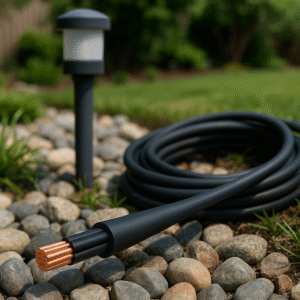 mambo ya kuzingatia. Insulation ya waya ya PVC kawaida inakabiliwa na maji, mionzi ya UV, na uchafuzi wa mazingira, na kuifanya kuwa inayofaa kwa matumizi mengi ya nje kama vile mwanga wa bustani, wiring ya muda kwenye tovuti, na viunganishi vya huduma. Hata hivyo, joto kali na kuwekewa kwa jua kwa muda mrefu kunaweza kuharibu insulation kwa muda ikiwa kebo haitastahimili UV au kulindwa kwa kanga nyingine. Watengenezaji mara nyingi huongeza insulation ya PVC ya kiwango cha nje na viambato ili kuboresha upinzani kwa mvua na kuvaa kwa mitambo. QRUNNING ina supply kebo za PVC zinazokidhi viwango vya kimataifa kwa matumizi ya nje, ikiwa ni pamoja na chaguzi za ziada za insulation mara mbili na jackets zinazostahimili hali ya hewa. Wanunuzi wanapaswa kushauriana na wauzaji wa kebo wanaoaminika ili kuhakikisha kuwa waya wa PVC unaochaguliwa unafaa kwa hali maalum za mazingira, hasa kwa usakinishaji wa kudumu wa nje.
Kebo za PVC zina maisha gani?
Maisha ya huduma ya kebo za PVC mara nyingi hupatikana kati ya miaka 20 hadi 30, kulingana na matumizi, sababu za mazingira, na ubora wa usakinishaji. Katika hali bora—usakinishaji mzuri, mzigo unaofaa, na kufichwa kwa kiasi kidogo kwa joto kali—insulation ya waya ya PVC inaweza kuzidi maisha yake ya kawaida. Uthabiti wa insulation ya PVC unatokana na upinzani wake kwa kutu, unyevu, kemikali, na mionzi ya UV. Hata hivyo, kuimarisha kebo au kuifanya iwe na joto kubwa kunaweza kuongeza uharibifu. Watengenezaji kama QRUNNING wanatekeleza majaribio makali na udhibiti wa ubora kuhakikisha uaminifu wa muda mrefu. Kebos zetu za umeme zimefanywa kwa vifaa vya insulation vya PVC vya kiwango cha juu, vilivyoundwa kwa matumizi ya ndani na nje. Tunatoa wateja wa B2B kebo za PVC zenye nguvu, zilizothibitishwa ambazo hupunguza mara ya kubadilishwa, na kupunguza gharama za matengenezo kwa wazabuni, watumiaji wa kiwanda, na watoa huduma.