Ni nini insulation ya PVC?
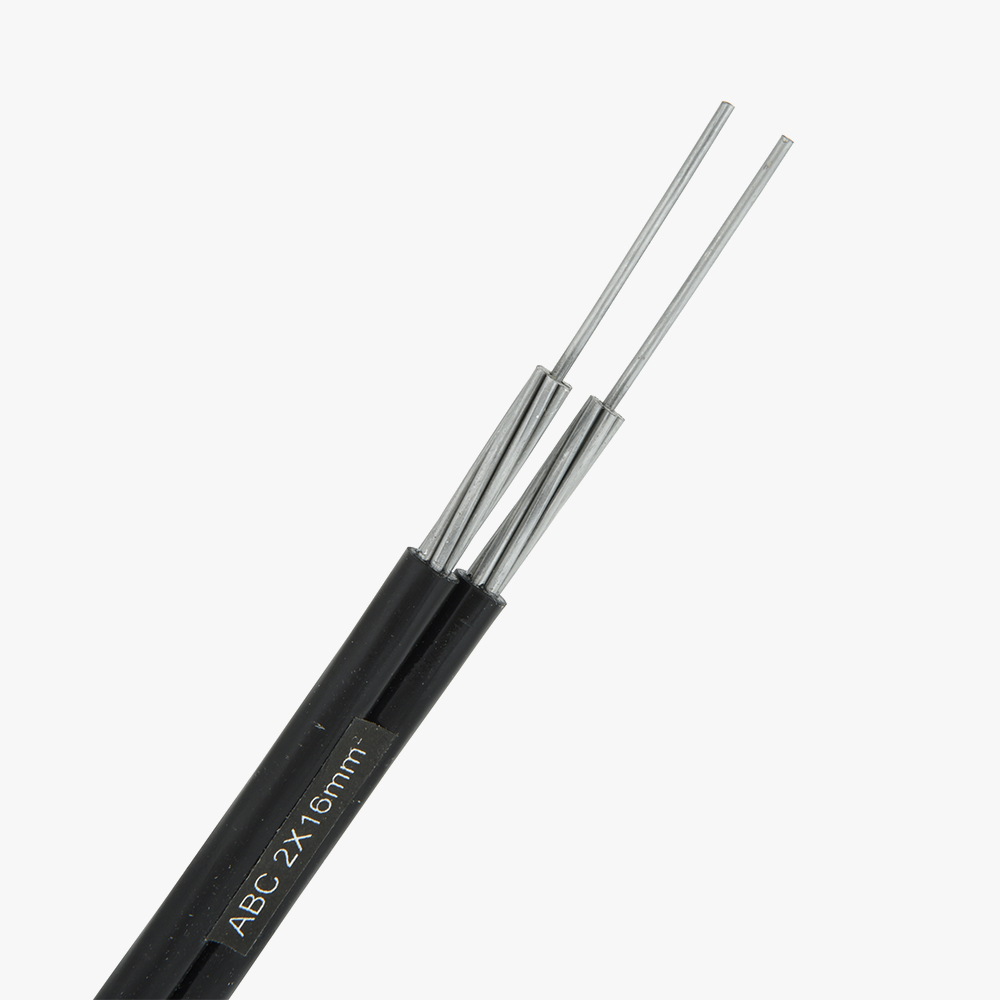
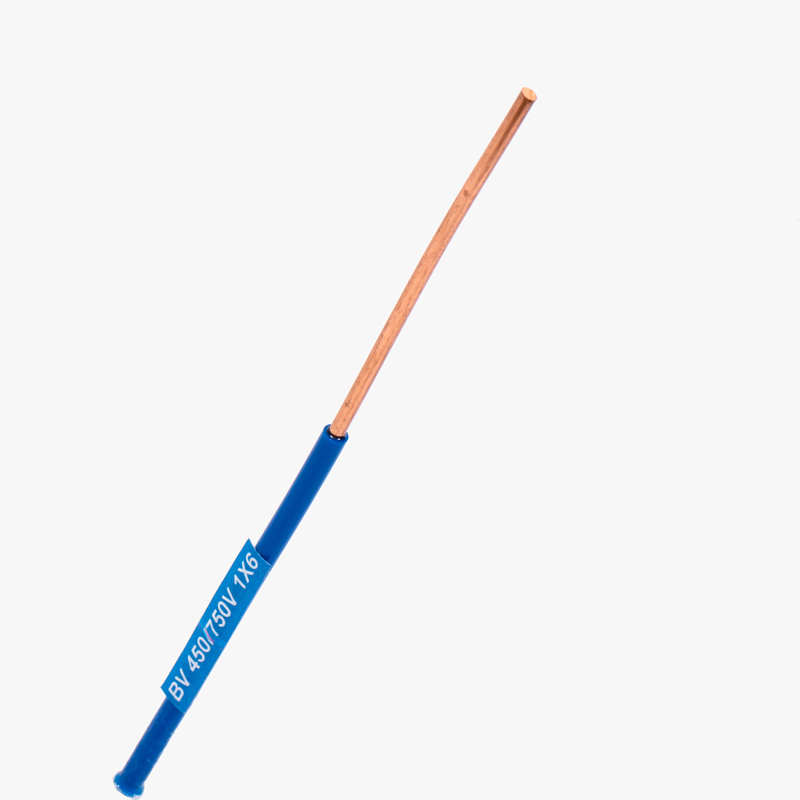
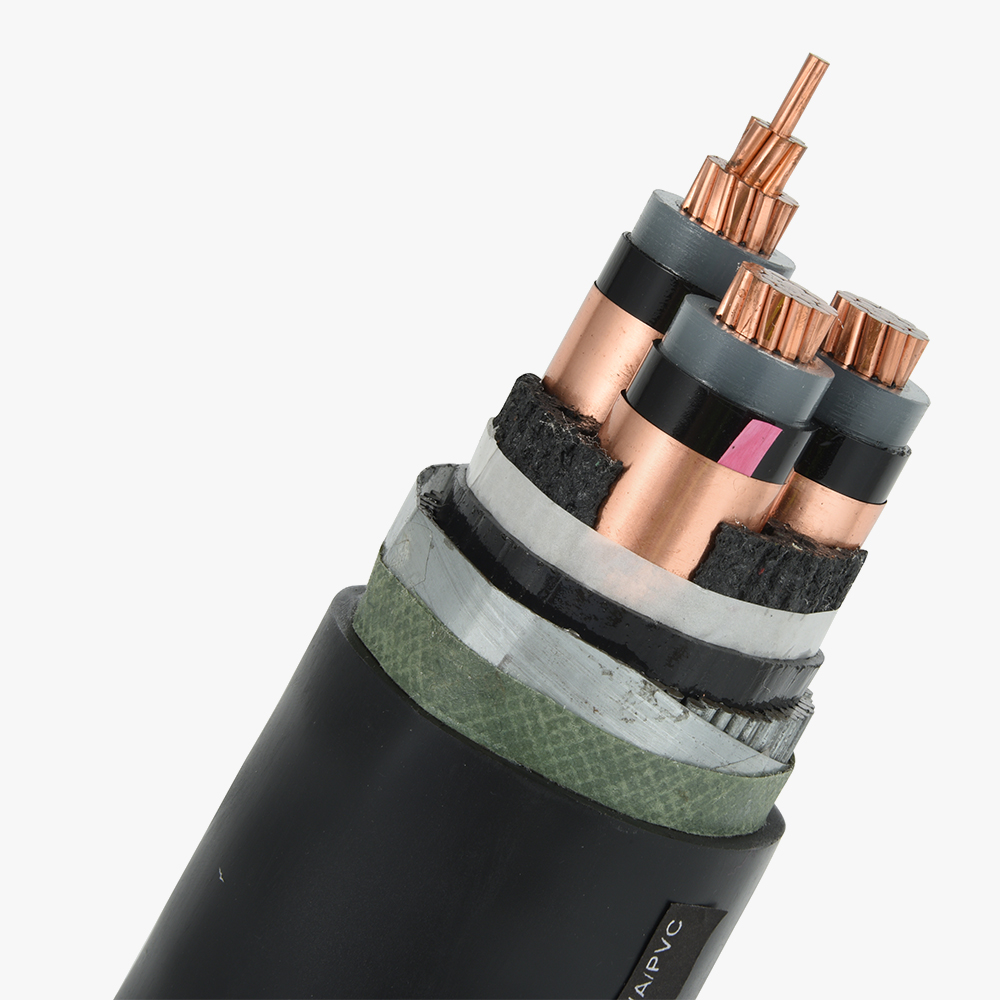
Insulation ya PVC (Polyvinyl Chloride) ni nyenzo inayotumika sana katika utengenezaji wa nyaya, ikitoa ulinzi wa umeme na kimwili. Polima hii ya thermoplastic mara nyingi hutumika kufunika waendeshaji wa umeme, ikitoa insulation inayopinga joto, unyevu, na kutu ya kemikali. kebos za PVC ni imara, na gharama nafuu, na inayoweza kubadilika, ikifanya iwe chaguo bora kwa matumizi mbalimbali ya viwanda, kibiashara, na makazi.

Manufaa ya Insulation ya PVC
Insulation ya PVC inatoa faida mbalimbali, ikiwa ni pamoja na upinzani mzuri kwa unyevu, kemikali, na abrasion. Ni rahisi kubadilika, inagharimu kidogo, na ina mali bora za umeme. Aidha, nyaya za PVC zinaweza kustahimili hali mbalimbali za mazingira, ikifanya iwe bora kwa matumizi ya ndani na nje. Watengenezaji wanathamini urahisi wa kusindika na uimara wake, kuhakikisha maisha marefu ya huduma kwa nyaya na waya.
| Faida | Maelezo |
|---|---|
| Upinzani kwa Unyevu | Insulation ya PVC ina upinzani wa juu kwa unyevu, ikihakikisha kwamba nyaya zinabakia zilizo salama katika mazingira yaliyokuwa na unyevu au mvua, ikipunguza hatari ya makosa ya umeme. |
| Upinzani wa Kemikali | PVC inatoa upinzani mzuri dhidi ya kemikali mbalimbali, ikifanya iweze kutumika katika mazingira ya viwanda ambapo nyaya zinaweza kukabiliwa na vitu vamizi. |
| Upinzani wa Abrasion | Insulation ya PVC ni imara na ina upinzani kwa abrasion, kusaidia kuzuia uharibifu kutokana na kuvaa na tear katika matumizi yenye msongo mkubwa. |
| Upeo | Licha ya uimara wake, PVC ni nyenzo inayoweza kubadilika, inayoruhusu usakinishaji rahisi katika maeneo ya haki na kona bila kupasuka au kuvunjika. |
| Ufanisi wa Gharama | PVC ni nyenzo yenye gharama nafuu, ikifanya iwe chaguo la bei nafuu kwa matumizi mbalimbali, ikitoa thamani kubwa kwa ulinzi inaopeleka. |
| Mali za Umeme | PVC inatoa mali bora za insulation ya umeme, ikizuia mtiririko wa umeme kupita kwenye insulation na kupunguza hatari ya mshtuko wa umeme. |
| Uwezo wa Kukabiliana na Mazingira | PVC inaweza kuvumilia hali mbalimbali za mazingira, ikiwa ni pamoja na joto kali na kuf exposure kwa mwangaza wa UV, na kuifanya iweze kutumika kwa ufungaji wa ndani na nje. |
| Kudumu | Kuvuja kwa PVC kunapanua muda wa matumizi ya nyaya kwa kutoa ulinzi dhidi ya mambo ya mazingira, na kuhakikisha uaminifu na utendaji kwa muda mrefu. |
| Urahisi wa Usindikaji | PVC ni rahisi kusindika na kutengeneza, ikiongeza uwezo wa watengenezaji kutoa nyaya za ubora wa juu haraka na kwa ufanisi, na kuhakikisha ubora wa bidhaa unaoendelea. |
Nafasi za matumizi ya nyaya zenye insulation ya PVC
Nyaya zenye insulation ya PVC hutumiwa kawaida katika usambazaji wa umeme, mawasiliano ya simu, na mifumo ya udhibiti wa viwanda. Zinafaa kwa matumizi ambapo flexibity na kudumu ni muhimu. Kampuni kama Kebo ya Qrunning zinatoa aina mbalimbali za nyaya za PVC ambazo zinatumika katika mazingira yanayofuata kutoka kwa wiring za makazi hadi mipangilio ya mashine ngumu za viwanda.
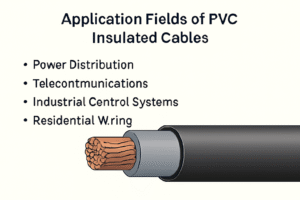
Endelea kusoma ili kugundua zaidi kuhusu faida, matumizi, na vipengele vya kiufundi vya insulation ya PVC.
Je, PVC ni kizio kizuri cha joto?
PVC si insulator bora wa joto ikilinganishwa na vifaa vingine kama mpira au keramiki. Hata hivyo, inatoa upinzani wa wastani wa joto, ambayo inafanya iweze kutumika kwa matumizi mengi ya kawaida. Insulation ya PVC inaweza kwa kawaida kuvumilia joto kutoka -15°C hadi 70°C, ingawa inaweza kuharibika katika joto kali. Kwa matumizi ya umeme, nyaya za PVC hutumiwa mara nyingi ambapo kuf exposure kwa joto kali si wasi wasi mkubwa. Watengenezaji mara nyingi huchagua PVC kwa mazingira ambapo upinzani wa wastani wa joto unatosha, lakini kwa matumizi ya joto la juu, vifaa vingine kama silicone au Teflon mara nyingi hupendekezwa. Aidha, mali ya insulation ya PVC inafanya iwe nyenzo inayofaa kwa matumizi ya umeme na nyaya za kila siku katika mazingira yasiyo na extreme.
Je, PVC ni kizio kizuri cha umeme?
Ndio, PVC ni insulator bora wa umeme. Mali yake ya insulation ni moja ya sababu kuu za matumizi yake makubwa katika utengenezaji wa nyaya. PVC inazuia mtiririko wa umeme kupitia safu ya nje ya nyaya, na kuifanya kuwa kizuizi thabiti kinacholinda watumiaji dhidi ya mshtuko wa umeme. Inasaidia pia kupunguza hatari ya mifumuko fupi kwa kuhakikisha kuwa waendeshaji wa umeme wamefungwa kwa usalama. Uwezo wa dielectri wa insulation ya PVC unaruhusu kuvumilia voltage ya umeme bila kuharibika, ambayo ndiyo sababu inakuwa nyenzo inayopendekezwa kwa nyaya zinazotumiwa katika usambazaji wa umeme na mawasiliano ya simu. Ikilinganishwa na vifaa vingine vya insulation, PVC ni ya gharama nafuu na yenye ufanisi, ikitoa utendaji thabiti wa umeme katika matumizi mbalimbali.
Ni nini Hasara za Insulation ya PVC?
Licha ya faida zake nyingi, insulation ya PVC ina hasara chache. Mojawapo ya masuala makuu ni uvumilivu wake mdogo wa joto. Kama ilivyoelezwa awali, PVC huanza kuharibika katika joto la juu, ambayo inamaanisha haiwezi kutumika katika mazingira ya joto kali sana. Aidha, PVC si rafiki kwa mazingira kama vifaa vingine, kwani uzalishaji na kutupwa kwake kunaweza kutoa sumu hatari katika mazingira. Wasiwasi mwingine ni kuweza kuwaka kwake—ingawa PVC ni sugu kwa moto, inaweza bado kuwaka katika hali fulani, na kuwaka kwa PVC huzalisha moshi hatari. Mwishowe, PVC inaweza kuwa ngumu wakati wa kuelekea na mionzi ya UV, ambayo inapunguza matumizi yake katika matumizi ya nje isipokuwa ipate matibabu maalum kwa ajili ya upinzani wa UV. Hasara hizi zinafanya kuwa muhimu kutathmini kufaa kwa insulation ya PVC kwa matumizi maalum.
Insulation ya PVC inatumika wapi?
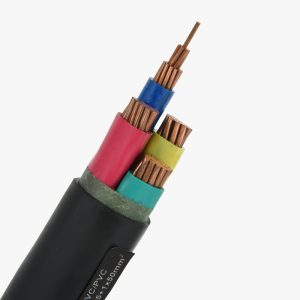
Insulation ya PVC inatumika katika matumizi mbalimbali, kutoka makazi hadi viwandani
mifumo. Matumizi ya kawaida ni pamoja na nyaya za umeme, wiring ya vifaa vya nyumbani, na nyaya za mawasiliano ya data. Pia inatumika kwa wingi katika mifumo ya magari, mawasiliano ya simu, na HVAC. Katika mazingira ya viwanda, watengenezaji mara nyingi huchagua nyaya zenye insulation ya PVC kwa vifaa na mashine zinazohitaji kudumu na kubadilika katika ufungaji. Aidha, PVC ni chaguo maarufu kwa nyaya za voltage ya chini na voltage ya kati kutokana na mali yake bora ya insulation ya umeme na gharama nafuu. Kwa matumizi maalum kama vile mashine za viwanda, wiring ya magari, au mifumo ya umeme ya makazi, wasambazaji wanatoa nyaya za PVC zinazofaa kukidhi viwango na kanuni za viwanda.