Tại sao các dự án đường dây điện trên không lại thất bại do sự lựa chọn cáp bó dây trên không kém chất lượng?
Bạn có đang đối mặt với các sự cố mất điện thường xuyên, khiếu nại về an toàn, hoặc chi phí bảo trì tăng cao trong các dự án đường dây điện trên không của mình không? Nhiều công ty tiện ích và nhà thầu gặp khó khăn vì họ chọn các sản phẩm kém chất lượng giải pháp cáp ABC từ các nguồn không đáng tin cậy. Nguyên nhân gốc rễ thường bao gồm sự không đồng nhất
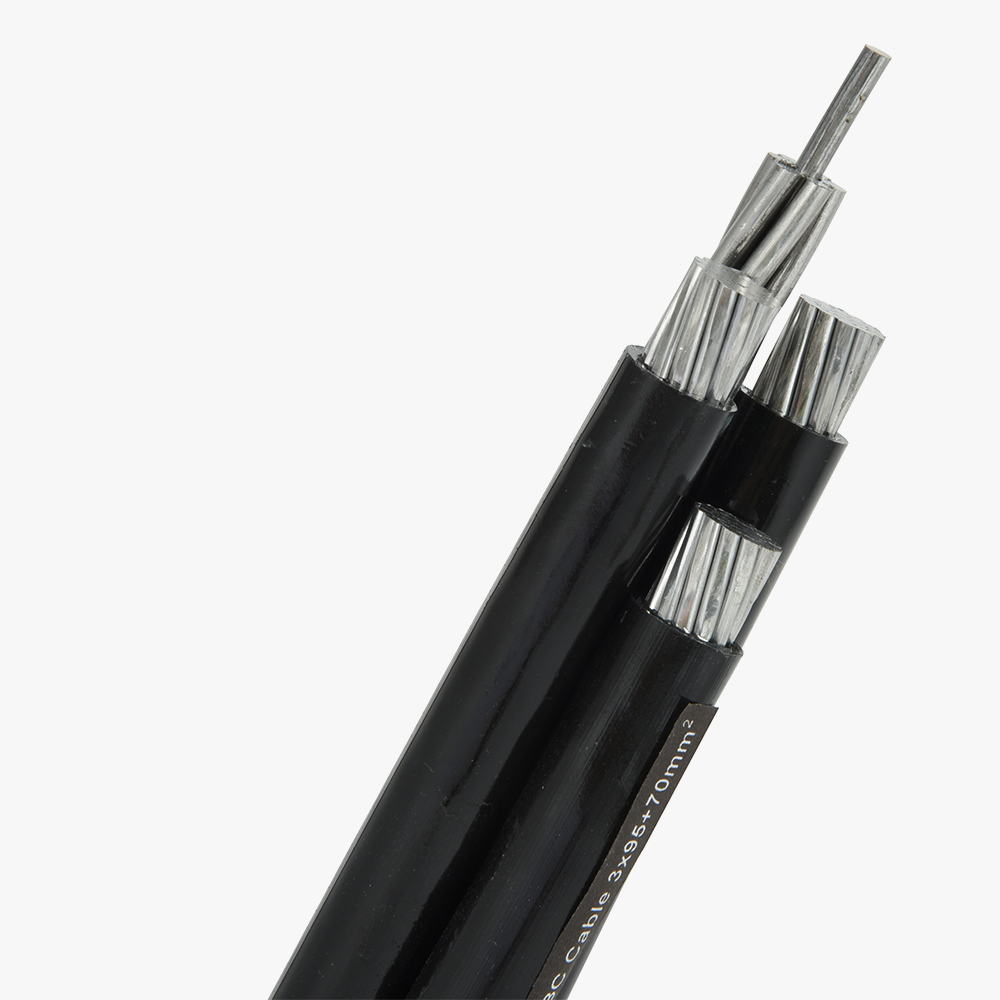
cách điện, các dây dẫn không đạt tiêu chuẩn, và các nhà cung cấp không có khả năng sản xuất thực sự. Những vấn đề này có thể dẫn đến sự cố cách điện, mất năng lượng, và thậm chí là nguy hiểm cho an toàn công cộng. Là một Nhà sản xuất, Nhà cung cấp, và Nhà phân phối, Chúng tôi cung cấp cáp bó dây trên không có thể tùy chỉnh giải pháp với quy trình kiểm soát chất lượng nghiêm ngặt, dây chuyền sản xuất tiên tiến, và hiệu suất đã được chứng minh cho việc truyền tải điện trên không lâu dài.
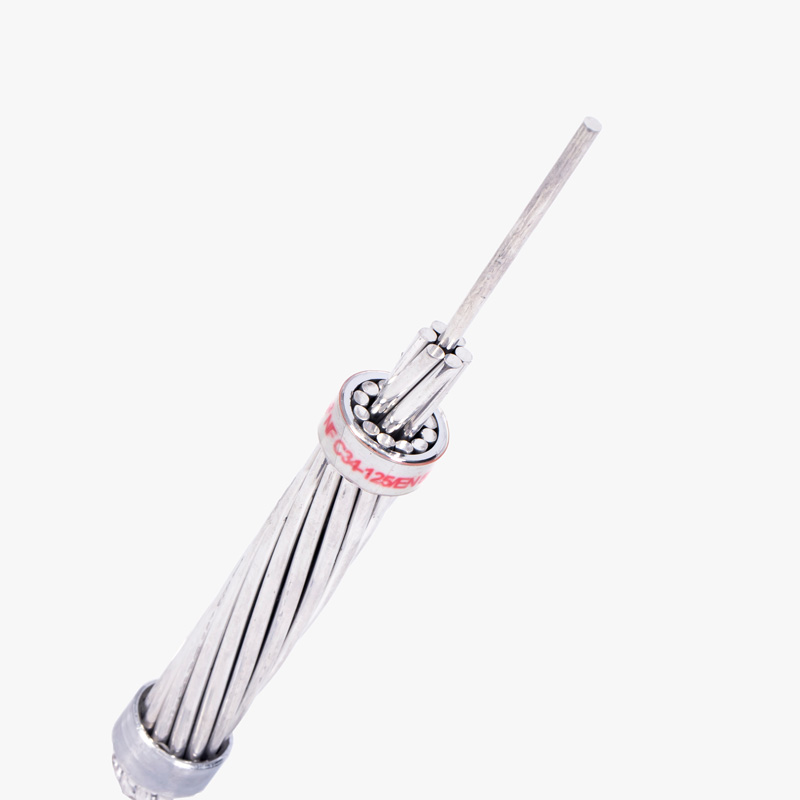
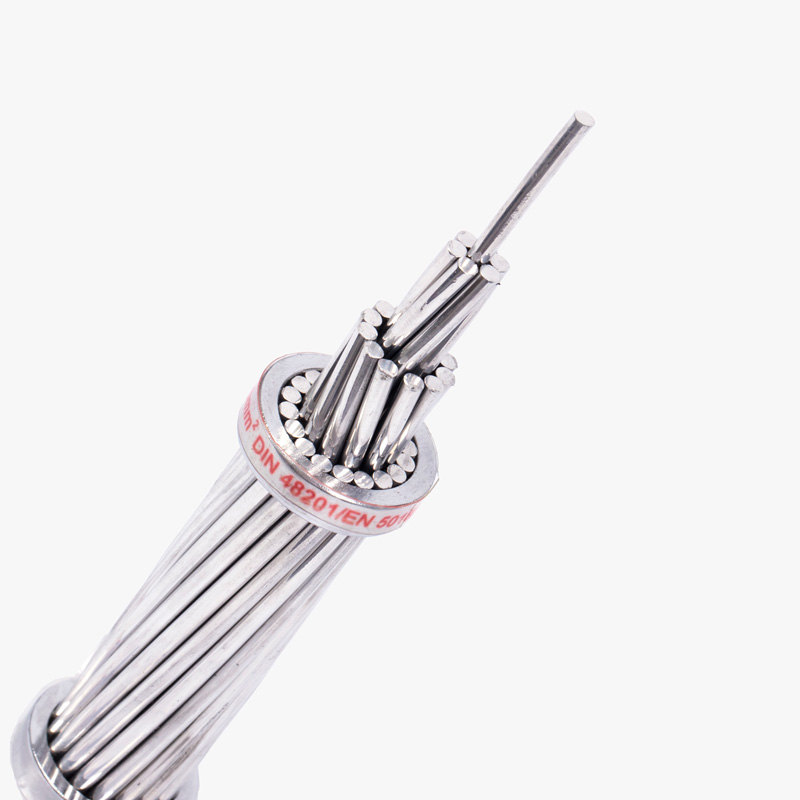
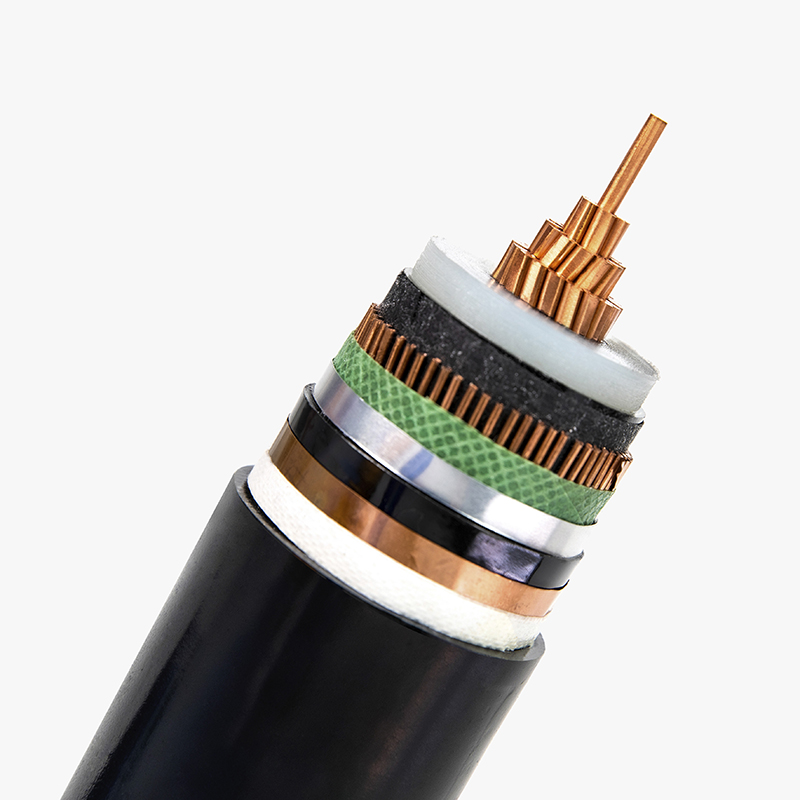
Cáp ABC, còn được biết đến là cáp bó dây trên không, là một giải pháp đường dây điện hiện đại kết hợp các dây dẫn pha cách điện với một dây trung tính để phân phối điện an toàn và đáng tin cậy hơn. Là một nhà sản xuất và cung cấp chuyên nghiệp, chúng tôi cung cấp cáp ABC có thể tùy chỉnh được thiết kế cho độ bền, giảm mất điện, và hiệu suất ổn định trong những môi trường khắc nghiệt.
Việc chọn cáp bó dây trên không đúng là không chỉ là một quyết định kỹ thuật—nó ảnh hưởng trực tiếp đến an toàn, hiệu quả, và chi phí vận hành dài hạn. Hiểu cấu trúc và những lợi ích của nó sẽ giúp bạn đưa ra quyết định mua hàng thông minh.
Những lợi ích của cáp bó dây trên không (cáp ABC)
Một trong những lợi ích lớn nhất của cáp bó dây trên không là an toàn được nâng cao. Khác với các hệ thống đường dây điện trên không trần, cáp ABC có các dây dẫn cách điện mà giảm đáng kể nguy cơ sốc điện, ngắn mạch, và nguy cơ cháy nổ. Điều này làm cho nó đặc biệt phù hợp cho các khu vực dân cư đông đúc, khu vực xây dựng, và các vùng có cây cối gần đường dây điện. Đối với các công ty tiện ích và nhà thầu, điều này có nghĩa là ít tai nạn hơn và rủi ro trách nhiệm pháp lý thấp hơn.
Từ góc độ thương mại, cáp ABC cung cấp tính hiệu quả chi phí trong suốt vòng đời dự án. Mặc dù chi phí vật liệu ban đầu có vẻ cao hơn một chút so với dây dẫn trần, nhưng việc giảm bảo trì, ít sự cố hơn, và tuổi thọ dài hơn dẫn đến tổng chi phí sở hữu thấp hơn. Là một Nhà phân phối và Nhà cung cấp, chúng tôi giúp khách hàng tối ưu hóa thông số kỹ thuật để cân bằng giữa giá cả và hiệu suất.
Một lợi ích chính khác là tính linh hoạt trong lắp đặt. Cáp bó dây trên không nhẹ hơn, dễ dàng xử lý hơn, và yêu cầu ít khoảng cách hơn giữa các cột. Là một Nhà sản xuất với có thể tùy chỉnh khả năng sản xuất, chúng tôi điều chỉnh thiết kế cáp ABC để phù hợp với các mức điện áp khác nhau, các điều kiện khí hậu, và các tiêu chuẩn quy định, đảm bảo tích hợp trơn tru vào các mạng lưới đường dây điện trên không hiện có.
Hướng dẫn cáp ABC về các loại và ứng dụng thực tiễn
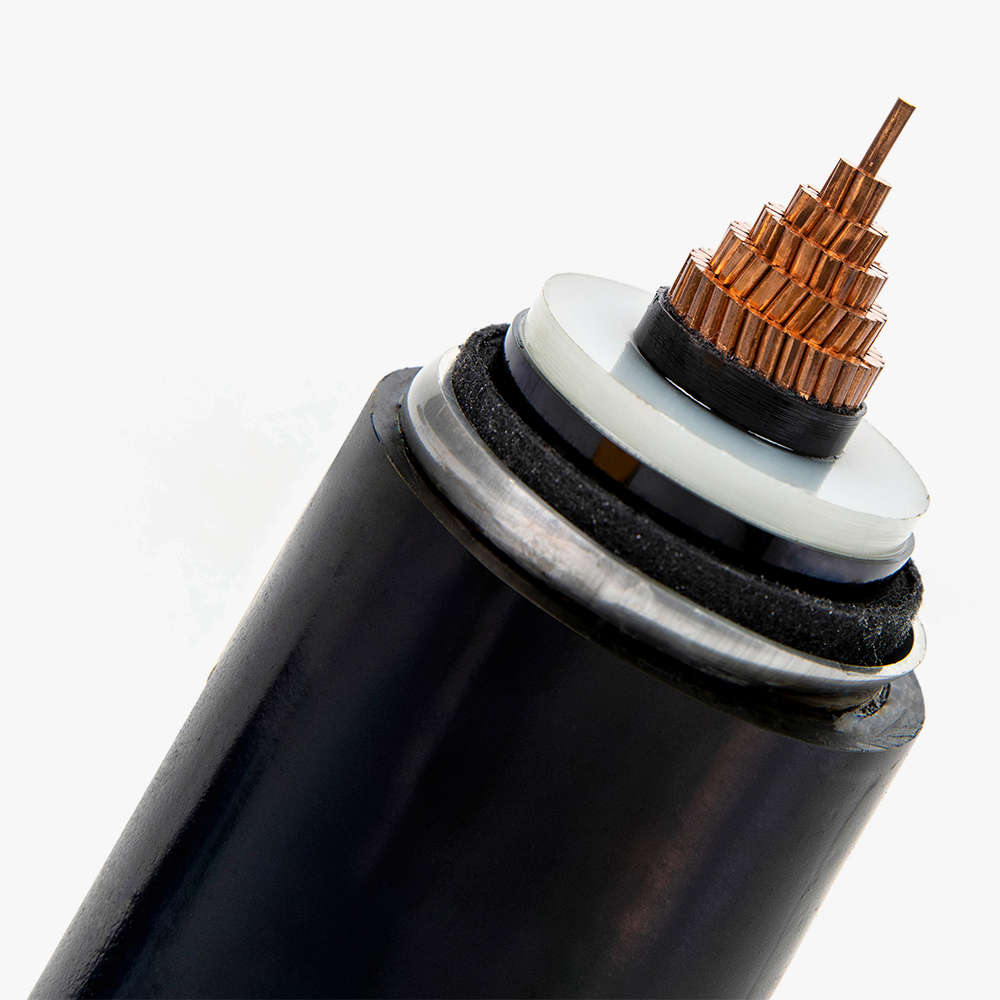
Cáp ABC có nhiều loại, mỗi loại được thiết kế cho các ứng dụng cụ thể. Cáp ABC điện áp thấp thường được sử dụng cho các mạng phân phối dân cư, nguồn điện xây dựng tạm thời, và các dự án điện hóa nông thôn. Cáp bó dây điện áp trung bình, mặt khác, được áp dụng rộng rãi trong các hệ thống phân phối đô thị nơi an toàn và độ tin cậy là rất quan trọng.
Các vật liệu dẫn điện và loại cách điện khác nhau càng mở rộng tính khả dụng của nó. Các dây dẫn nhôm được ưa chuộng do nhẹ và lợi thế về chi phí, trong khi các vật liệu cách điện tiên tiến cải thiện khả năng chống lại bức xạ UV, độ ẩm, và các điều kiện nhiệt độ khắc nghiệt. Là một chuyên gia Nhà cung cấp và Nhà sản xuất, we provide clear technical guidance to help buyers select the right ABC cable type for their overhead line applications.
In practical use, ABC cable performs exceptionally well in areas with frequent weather changes or limited maintenance access. Its bundled structure minimizes conductor movement and phase-to-phase contact, ensuring stable power transmission. For Nhà phân phối and project contractors, customizable packaging, lengths, and markings also simplify logistics and on-site installation.
Common Faults and Issues with ABC Cable You Should Know
Despite its advantages, ABC cable can still experience faults if improperly specified or installed. One common issue is insulation damage caused by low-quality materials or incorrect handling during installation. This can lead to partial discharge, power leakage, and reduced service life of the overhead line.
Another frequent problem is poor conductor jointing. Inadequate connectors or incorrect torque settings may cause overheating at connection points, increasing the risk of failure. This is why sourcing from a reliable Nhà sản xuất và Nhà cung cấp with clear installation guidelines is essential.
Environmental factors can also affect performance. In coastal or industrial areas, exposure to chemicals and pollution may accelerate insulation aging. As an experienced Nhà phân phối, we address these challenges by offering có thể tùy chỉnh aerial bundled cable solutions with enhanced insulation and protective designs suited for harsh operating conditions.
Overhead Insulation ABC Cable for Power Transmission
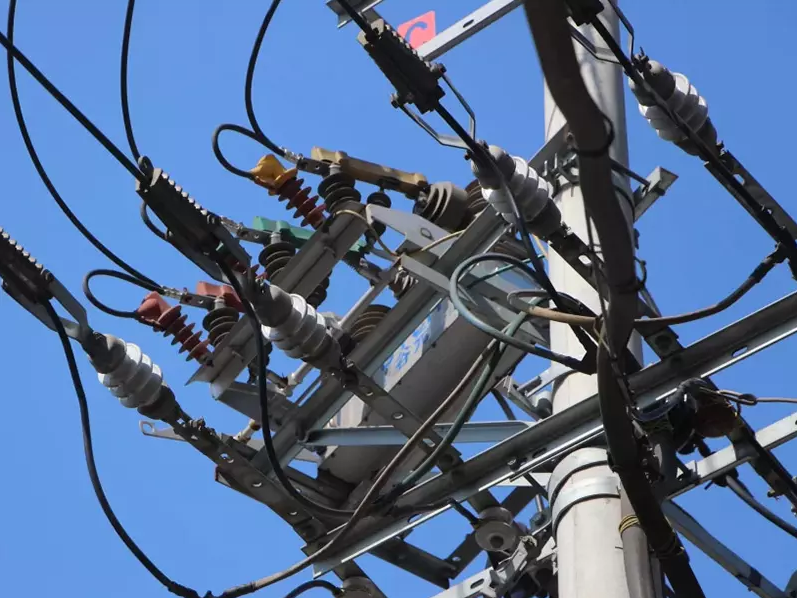
Overhead insulation is a defining feature that sets ABC cable apart from traditional bare conductors.
The insulated design allows overhead line systems to operate safely at reduced clearances, making it ideal for urban expansion and network upgrades without major infrastructure changes.
For power transmission and distribution, insulated aerial bundled cable improves reliability by minimizing faults caused by tree branches, wind, and animal contact. This results in fewer outages and improved service continuity for end users. Utilities increasingly adopt ABC cable as a standard solution for modern overhead line systems.
As a dedicated Nhà sản xuất và Nhà cung cấp, we focus on insulation quality, conductor consistency, and compliance with international standards. Our có thể tùy chỉnh ABC cable products support various voltage classes and project requirements, helping Nhà phân phối and utilities build safer, more efficient power networks.
Kết luận
ABC cable is a reliable, safe, and cost-effective solution for modern overhead line systems. By working with an experienced manufacturer and wholesaler, you gain access to customizable aerial bundled cable that ensures long-term performance and reduced operational risk.