Lỗi cáp, trễ hẹn và chi phí ẩn có đang gây gián đoạn cho các dự án của bạn?
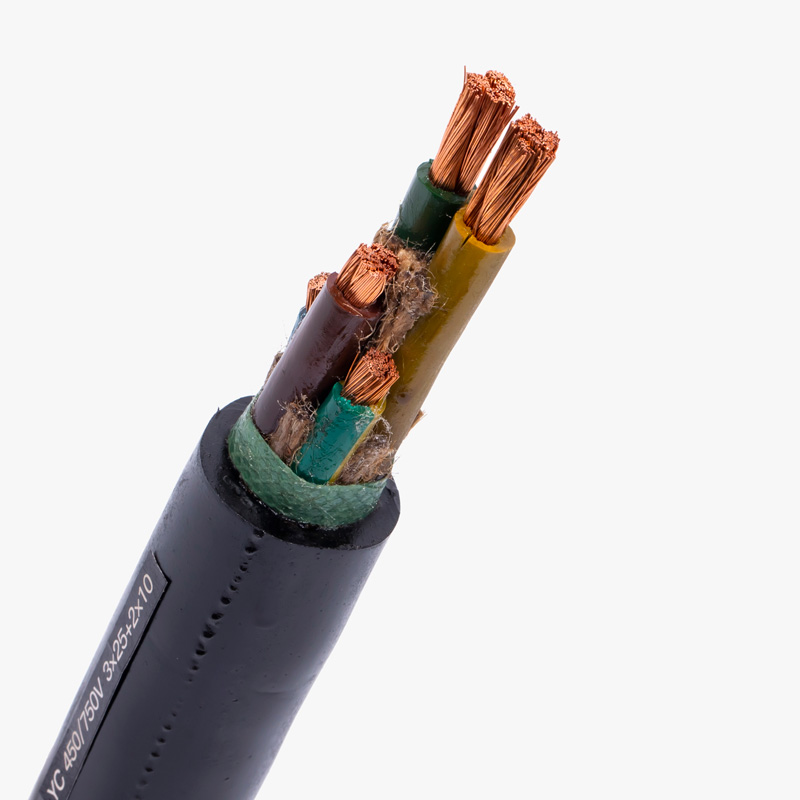
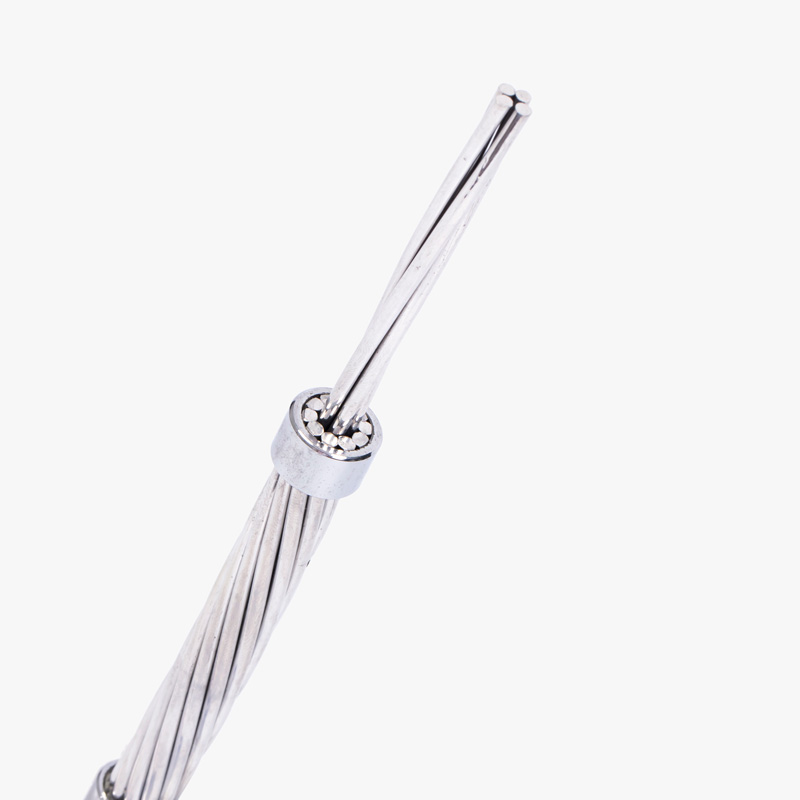
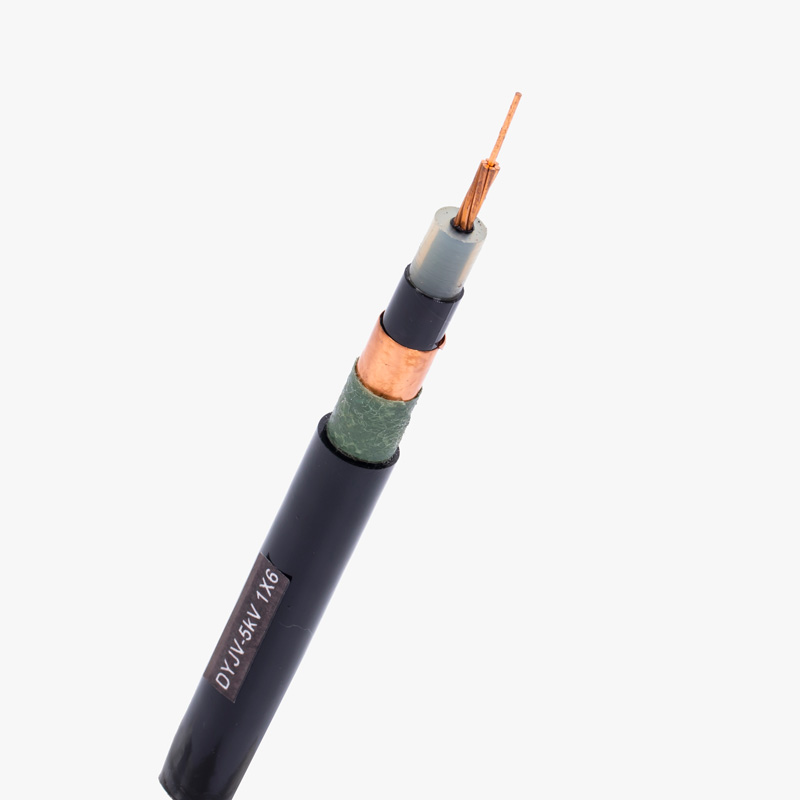
Nhiều Nhà phân phối, Nhà thầu và người mua hàng kỹ thuật gặp khó khăn với sự không nhất quán. Quản lý cáp và nguồn cung cấp không đáng tin cậy. Việc lựa chọn nhà sản xuất kém, thông số kỹ thuật không rõ ràng và kiểm soát chất lượng yếu thường dẫn đến quá nhiệt, rủi ro tuân thủ và chi phí sửa chữa cao. Những vấn đề này trở nên nghiêm trọng hơn khi nhà cung cấp thiếu minh bạch về chứng nhận hoặc năng lực sản xuất. Giải pháp bắt đầu từ việc lựa chọn một nhà cung cấp đã được chứng minh. Nhà sản xuất cáp và áp dụng cấu trúc Quản lý cáp Thực tiễn. Với hơn 30 năm kinh nghiệm trong ngành, QRUNNING là một trong những doanh nghiệp hàng đầu của Trung Quốc Nhà sản xuất của các dây cáp điện có điện áp lên đến 500kV, vận hành 10 dây chuyền sản xuất và cung cấp dịch vụ OEM & ODM, Có thể tùy chỉnh Giải pháp cho các dự án B2B toàn cầu — đảm bảo chất lượng, quy mô và giao hàng đúng hẹn.
Lựa chọn cáp và quản lý cáp Phụ thuộc vào việc lựa chọn một sản phẩm được chứng nhận, có dung lượng cao. Nhà cung cấp Và áp dụng các tiêu chuẩn lắp đặt, đi dây và dán nhãn rõ ràng. Các nhà sản xuất đáng tin cậy giúp giảm thiểu rủi ro, nâng cao hiệu quả và đảm bảo an toàn hệ thống lâu dài—đặc biệt đối với các dự án điện lực và xây dựng quy mô lớn.
Hiểu rõ các nguyên tắc cơ bản về việc lựa chọn và tổ chức dây cáp sẽ giúp bạn tránh được những sai lầm phổ biến và xây dựng hệ thống điện an toàn và hiệu quả hơn từ đầu.
Làm thế nào để chọn nhà sản xuất cáp phù hợp?
Chọn đúng Nhà sản xuất cáp là một quyết định chiến lược có tác động trực tiếp đến an toàn dự án, kiểm soát chi phí và tiến độ giao hàng. Bắt đầu bằng việc xác minh các chứng nhận như ISO, IEC hoặc các tiêu chuẩn khu vực cần thiết cho các dự án lưới điện và xây dựng. Một tổ chức uy tín Nhà sản xuất Cần cung cấp các báo cáo kiểm tra chính xác, quy trình kiểm soát chất lượng minh bạch và nguyên liệu thô có thể truy xuất nguồn gốc. Năng lực sản xuất cũng rất quan trọng—năng lực sản xuất không đủ thường dẫn đến chậm trễ trong việc giao hàng và chất lượng không ổn định.
Người mua có kinh nghiệm cũng đánh giá lịch sử xuất khẩu và uy tín ngành. Một thị trường toàn cầu Nhà cung cấp Với các mối quan hệ đối tác lâu dài tại Châu Phi và Châu Á, chúng tôi thể hiện khả năng thích ứng với các môi trường kỹ thuật và quy định khác nhau. QRUNNING, Ví dụ, hỗ trợ các đơn hàng sỉ số lượng lớn với thời gian giao hàng ổn định và cung cấp Có thể tùy chỉnh Thiết kế cáp cho các dự án đấu thầu và ứng dụng trong nhà máy. Lựa chọn đối tác như vậy giúp giảm thiểu rủi ro và hỗ trợ sự phát triển có thể mở rộng.
Làm thế nào để cải thiện việc quản lý dây cáp?
Hiệu quả Quản lý cáp Bắt đầu từ giai đoạn thiết kế. Kế hoạch rõ ràng về đường đi của cáp, tính toán tải trọng và tách biệt cáp nguồn và cáp điều khiển giúp giảm nhiễu và tích tụ nhiệt. Sử dụng khay, ống dẫn và phương pháp cố định tiêu chuẩn giúp tăng cường an toàn và đơn giản hóa việc bảo trì trong tương lai. Việc dán nhãn và lập tài liệu đúng cách thường bị bỏ qua, nhưng chúng giúp giảm đáng kể thời gian khắc phục sự cố và thời gian ngừng hoạt động của hệ thống.
Chất lượng vật liệu cũng đóng vai trò quan trọng. Vật liệu cách điện chất lượng cao, kích thước dây dẫn chính xác và vật liệu vỏ bọc tuân thủ tiêu chuẩn từ nhà cung cấp đáng tin cậy. Nhà sản xuất cáp Đảm bảo các dây cáp hoạt động đúng như mong đợi dưới tác động của áp lực cơ học và môi trường. Làm việc với chuyên gia. Nhà cung cấp cho phép người mua yêu cầu Có thể tùy chỉnh Chiều dài, màu sắc và bao bì, giúp nâng cao hiệu quả lắp đặt. Quản lý tốt không chỉ là sự gọn gàng—mà còn là sự tin cậy lâu dài của hệ thống.
Tình trạng quản lý dây cáp của bạn như thế nào?
Nhiều công ty chỉ đánh giá Quản lý cáp Khi các vấn đề xuất hiện—quá nhiệt, mất tín hiệu hoặc sự cố bất thường. Hãy tự hỏi liệu các dây cáp hiện tại của bạn có được đánh dấu rõ ràng, được bố trí đúng cách và được cung cấp từ một nguồn đáng tin cậy hay không. Nhà sản xuất. Nếu tài liệu không đầy đủ hoặc các bộ phận thay thế khó tìm, rủi ro vận hành sẽ tăng cao.
Các cuộc kiểm toán định kỳ và đánh giá nhà cung cấp giúp phát hiện sớm các điểm yếu. Hợp tác với một đối tác có kinh nghiệm Nhà phân phối hoặc Nhà cung cấp Một hệ thống cáp hiểu rõ cả quy trình sản xuất và các tình huống ứng dụng sẽ giúp cải tiến liên tục. Với sự hướng dẫn chuyên nghiệp và chất lượng sản phẩm ổn định, hệ thống cáp của bạn có thể chuyển từ một rủi ro tiềm ẩn thành một lợi thế cạnh tranh.
Tóm lại, lựa chọn đúng Nhà sản xuất cáp và áp dụng một cách có kỷ luật Quản lý cáp Các biện pháp thực hành giúp giảm thiểu rủi ro, kiểm soát chi phí và đảm bảo hiệu suất lâu dài của hệ thống điện cho các dự án B2B.