Bạn có đang phân vân không biết nên chọn cáp ngầm hay cáp trên không cho dự án của mình?
Nhiều nhà thầu và công ty điện lực đang đối mặt với thách thức trong việc lựa chọn giữa các dự án cáp ngầm. và cáp trên không. Những lựa chọn sai thường dẫn đến chi phí cao hơn, sự cố thường xuyên hoặc rủi ro an toàn. Hệ thống ngầm giúp giảm tác động của thời tiết nhưng làm tăng chi phí lắp đặt, trong khi đường dây trên không rẻ hơn nhưng dễ bị tổn thương hơn. Giải pháp nằm ở việc hiểu rõ điểm mạnh và hạn chế của cả hai phương án. Tại QRUNNING, một nhà sản xuất và nhà phân phối với hơn 30 năm kinh nghiệm, chúng tôi cung cấp các sản phẩm được chứng nhận, có thể điều chỉnh được thiết kế để bền bỉ. Năng lực sản xuất quy mô lớn của chúng tôi bảo đảm nguồn cung ổn định và hiệu suất đáng tin cậy, khiến chúng tôi trở thành một đối tác đáng tin cậy nhà cung cấp cho các dự án toàn cầu.
Cáp ngầm mang lại độ bền và an toàn, trong khi cáp trên không có chi phí hiệu quả hơn và dễ bảo trì hơn. Việc lựa chọn phụ thuộc vào quy mô dự án, ngân sách và các yếu tố môi trường.
Giờ hãy cùng tìm hiểu sâu hơn về cả hai loại cáp, sự khác biệt về chi phí và các yếu tố hiệu suất để giúp bạn đưa ra lựa chọn tốt nhất cho dự án của mình.
Cáp ngầm là gì?
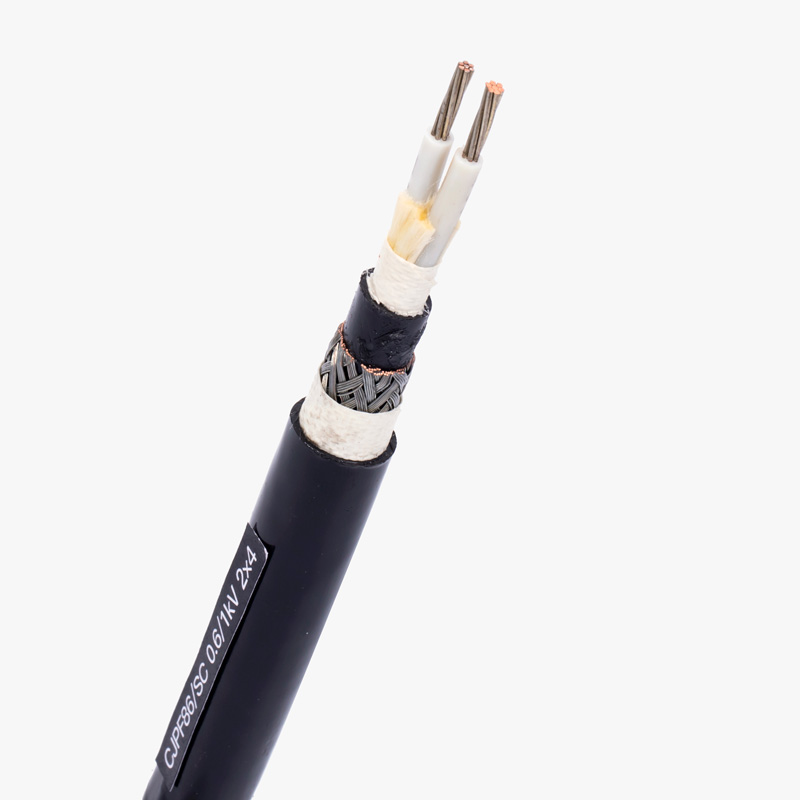
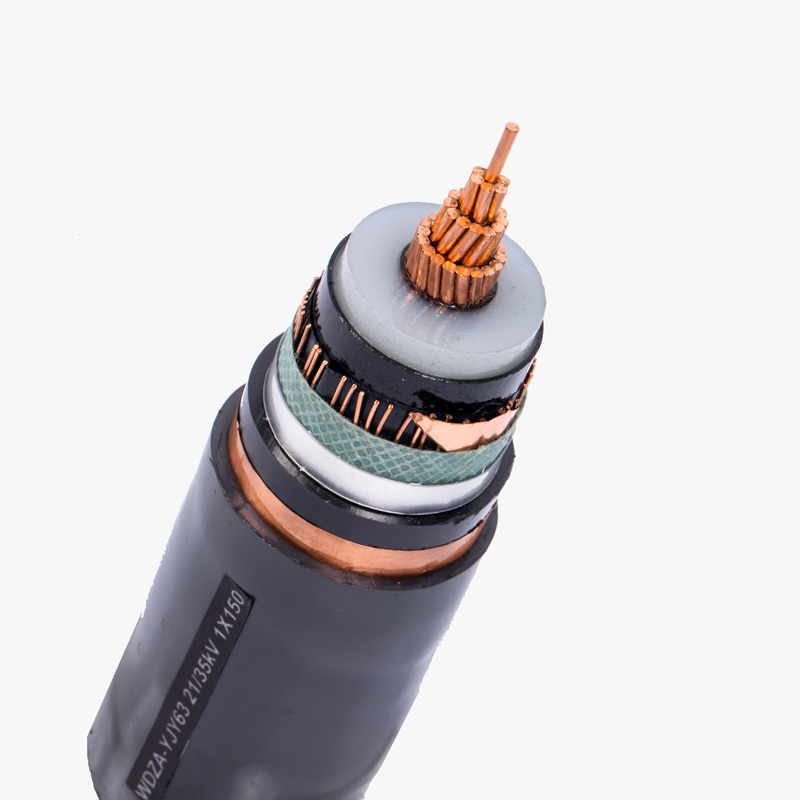
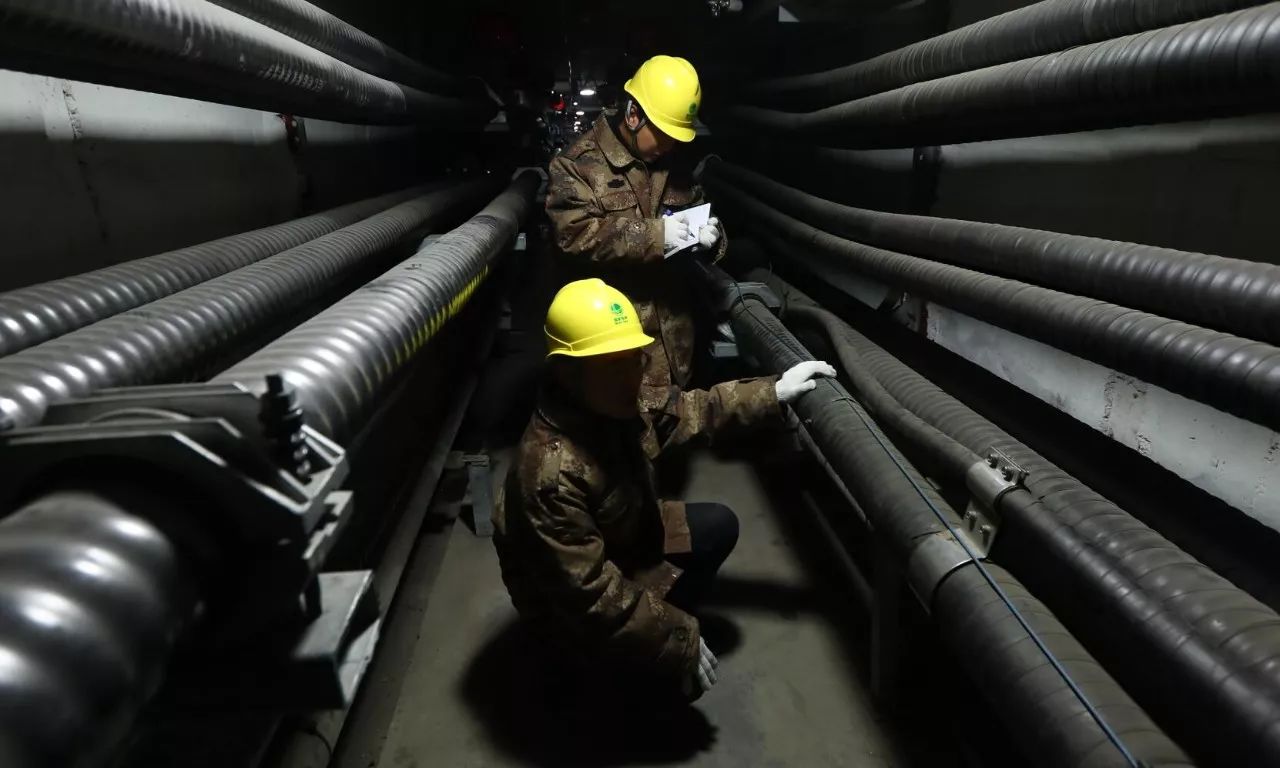
Cáp ngầm, thường được gọi là các loại cáp UG, được lắp đặt dưới bề mặt để truyền tải điện một cách an toàn. Nó được thiết kế với các lớp cách điện và bảo vệ để chống lại áp lực của đất, độ ẩm và những hư hại tiềm ẩn do các điều kiện bên ngoài. Những loại cáp này rất phù hợp cho khu vực đô thị, cảnh quan nhạy cảm hoặc các dự án mà tính thẩm mỹ và an toàn là ưu tiên hàng đầu.
Các lợi ích chính bao gồm giảm nguy cơ mất điện do bão, ít bị tác động bởi hư hại từ bên ngoài hơn và vẻ ngoài gọn gàng hơn so với dây trên không. Tuy nhiên, hệ thống ngầm đòi hỏi phải lập kế hoạch chuyên nghiệp, vật liệu tiên tiến và phương pháp lắp đặt chính xác, khiến chi phí ban đầu cao hơn. Khi làm việc với một nhà sản xuất và nhà cung cấp, người mua có thể đảm bảo sử dụng các loại bền bỉ, có thể điều chỉnh có tuổi thọ hệ thống dài hơn và giảm chi phí bảo trì lâu dài.
Các bài viết liên quan:Chọn cáp UG phù hợp cho các dự án – Qrunning Wire And Cable
Hiểu về Lợi ích của Cáp UG – Qrunning Wire And Cable
Cáp trên không là gì?
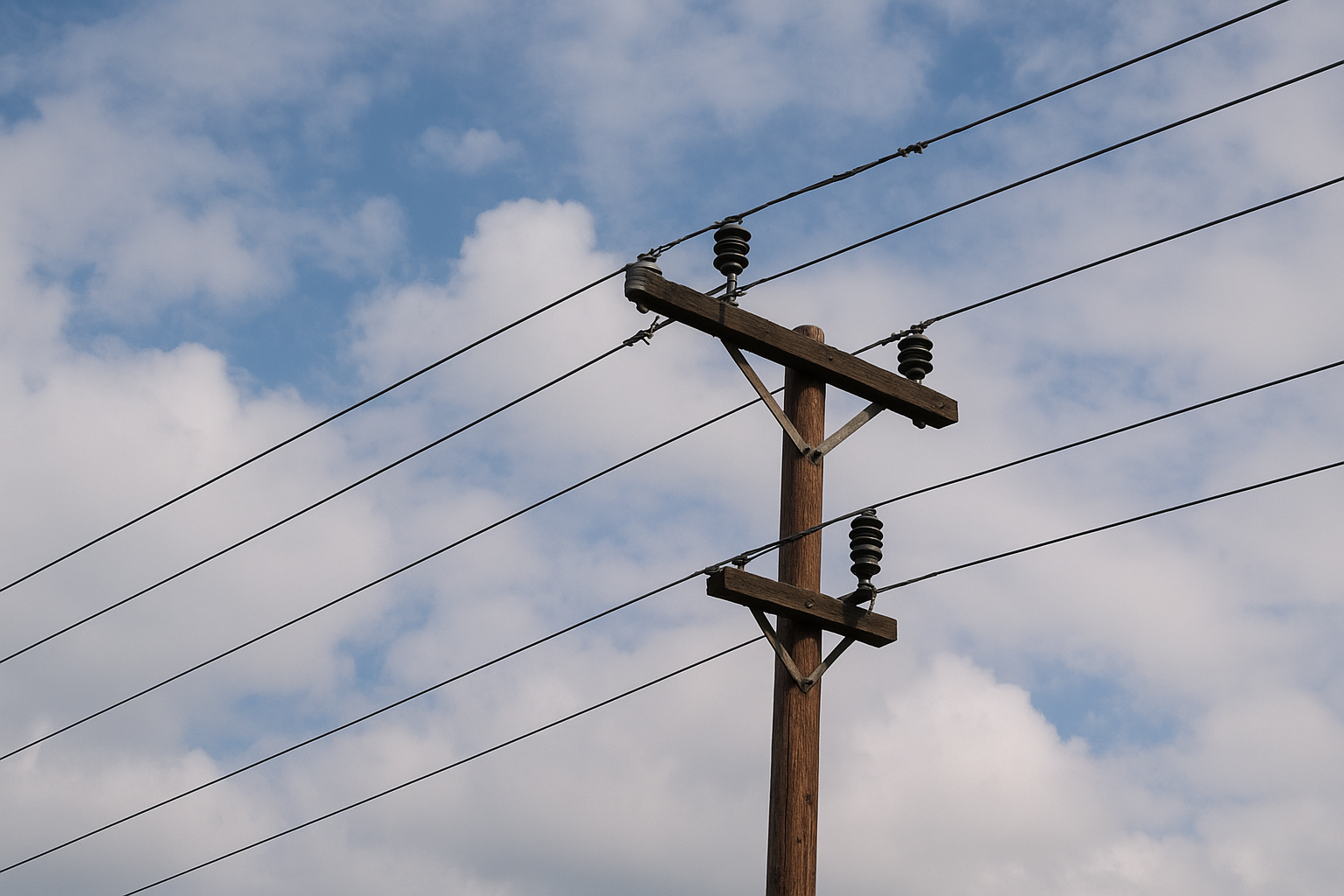
Cáp trên không là phương pháp truyền tải điện truyền thống bằng cách sử dụng các dây dẫn được đỡ bằng cột hoặc tháp phía trên mặt đất. Những loại cáp này được sử dụng rộng rãi nhờ chi phí thấp, dễ lắp đặt và quy trình sửa chữa đơn giản. Đối với các mạng lưới nông thôn quy mô lớn và các dự án tạm thời, đường dây trên không thường là giải pháp thực tế nhất.
Mặc dù có nhiều ưu điểm, các hệ thống đường dây trên không phải đối mặt với nguy cơ bị ảnh hưởng bởi thời tiết, cây đổ và các sự cố bên ngoài, dẫn đến các lỗi xảy ra thường xuyên hơn. Chúng cũng gây tác động trực quan và môi trường lớn hơn so với các hệ thống đi ngầm. Tuy vậy, khi ngân sách và tiến độ là mối quan tâm hàng đầu, cáp trên không vẫn là một lựa chọn đáng tin cậy, đặc biệt khi được cung cấp từ các nhà cung cấp uy tín nhà phân phối đảm bảo tuân thủ các tiêu chuẩn chất lượng quốc tế.
Bài viết liên quan:Hiểu về các tiêu chuẩn an toàn cho cáp điện trên không – Qrunning Wire And Cable
Chi phí lắp đặt cho cáp ngầm và cáp trên không
Một trong những khác biệt lớn nhất giữa các dự án cáp ngầm. và cáp trên không là chi phí. Việc lắp đặt các hệ thống ngầm đòi hỏi đào rãnh, cách nhiệt, các lớp bảo vệ và nhân công chuyên môn, khiến khoản đầu tư ban đầu cao hơn đáng kể. Công tác bảo trì cũng có thể phức tạp hơn, vì việc xác định sự cố dưới lòng đất thường cần thiết bị kiểm tra tiên tiến.
Ngược lại, các hệ thống trên không có chi phí lắp đặt thấp hơn, với kết cấu đơn giản hơn và thời gian sửa chữa nhanh hơn. Tuy nhiên, tình trạng hư hỏng thường xuyên do bão, động vật hoang dã và các yếu tố môi trường có thể làm tăng chi phí vận hành dài hạn. Các nhà thầu và doanh nghiệp kỹ thuật phải cân nhắc khoản đầu tư ban đầu cao hơn của cáp UG so với tần suất sửa chữa của đường dây trên không có thể cao hơn. Hợp tác với một đơn vị chuyên nghiệp nhà sản xuất như QRUNNING sẽ đảm bảo tiếp cận các giải pháp hiệu quả về chi phí, có thể tùy chỉnh các tùy chọn cân bằng giữa hiệu suất và ngân sách.
| Hạng mục so sánh | Cáp ngầm | Dây cáp treo |
|---|---|---|
| Chi phí lắp đặt ban đầu | Cao (đòi hỏi đào rãnh, cách điện, các lớp bảo vệ và nhân công chuyên môn) | Thấp (cấu trúc đơn giản hơn và quy trình lắp đặt trực tiếp hơn) |
| Độ phức tạp của bảo trì | Cao (thường cần thiết bị kiểm tra tiên tiến để xác định vị trí sự cố ngầm) | Thấp (việc sửa chữa nhanh hơn và không cần các bước xác định vị trí sự cố phức tạp) |
| Chi phí vận hành dài hạn | Tương đối ổn định (không bị hư hại thường xuyên do các yếu tố môi trường) | Cao hơn (dễ bị hư hại bởi bão, động vật hoang dã và các yếu tố môi trường, tăng tần suất sửa chữa) |
Cáp điện ngầm hay cáp điện trên không, cái nào tốt hơn?
Không có câu trả lời chung—việc lựa chọn giữa các dự án cáp ngầm. và cáp trên không phụ thuộc vào điều kiện dự án. Đối với các khu vực đô thị đông đúc, bệnh viện, sân bay, và các dự án cần nguồn điện không bị gián đoạn, cáp ngầm cung cấp độ tin cậy và an toàn vô song. Ngược lại, hệ thống trên không phù hợp với các dự án nông thôn hoặc tạm thời nơi hiệu quả chi phí và thời gian lắp đặt nhanh hơn quan trọng hơn mỹ quan.
Cả hai lựa chọn đều đóng vai trò quan trọng trong các mạng lưới điện hiện đại. Phương pháp tốt nhất thường bao gồm việc kết hợp—sử dụng hệ thống ngầm trong các khu vực rủi ro cao hoặc có giá trị cao trong khi dựa vào dây trên không ở những nơi mà chi phí và khả năng tiếp cận là quan trọng nhất. Làm việc với một chuyên gia nhà cung cấp đảm bảo rằng sự kết hợp dự án với các sản phẩm chứng nhận đáp ứng các tiêu chuẩn hiệu suất toàn cầu.
Kết luận
Cả hai các dự án cáp ngầm. và cáp trên không đều mang lại những lợi ích độc đáo—việc chọn loại phù hợp phụ thuộc vào ngân sách, môi trường và nhu cầu độ tin cậy. QRUNNING cung cấp các giải pháp tùy chỉnh để đảm bảo sự thành công của từng dự án.