Cáp chống cháy hoặc cáp chịu lửa là gì?
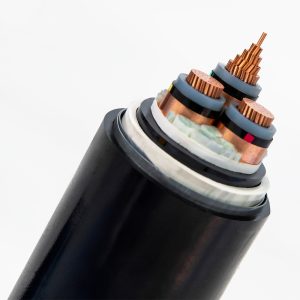
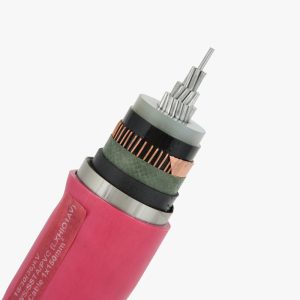
Cáp chống cháy và cáp chịu lửa là những thành phần quan trọng để nâng cao an toàn trong các tòa nhà, môi trường công nghiệp và hệ thống giao thông. Những cáp này được thiết kế để hạn chế sự lan rộng của ngọn lửa hoặc duy trì chức năng trong suốt quá trình xảy ra hỏa hoạn. Cáp chống cháy ngăn chặn sự lan rộng của ngọn lửa dọc theo chiều dài của cáp, trong khi cáp chịu lửa đảm bảo rằng cáp vẫn có thể hoạt động trong thời gian xảy ra hỏa hoạn, cho phép các mạch điện vẫn được nguyên vẹn trong một khoảng thời gian giới hạn.
Khi nào nên sử dụng cáp chống cháy?
Cáp chống cháy nên được sử dụng trong những môi trường có nguy cơ xảy ra hỏa hoạn, nhưng không cần duy trì hoạt động điện liên tục trong suốt thời gian xảy ra hỏa hoạn. Chúng rất phù hợp để sử dụng trong các tòa nhà thương mại và chung cư, cũng như trong các mạch điện không thiết yếu, nơi việc ngăn chặn lửa lan rộng là điều cần thiết để bảo vệ tính mạng và tài sản.
Khi nào nên sử dụng cáp chịu lửa?
Cáp chịu lửa cần thiết trong các ứng dụng mà việc duy trì sự liên tục điện trong hỏa hoạn là rất quan trọng, chẳng hạn như trong các hệ thống chiếu sáng khẩn cấp, mạch báo cháy và các hệ thống điều khiển. Các công ty như Prysmian Group cung cấp một loạt cáp chịu lửa được thiết kế để hoạt động dưới điều kiện khắc nghiệt, đảm bảo an toàn và tính năng của hệ thống ngay cả trong những tình huống nguy hiểm.
Đọc tiếp để khám phá những khác biệt chi tiết giữa hai loại cáp này và cách chọn loại phù hợp cho nhu cầu của bạn.
Các đặc tính cấu trúc của cáp chống cháy
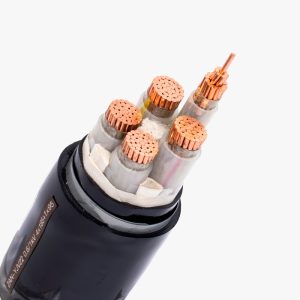
Cáp chống cháy được thiết kế đặc biệt để ngăn chặn sự lan rộng của lửa dọc theo chiều dài của chúng. Vỏ bọc ngoài của cáp chống cháy thường được làm từ các vật liệu như PVC hoặc hợp chất không chứa halogen, được xử lý bằng các hóa chất chống cháy. Các hóa chất này làm chậm quá trình cháy, giảm nguy cơ lửa lan rộng đến các khu vực khác. Tuy nhiên, cáp chống cháy không được thiết kế để duy trì hiệu suất trong trường hợp xảy ra hỏa hoạn, vì chức năng chính của chúng là ngăn chặn lửa lan rộng dọc theo cáp. Những cáp này thường được sử dụng ở các khu vực có mối lo ngại về nguy cơ cháy thấp nhưng việc phòng ngừa cháy vẫn là điều cần thiết.
Các đặc tính cấu trúc của cáp chịu lửa
Cáp chịu lửa được cấu tạo từ các vật liệu được thiết kế để duy trì tính toàn vẹn và hiệu suất điện ngay cả trong nhiệt độ cao. Khác với cáp chống cháy, cáp chịu lửa sử dụng cách nhiệt chịu lửa đặc biệt, thường được làm bằng mica hoặc các vật liệu chịu nhiệt khác, đảm bảo rằng cáp vẫn có thể hoạt động trong một đám cháy. Những cáp này được thiết kế để sử dụng trong các hệ thống quan trọng, chẳng hạn như các mạch khẩn cấp, nơi điều cần thiết là cáp vẫn hoạt động, cung cấp nguồn điện hoặc truyền tín hiệu liên tục ngay cả khi tiếp xúc với nhiệt độ cực cao. Cáp chịu lửa thường đắt hơn cáp chống cháy, nhưng khả năng hoạt động trong một đám cháy của chúng làm cho chúng trở thành những thiết bị vô giá trong các môi trường có nguy cơ cao.
Cáp nào là tốt nhất để sử dụng trong điều kiện hỏa hoạn?
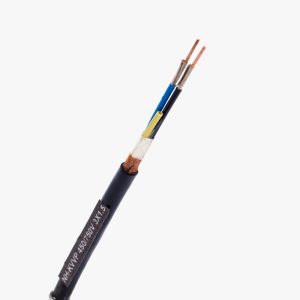
Trong các tình huống có nguy cơ cháy hoặc khẩn cấp, cáp chịu lửa là lựa chọn tốt nhất. Những cáp này được thiết kế đặc biệt để duy trì chức năng của chúng trong một đám cháy, khiến chúng trở thành thiết yếu cho các hệ thống như báo cháy, đèn khẩn cấp và hệ thống thoát hiểm. Cáp chống cháy, mặt khác, phù hợp hơn cho các ứng dụng chung nơi cần thiết phải có khả năng chống cháy để ngăn chặn lửa lan rộng nhưng không cần hoạt động liên tục.
Lắp đặt cáp chống cháy
Việc lắp đặt cáp chống cháy yêu cầu xem xét cẩn thận môi trường và các rủi ro cháy cụ thể. Những cáp này nên được lắp đặt ở những nơi có nguy cơ xảy ra hỏa hoạn, nhưng nơi không cần thiết phải duy trì hoạt động trong tình huống xảy ra hỏa hoạn. Việc đảm bảo rằng các cáp được lắp đặt với khoảng cách hợp lý để cho phép việc dập lửa hiệu quả là rất quan trọng. Thông thường, cáp chống cháy được đặt trong các ống hoặc khay bảo vệ giúp ngăn chặn sự lan rộng của lửa đến các khu vực cạnh bên. Việc bịt kín đúng cách tại các điểm vào và ra của cáp cũng đóng vai trò quan trọng trong việc đảm bảo tính chống cháy được duy trì trong suốt tuổi thọ của cáp.
Lắp đặt cáp chịu lửa
Khi lắp đặt cáp chịu lửa, mối quan tâm chính là đảm bảo rằng các cáp duy trì chức năng của chúng trong một đám cháy. Những cáp này nên được lắp đặt trong các ống hoặc ống dẫn chịu lửa và, khi cần thiết, được gia cố với các biện pháp bảo vệ bổ sung như lớp phủ chống cháy. Cũng rất quan trọng để đảm bảo rằng các cáp được kết nối với các hệ thống có thể hỗ trợ hoạt động của chúng trong điều kiện hỏa hoạn, chẳng hạn như hộp nối hoặc vỏ chịu lửa. Cáp chịu lửa cũng nên được kiểm tra để đảm bảo tuân thủ các tiêu chuẩn về cháy liên quan nhằm đảm bảo chúng hoạt động như mong đợi trong trường hợp khẩn cấp.
Sự khác biệt giữa cáp chống cháy và cáp chịu lửa
Cáp chống cháy ngăn chặn sự lan rộng của lửa dọc theo chiều dài của chúng, trong khi cáp chịu lửa được thiết kế để duy trì chức năng điện trong một đám cháy, đảm bảo các hệ thống quan trọng vẫn hoạt động.