How Can You Avoid Costly Failures by Choosing the Wrong PV Wire?
Are you a Nhà phân phối, EPC contractor, or solar project buyer worried about system failures caused by incorrect dây năng lượng mặt trời selection? Many photovoltaic projects suffer from overheating, insulation cracking, or early aging because buyers focus only on price while ignoring standards, materials, and environmental conditions. These mistakes can lead to power loss, safety hazards, and costly downtime. The solution is selecting certified, application-matched photovoltaic cable products from a reliable Nhà sản xuất. With over 30 years of cable industry experience, QRUNNING provides TÜV-approved, IEC-compliant, and Có thể tùy chỉnh solar cable solutions designed for long-term reliability, stable performance, and diverse climate conditions.
Choosing the right PV wire requires compliance with IEC and TÜV standards, suitable conductor materials, wide temperature tolerance, and accurate matching to photovoltaic system conditions to ensure safety, efficiency, and long service life.
Understanding the technical differences behind PV wire options will help you make informed decisions and protect your photovoltaic investment.
Key Standards for PV Wires: IEC 60228 and TÜV Certifications
Why Standards Matter in Photovoltaic Systems
International standards play a critical role in ensuring the safety and performance of every dây năng lượng mặt trời used in solar installations. IEC 60228 defines conductor classes, resistance limits, and structural requirements, ensuring consistent electrical conductivity and mechanical flexibility. Meanwhile, TÜV chứng nhận xác nhận rằng photovoltaic cable sản phẩm đáp ứng các bài kiểm tra an toàn, lão hóa và kháng môi trường nghiêm ngặt.
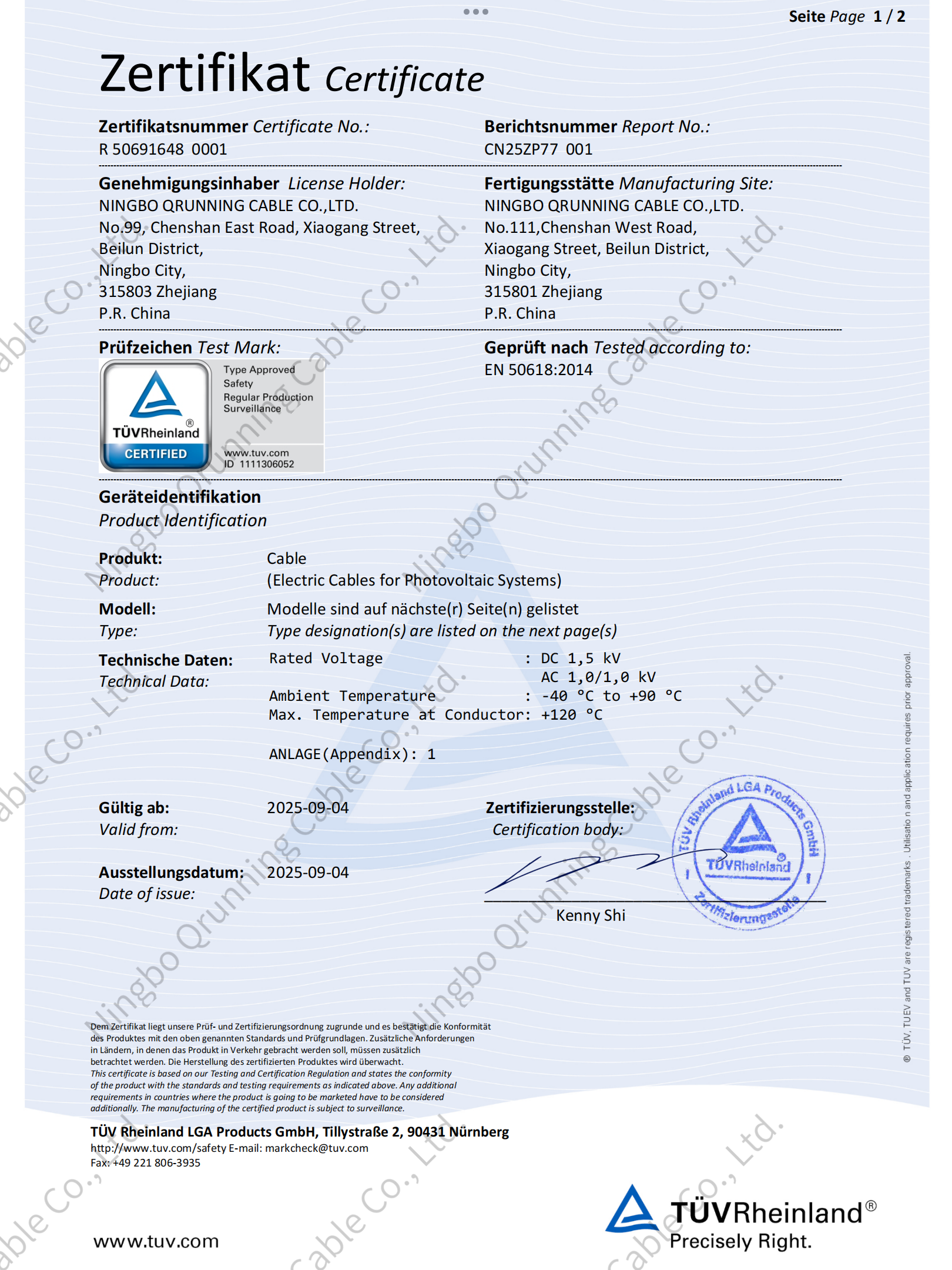
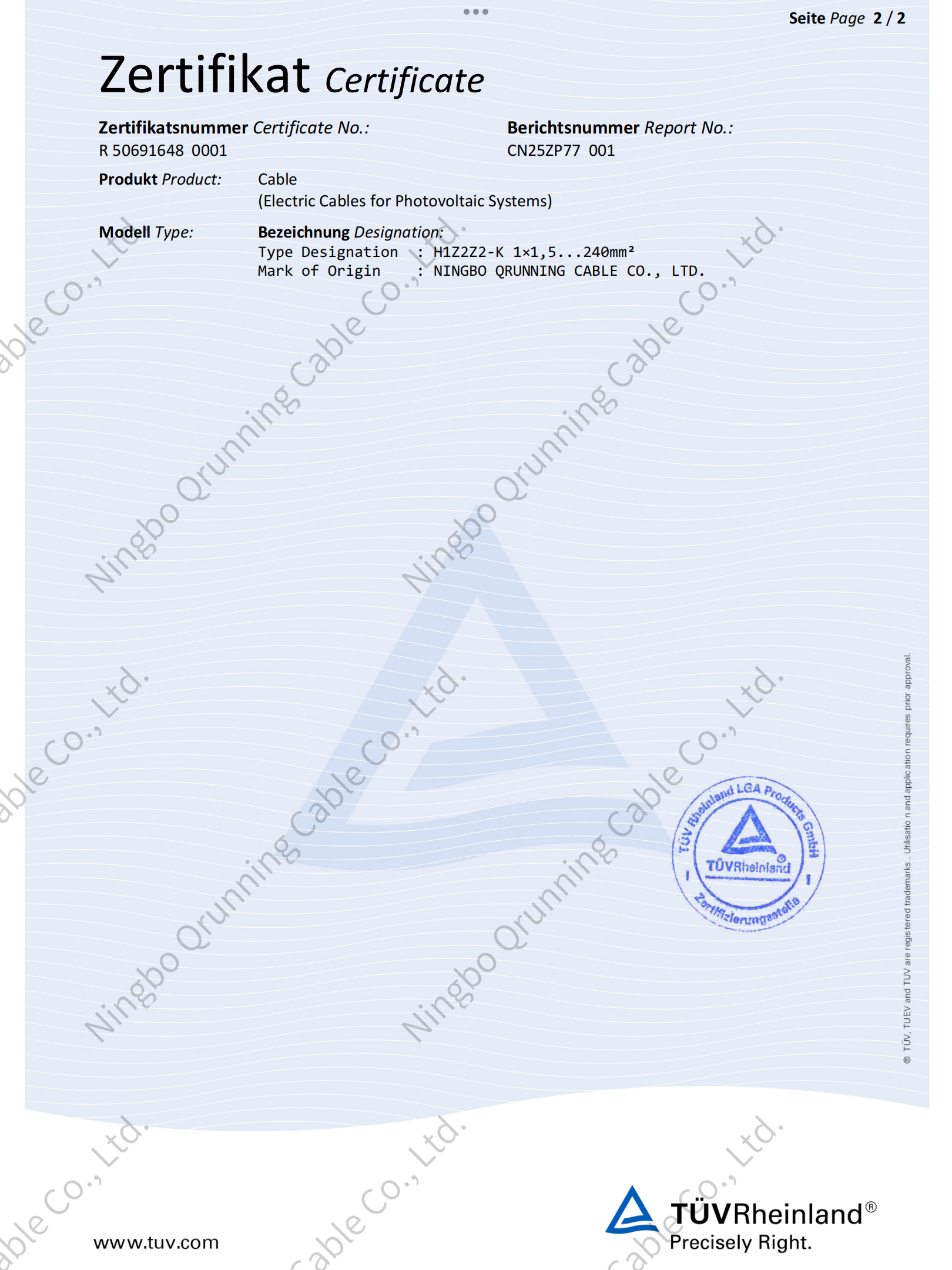
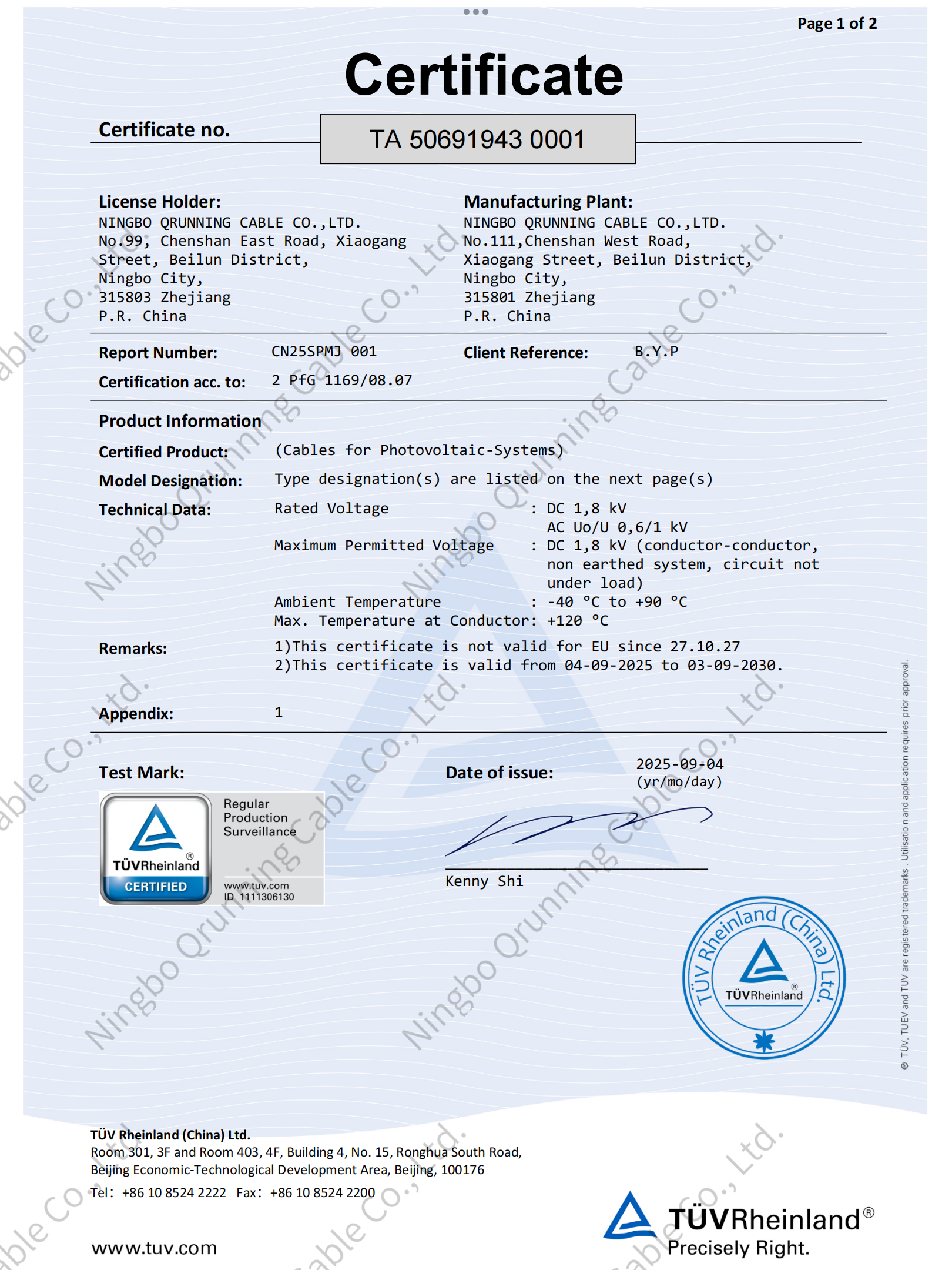
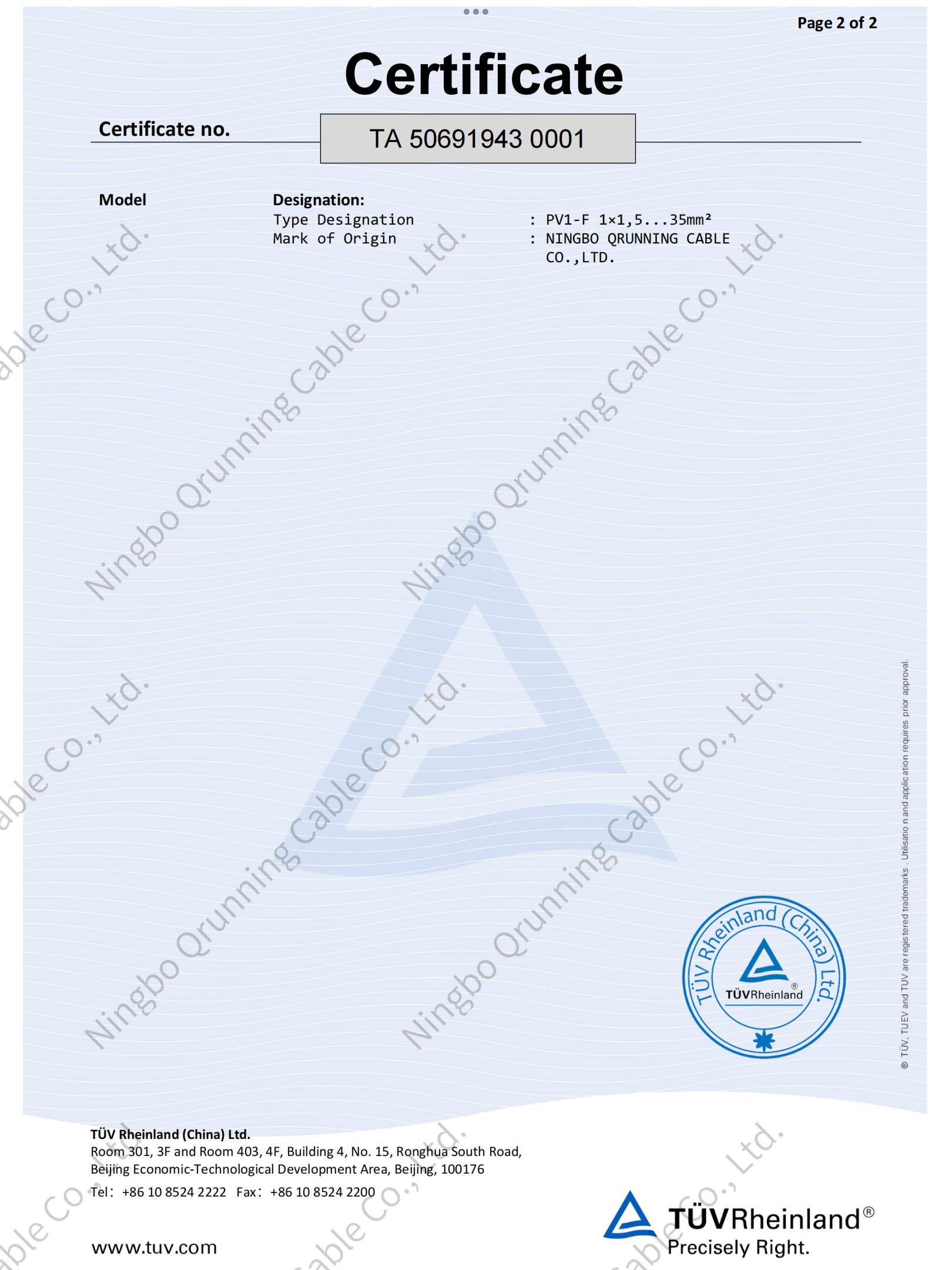
Các sản phẩm được công nhận phổ biến trong ngành như cáp PV1-F và cáp H1Z2Z2-K được thiết kế để tuân thủ các tiêu chuẩn này. Làm việc với một Nhà cung cấp và Nhà sản xuất đảm bảo chứng nhận hợp lệ, ngăn ngừa rủi ro do tài liệu tuân thủ bị giả mạo hoặc không đầy đủ.
Đây là các TÜV chứng nhận(cáp PV1-F và cáp H1Z2Z2-K):
Chứng nhận như một công cụ kiểm soát rủi ro
Đối với các dự án quy mô tiện ích và thương mại, sản phẩm đã được chứng nhận solar cable đơn giản hóa quy trình phê duyệt và cải thiện khả năng tài trợ cho hệ thống. Nhà phân phối và các nhà thầu được hưởng lợi từ chất lượng đồng nhất, hiệu suất có thể dự đoán, và giảm thiểu rủi ro bảo trì khi các dây cáp tiêu chuẩn được sử dụng trên các dự án.
Vật liệu dẫn điện: Đồng so với Nhôm cho các ứng dụng PV
Dây dẫn đồng trong dây PV
Đồng vẫn là vật liệu dẫn điện được sử dụng rộng rãi nhất trong dây năng lượng mặt trời do khả năng dẫn điện tuyệt vời, tính linh hoạt và khả năng chống ăn mòn. Dựa trên đồng photovoltaic cable hỗ trợ giảm thiểu tổn thất điện trở và truyền tải dòng điện ổn định, làm cho nó trở nên lý tưởng cho các hệ thống năng lượng mặt trời trên mái và hiệu suất cao.
Ngoài ra, dây dẫn đồng hoạt động tốt dưới các chu kỳ nhiệt độ thường xuyên, điều này rất phổ biến trong các ứng dụng năng lượng mặt trời. Các Manufacturers thường cung cấp Có thể tùy chỉnh thiết kế dẫn điện đồng phù hợp với cấp điện áp, phương pháp lắp đặt và quy định địa phương.
Dẫn điện bằng nhôm: Ưu điểm về chi phí và trọng lượng
Nhôm các dẫn điện mang lại lợi thế trong các trang trại năng lượng mặt trời quy mô lớn nơi việc giảm trọng lượng và kiểm soát chi phí là ưu tiên hàng đầu. Mặc dù nhôm có điện trở cao hơn đồng, nhưng các thiết kế dẫn điện hiện đại và kích thước phù hợp giúp giảm thiểu tổn thất hiệu suất.
Lựa chọn dựa trên nhôm dây năng lượng mặt trời cần xem xét cẩn thận các phương pháp kết thúc và các biện pháp chống ôxy hóa. Một Nhà cung cấp người có kinh nghiệm có thể cung cấp hướng dẫn kỹ thuật để đảm bảo ứng dụng dây dẫn nhôm an toàn và tuân thủ.
Phạm vi nhiệt độ: Thích nghi với khí hậu khắc nghiệt
Hiệu suất nhiệt của dây PV
Các lắp đặt photovoltaics thường hoạt động trong các môi trường khắc nghiệt, bao gồm sa mạc, khu vực ven biển và vùng núi cao. Một dây năng lượng mặt trời sản phẩm chất lượng cao phải chịu được dải nhiệt độ rộng mà không bị nứt, mềm hoặc mất tính toàn vẹn của lớp cách điện. Các sản phẩm như cáp H1Z2Z2-K được thiết kế để hoạt động đáng tin cậy từ nhiệt độ dưới không và cho đến nhiệt độ cực cao.
Các vật liệu cách điện tiên tiến và các hợp chất liên kết chéo cho phép solar cable sản phẩm chống lại bức xạ UV, ozone và độ ẩm. Việc chọn một Nhà sản xuất nhà cung cấp có chuyên môn vật liệu đã được chứng minh đảm bảo hiệu suất nhất quán trong suốt vòng đời của hệ thống.
Tùy chỉnh theo khí hậu cụ thể
Có thể tùy chỉnh các xếp hạng nhiệt độ và độ dày lớp cách điện giúp thích nghi photovoltaic cable các thiết kế với các thách thức khí hậu địa phương. Sự linh hoạt này đặc biệt giá trị cho các nhà cung cấp quốc tế Nhà phân phối cung cấp các thị trường đa dạng.
Hiểu biết về yêu cầu và điều kiện hoạt động của hệ thống PV
Cáp phù hợp với thiết kế hệ thống
Mỗi hệ thống điện mặt trời đều có những yêu cầu điện và cơ khí độc đáo. Xếp hạng điện áp, dung lượng dòng điện, phương pháp lắp đặt và điều kiện tiếp xúc đều ảnh hưởng đến việc chọn lựa đúng dây năng lượng mặt trời. Việc sử dụng cáp không đủ kích thước hoặc không phù hợp solar cable có thể dẫn đến quá nhiệt, sụt giảm điện áp, và hiệu suất hệ thống giảm.
Chuyên nghiệp Nhà cung cấp đánh giá bố cục hệ thống và đề xuất cáp PV1-F hoặc cáp H1Z2Z2-K giải pháp phù hợp. Cách tiếp cận này đảm bảo rằng mỗi photovoltaic cable hoạt động trong giới hạn an toàn, tối đa hóa năng suất năng lượng và độ tin cậy của hệ thống.
Độ tin cậy và bảo trì lâu dài
Xem xét các điều kiện hoạt động như rung động, tiếp xúc với hóa chất và căng thẳng cơ học là điều cần thiết cho hiệu suất lâu dài. Vật liệu chất lượng cao, quy trình sản xuất được chứng nhận, và kiểm soát chất lượng nghiêm ngặt từ một nhà sản xuất uy tín Nhà sản xuất giảm thiểu rủi ro hỏng hóc và chi phí bảo trì.
Kết luận
Chọn đúng dây năng lượng mặt trời có nghĩa là ưu tiên các tiêu chuẩn được chứng nhận, vật liệu dẫn điện phù hợp, khả năng thích ứng với khí hậu, và tính tương thích của hệ thống, tất cả đều được hỗ trợ bởi một Nhà cung cấp and experienced Nhà sản xuất.