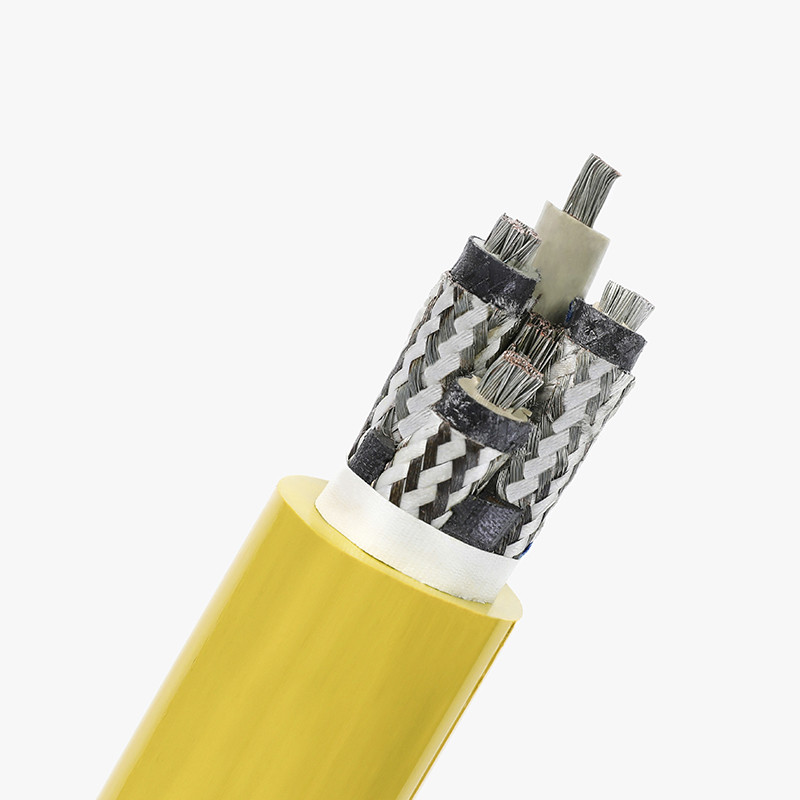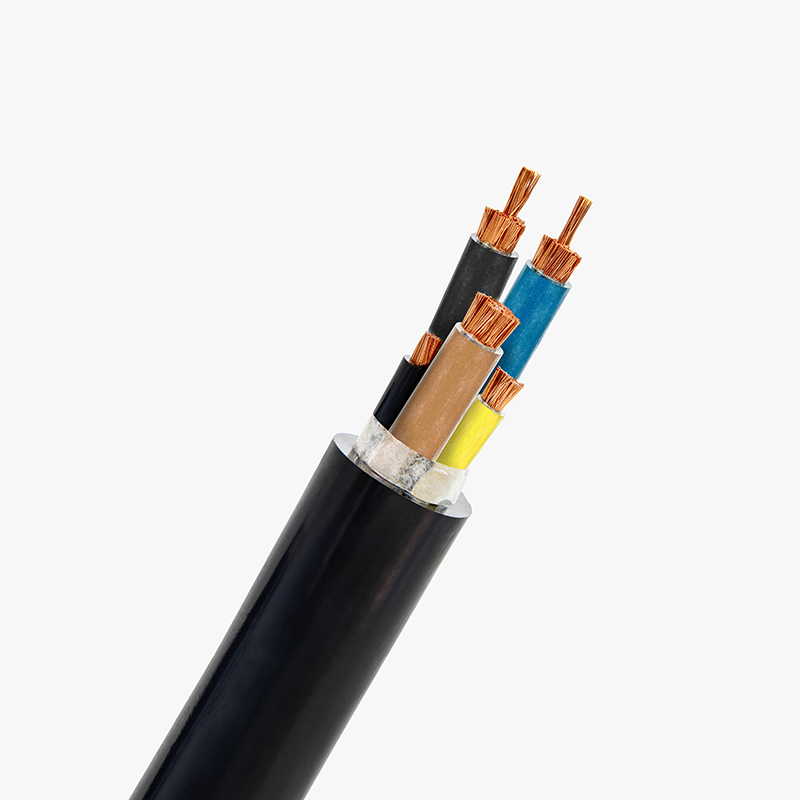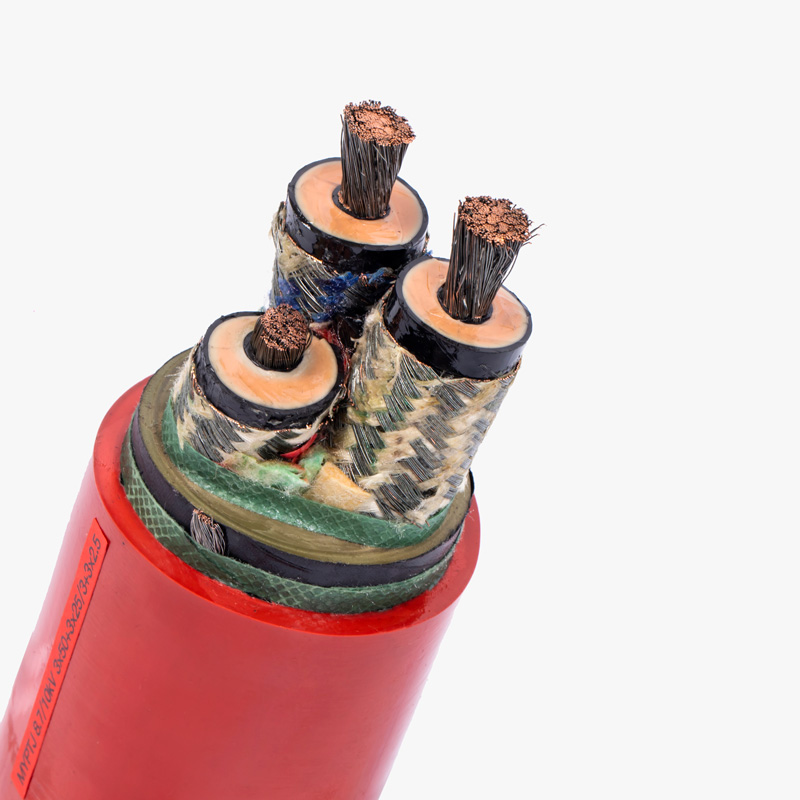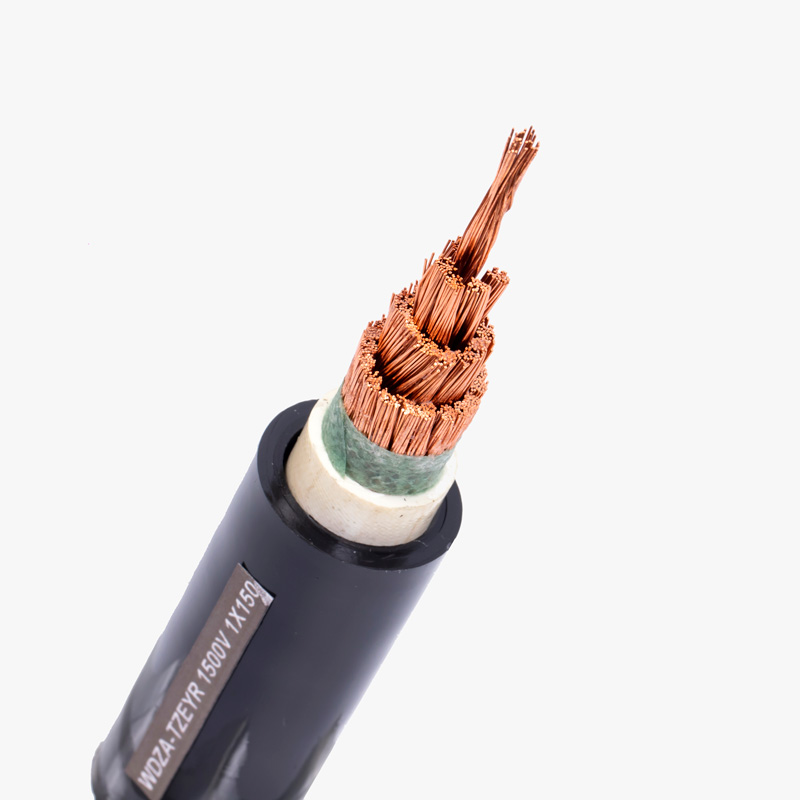
Cable tangling or twisting during pipe installation can lead to serious consequences, especially in medium to high voltage power cable projects. These issues not only cause unnecessary friction and mechanical stress, but can also result in insulation damage, reduced cable lifespan, signal interference, and costly delays in construction schedules. Improper installation may even lead to cable failure after commissioning, posing risks to safety and increasing maintenance costs. Therefore, preventing tangling and twisting during cable installation is crucial for maintaining system reliability, ensuring safe operation, and avoiding financial losses caused by repeated installation or repair work.
10 Practical Methods to Prevent Cable Tangling or Twisting (with Flowchart)
Below is a practical installation sequence along with 10 effective methods to prevent cables from tangling or wrapping inside conduits:
- Survey the pipe route and ensure cleanliness and straightness
- Pre-lubricate the inner pipe walls with appropriate lubricant
- Lay the cable drum correctly (ensure correct rotation direction)
- Use a tension-controlled cable feeder or reel stand
- Apply a guiding mesh sock or pulling grip on cable ends
- Attach a conical pulling head or use a swivel link to avoid twisting
- Pull the cable using a winch with uniform speed
- Use rollers or guiding pulleys at bending points
- Monitor tension and feeding angle constantly
- Conduct post-installation cable alignment check
Flowchart:
[Survey Route] → [Lubricate Pipe] → [Set Drum Correctly] → [Use Tension Feeder] → [Install Grip] → [Attach Pulling Head] → [Pull Evenly] → [Use Rollers] → [Monitor Process] → [Final Check]
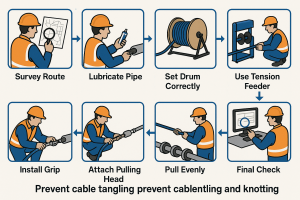
Actual Cases and Solutions
Case 1: When pulling cables, the ends were not secured with specialized pull-out heads or properly tied, causing the cables to spread out and wrap around inside the pipe.
Solution: Use a conical pulling head or nylon braided sleeve to secure the cable ends and ensure even force distribution.
Case 2: During installation through long or curved ducts, lack of lubrication caused the cable to jam and twist midway.
Solution: Apply sufficient cable lubricant along the entire duct length to reduce friction and maintain cable path integrity.
Case 3: The cable reel was placed incorrectly, causing reverse winding and internal twisting.
Solution: Ensure the reel rotates in the direction of natural unwinding, using a reel stand to manage feed direction properly.
Case 4: Pulling force was applied unevenly by manual labor on both ends, resulting in internal looping.
Solution: Use a calibrated pulling winch with a load tension monitor to maintain steady and uniform pulling force.
Case 5: Rollers were missing at conduit entry points, leading to sharp bends and unintentional wrapping.
Solution: Always install cable rollers or guiding pulleys at key entry and bending points to support smooth directional changes.
Preventive Measures During Installation
To effectively prevent cable tangling in pipes, planning and preparation must begin before the actual installation. First, clean and inspect the conduit route to remove any debris or sharp angles that could catch the cable. Next, use proper cable lubricants compatible with the cable sheath material to minimize resistance. Position the cable drum correctly so the cable unspools naturally without twisting. Always utilize a controlled cable feeder or reel stand and secure the cable ends with gripping devices or pulling heads. The use of rollers and real-time monitoring equipment is essential to detect resistance early and take corrective measures during installation.
QRUNNING’s Support for Proper Installation
At QRUNNING, we not only provide top-quality cables but also technical assistance to ensure our clients avoid issues such as tangling or twisting during installation. Our team offers pre-installation consultations, including cable layout design, selection of suitable pulling tools, and recommendations for conduit preparation. In the event of onsite complications, we provide remote or in-person guidance and video demonstrations for correction. Our products come with detailed installation manuals and support for OEM applications. We also assist in identifying the root causes of any tangling issues post-installation and provide professional suggestions for resolution and reinstallation.
Tóm tắt
Proper planning, tooling, and expert guidance are key to preventing cable tangling and ensuring smooth installation.