Bạn có đang gặp khó khăn trong việc lựa chọn cáp điện đáng tin cậy đáp ứng các yêu cầu về chất lượng, an toàn và ngân sách?
Đối với nhiều nhà thầu, nhà phân phối và người mua dự án, việc lựa chọn cáp điện phù hợp là một thách thức kéo dài. Chất lượng không đồng nhất, tiêu chuẩn sản xuất không rõ ràng và các nhà cung cấp không đáng tin cậy thường dẫn đến các sự cố hệ thống, mối nguy hiểm về an toàn và sự chậm trễ tốn kém trong dự án. Những vấn đề này thường do làm việc với các nhà sản xuất thiếu kinh nghiệm hoặc không có trang thiết bị đầy đủ. Giải pháp nằm ở việc hợp tác với một nhà sản xuất cáp điện kết hợp chuyên môn kỹ thuật, kiểm soát chất lượng nghiêm ngặt và sản xuất quy mô lớn. Với hơn 30 năm kinh nghiệm, QRUNNING là một công ty hàng đầu của Trung Quốc Nhà sản xuất chuyên về cáp điện cao thế lên đến 500kV, cung cấp Có thể tùy chỉnh giải pháp OEM & ODM, năng lực ổn định và nguồn cung toàn cầu đáng tin cậy cho các dự án B2B.
Cáp điện là thiết yếu cho việc truyền tải điện an toàn, và việc lựa chọn đúng Nhà sản xuất cáp đảm bảo tuân thủ, độ bền và hiệu quả chi phí. Hiểu biết về các loại cáp, quy trình sản xuất và các kênh mua sắm giúp người mua giảm rủi ro và cải thiện hiệu suất lâu dài.
Để đưa ra quyết định mua sắm thông thái, điều quan trọng là đầu tiên phải hiểu những điều cơ bản về cáp điện, cách chúng được sản xuất và nơi mua chúng một cách đáng tin cậy.
Có những loại cáp điện nào có sẵn?
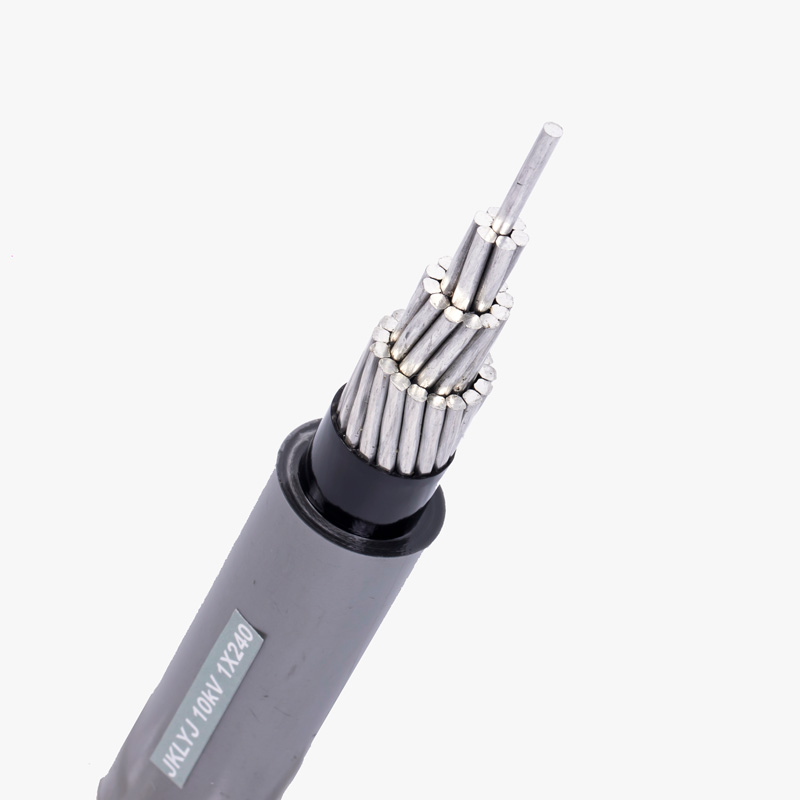
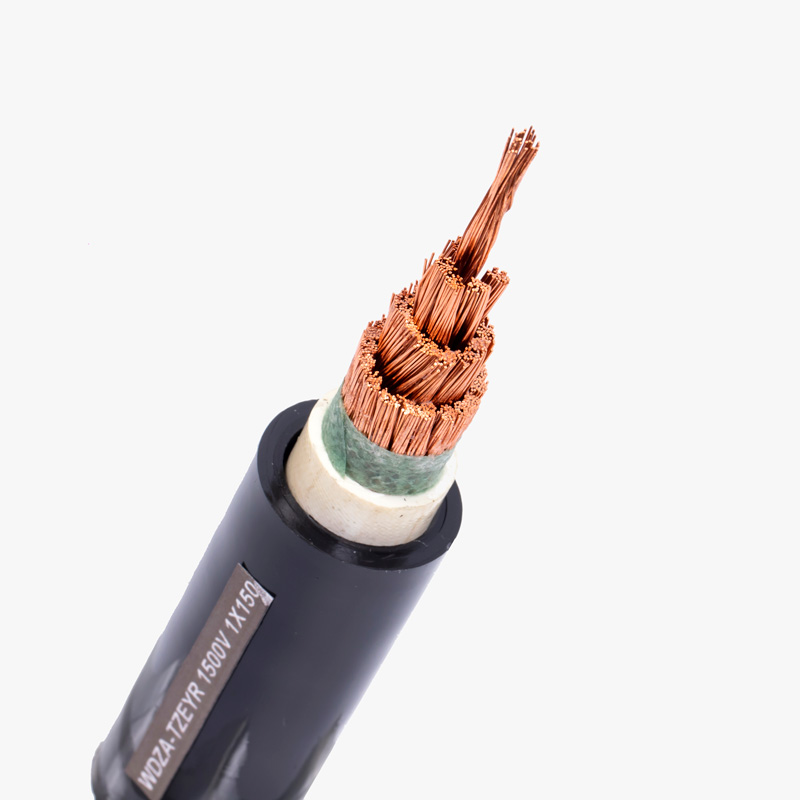
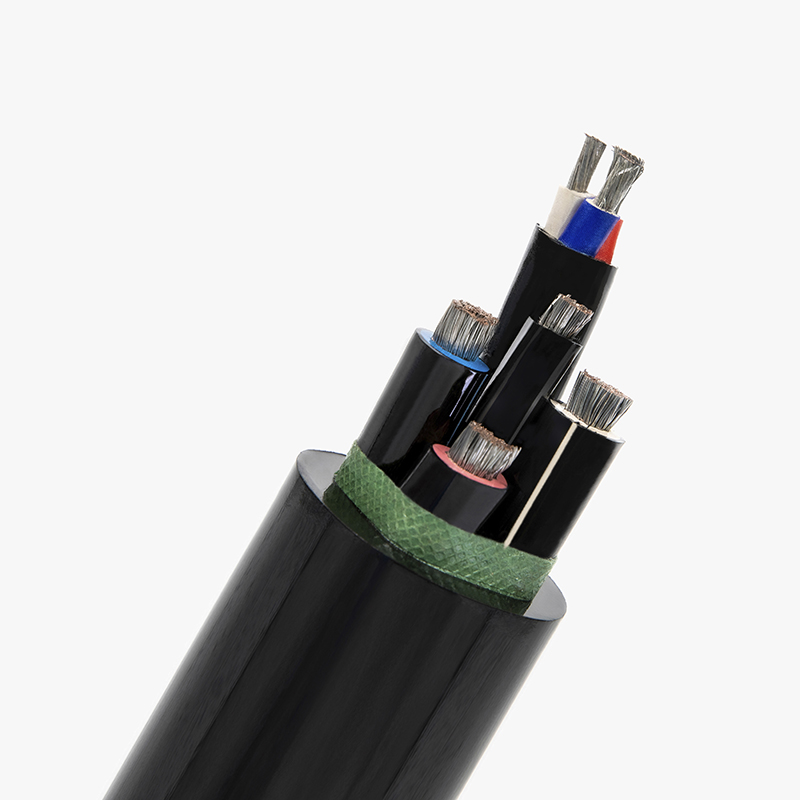
Cáp điện được phân loại dựa trên mức điện áp, ứng dụng và thiết kế cấu trúc. Cáp điện thấp thường được sử dụng trong các tòa nhà dân cư và thương mại, trong khi cáp điện trung và cao là thiết yếu cho các nhà máy công nghiệp, dự án cơ sở hạ tầng, và lưới điện. Một công ty chuyên nghiệp nhà sản xuất cáp điện thường cung cấp một loạt các thông số kỹ thuật để đáp ứng các yêu cầu về tải trọng và lắp đặt khác nhau.
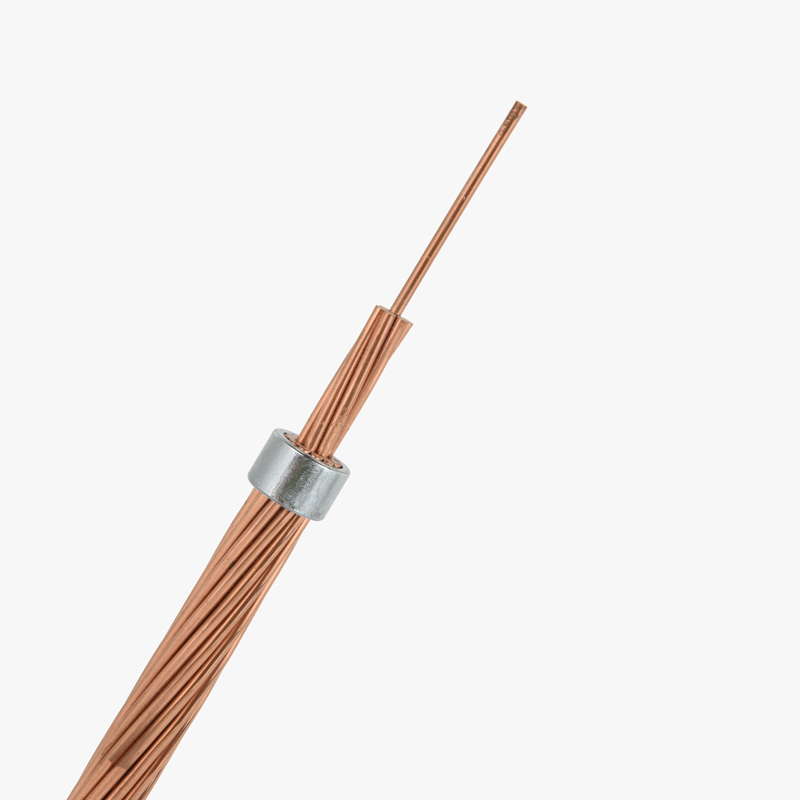
Theo vật liệu dẫn điện, cáp điện chủ yếu được chia thành các loại đồng và nhôm. Cáp đồng cung cấp độ dẫn điện và độ bền cơ học tuyệt vời, trong khi cáp nhôm cung cấp một lựa chọn tiết kiệm chi phí và nhẹ cho việc truyền tải đường dài. Các vật liệu cách điện cũng khác nhau, bao gồm PVC, XLPE, và cao su, mỗi loại đều phù hợp với các điều kiện nhiệt độ và môi trường cụ thể. Các nhà cung cấp đáng tin cậy Manufacturers cung cấp dữ liệu kỹ thuật rõ ràng để giúp người mua lựa chọn đúng.
Ngoài ra, cáp bảo vệ và các thiết kế không được bảo vệ phục vụ cho các kịch bản lắp đặt khác nhau. Cáp bọc bảo vệ tăng cường khả năng bảo vệ cơ khí cho môi trường ngầm hoặc khắc nghiệt, trong khi cáp không bọc thường được ưu tiên cho các lắp đặt trong nhà hoặc được bảo vệ. Làm việc với một người am hiểu Nhà cung cấp đảm bảo có quyền truy cập vào Có thể tùy chỉnh các cấu trúc cáp phù hợp với nhu cầu dự án.
Các quy trình liên quan đến việc sản xuất cáp là gì?
Chất lượng của một cáp điện chủ yếu được xác định bởi quy trình sản xuất của nó. Một người đủ tiêu chuẩn Nhà sản xuất cáp bắt đầu với việc kiểm tra nguyên liệu đầu vào nghiêm ngặt, đảm bảo rằng các dẫn điện và hợp chất cách điện đáp ứng tiêu chuẩn quốc tế. Quá trình kéo dây và bện theo sau, nơi cần kiểm soát chính xác để đạt được hiệu suất điện liên tục.
Tiếp theo là quá trình ép đùn cách điện, một trong những bước quan trọng nhất. Các dây chuyền ép đùn tiên tiến đảm bảo độ dày cách điện đồng nhất, giảm thiểu rủi ro sự cố điện. Đối với các sản phẩm trung và cao thế, các quy trình liên kết chéo và đông cứng được kiểm soát cẩn thận để nâng cao các tính chất nhiệt và cơ học. Các nhà sản xuất có uy tín Manufacturers đầu tư mạnh vào thiết bị hiện đại để duy trì sự ổn định và hiệu quả.
Một trong những quy trình chính được hiển thị ở hình dưới: CCV (Catenary Continuous Vulcanization)
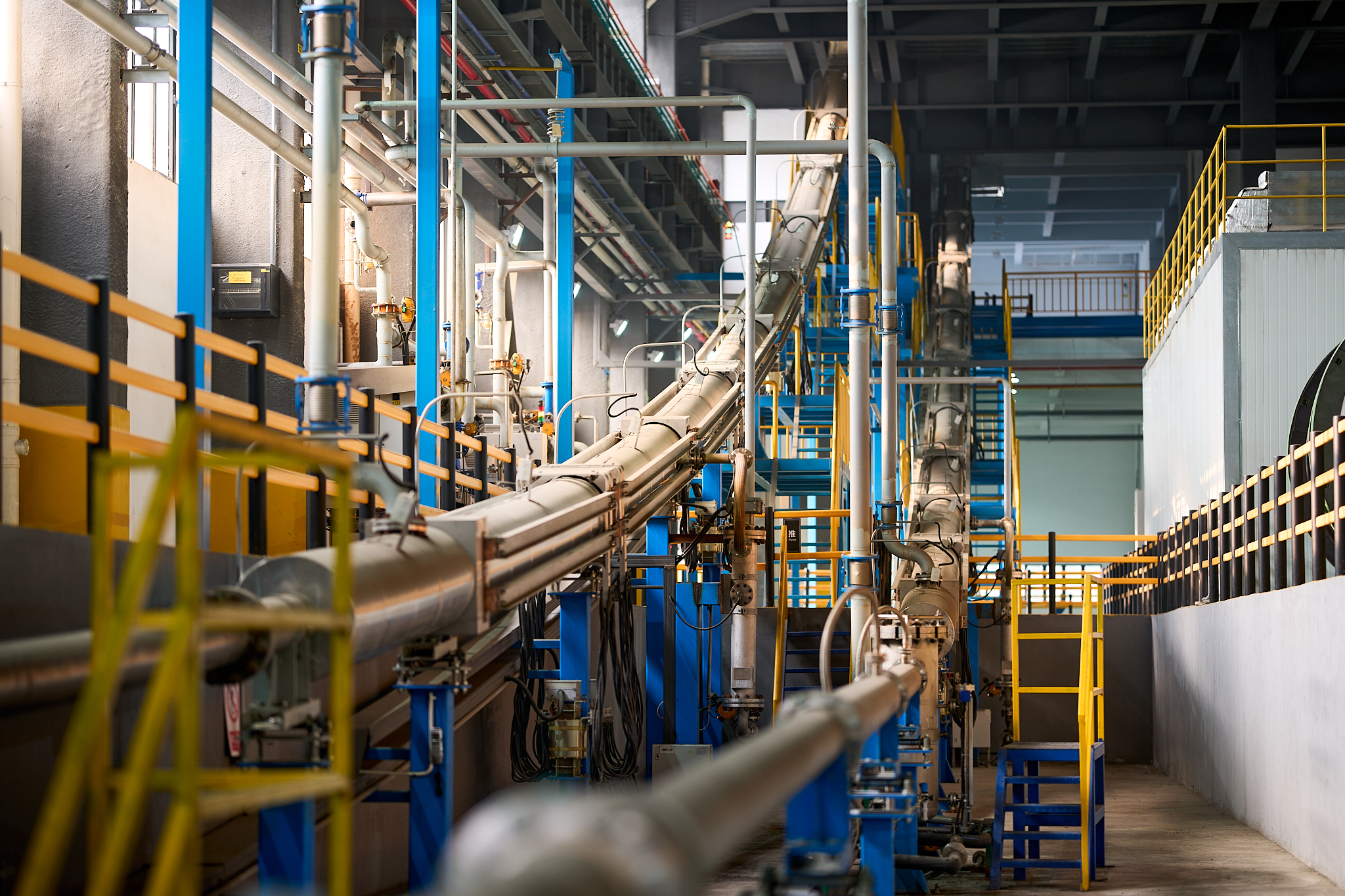
Lớp bảo vệ, lớp bọc và lắp ráp cuối cùng hoàn thiện cấu trúc vật lý của cáp. Trong suốt quá trình sản xuất, các kiểm tra trong quá trình và kiểm tra sản phẩm hoàn thiện được thực hiện, bao gồm kiểm tra điện áp và kiểm tra cơ khí. Một nhà sản xuất cáp điện như QRUNNING hoạt động nhiều dây chuyền sản xuất với quản lý chất lượng nghiêm ngặt, đảm bảo rằng các đơn hàng số lượng lớn đáp ứng cả yêu cầu kỹ thuật và giao hàng.
Kênh nào là tốt nhất để mua cáp?
Chọn kênh mua sắm phù hợp cũng quan trọng như việc chọn sản phẩm. Người mua có thể tìm nguồn cáp điện thông qua các nhà phân phối địa phương, quốc tế Nhà phân phối, hoặc trực tiếp từ Nhà sản xuất. Đối với các dự án lớn và nguồn cung dài hạn, việc mua trực tiếp từ một nhà máy Nhà cung cấp thường cung cấp giá cả tốt hơn, giao tiếp rõ ràng hơn và đảm bảo chất lượng mạnh mẽ.
Các nền tảng B2B trực tuyến và các triển lãm quốc tế là các kênh tìm nguồn phổ biến, đặc biệt đối với những người mua từ nước ngoài. Tuy nhiên, việc đánh giá một nhà sản xuất cáp điện ngoài các danh sách trực tuyến là điều cần thiết. Kiểm toán nhà máy, kiểm tra mẫu và xác minh chứng nhận giúp tránh rủi ro như chất lượng không đồng nhất hoặc tài liệu giả mạo.
Hợp tác trực tiếp với một Nhà sản xuất cáp Trung Quốc được thành lập cung cấp thêm nhiều lợi thế, bao gồm Có thể tùy chỉnh thông số kỹ thuật, thương hiệu OEM và giải pháp logistics linh hoạt. Với kinh nghiệm xuất khẩu phong phú và khả năng sản xuất ổn định, QRUNNING hỗ trợ các nhà thầu và nhà phân phối tại châu Phi và châu Á với các đối tác cung cấp đáng tin cậy, lâu dài.
Tóm lại, hiểu các loại cáp điện, quy trình sản xuất và kênh mua hàng giúp người mua lựa chọn đúng nhà sản xuất cáp điện, giảm thiểu rủi ro khi tìm nguồn cung, và đảm bảo các hệ thống điện an toàn, hiệu quả.