• Trang chủ
  • Giới thiệu về chúng tôi
  • Sản phẩm
    • Dây cáp điện áp thấp
      • Cách điện XLPE
      • PVC cách điện
      • PE cách điện
      • Các loại cách nhiệt khác
    • Dây cáp điện áp trung bình
      • Dây cáp lõi đơn
      • Dây cáp ba lõi
    • Dây cáp điện áp cao
      • 230 kV đến 800 kV
      • 35 kV đến 230 kV
    • Dây điều khiển
      • Dây cáp điều khiển cách điện XLPE
      • Dây cáp điều khiển có lớp cách điện PVC
    • Dây cáp bọc thép
      • Dây cáp bọc thép (STA)
      • Dây cáp thép bọc thép (SWA)
      • Dây cáp bọc thép không từ tính
      • Dây cáp bọc thép không từ tính
    • Dây cáp treo/Dây cáp ABC
      • Dây cáp ABC điện áp thấp
      • Dây cáp ABC điện áp trung bình
    • Dây cáp năng lượng tái tạo
      • Dây cáp năng lượng mặt trời/PV/gió
      • Dây cáp EV
    • Dây cáp chống cháy
      • Dây cáp chống cháy
      • Dây cáp chống cháy
      • Dây cáp chống cháy và chịu lửa
    • Dây dẫn trần
      • Dây dẫn nhôm
      • Dây dẫn đồng
    • Dây cáp biển
  • Ngành công nghiệp
  • Câu chuyện thành công
  • Hỗ trợ
    • Tải xuống
    • Tin tức & Sự kiện
    • Trung tâm Kỹ thuật
  • Liên hệ
  • viTiếng Việt
    • en_USEnglish
    • es_ESEspañol
    • fr_FRFrançais
    • de_DEDeutsch
Yêu cầu báo giá

    chris@qrunning.com

    Hỗ trợ nhanh: Hãy liên hệ với một trong các chuyên gia của chúng tôi và chúng tôi sẽ liên hệ lại với bạn trong vòng 24 giờ!

    Qrunning
    Trung tâm Kỹ thuật
    Single-layer shielding vs. double-layer shielding

    Single-layer shielding vs. double-layer shielding

    06/04/2025

    Basic Comparison of Shielding Structures

    Shielded cables utilize one or more conductive layers to block electromagnetic interference (EMI). A single-layer shield generally consists of a braided mesh or foil wrap around the core conductor, providing moderate protection. Double-layer shielding combines two layers—typically a foil and a braid—to deliver superior EMI performance across wider frequency ranges. The cross-section below illustrates the structural differences, where single-layer shields typically offer 60–85% coverage, while double-layer designs provide up to 100% with overlapping materials.
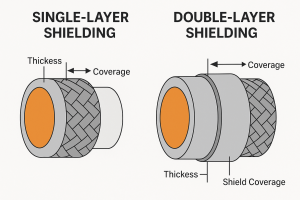
    Single-layer shielding vs. double-layer shielding 1

    Electromagnetic Interference (EMI) Suppression Capability

    Electromagnetic interference can significantly affect signal integrity, particularly in high-frequency or industrial environments. Single-layer shielding is adequate for basic protection, especially against high-frequency (HF) EMI. However, it often falls short in suppressing low-frequency (LF) noise such as power line disturbances or motor interference. Double-layer shielding—combining both foil and braided components—extends protection across both LF and HF spectrums, offering comprehensive EMI suppression. This is crucial in applications like industrial control, data transmission, or aerospace systems, where uninterrupted signal transmission is vital. The dual-layer approach forms a more complete Faraday cage, minimizing radiated and conducted emissions more effectively.

    Flexibility and Mechanical Properties

    Single-layer braided shielded cables are more flexible due to reduced material use and simpler construction. This flexibility makes them ideal for mobile devices, robotics, or systems requiring repeated movement. In contrast, double-layer shields—while more robust—introduce added stiffness. This trade-off must be evaluated depending on application needs. In terms of mechanical properties:

    TypeBending RadiusTensile StrengthSự linh hoạt
    Single-Layer4x cable diameter100 NCao
    Double-Layer>6x cable diameter150 NTrung bình

    Double-layer shielding improves tensile strength and provides better abrasion resistance, but comes with reduced pliability. Thus, users must weigh protection against installation complexity and movement constraints.

    Cost and Cost-Effective Analysis

    Double-layer shielding increases material cost by approximately 20–40%, depending on the configuration and metal types used (e.g., aluminum foil plus tinned copper braid). However, this added cost can be justified by the reduction in data loss, signal degradation, and system failures in high-interference environments. For cost-effective decision-making:
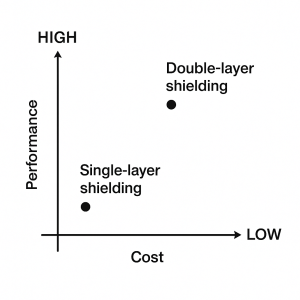
    Single-layer shielding vs. double-layer shielding 2

    Selection Decision Tree

    Choosing the right shielding structure depends on application, environment, and budget:

    • High EMI environment? → Choose double-layer
    • Low EMI, high flexibility needed? → Choose single-layer
    • Budget-constrained, low-risk application? → Single-layer
    • Critical signal integrity or industrial use? → Double-layer

    Advice to the Client

    Balance shielding performance and mechanical flexibility with your system’s needs. For high-reliability applications, double-layer shielding is worth the investment.
    Sản phẩm liên quan

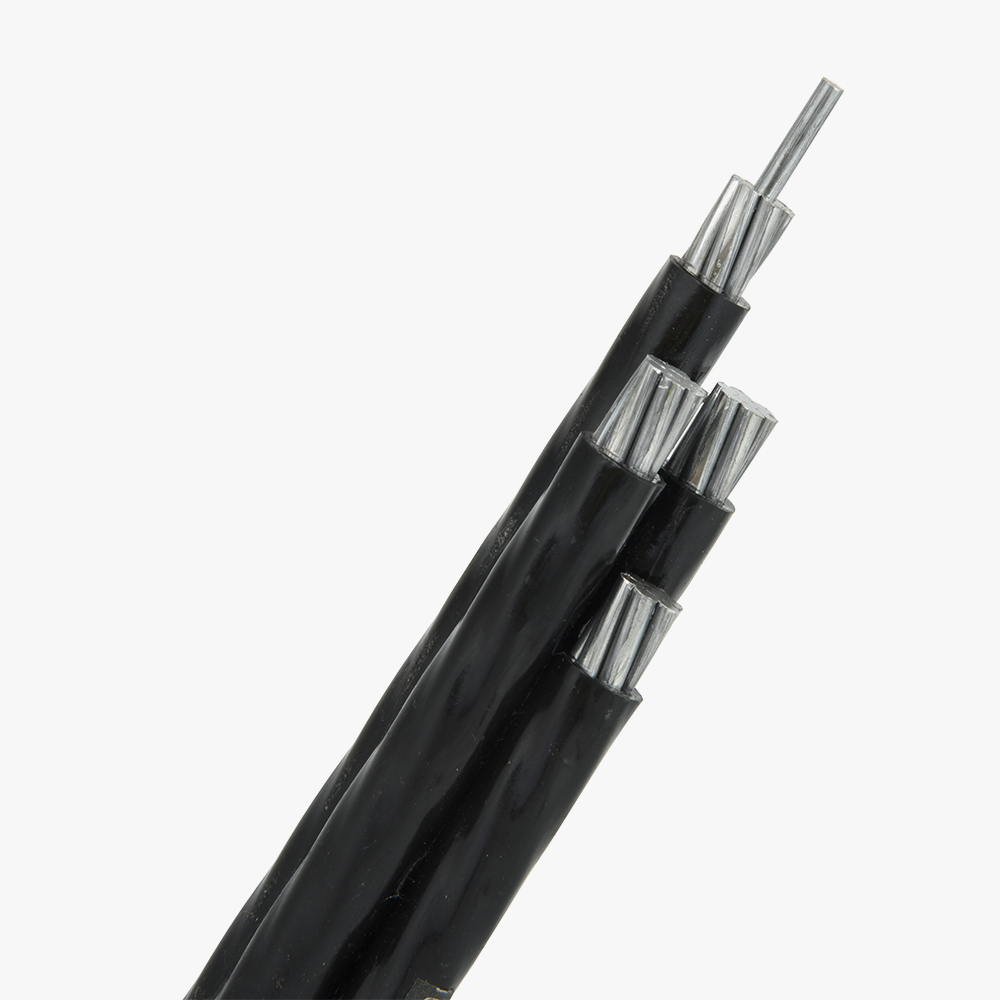
    Dây cáp hạ áp dạng bó treo trên không

    Dây cáp hạ áp dạng bó treo trên không 0.6/1kV

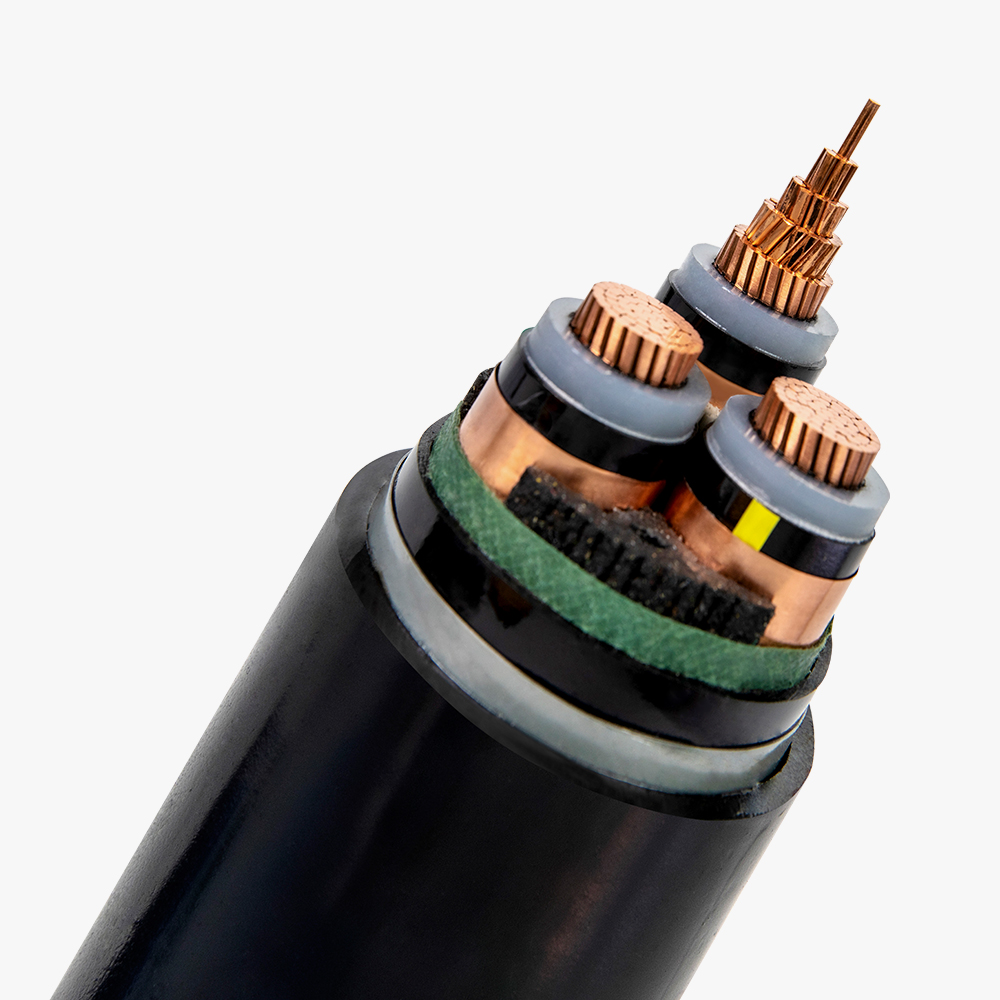
    Dây cáp điện lực có lõi đồng chống cháy, cách điện bằng XLPE

    Flame Retardant Copper Core XLPE Insulated Electrical Power Cable 8.7/15kV

    Dây cáp điện lực cách điện bằng XLPE

    XLPE Insulated Electric Power Cable 500kV

    Heavy Duty Rubber Insulated Flexible Cable

    Heavy Duty Rubber Insulated Flexible Cable 450/750V

    Mục lục

    Bật/Tắt
    • Basic Comparison of Shielding Structures
    • Electromagnetic Interference (EMI) Suppression Capability
    • Flexibility and Mechanical Properties
    • Cost and Cost-Effective Analysis
    • Selection Decision Tree
    • Advice to the Client

    Thực đơn chính

    • Trang chủ
    • Giới thiệu về chúng tôi
    • Sản phẩm
    • Ngành công nghiệp
    • Câu chuyện thành công
    • Hỗ trợ
    • Liên hệ
    • viTiếng Việt

    Sản phẩm

    • Dây cáp điện áp thấp
    • Dây cáp điện áp trung bình
    • Dây cáp điện áp cao
    • Dây điều khiển
    • Dây cáp bọc thép
    • Dây cáp treo/Dây cáp ABC
    • Dây cáp năng lượng tái tạo
    • Dây cáp chống cháy
    • Dây dẫn trần

    Liên hệ

    Công ty TNHH Cáp Qrunning Ninh Ba.
    sini@qrunning.com
    +86 17857441080
    Số 99, Đường Chenshan Đông, Quận Xiaogang, Thành phố Ningbo, Trung Quốc
    Facebook
    YouTube
    WhatsApp
    LinkedIn

    © 2024 Qrunning. Tất cả quyền được bảo lưu.

    Trang web này sử dụng cookie để cải thiện trải nghiệm của bạn. Nếu bạn tiếp tục sử dụng trang web này, bạn đồng ý với việc sử dụng cookie.