Are You Struggling to Find Reliable High Cable Solutions for High-Voltage Power Projects?
Are you a contractor, distributor, or power project buyer wondering why choosing the right high cable for high-voltage systems feels so complicated? Many companies face delays, safety risks, and expensive maintenance because the HV cable they purchase lacks stable insulation, verified certification, or consistent quality control. These issues can lead to energy loss, system failures, or even shutdowns in critical power infrastructure. The solution lies in partnering with a reliable Nhà sản xuất và Nhà cung cấp that truly understands high-voltage transmission technology. With more than 30 years of experience and large-scale production capacity, QRUNNING provides customizable HV cable solutions up to 500kV. As a trusted global Nhà phân phối, we combine strict quality inspection, OEM/ODM capabilities, and efficient international logistics to ensure every high cable meets demanding power grid standards.
High-voltage transmission uses specially engineered HV cable designed to carry electricity over long distances with minimal energy loss. Despite appearing thin, these cables rely on advanced insulation, conductive materials, and optimized voltage levels. Choosing the right high cable Manufacturer và Nhà cung cấp ensures safety, efficiency, and long-term performance in power distribution systems.
Understanding how high cable systems work helps buyers select the right products for their projects. The following sections explain the engineering principles and key selection factors behind modern HV cable technology.
Why Are High Voltage Power Line Cables So Thin?
The Relationship Between Voltage and Current
Many people are surprised that overhead high-voltage power lines often look relatively thin compared with low-voltage distribution cables. The reason lies in the relationship between voltage and current. When electrical power is transmitted at higher voltage levels, the required current decreases significantly. Lower current means less heat generation and reduced energy loss during transmission. Because of this principle, engineers can design HV cable conductors with optimized diameters while still delivering massive amounts of electricity efficiently.
Advanced Materials and Engineering Design
Modern high cable designs use high-conductivity aluminum or copper conductors combined with advanced insulation materials such as cross-linked polyethylene (XLPE). These materials provide excellent electrical resistance, thermal stability, and durability under extreme conditions. As a professional Nhà sản xuất and global Nhà cung cấp, QRUNNING integrates strict material testing and automated production lines to ensure every HV cable maintains consistent conductivity and insulation integrity.
Efficiency in Long-Distance Power Transmission
High-voltage transmission systems are designed to move electricity across hundreds or even thousands of kilometers. By using thinner but highly efficient conductors and operating at extremely high voltages, power companies can significantly reduce transmission losses. This is why selecting a reliable Nhà phân phối that offers certified and customizable high cable products is essential for large infrastructure and power grid projects.
How Do High Voltage Power Lines Work?
Step-Up Transmission Technology
Electricity generated at power plants typically starts at a moderate voltage. Before it travels through long-distance transmission networks, transformers increase the voltage dramatically. This process is known as step-up transformation. Once the voltage rises to high levels—sometimes hundreds of kilovolts—the electricity flows through HV cable systems or overhead lines with reduced current and minimal energy loss.
The Role of Insulation and Protective Layers
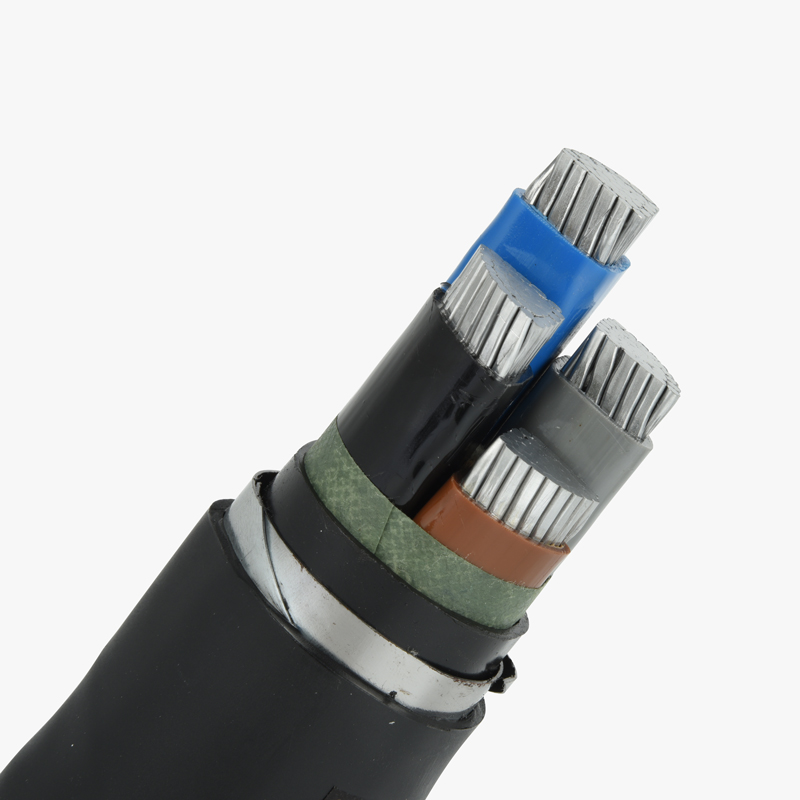
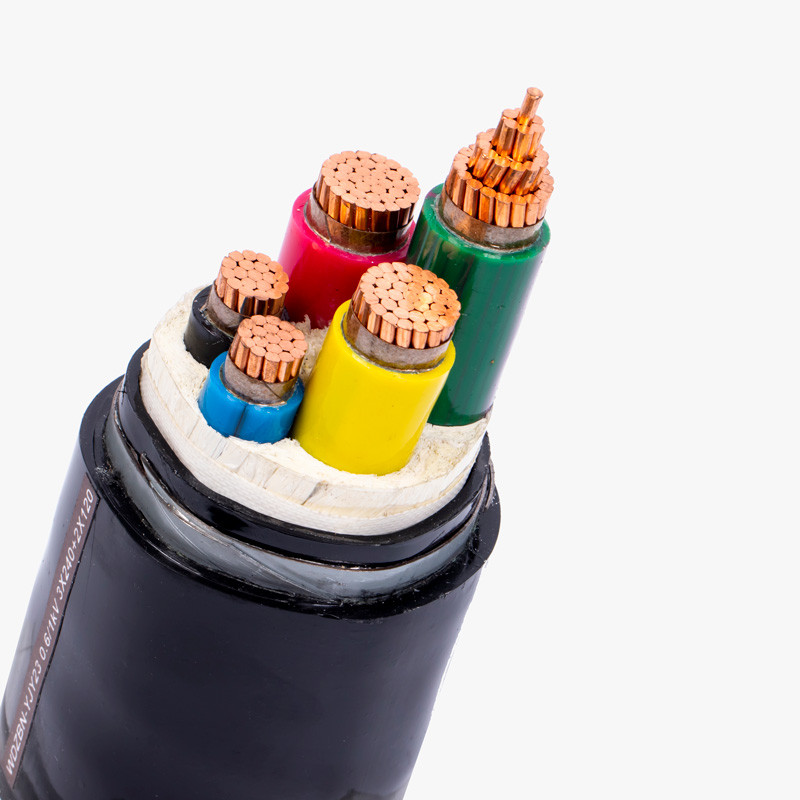
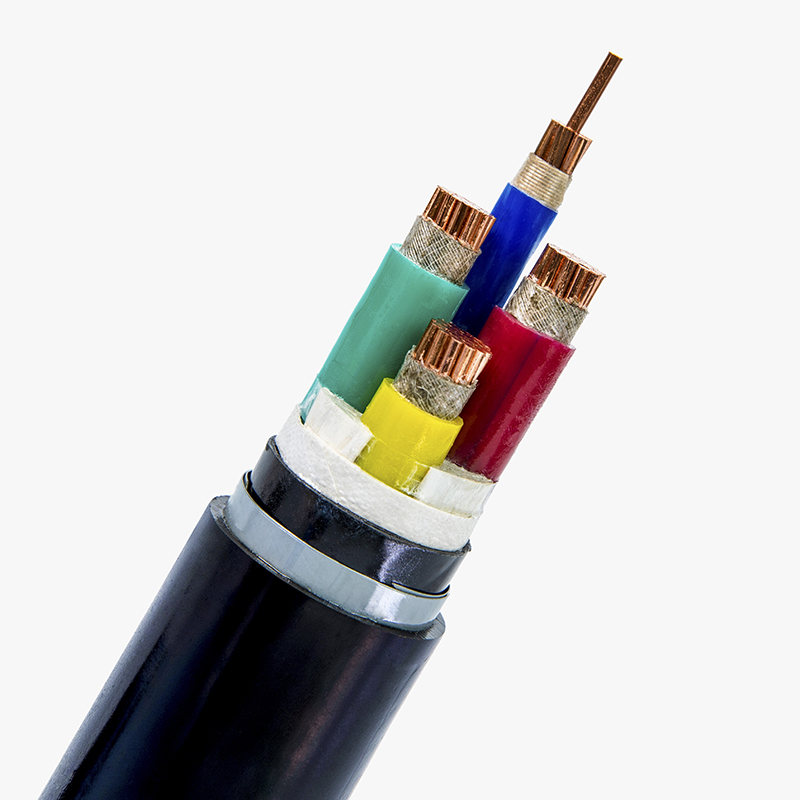
A high-quality high cable is more than just a conductor. It includes several engineered layers such as conductor shielding, insulation, metallic screens, and protective outer sheaths. These layers protect the cable from electrical leakage, mechanical damage, and environmental factors. A professional Nhà sản xuất cẩn thận thiết kế mỗi lớp để đáp ứng các tiêu chuẩn an toàn và hiệu suất quốc tế.
Là một công ty hàng đầu Nhà cung cấp trong ngành cáp điện, QRUNNING sản xuất HV cable các hệ thống có khả năng hỗ trợ các lưới điện phức tạp, cơ sở hạ tầng công nghiệp và các dự án năng lượng quốc gia. Cáp của chúng tôi được chế tạo để đảm bảo độ tin cậy, tính dẫn điện ổn định và tuổi thọ dài.
Chúng tôi chọn cáp cho điện áp cao như thế nào?
Đại điện áp và yêu cầu hệ thống
Bước đầu tiên trong việc lựa chọn một high cable là xác định mức điện áp cần thiết cho dự án. Các mạng điện khác nhau yêu cầu cáp có định mức cho các dải điện áp cụ thể, chẳng hạn như 110kV, 220kV hoặc thậm chí 500kV. Một chuyên gia Nhà cung cấp sẽ đánh giá khả năng tải, môi trường lắp đặt và tiêu chuẩn an toàn trước khi khuyên dùng cáp phù hợp. HV cable.
Chứng nhận chất lượng và khả năng sản xuất
Đối với người mua quốc tế, chứng nhận và khả năng sản xuất là những yếu tố quan trọng. Một Nhà sản xuất cần cung cấp các tiêu chuẩn chất lượng đã được xác minh, quy trình sản xuất đồng nhất và khả năng giao hàng khối lượng lớn đúng hạn. Với 10 dây chuyền sản xuất tiên tiến và tổng công suất hàng năm 200 triệu mét, QRUNNING hỗ trợ các dự án cơ sở hạ tầng quy mô lớn trên toàn cầu.
Thiết kế tùy chỉnh và hỗ trợ logistics
Các quốc gia và dự án kỹ thuật khác nhau thường yêu cầu các thông số kỹ thuật độc đáo, cấu trúc cách điện hoặc điều kiện lắp đặt. Đó là lý do mà nhiều nhà thầu thích làm việc với một Nhà phân phối cung cấp các giải pháp customizable HV cable từ thiết kế dẫn điện đến đóng gói và vận chuyển quốc tế, một Nhà cung cấp đảm bảo quá trình mua sắm và thực hiện dự án diễn ra suôn sẻ.
Kết luận
Lựa chọn đúng high cable đảm bảo truyền tải điện hiệu quả, an toàn hệ thống và độ tin cậy lâu dài. Làm việc với một Nhà sản xuất cáp HV và được tin cậy Nhà cung cấp giúp người mua đảm bảo chất lượng cao, có thể tùy chỉnh giải pháp cho cơ sở hạ tầng năng lượng hiện đại.