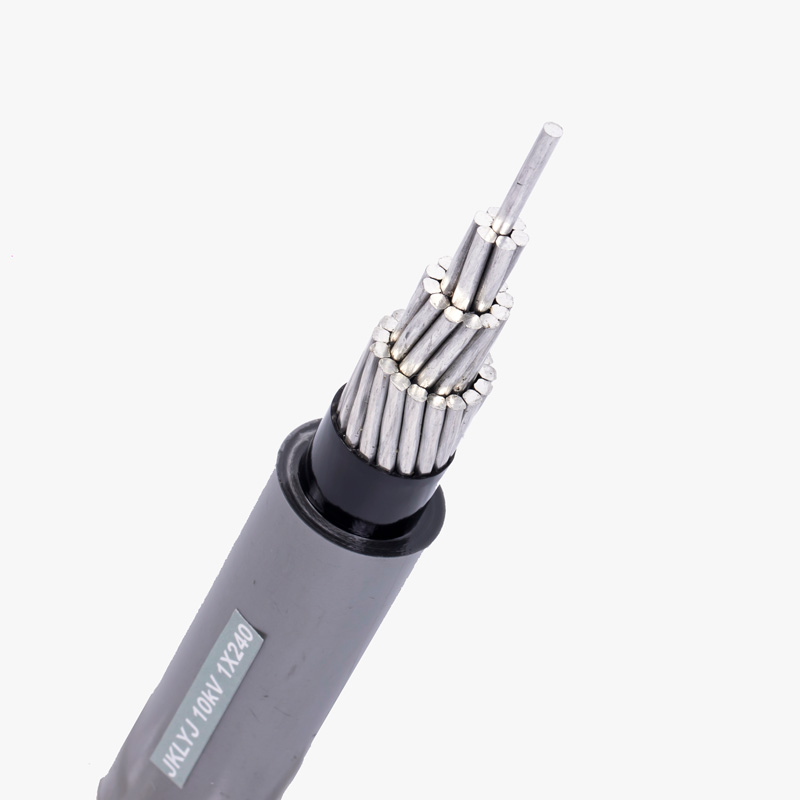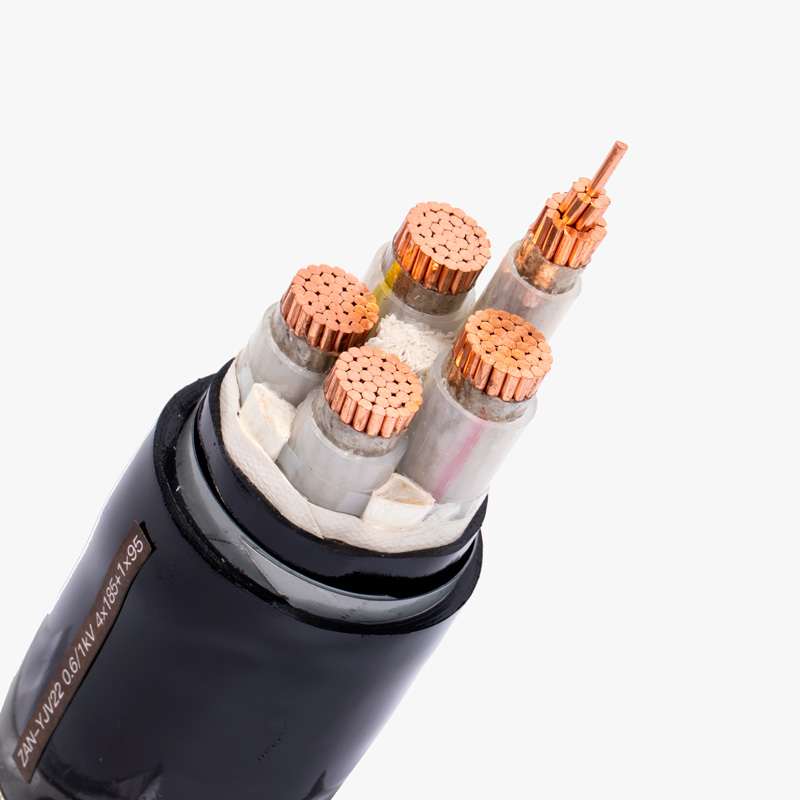
Application Environments, Basic Principles, and Structural Design of Water-Resistant Cables
Water-resistant cables are designed for environments where moisture, water ingress, or high humidity pose risks to cable performance and service life. Applications include underground installations, underwater cables, wind farms, and outdoor power grids. The structural design principle is to block or resist the entry and spread of water through longitudinal or radial sealing using specific materials and manufacturing processes. Effective water resistance improves durability, safety, and system reliability.

Comparison of Performance Characteristics and Selection Criteria for Common Water-Resistant Materials
Choosing the right water-blocking material is critical to achieving reliable protection. Materials vary in absorbency, compatibility, cost, and durability. The table below outlines the performance characteristics of typical materials used in water-resistant cable structures, such as water-swellable tapes, powders, and jelly compounds. These materials are selected based on application type, environmental exposure, and desired lifespan. Key selection criteria include expansion rate, thermal stability, chemical compatibility with insulation materials, and ease of processing.
| Material Type | Blocking Method | Advantages | Disadvantages | Typical Applications |
|---|---|---|---|---|
| Water-Swellable Tape | Longitudinal | Fast swelling, easy application, good thermal stability | May shift during high-speed processing | MV & HV power cables, outdoor installations |
| Water-Swellable Powder | Longitudinal | Lightweight, high absorption rate | Dust control required, less suitable for small spaces | Fiber optic cables, low-voltage cables |
| Petroleum Jelly Compound | Radial | Excellent sealing, long-term stability | Messy to apply, weight increase | Underwater cables, communication cables |
| Thermoplastic Sealing Material | Radial | Strong barrier, compatible with extrusion process | High cost, needs precision application | Subsea HV cables, armored cables |
Differences Between Longitudinal and Radial Water-Blocking Methods and Their Implementation
Longitudinal water blocking prevents water from spreading along the cable’s length and is commonly implemented using swellable tapes or powders placed in cable cores. Radial blocking, on the other hand, stops water from penetrating through the cable’s sheath or insulation layers and uses barriers like jelly compounds, extruded thermoplastics, or laminated layers. Optimal designs often use both methods for critical applications.

Industry Standards and Testing Methods for Water-Blocking Cables
IEC Standards
The IEC 60502 series provides water penetration testing requirements for medium-voltage cables. IEC 60840 and IEC 62067 specify water penetration tests for high-voltage and extra-high-voltage cables. Tests typically involve subjecting the cable to pressurized water columns and monitoring water ingress over time. IEC standards emphasize long-term aging and pressure resistance.
GB/T Standards (China)
In China, Tiêu chuẩn quốc gia Trung Quốc GB/T 12706 và Tiêu chuẩn quốc gia Trung Quốc GB/T 11017 are widely used for LV and MV cables, with defined test protocols for water penetration resistance. For water-blocking verification, GB/T 19216 outlines test methods such as longitudinal water penetration test using dye and water under specific temperature and pressure.
Other International Methods
Additional standards like BS EN 50288 (for multi-core cables) and ASTM D4565 may also apply. These tests often include sample immersion, cut-back tests, and longitudinal migration tests over 24-72 hours under hydrostatic pressure. Success criteria are based on distance water travels or visible penetration, and failures must be under clearly defined thresholds.
Failure Case Examples and Optimization Suggestions
A utility project in Sudan reported cable insulation failure within two years of operation. Investigation revealed water ingress due to poor sealing of cable ends and low-quality water-swellable powder. Similarly, an HV project in Vietnam showed corrosion in copper conductors, traced to missing radial water barriers. To prevent such failures, manufacturers should enhance quality control, use double-layer water-blocking designs, and implement stricter material sourcing. End users should ensure proper termination and joint sealing during installation.
Summary and Customer Recommendations
For optimal cable reliability in wet or underground conditions, choose designs with verified water-blocking structures, follow international testing standards, and work with experienced, certified manufacturers.