Vai trò trung tâm của chất độn: tại sao dây cáp không thể “rỗng”?
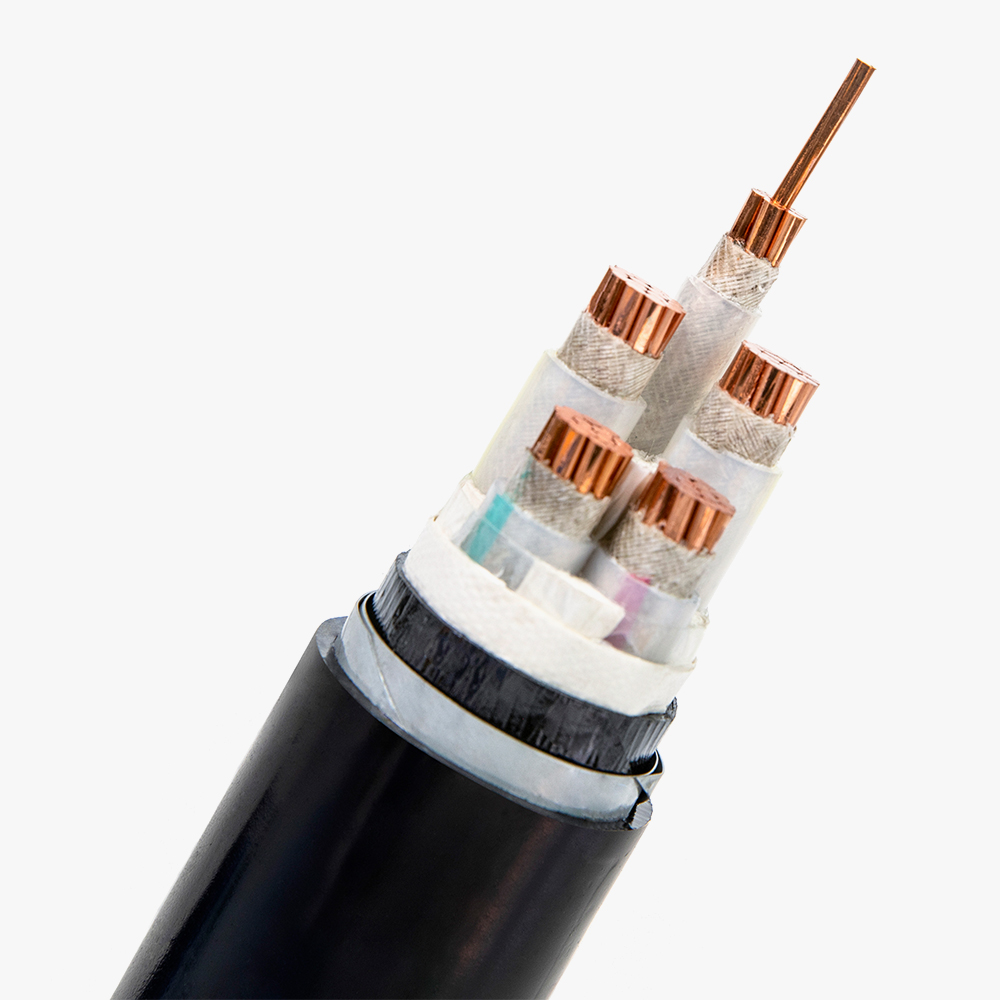
Chất độn trong dây cáp không chỉ để tạo vẻ bề ngoài - chúng là thiết yếu cho cấu trúc. Khi nhiều dẫn điện được bện lại với nhau, chúng tạo ra những khoảng trống tự nhiên. Các chất độn chiếm những khoảng trống này, duy trì hình dạng tròn của dây cáp, ngăn chặn sự dịch chuyển bên trong, và đảm bảo phân phối áp suất đồng đều trong suốt quá trình cách điện và bọc. Nếu không có chất độn, ứng suất cơ học trở nên không đồng đều, làm tăng nguy cơ đứt cách điện, biến dạng trong quá trình uốn, và giảm độ bền theo thời gian.
Dây PP so với dây gai so với chỉ chống thấm nước: cái nào tốt hơn?
Chất liệu chất độn trực tiếp ảnh hưởng đến độ bền cơ học, trọng lượng, khả năng chống ẩm và chi phí của dây cáp. Dưới đây là một bảng so sánh hiệu suất của ba loại chất độn thường được sử dụng trong sản xuất dây cáp điện:
| Vật liệu | Sức mạnh cơ học | Sự linh hoạt | Khả năng chống ẩm | Chi phí | Khả năng ứng dụng |
|---|---|---|---|---|---|
| Dây PP | Cao | Vừa phải | Tuyệt vời | Thấp | Dây cáp điện đa năng |
| Dây gai | Vừa phải | Cao | Kém | Vừa phải | Dây cáp truyền thống, điện áp thấp hoặc trong nhà |
| Chỉ chống thấm nước | Vừa phải | Vừa phải | Xuất sắc (có tính năng chặn nước) | Cao | Môi trường điện áp cao, dễ tiếp xúc với nước |
Dây PP được sử dụng rộng rãi nhờ vào độ bền và khả năng chống ẩm với mức giá cạnh tranh. Dây gai cung cấp độ linh hoạt tốt hơn nhưng thiếu độ bền trong điều kiện ẩm ướt. Chỉ chống thấm nước, mặc dù đắt đỏ, là rất quan trọng trong các dây cáp hiệu suất cao tiếp xúc với nước hoặc lắp đặt dưới lòng đất.
Cách mà “đường tròn” ảnh hưởng đến chất lượng hình thành dây cáp
Duy trì hình dạng tròn của dây cáp không chỉ để tạo vẻ bề ngoài - nó ảnh hưởng đến hiệu suất tổng thể. Một dây cáp có hình dạng tốt đảm bảo độ dày cách điện đồng đều và bọc hiệu quả, tránh các điểm yếu. Các hình dạng không đều do lựa chọn chất độn kém dẫn đến ứng suất nén trên các dẫn điện, tản nhiệt không đúng cách và không đồng nhất trong cách điện. Đường tròn cũng giúp việc lắp đặt dây cáp dễ dàng hơn, đặc biệt trong các ống dẫn hoặc khay, giảm khả năng bị hư hỏng trong quá trình lắp đặt. Thiết kế chất độn hợp lý đảm bảo tính ổn định kích thước từ sản xuất đến triển khai.
Thiết kế chất độn đặc biệt cho các loại dây cáp khác nhau
Dây cáp chống thấm nước: sợi co giãn để bảo vệ rào cản
Các chất độn chống thấm nước sử dụng các sợi polymer siêu hấp thụ co lại khi tiếp xúc với độ ẩm, tạo ra một rào cản dạng gel. Điều này ngăn nước di chuyển dọc theo lõi dây cáp, bảo vệ độ nguyên vẹn của dẫn điện trong các lắp đặt dưới lòng đất hoặc dưới nước.
Cáp linh hoạt: phụ gia chống xoắn
Cáp linh hoạt được sử dụng trong robotics hoặc thiết bị động cần phụ gia chống xoắn - thường là dây PP mềm hoặc dây dệt có độ đàn hồi cao. Những phụ gia này hỗ trợ lợi ích uốn cong liên tục trong khi giảm thiểu áp lực bên trong và ngăn ngừa đứt dây dẫn.
Cáp chống cháy: hòa hợp với thiết kế không khói, không halogen
Trong cáp chống cháy, các phụ gia không được kích thích sự cháy. Sợi thủy tinh không dệt hoặc PP ức chế cháy được sử dụng để tăng khả năng chống cháy và giảm khói. Những phụ gia này bổ sung cho các hợp chất LSZH nhằm đảm bảo an toàn cho việc lắp đặt cáp trong các tòa nhà công cộng và hầm.
Các trường hợp thất bại: lựa chọn phụ gia kém và hậu quả
Lựa chọn phụ gia kém có thể dẫn đến những thất bại tốn kém. Một ví dụ liên quan đến một cáp điện áp thấp được lắp đặt ở vùng nhiệt đới sử dụng dây gai làm phụ gia. Theo thời gian, độ ẩm đã làm suy giảm phụ gia, dẫn đến sưng nội bộ và đứt cách điện. Trong một trường hợp khác, một cáp ngầm điện áp cao thiếu sợi có khả năng mở rộng trong nước. Khi xảy ra sự cố, nước đã thẩm thấu vào toàn bộ chiều dài cáp, dẫn đến việc ngừng hoạt động hoàn toàn của hệ thống. Những thất bại này nhấn mạnh rằng vật liệu phụ gia không thể thay thế cho nhau và phải phù hợp với môi trường ứng dụng của cáp.
Tóm tắt và lời khuyên cho khách hàng
Phụ gia cáp đóng một vai trò quan trọng nhưng yên lặng. Luôn luôn chọn phụ gia dựa trên loại cáp, môi trường và kỳ vọng hiệu suất. Tham khảo các nhà cung cấp chuyên nghiệp như QRUNNING để đảm bảo vật liệu phụ gia đúng cho độ tin cậy lâu dài.