Cáp chịu lửa đơn lõi
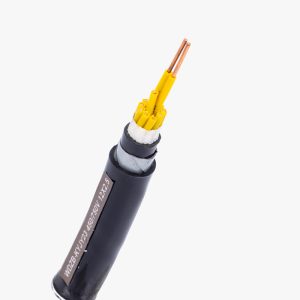
Cáp chịu lửa đơn lõi được thiết kế đặc biệt để đảm bảo an toàn cho các hệ thống điện trong trường hợp xảy ra hỏa hoạn. Những sợi cáp này tiếp tục hoạt động dưới điều kiện nhiệt độ cao, cung cấp sự bảo vệ quan trọng trong nhiều ứng dụng, bao gồm các môi trường công nghiệp, tòa nhà cao tầng và hơn thế nữa. Lớp cách điện chắc chắn của chúng cho phép chúng vẫn hoạt động trong các tình huống hỏa hoạn, giảm thiểu rủi ro tiềm ẩn cho nhân sự và cơ sở hạ tầng.
Khi nào chúng ta nên sử dụng cáp chịu lửa?
Cáp chịu lửa là cần thiết ở những khu vực mà an toàn cháy nổ là ưu tiên hàng đầu, chẳng hạn như trong các tòa nhà có mật độ người cao, cơ sở hạ tầng quan trọng và các hệ thống phải duy trì hoạt động trong tình huống khẩn cấp. Những sợi cáp này đặc biệt quan trọng cho các hệ thống báo động khẩn cấp, phát hiện hỏa hoạn và các mạch điện liên quan đến an toàn.
| Khu vực | Tầm quan trọng của cáp chịu lửa |
|---|---|
| Các tòa nhà có mật độ người cao | Cáp chịu lửa đảm bảo các hệ thống điện quan trọng vẫn hoạt động, bảo vệ số lượng lớn người trong trường hợp hỏa hoạn. |
| Cơ sở hạ tầng quan trọng | Những sợi cáp này bảo vệ cơ sở hạ tầng thiết yếu như nhà máy điện, bệnh viện và mạng lưới giao thông, đảm bảo hoạt động liên tục trong các tình huống khẩn cấp. |
| Hệ thống báo động khẩn cấp | Cáp chịu lửa là rất quan trọng trong việc đảm bảo các hệ thống báo động khẩn cấp vẫn hoạt động trong trường hợp hỏa hoạn, cảnh báo mọi người và ngăn ngừa thảm họa. |
| Hệ thống phát hiện hỏa hoạn | Những sợi cáp này giúp duy trì hoạt động của hệ thống phát hiện hỏa hoạn, đảm bảo phản ứng kịp thời đối với các đám cháy tiềm ẩn và nâng cao an toàn. |
| Mạch điện liên quan đến an toàn | Cáp chịu lửa là thiết yếu cho các mạch điện kết nối với các hệ thống an toàn cháy, như vòi phun và đèn khẩn cấp, giữ cho chúng hoạt động trong trường hợp xảy ra hỏa hoạn. |
Ứng dụng của cáp chịu lửa đơn lõi
Cáp chịu lửa đơn lõi được sử dụng rộng rãi trong các môi trường có rủi ro cao như tòa nhà thương mại, bệnh viện và nhà máy điện. Các nhà sản xuất như Znergy Cable cung cấp nhiều giải pháp cáp chịu lửa khác nhau, bao gồm những giải pháp được thiết kế để đảm bảo an toàn tối đa dưới điều kiện hỏa hoạn, phục vụ các chức năng quan trọng trong các hệ thống khẩn cấp.
Tiếp tục đọc để khám phá các khía cạnh khác nhau của cáp chịu lửa và hiểu được tầm quan trọng của chúng trong an toàn cháy nổ.
Sự khác biệt chính giữa cáp chống cháy và cáp chống ngọn lửa là gì?
Cáp chống cháy và cáp chống ngọn lửa đều đóng vai trò quan trọng trong an toàn cháy, nhưng chức năng của chúng là khác nhau. Cáp chống cháy được thiết kế để tiếp tục hoạt động trong điều kiện cháy, duy trì chức năng ngay cả khi tiếp xúc với nhiệt độ cực cao. Những cáp này được thiết kế với các vật liệu cách điện và xây dựng tiên tiến để chịu đựng sự tiếp xúc lâu dài với lửa. Ngược lại, cáp chống ngọn lửa được thiết kế để cưỡng lại sự lan tỏa của ngọn lửa nhưng có thể không hoạt động đúng cách dưới nhiệt độ cao. Trong khi cáp chống ngọn lửa dự định làm chậm hoặc dừng sự tiến triển của lửa, cáp chống cháy đảm bảo rằng các hệ thống điện vẫn hoạt động trong suốt quá trình cháy.
Đọc thêm: https://www.qrunningcable.com/difference-between-flame-retardant-and-fire-resistant-cables/
| Tính năng | Cáp Chống Cháy | Cáp Chống Ngọn Lửa |
|---|---|---|
| Chức năng | Tiếp tục hoạt động trong điều kiện cháy, duy trì khả năng hoạt động của hệ thống điện trong quá trình cháy. | Chống sự lan tỏa của ngọn lửa nhưng có thể không hoạt động đúng cách dưới nhiệt độ cao. |
| Cách điện và Vật liệu | Được xây dựng với các vật liệu cách điện và xây dựng tiên tiến để chịu đựng sự tiếp xúc lâu dài với lửa. | Được thiết kế để ngăn chặn ngọn lửa lan rộng nhưng không có ý định duy trì hoạt động trong điều kiện nhiệt độ cực cao. |
| Hiệu suất trong Cháy | Tiếp tục hoạt động ngay cả khi tiếp xúc với nhiệt độ cực cao trong một thời gian dài. | Làm chậm hoặc dừng sự tiến triển của lửa nhưng không đảm bảo hoạt động liên tục trong quá trình cháy. |
| Đơn đăng ký | Được sử dụng trong các hệ thống quan trọng cần duy trì hoạt động trong các trường hợp khẩn cấp cháy (ví dụ: báo động khẩn cấp, phát hiện cháy). | Thường được sử dụng ở những khu vực mà việc ngăn chặn sự lan tỏa của ngọn lửa là ưu tiên, nhưng việc tiếp tục hoạt động không quan trọng. |
Các đặc điểm cấu trúc của cáp chống cháy.
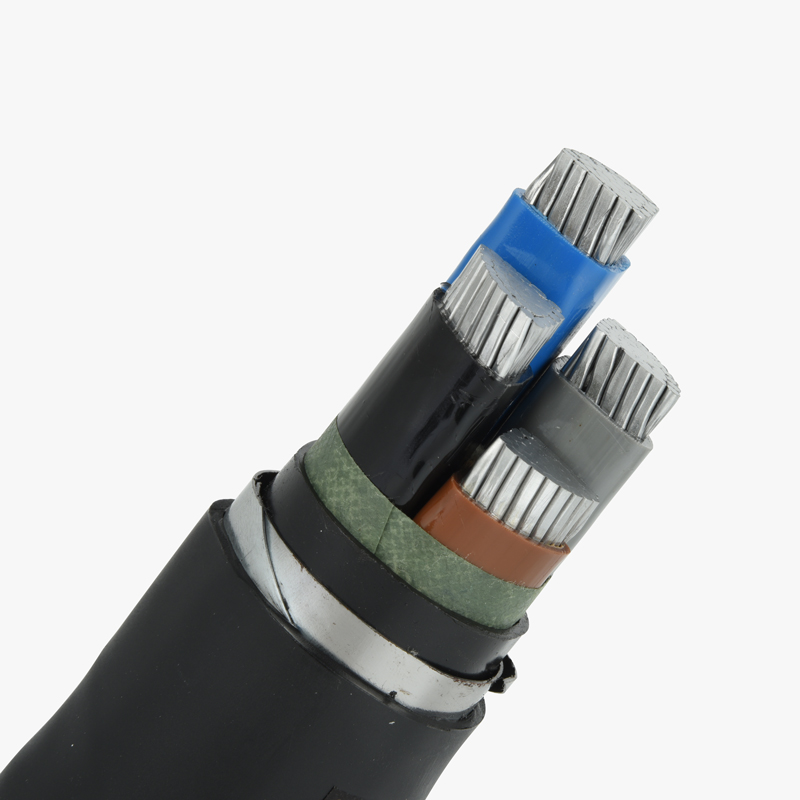
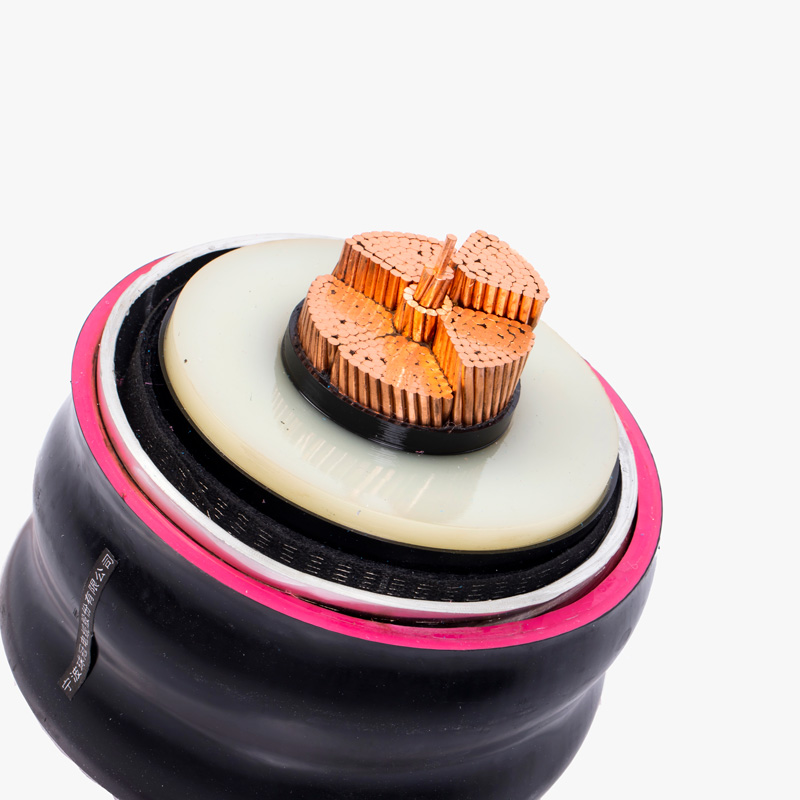
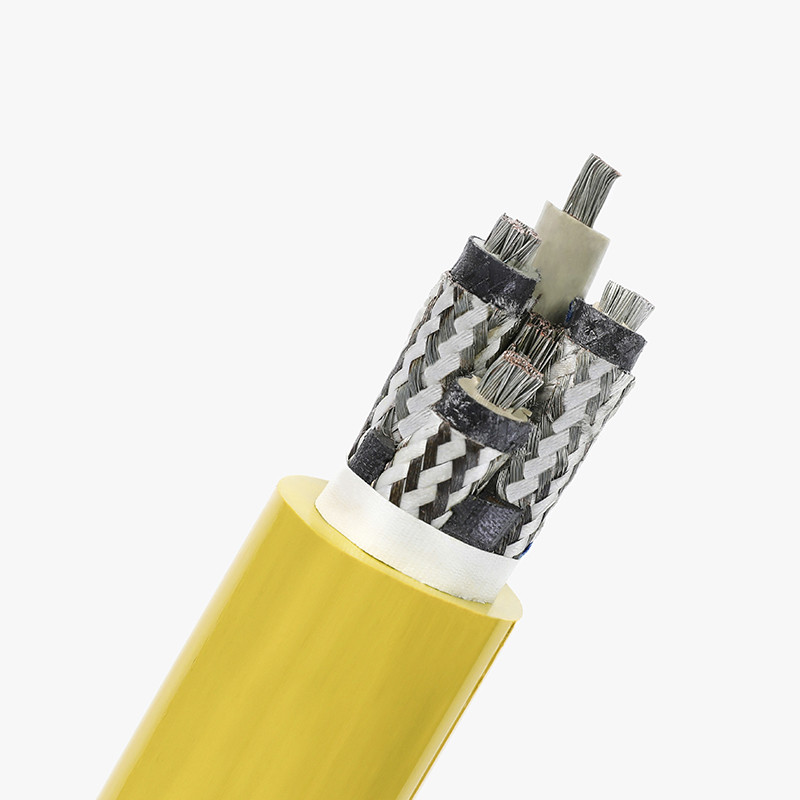
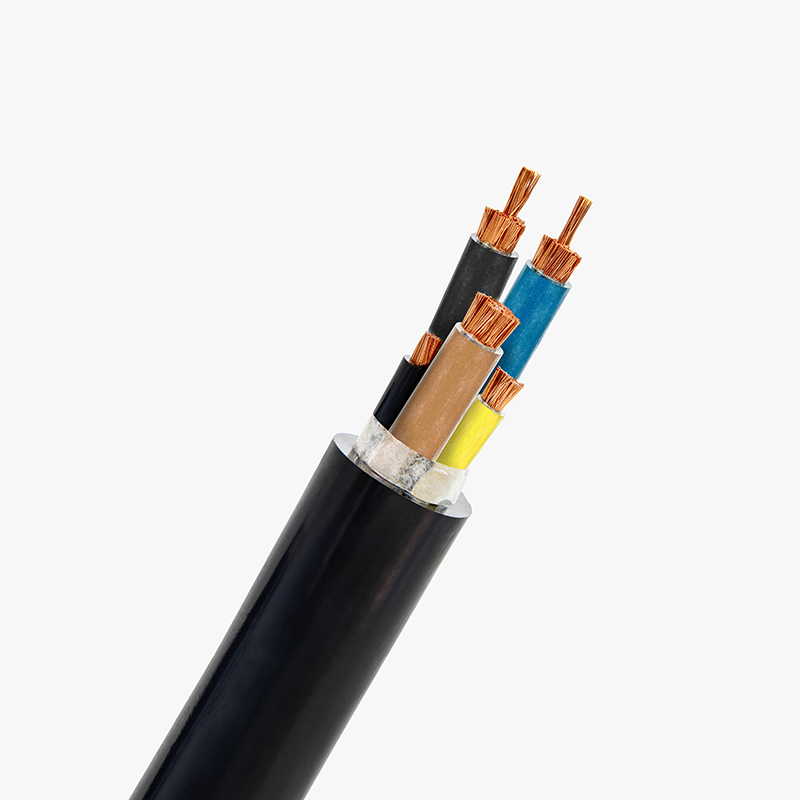
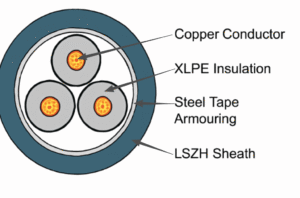
Cáp chống cháy được cấu thành từ nhiều lớp cung cấp cả cách điện và bảo vệ trong trường hợp xảy ra hỏa hoạn. Những lớp này thường bao gồm các vật liệu chịu nhiệt độ cao như mica, gốm, hoặc silicone, giúp cáp chịu đựng được nhiệt độ cao. Nhân cốt của những cáp này thường được làm từ đồng hoặc nhôm, và các vật liệu cách điện được thiết kế để ngăn cáp bị chảy hoặc bốc cháy. Lớp ngoài thường được làm từ một vật liệu chắc chắn giúp cách điện thêm cho cáp và thêm một lớp bảo vệ nữa. Những đặc điểm cấu trúc này cho phép cáp chống cháy tiếp tục hoạt động trong điều kiện cháy, khác với các cáp thông thường có thể bị hư hỏng và không hoạt động.
Liên kết sản phẩm liên quan:https://www.qrunningcable.com/fire-cable/xlpe-insulated-steel-tape-amoured-low-smoke-zero-halogen-lszh-sheathed-control-cable-cu-xlpe-sta-lszh-multi-core/
Sơ đồ cấu trúc sản phẩm:
Phân loại cáp chống cháy
Cáp chống cháy có thể được phân loại dựa trên khả năng chịu lửa và duy trì chức năng trong điều kiện nhiệt độ cực đoan. Chúng thường được chia thành hai loại chính: cáp chống cháy thấp và cáp chống cháy cao. Cáp chống cháy thấp có thể hoạt động trong một khoảng thời gian ngắn (thông thường lên đến 30 phút) trong trường hợp xảy ra cháy, trong khi cáp chống cháy cao có thể duy trì hoạt động lên đến 120 phút hoặc hơn. Những cáp này được phân loại thêm theo các tiêu chuẩn chống cháy cụ thể mà chúng đáp ứng, chẳng hạn như IEC 60331, BS 7629 và các tiêu chuẩn khác. Các nhà sản xuất thiết kế cáp chống cháy để phục vụ cho các ứng dụng khác nhau dựa trên mức độ bảo vệ cần thiết cho mỗi môi trường.
Tóm tắt:
Cáp chống cháy lõi đơn là rất cần thiết để đảm bảo các hệ thống điện hoạt động trong điều kiện nhiệt độ cao. Những cáp này được sử dụng trong các ứng dụng quan trọng như hệ thống an toàn cháy và báo động khẩn cấp. Với cấu trúc chắc chắn, chúng cung cấp hoạt động liên tục trong thời gian xảy ra cháy, giảm thiểu rủi ro cho cả con người và cơ sở hạ tầng.