Điều gì là PVC-insulated cable?
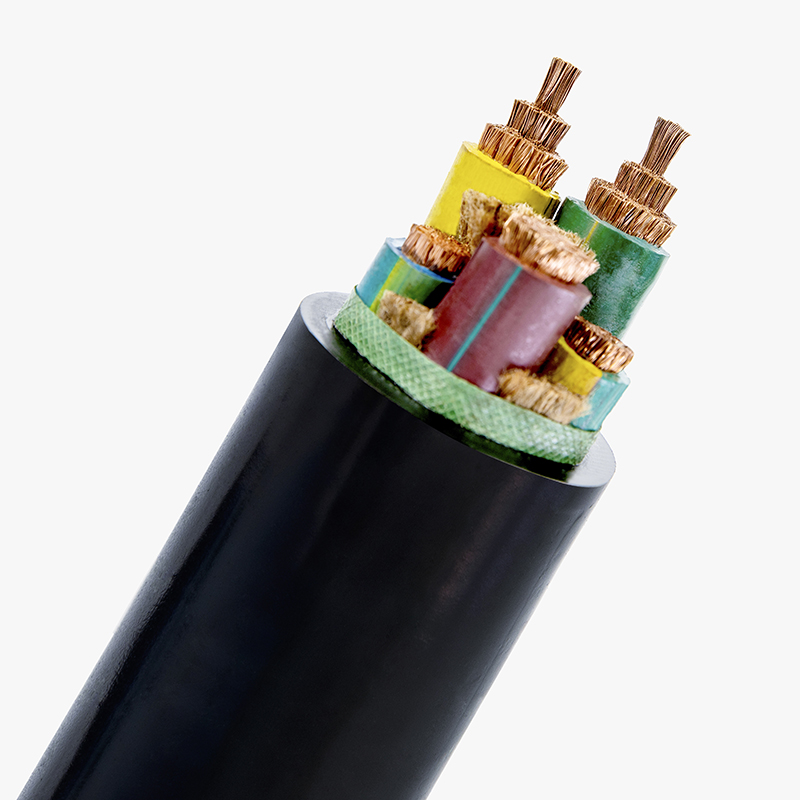
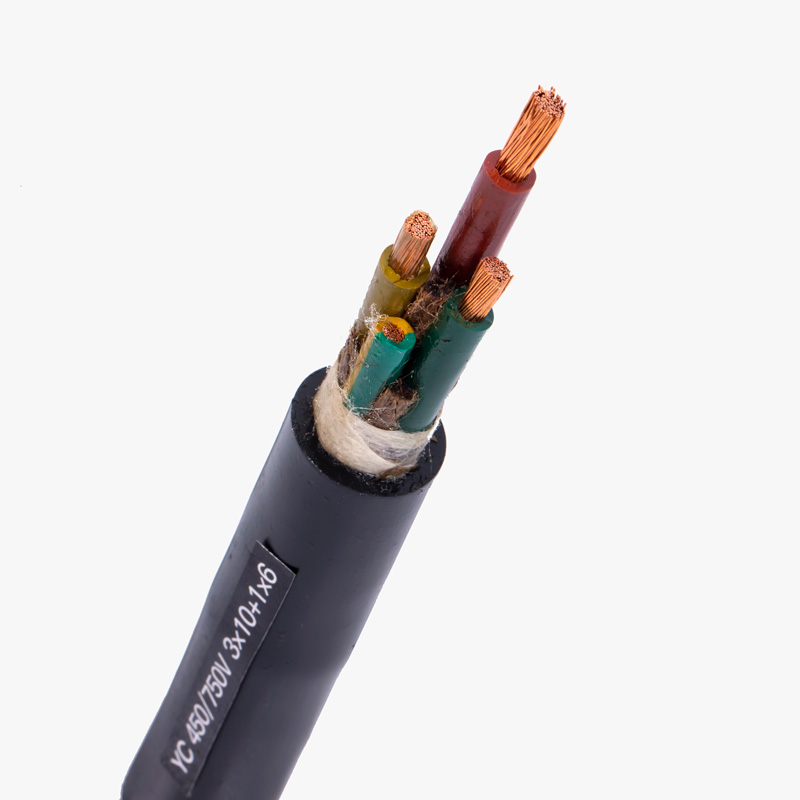
PVC-insulated cable is a type of electrical wire that uses polyvinyl chloride (PVC) as the primary material for
insulating the conductor. This insulation acts as a protective layer to prevent electrical leakage, short circuits, and physical damage. As one of the most widely used types of cable insulation, PVC-insulated w
ire is renowned for its durability, affordability, and wide application across industries including power distribution, electrical i
nstallations, and construction projects. With its excellent electrical and mechanical properties, PVC insulation is favored by manufacturers and suppliers globally for low to medium-voltage cable production. As a leading Chinese PVC-insulated cable manufacturer, QRUNNING has been supplying high-quality, OEM-capable solutions to countries such as Vietnam, Sudan, Angola, and Kenya for over 30 years.
Benefits of PVC Wire Insulation
PVC wire insulation is flame-retardant, moisture-resistant, cost-effective, and durable — ideal for safe, long-lasting electrical applications from a trusted supplier like QRUNNING.
How are PVC cables made?
PVC-insulated cables are manufactured by extruding a layer of polyvinyl chloride over a conductive core, typically copper or aluminum. The insulation process involves heating, shaping, and cooling to ensure high electrical performance, flexibility, and resistance to external damage.
Read on to explore why PVC remains the industry’s top choice for cable insulation.
Why is PVC a good insulator?
Polyvinyl chloride (PVC) is considered a good insulator due to its unique chemical structure and inherent resistance
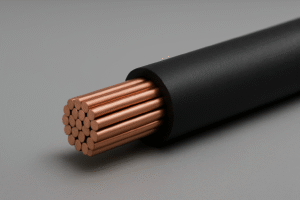
to electrical conductivity. Unlike metals, which conduct electricity freely, PVC’s molecular bonds restrict the flow of electrical current. This makes it ideal for use as a protective layer in electrical cables. PVC wire insulation also offers high resistance to moisture, oils, chemicals, and UV rays, all of which contribute to its widespread adoption in both indoor and outdoor electrical systems. Manufacturers favor PVC insulation because it remains stable over a wide temperature range and resists deformation, even under mechanical stress or in harsh environmental conditions. Furthermore, PVC’s flame-retardant properties enhance safety in high-risk areas, making it a preferred choice for electric power cable suppliers and contractors worldwide.
Is PVC a good electrical insulator?
Yes, PVC is an excellent electrical insulator. It prevents unintended electrical flow, ensuring safe and reliable power transmission. The key to this lies in PVC’s high volume resistivity and dielectric strength. These properties allow the material to withstand high voltages without breaking down, making it an ideal insulation material for low and medium voltage power cables. As a result, manufacturers use PVC-insulated cables in residential wiring, industrial machinery, and control panels. Electric cable suppliers across developing regions, including Vietnam and Africa, favor PVC-insulated wire for its consistent performance and affordability. At QRUNNING, we ensure our PVC insulation undergoes strict quality control, with all cables tested for compliance with international electrical standards, helping buyers reduce the risk of electric failure or safety hazards.
Is PVC a good heat insulator?
PVC performs moderately well as a heat insulator. While it is not the most thermally resistant material, it provides sufficient insulation for most common electrical applications. PVC wire insulation can typically withstand operating temperatures up to 70°C and some specially formulated versions can go up to 105°C. This makes it suitable for indoor electrical installations and certain outdoor applications. PVC insulation for cables reduces heat dissipation from the conductive core, preserving efficiency and minimizing risks of overheating. However, in high-temperature environments, alternative insulations like XLPE may be considered. QRUNNING manufactures PVC-insulated cables using high-grade compounds designed for thermal stability. Our cables maintain insulation integrity even under prolonged use, offering contractors and buyers in warm climates a dependable product with reliable thermal performance.
Can PVC-insulated cables be used outdoors?
Có, cáp cách điện PVC có thể sử dụng ngoài trời, nhưng cần 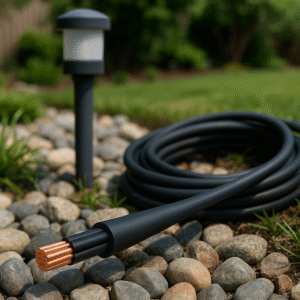 cân nhắc. Vỏ cách điện PVC tiêu chuẩn có khả năng chống nước, tia UV và ô nhiễm môi trường, làm cho nó phù hợp cho nhiều ứng dụng ngoài trời như ánh sáng vườn, lắp đặt dây tạm thời và kết nối tiện ích. Tuy nhiên, nhiệt độ cực đoan và tiếp xúc lâu dài với ánh nắng mặt trời có thể làm giảm khả năng cách điện theo thời gian nếu cáp không được ổn định UV hoặc được bảo vệ bằng lớp bọc bổ sung. Các nhà sản xuất thường cải thiện vỏ cách điện PVC tiêu chuẩn ngoài trời bằng các phụ gia để tăng cường khả năng chống lại thời tiết và mài mòn cơ học. QRUNNING cung cấp cáp cách điện PVC đáp ứng các tiêu chuẩn quốc tế cho việc sử dụng ngoài trời, bao gồm cả các tùy chọn bổ sung cho cách điện kép và lớp bọc chống thời tiết. Người mua nên tham khảo ý kiến từ những nhà cung cấp cáp đáng tin cậy để đảm bảo rằng dây cáp cách điện PVC được chọn phù hợp với các điều kiện môi trường cụ thể, đặc biệt là cho các lắp đặt ngoài trời lâu dài.
Cáp cách điện PVC có tuổi thọ bao lâu?
Tuổi thọ của cáp cách điện PVC thường dao động từ 20 đến 30 năm, tùy thuộc vào cách sử dụng, các yếu tố môi trường và chất lượng lắp đặt. Trong điều kiện tối ưu—lắp đặt đúng cách, tải trọng phù hợp và tiếp xúc tối thiểu với nhiệt độ cực đoan—vỏ cách điện PVC có thể vượt quá tuổi thọ dự kiến của nó. Độ bền của vỏ cách điện PVC xuất phát từ khả năng chống ăn mòn, độ ẩm, hóa chất và bức xạ UV. Tuy nhiên, quá tải cáp hoặc tiếp xúc với nhiệt độ cao có thể tăng tốc quá trình suy giảm. Các nhà sản xuất như QRUNNING thực hiện các thử nghiệm và kiểm soát chất lượng nghiêm ngặt để đảm bảo độ tin cậy lâu dài. Cáp điện của chúng tôi được làm từ vật liệu cách điện PVC chất lượng cao, được thiết kế cho cả sử dụng trong nhà và ngoài trời. Chúng tôi cung cấp cho khách hàng B2B những cáp cách điện PVC chắc chắn, đã được chứng nhận nhằm giảm tần suất thay thế, giảm chi phí bảo trì cho các nhà thầu, người sử dụng nhà máy và nhà cung cấp tiện ích.