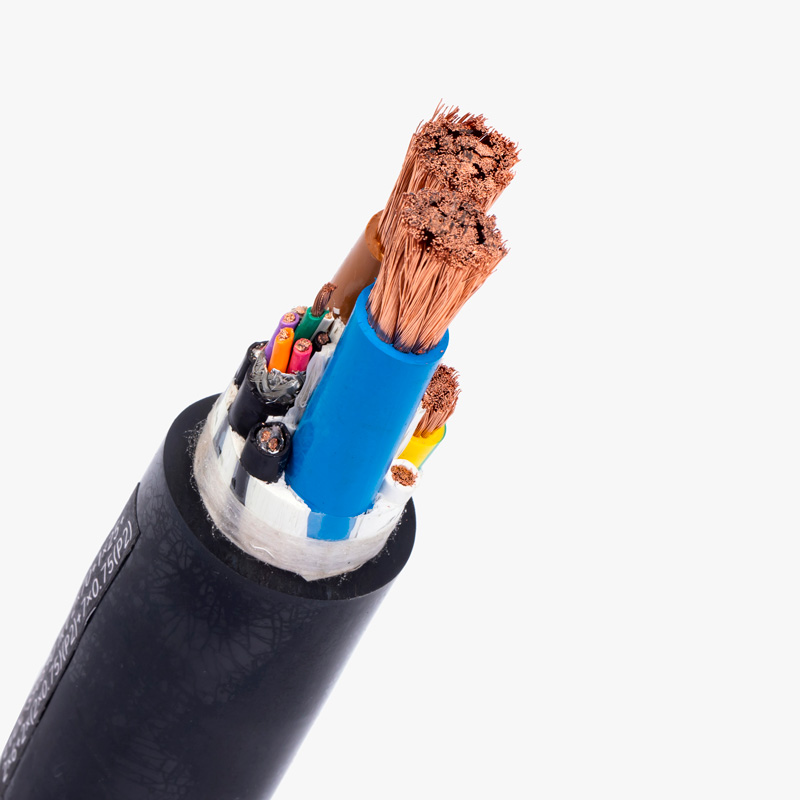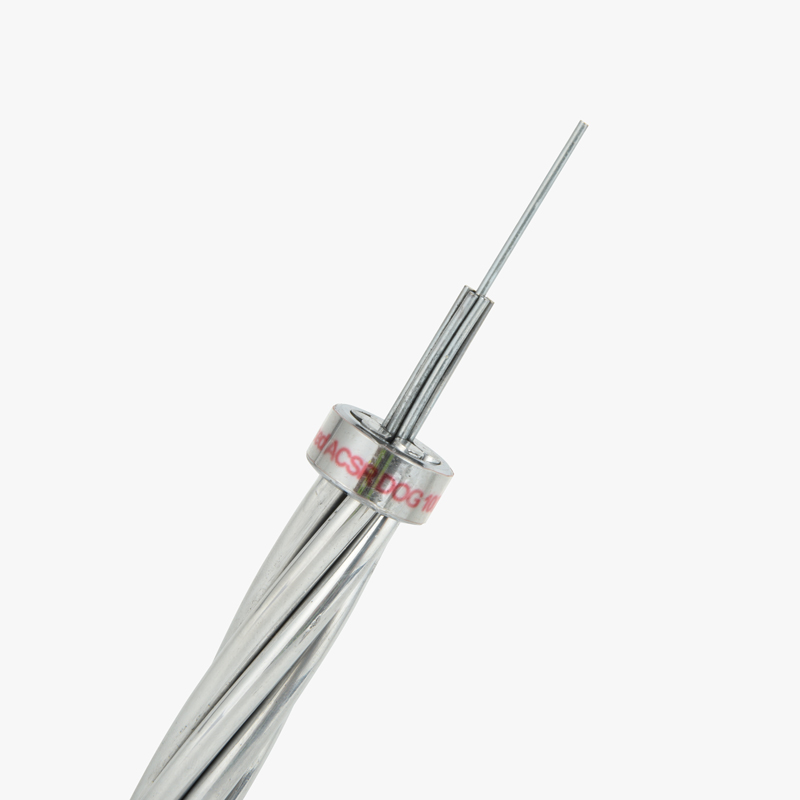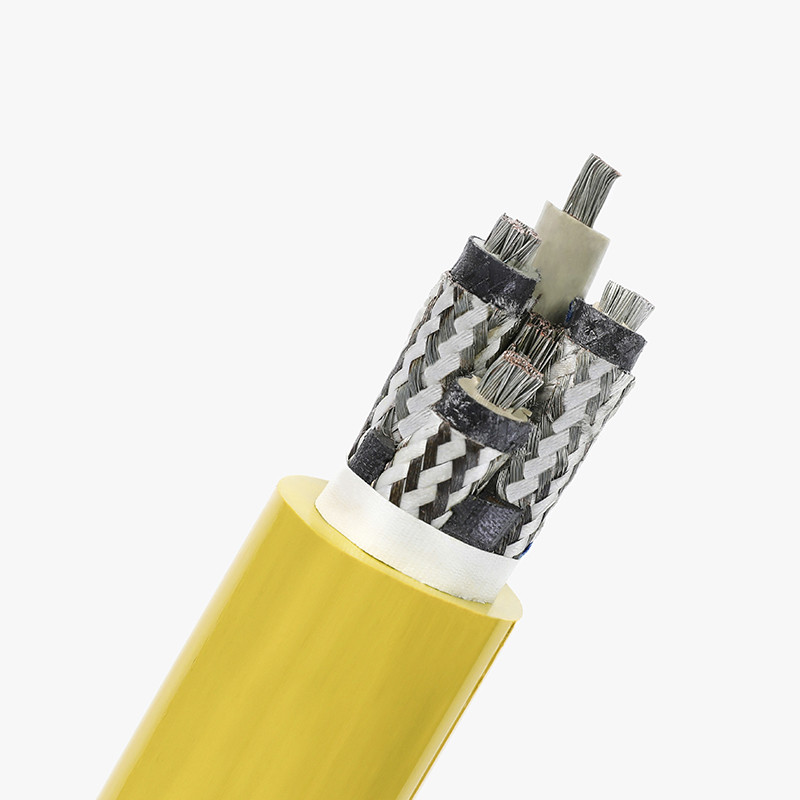
Cách nhiệt PVC là gì?
Cách nhiệt PVC (Polyvinyl Chloride) là một vật liệu được sử dụng phổ biến trong sản xuất cáp, cung cấp cả bảo vệ điện tử và vật lý. Polymer nhiệt dẻo này thường được sử dụng để bọc các dây dẫn điện, cung cấp cách nhiệt chịu nhiệt, độ ẩm và ăn mòn hóa học. cáp cách điện PVC có độ bền cao, chi phí hiệu quả và thích nghi, khiến chúng trở thành lựa chọn lý tưởng cho nhiều ứng dụng công nghiệp, thương mại và dân dụng.

Lợi ích của Cách Nhiệt PVC
Cách nhiệt PVC mang lại nhiều lợi ích, bao gồm khả năng kháng độ ẩm, hóa chất và mài mòn cao. Nó linh hoạt, chi phí hiệu quả và có tính chất điện tuyệt vời. Hơn nữa, cáp PVC có thể chịu đựng nhiều điều kiện môi trường khác nhau, khiến chúng trở thành lý tưởng cho cả ứng dụng trong nhà và ngoài trời. Các nhà sản xuất đánh giá cao sự dễ dàng trong việc chế biến và độ bền của nó, đảm bảo tuổi thọ dài cho cáp và dây.
| Lợi ích | Mô tả |
|---|---|
| Kháng độ ẩm | Cách nhiệt PVC có khả năng kháng độ ẩm cao, đảm bảo rằng các cáp vẫn được bảo vệ trong môi trường ẩm ướt hoặc có độ ẩm cao, giảm thiểu nguy cơ sự cố điện. |
| Kháng hóa chất | PVC cung cấp khả năng kháng tuyệt vời trước nhiều hóa chất khác nhau, khiến nó phù hợp với việc sử dụng trong môi trường công nghiệp nơi cáp có thể bị tiếp xúc với các chất ăn mòn. |
| Kháng mài mòn | Cách nhiệt PVC bền và có khả năng kháng mài mòn, giúp ngăn chặn hư hỏng do sự hao mòn vật lý trong các ứng dụng chịu áp lực cao. |
| Sự linh hoạt | Mặc dù có độ bền, PVC vẫn linh hoạt, cho phép lắp đặt dễ dàng trong không gian chật hẹp và quanh các góc mà không bị nứt hay gãy. |
| Chi phí hiệu quả | PVC là một vật liệu có giá thành tương đối thấp, khiến nó trở thành lựa chọn hợp lý cho nhiều ứng dụng, mang lại giá trị tuyệt vời cho sự bảo vệ mà nó cung cấp. |
| Tính chất điện | PVC cung cấp tính chất cách điện điện tuyệt vời, ngăn cản dòng điện chảy qua cách nhiệt và giảm thiểu nguy cơ bị điện giật. |
| Khả năng thích ứng với môi trường | PVC có thể chịu đựng nhiều điều kiện môi trường khác nhau, bao gồm nhiệt độ cực cao và tiếp xúc với ánh sáng UV, làm cho nó phù hợp cho cả lắp đặt trong nhà và ngoài trời. |
| Durability | Cách điện PVC nâng cao tuổi thọ của cáp bằng cách cung cấp bảo vệ chống lại các yếu tố môi trường, đảm bảo tính đáng tin cậy và hiệu suất lâu dài. |
| Dễ dàng xử lý | PVC dễ dàng xử lý và sản xuất, cho phép các nhà sản xuất sản xuất cáp chất lượng cao nhanh chóng và hiệu quả, đảm bảo chất lượng sản phẩm đồng nhất. |
Lĩnh vực ứng dụng của cáp cách điện PVC
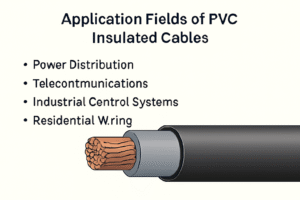
Cáp cách điện PVC thường được sử dụng trong phân phối điện, viễn thông và hệ thống điều khiển công nghiệp. Chúng lý tưởng cho các ứng dụng mà sự linh hoạt và độ bền là quan trọng. Các công ty như Qrunning Cable cung cấp nhiều loại cáp PVC được sử dụng trong các môi trường từ dây điện dân dụng đến các thiết bị máy móc công nghiệp phức tạp.
Tiếp tục đọc để khám phá thêm về lợi ích, ứng dụng và khía cạnh kỹ thuật của cách điện PVC.
Is PVC a good heat insulator?
PVC không phải là một vật liệu cách nhiệt tốt so với các vật liệu khác như cao su hoặc gốm. Tuy nhiên, nó cung cấp khả năng chịu nhiệt vừa phải, điều này làm cho nó phù hợp cho hầu hết các ứng dụng tiêu chuẩn. Cách điện PVC có thể chịu đựng nhiệt độ dao động từ -15°C đến 70°C, mặc dù nó có thể xuống cấp ở nhiệt độ cao hơn. Đối với các ứng dụng điện, cáp PVC thường được sử dụng ở những nơi mà việc tiếp xúc với nhiệt độ cực cao không phải là mối quan tâm chính. Các nhà sản xuất thường chọn PVC cho các môi trường mà khả năng chịu nhiệt vừa đủ, nhưng đối với các ứng dụng nhiệt độ cao hơn, các vật liệu khác như silicone hoặc Teflon thường được ưa chuộng hơn. Ngoài ra, tính chất cách điện của PVC khiến nó trở thành vật liệu phù hợp cho các ứng dụng điện và cáp hàng ngày trong các điều kiện không cực đoan.
Is PVC a good electrical insulator?
Có, PVC là một vật liệu cách điện điện rất tốt. Tính chất cách điện của nó là một trong những lý do chính cho việc sử dụng rộng rãi trong sản xuất cáp. PVC ngăn chặn dòng điện qua lớp ngoài của cáp, tạo thành một rào cản hiệu quả bảo vệ người sử dụng khỏi các cú sốc điện. Nó cũng giúp giảm nguy cơ ngắn mạch bằng cách đảm bảo rằng các dẫn điện điện được bao bọc an toàn. Độ bền điện môi của cách điện PVC cho phép nó chịu được điện áp mà không bị hỏng, đó là lý do tại sao nó trở thành vật liệu lý tưởng cho các cáp được sử dụng trong phân phối điện và viễn thông. Khi so sánh với các vật liệu cách điện khác, PVC vừa tiết kiệm chi phí vừa hiệu quả, cung cấp hiệu suất điện năng vững chắc trên nhiều ứng dụng.
Những nhược điểm của cách điện PVC là gì?
Mặc dù có nhiều ưu điểm, cách điện PVC cũng có một số nhược điểm. Một trong những vấn đề chính là khả năng chịu nhiệt hạn chế. Như đã đề cập trước đó, PVC bắt đầu xuống cấp ở nhiệt độ cao hơn, điều này có nghĩa là nó không phù hợp cho các môi trường có nhiệt độ cực cao. Ngoài ra, PVC không thân thiện với môi trường như các vật liệu khác, vì sản xuất và xử lý của nó có thể phát thải các độc tố có hại vào môi trường. Một mối quan tâm khác là tính dễ cháy của nó—mặc dù PVC có tính chống cháy, nhưng nó vẫn có thể bắt lửa trong những điều kiện nhất định, và việc đốt cháy PVC phát thải khói độc. Cuối cùng, PVC có thể trở nên giòn theo thời gian khi tiếp xúc với bức xạ UV, điều này hạn chế việc sử dụng của nó trong các ứng dụng ngoài trời trừ khi được xử lý đặc biệt để chống lại UV. Những nhược điểm này khiến việc đánh giá tính phù hợp của cách điện PVC cho các ứng dụng cụ thể trở nên quan trọng.
Cách điện PVC được sử dụng ở đâu?
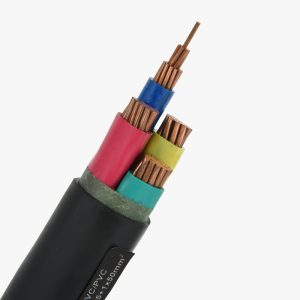
Cách điện PVC được sử dụng trong nhiều ứng dụng, từ dân dụng đến công nghiệp
các cài đặt. Những ứng dụng thông thường bao gồm cáp điện, dây cho thiết bị gia đình và cáp truyền tải dữ liệu. Nó cũng được sử dụng rộng rãi trong ô tô, viễn thông và hệ thống HVAC. Trong các cài đặt công nghiệp, các nhà sản xuất thường chọn cáp cách điện PVC cho thiết bị và máy móc yêu cầu độ bền và linh hoạt trong lắp đặt. Ngoài ra, PVC là lựa chọn phổ biến cho các cáp điện áp thấp và trung bình do các tính chất cách điện điện tuyệt vời và tiết kiệm chi phí của nó. Đối với các ứng dụng cụ thể như máy móc công nghiệp, dây điện ô tô hoặc hệ thống điện dân dụng, các nhà cung cấp cung cấp cáp PVC được thiết kế phù hợp với các tiêu chuẩn và quy định của ngành.