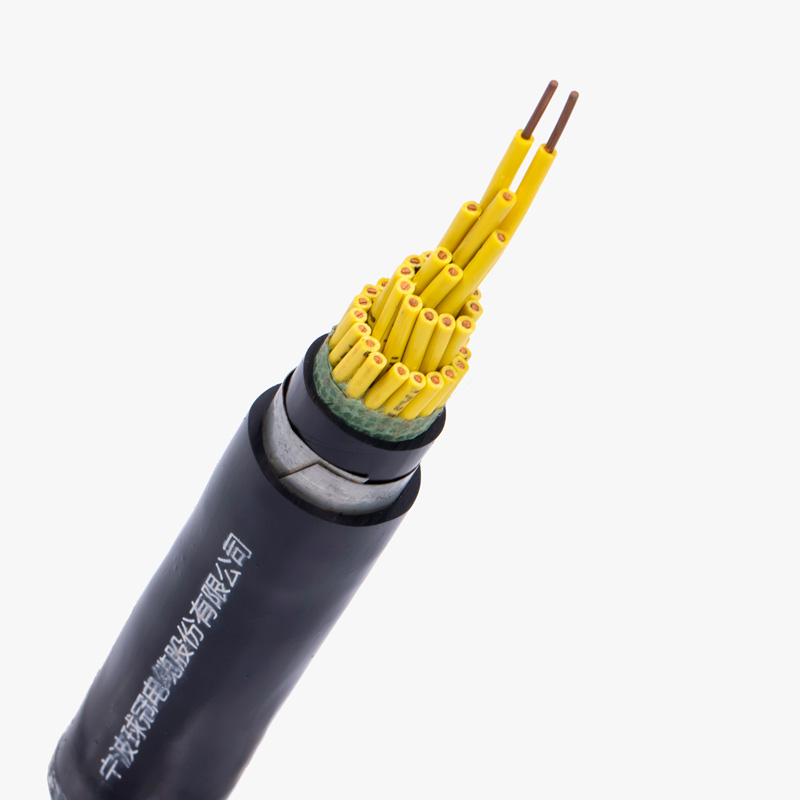
Cáp HV (High Voltage) là gì?
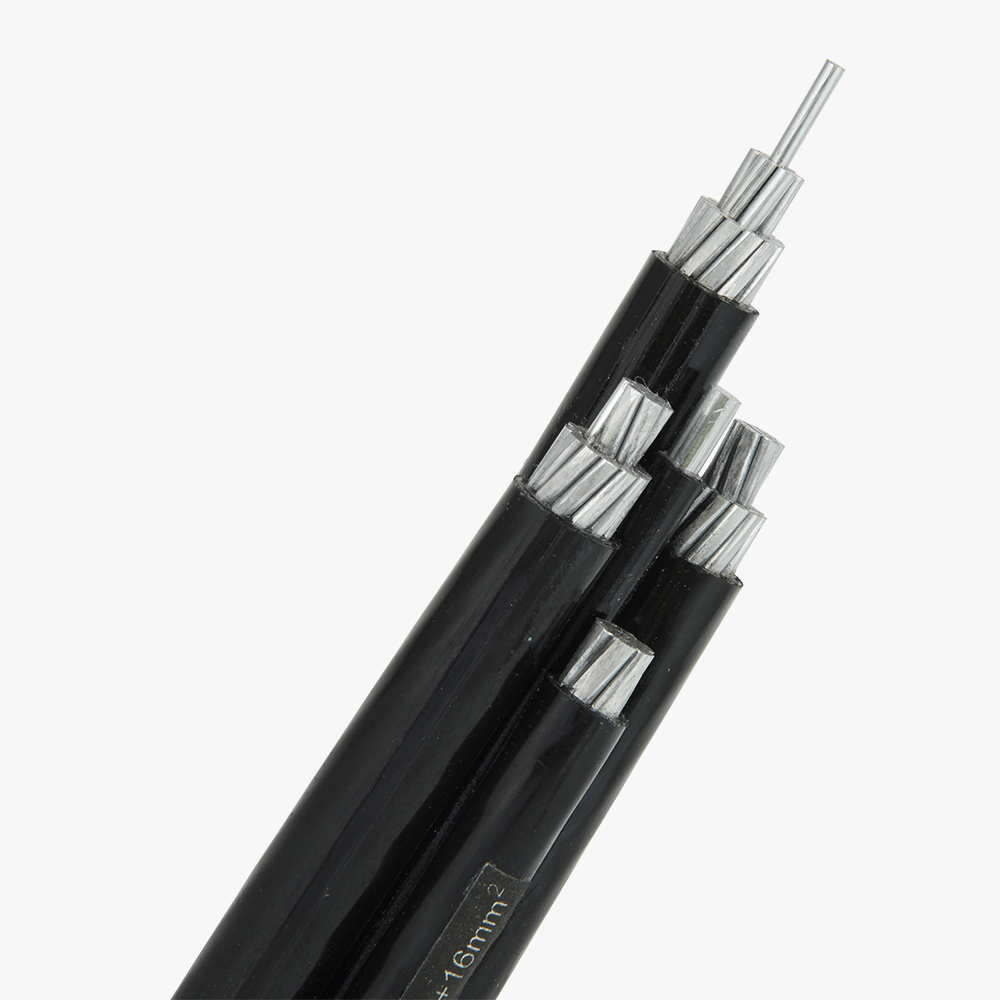
Cáp điện áp cao (HV) được thiết kế riêng để truyền tải điện năng ở điện áp cao hơn, thường trên 1 kV (kilovolt). Những cáp này là phần không thể thiếu trong việc truyền tải điện năng qua những khoảng cách dài, từ các nhà máy điện đến mạng lưới phân phối. Trong các ngành công nghiệp như năng lượng, vận tải và viễn thông, cáp HV là rất quan trọng trong việc cung cấp điện năng một cách đáng tin cậy và hiệu quả. Cáp điện áp cao có nhiều loại khác nhau, mỗi loại phù hợp với những ứng dụng cụ thể như cáp ngầm, cáp trên không và cáp dưới nước. Cấu tạo của cáp HV bao gồm nhiều lớp cách điện và bảo vệ để đảm bảo truyền tải an toàn, ngăn chặn rò rỉ và tránh sự cố điện.
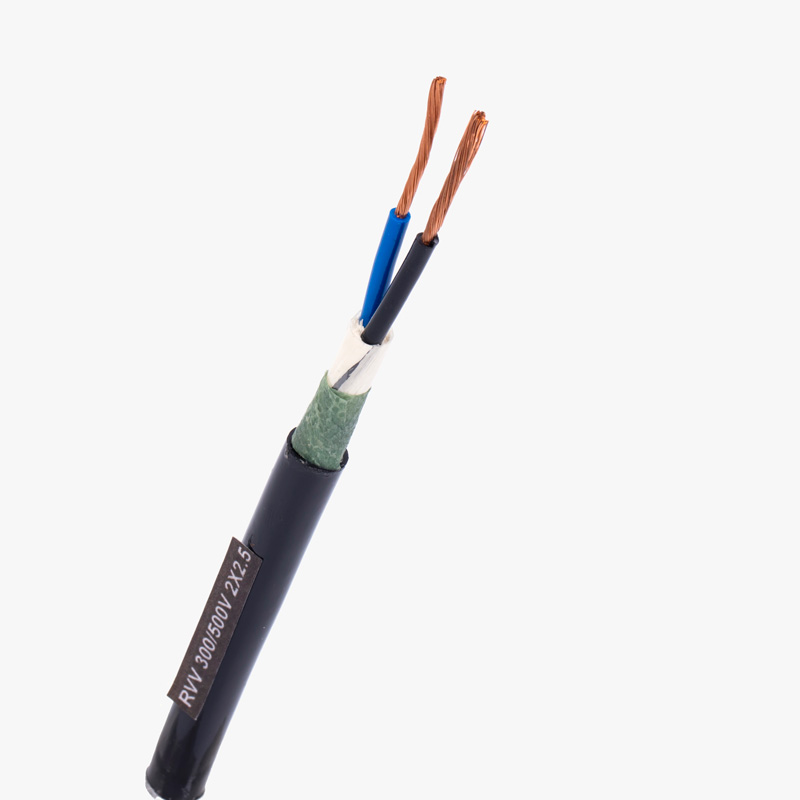
Cáp điện áp cao thường được sử dụng trong hệ thống truyền tải điện để cung cấp điện năng qua những khoảng cách dài, giảm thiểu tổn thất năng lượng. Cáp HV thường được chế tạo bằng các vật liệu như đồng hoặc nhôm để dẫn điện, và các vật liệu cách điện của chúng được chọn dựa trên các điều kiện môi trường mà chúng sẽ phải đối mặt, chẳng hạn như polyethylene, XLPE hoặc cao su. Để tăng cường bảo vệ, những cáp này cũng có thể bao gồm các lớp che chắn để bảo vệ khỏi hư hại bên ngoài, can thiệp điện từ và các điều kiện môi trường như độ ẩm, nhiệt độ hoặc hóa chất.
Cáp MV (Medium Voltage) là gì?
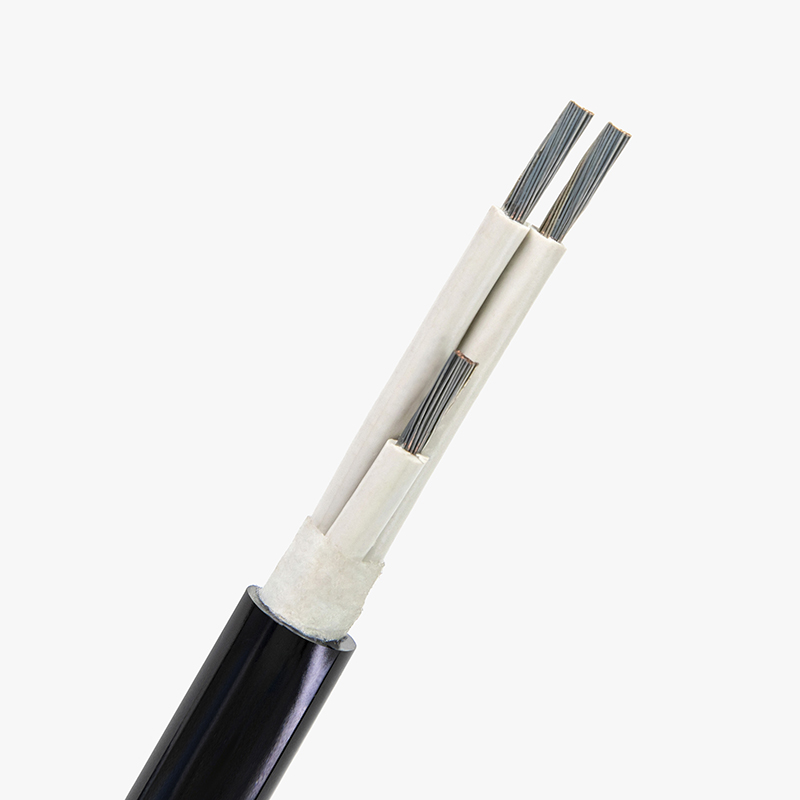
Cáp điện áp trung (MV), như tên gọi của nó, được sử dụng để truyền tải điện năng ở điện áp trung bình, thường từ 1 kV đến 36 kV. Những cáp này thường được tìm thấy trong mạng lưới phân phối điện, nơi chúng kết nối các trạm biến áp với các điểm phân phối khác nhau. Cáp MV rất quan trọng trong giai đoạn cuối của quá trình truyền tải điện, cung cấp điện năng cho các hộ gia đình, nhà máy và các tòa nhà thương mại. Vật liệu cách điện của chúng có thể thay đổi, với XLPE là phổ biến nhất vì có sức điện môi cao, đặc tính nhiệt tuyệt vời và khả năng chống ẩm và áp lực cơ học.
Không giống như cáp HV, cáp MV không được thiết kế để truyền tải qua khoảng cách dài mà được sử dụng cho phân phối điện tại chỗ. Trong khi cáp HV yêu cầu cấu trúc chắc chắn hơn để xử lý tải điện cao hơn, cáp MV vẫn được chế tạo bằng các vật liệu chất lượng cao để ngăn chặn sự cố điện và rò rỉ. Cáp MV được sử dụng trong nhiều ứng dụng khác nhau, bao gồm nhà máy công nghiệp, tiện ích và trong việc kết nối với các biến áp điện áp cao để hạ điện áp cho phân phối tiếp theo.
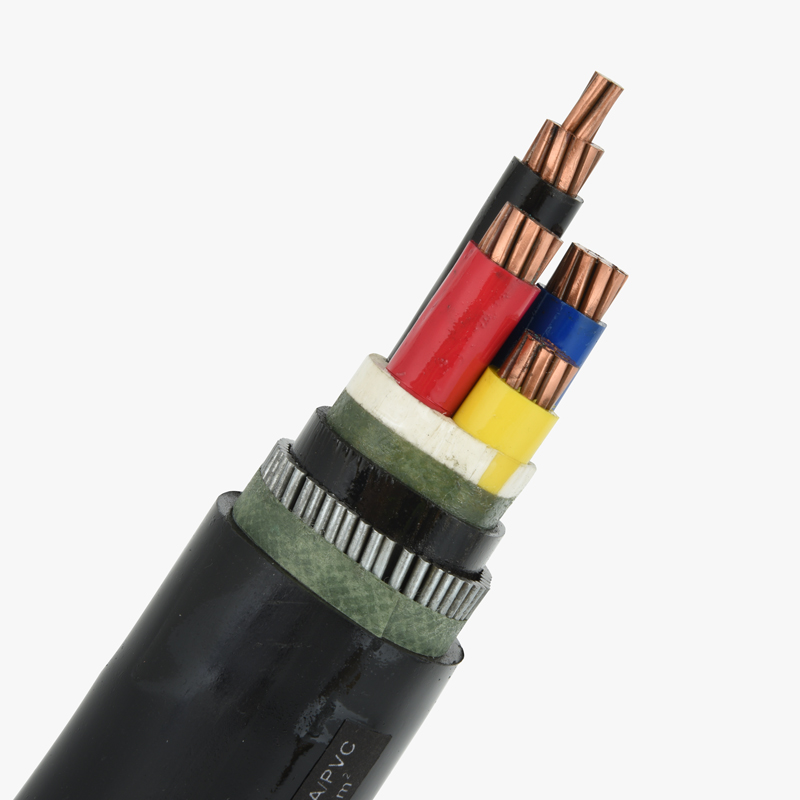
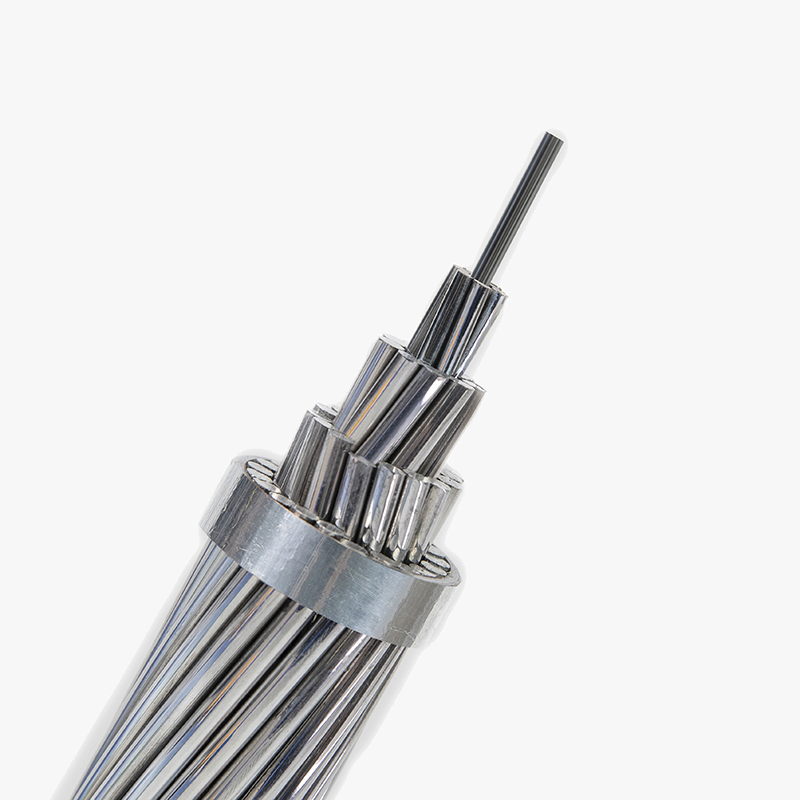

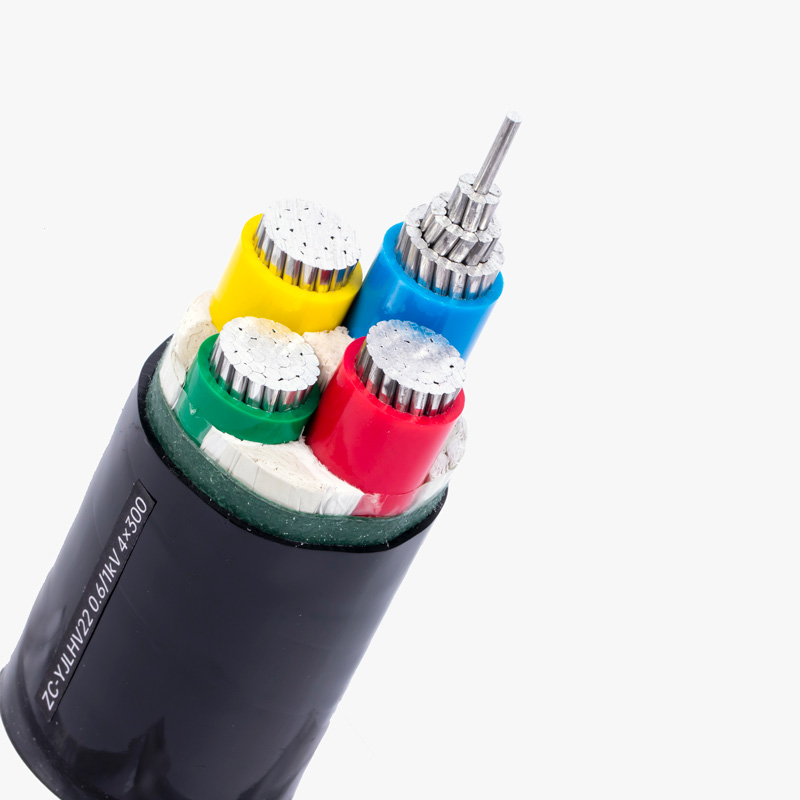
Sự khác biệt giữa HVDC và HVAC là gì?
Sự khác biệt giữa HVDC (High Voltage Direct Current) và HVAC (High Voltage Alternating Current) chủ yếu nằm ở loại dòng điện mà mỗi loại cáp truyền tải. Cáp HVDC mang dòng điện một chiều (DC), trong khi cáp HVAC truyền tải dòng điện xoay chiều (AC). Sự phân biệt này có các hệ quả đáng kể về hiệu suất, khoảng cách và ứng dụng. Hệ thống HVDC thường được sử dụng cho việc truyền tải điện năng qua khoảng cách dài và cáp dưới biển vì DC chịu ít tổn thất năng lượng hơn so với AC. HVAC, mặt khác, thường được sử dụng cho việc phân phối điện qua khoảng cách ngắn hơn và cho các hệ thống phụ thuộc vào dòng điện xoay chiều cho việc phát điện và tiêu thụ.
HVDC lý tưởng cho việc truyền tải hiệu quả, xa, chẳng hạn như các đường dây điện liên lục địa, trong khi HVAC phù hợp hơn với các hệ thống lưới điện địa phương. Một trong những lợi thế chính của HVDC so với HVAC là tổn thất năng lượng giảm trong quá trình truyền tải, đặc biệt khi vận chuyển điện ở các khoảng cách lớn. Hệ thống HVAC, mặc dù hiệu quả cho các khoảng cách ngắn hơn, lại gặp nhiều tổn thất năng lượng hơn do hiệu ứng da và điện trở đường dây. Cáp DC điện áp cao cũng rất cần thiết để kết nối các lưới điện hoạt động ở tần số khác nhau hoặc nơi mà kết nối trực tiếp là cần thiết giữa hai khu vực có lưới AC khác nhau.
Chức năng của cáp điện áp trung là gì?
Chức năng chính của cáp điện áp trung là truyền tải điện từ trạm biến áp đến các điểm phân phối địa phương. Những cáp này thường có dải điện áp từ 1 kV đến 36 kV và hoạt động như một cầu nối giữa các đường dây truyền tải điện áp cao và các mạng phân phối điện áp thấp. Cáp MV rất quan trọng trong việc đảm bảo cung cấp điện an toàn và đáng tin cậy qua các khoảng cách ngắn trong các thị trấn, khu công nghiệp hoặc khu dân cư.
Cáp MV được sử dụng rộng rãi trong nhiều ứng dụng như phân phối điện trong các tòa nhà, chiếu sáng đường phố và máy móc công nghiệp. Chúng thường được chôn dưới đất để bảo vệ khỏi các yếu tố bên ngoài như thời tiết và hư hại vật lý. Cáp MV được thiết kế với các vật liệu cách điện ngăn chặn điện giật và đảm bảo việc truyền tải điện an toàn. Trong một số trường hợp, chúng cũng được bảo vệ bằng lớp giáp để chịu được áp lực cơ học và cung cấp sự an toàn bổ sung trước các tác động hoặc mài mòn không mong muốn.
Chức năng của cáp điện áp cao là gì?
Cáp cao thế có chức năng chính là truyền tải điện năng qua những khoảng cách dài với tổn thất tối thiểu. Những cáp này mang điện áp thường trên 36 kV và được sử dụng để kết nối các nhà máy điện, trạm biến áp và các đường dây truyền tải xa. Cáp HV rất cần thiết trong việc phát sinh và vận chuyển điện năng để được phân phối khắp các thành phố, ngành công nghiệp và khu vực nông thôn. Nhờ vào khả năng điện áp cao của chúng, những cáp này được thiết kế với các vật liệu cách điện và lớp bảo vệ vượt trội để chịu đựng áp lực cực lớn của tải điện.
Một chức năng quan trọng khác của các cáp điện áp cao là tạo điều kiện cho việc vận hành ổn định của các lưới điện bằng cách giảm thiểu tổn thất năng lượng trong quá trình truyền tải. Cáp HV cũng đóng vai trò quan trọng trong việc phát triển các dự án năng lượng tái tạo, nơi cần thiết phải truyền tải điện qua khoảng cách xa để kết nối các địa điểm phát điện năng lượng tái tạo (như các trang trại gió ngoài khơi hoặc trang trại năng lượng mặt trời) với lưới chính. Những cáp này đảm bảo rằng điện được cung cấp một cách hiệu quả và đáng tin cậy từ các nguồn năng lượng tái tạo đến tay người tiêu dùng.
Tóm tắt
Cáp HV và MV có vai trò khác nhau nhưng quan trọng trong lưới điện. Cáp HV được sử dụng để truyền tải điện qua những khoảng cách dài ở điện áp cao, trong khi cáp MV được sử dụng để phân phối bên trong các mạng lưới địa phương. Việc lựa chọn cáp phù hợp từ các nhà sản xuất cáp điện áp cao đáng tin cậy đảm bảo việc cung cấp điện an toàn, hiệu quả và đáng tin cậy cho tất cả các ứng dụng.
About Qrunning
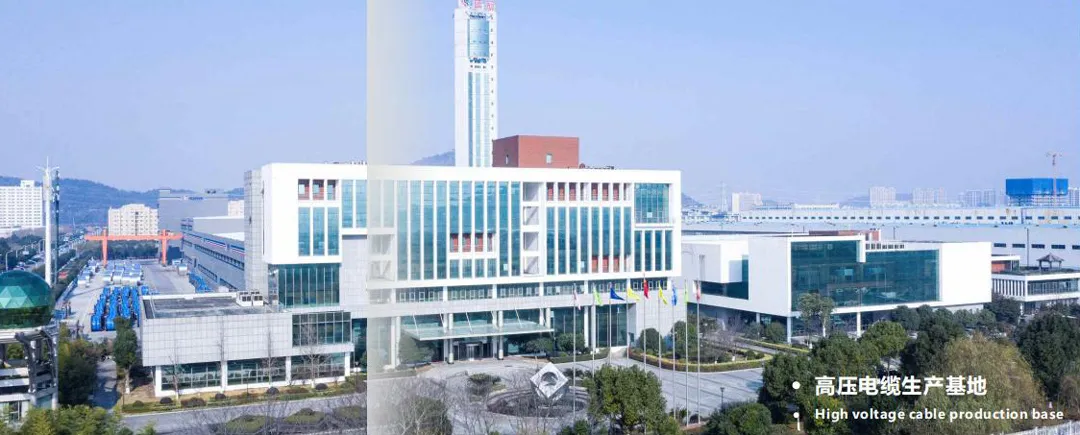
Qrunning là một professional engaged in wire and cable research & development, production, sales và service enterprises.The main products are three series of wires and cables of 500 kV and below.Qrunning started in 1990 and entered the top 50 of China’s cable industry in 2015.Dedicated high-voltage cable production base established in 2011.