Are You Struggling to Identify Reliable High-Voltage Cables for Critical Power Projects?
When sourcing high-voltage cables for power grid expansion, industrial plants, or infrastructure bidding, how can you be sure the products truly meet technical standards? Many buyers face delayed shipments, inconsistent insulation quality. These issues can lead to costly downtime, safety hazards, and project penalties. The solution lies in partnering with a proven Fabricant and global Fournisseur with strict quality control, scalable production, and transparent certification systems. With over 30 years of experience and 10 production lines, QRUNNING delivers fully Personnalisable solutions up to 500kV, ensuring stable performance, verified compliance, and long-term reliability for contractors and distributors worldwide.
Understanding These Characteristics Helps You Reduce Risk and Increase Profitability
Selecting the right cable is not only a technical decision but also a strategic investment. Let’s explore the essential HV cable characteristics that define quality and long-term value.
Key Properties and Performance Standards of High-Voltage Cables
Compliance with International Standards
Reliable high-voltage cables must comply with recognized IEC and other international standards. Certification ensures the cable meets requirements for voltage rating, conductor resistance, insulation thickness, and testing procedures. For engineering contractors and Grossistes, verified compliance reduces bidding risks and prevents costly rework. A trustworthy Fournisseur provides full test reports, type-test documentation, and third-party certification, eliminating concerns about falsified credentials.
Dielectric Strength and Insulation Performance
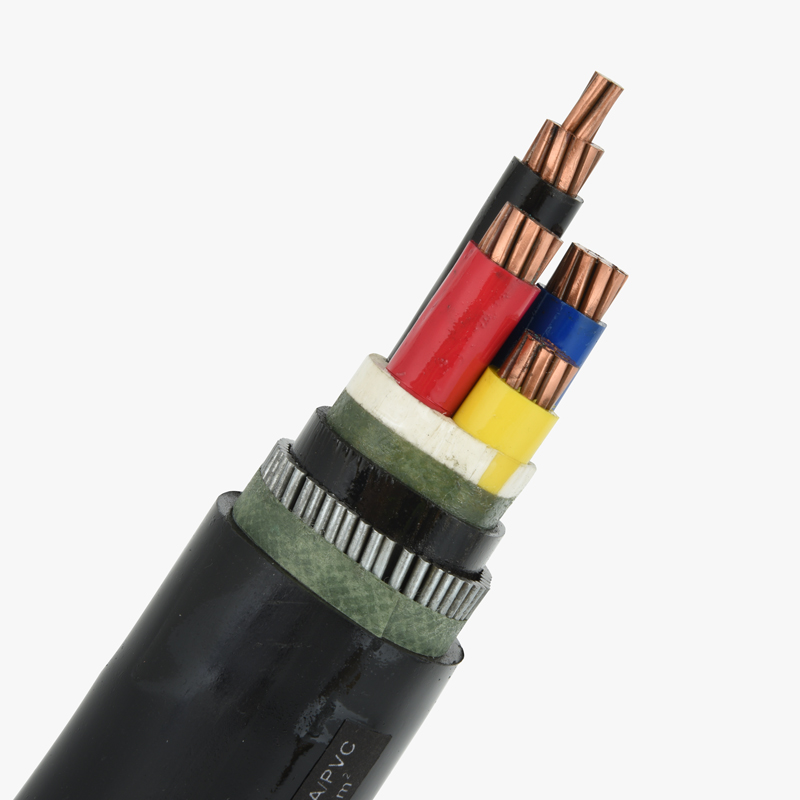
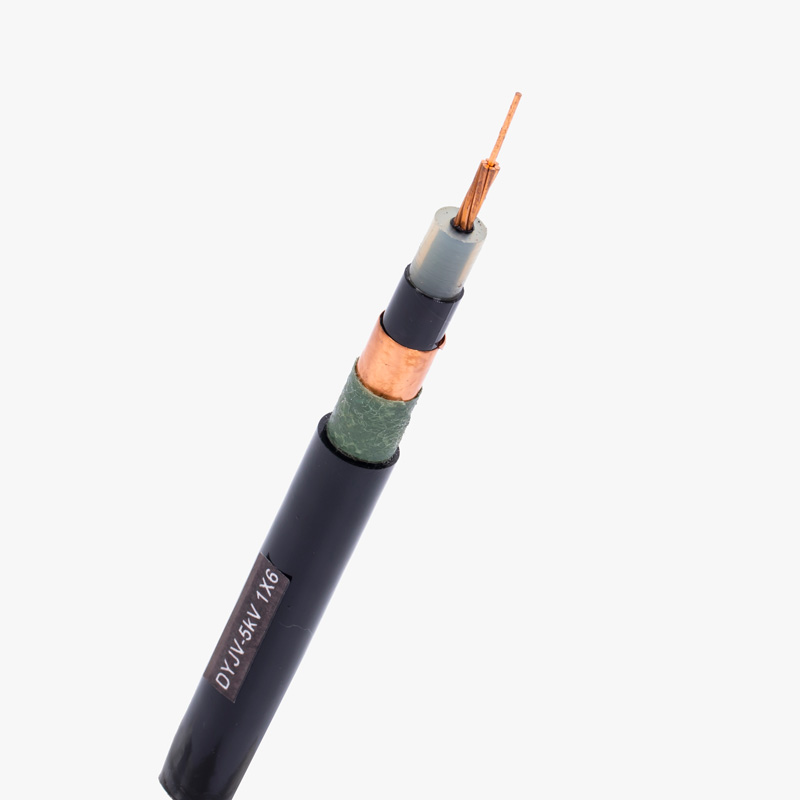
The most critical feature of any high-voltage system is insulation. Premium cables use advanced XLPE or equivalent materials to ensure high dielectric strength and minimal electrical loss. Strong insulation prevents partial discharge and breakdown under extreme voltage stress. Consistent extrusion technology and precise thickness control significantly enhance operational stability, particularly in 110kV–500kV transmission systems.
Thermal Stability and Long Service Life
Heat management directly affects service life. High-quality cables maintain stable electrical performance even under continuous high-load conditions. Excellent thermal resistance ensures the conductor and insulation system can withstand overloads without rapid degradation. This improves overall project reliability and reduces lifecycle costs for large-scale power grid investors.
Electrical and Mechanical Characteristics of High-Voltage Cables
High Conductivity and Low Transmission Loss
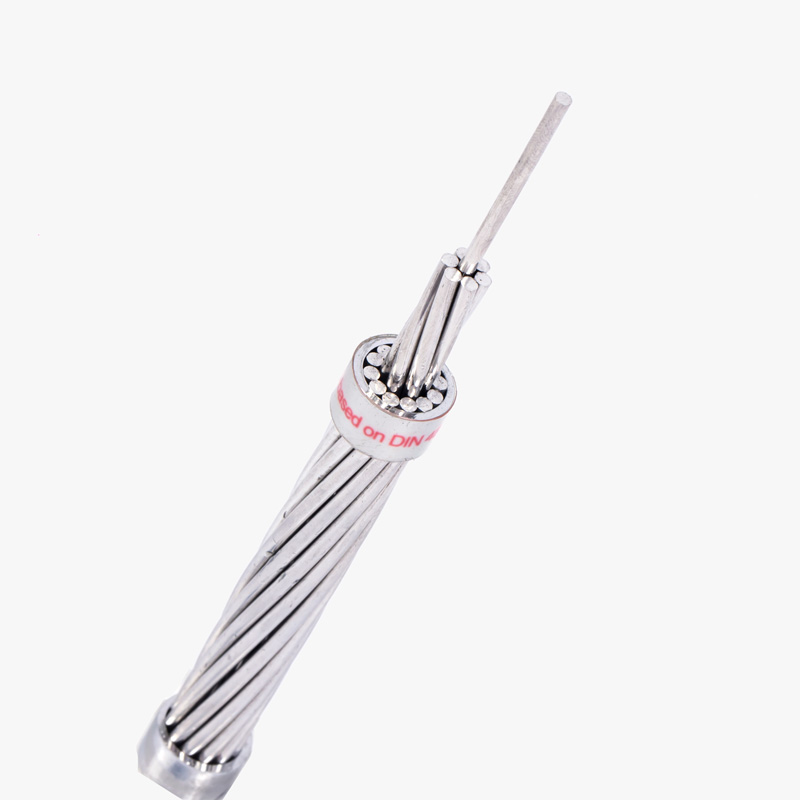
Conductors made from high-purity copper or aluminum ensure optimal conductivity. Lower resistance reduces energy loss during long-distance transmission. For power engineering contractors, improved efficiency translates into measurable cost savings over time. Professional Fabricants apply strict conductor stranding control to maintain uniform current distribution.
Mechanical Strength and Installation Reliability
Beyond electrical performance, HV cable characteristics include robust mechanical protection. Cables must withstand bending, tension, and external pressure during transportation and installation. Reinforced sheathing and armoring enhance durability in underground, tunnel, or harsh industrial environments. Strong mechanical design prevents deformation that could compromise insulation integrity.
Aging Corrosion Resistance and Fire Resistance
Long-term exposure to moisture, chemicals, and UV radiation demands superior aging corrosion resistance. Advanced outer sheath materials protect internal structures from environmental damage. Additionally, enhanced fire resistance reduces flame propagation and toxic emissions, improving safety in densely populated or high-risk areas such as substations and urban infrastructure.
Material Requirements for Reliable High-Voltage Cable Operation
High-Grade Conductor Materials
The foundation of performance lies in raw materials. High-purity copper and aluminum ensure stable conductivity and structural strength. Leading Fournisseurs implement strict incoming material inspection systems to eliminate substandard inputs. This consistency guarantees that each production batch meets demanding voltage requirements.
Advanced Insulation and Sheathing Compounds
Premium XLPE insulation materials provide excellent dielectric properties and thermal resistance. Meanwhile, outer sheath compounds must deliver strong aging corrosion resistance and environmental protection. For international projects in Africa, Southeast Asia, or Central Asia, climate adaptability is critical. A Personnalisable production approach allows cable structures to be tailored to specific project conditions.
Precision Manufacturing and Quality Control
Even the best materials require advanced production systems. Modern extrusion lines, automated testing equipment, and strict in-process inspections define a reliable Fabricant. With scalable capacity reaching 200 million meters annually, consistent quality control ensures stable lead times and bulk supply capability for global Grossistes et les entrepreneurs.
Conclusion
High-voltage cables are defined by superior insulation, mechanical strength, aging corrosion resistance, fire resistance, and strict standards compliance. Choosing a qualified Manufacturer ensures long-term safety, stable performance, and profitable project execution.