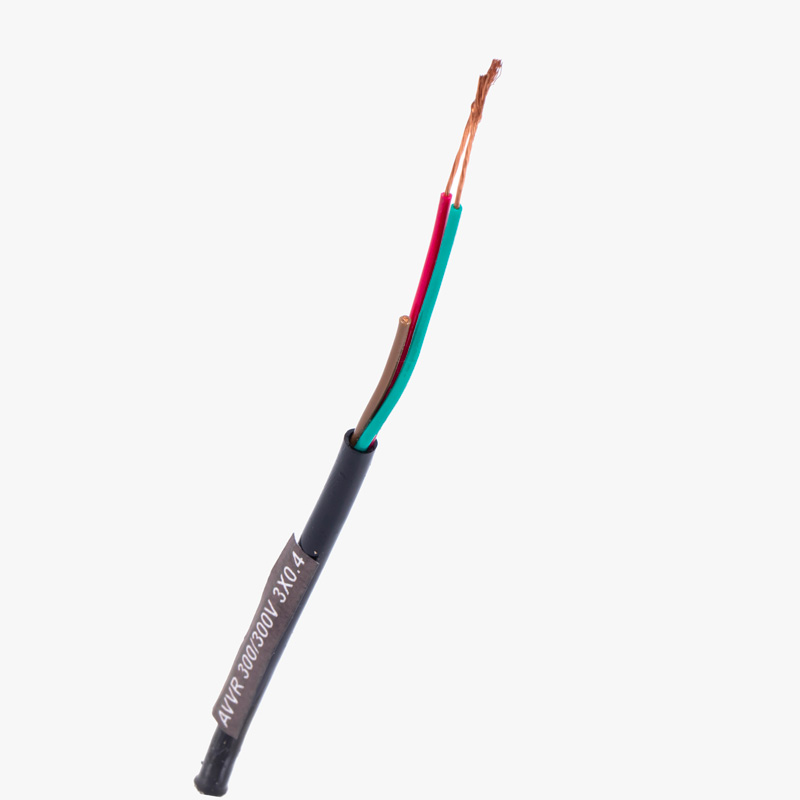
Você está inseguro se deve escolher cabo subterrâneo ou cabo aéreo para o seu projeto?
Muitos empreiteiros e empresas de energia enfrentam o desafio de selecionar entre underground cable e cabo aéreo.. Escolhas ruins muitas vezes levam a custos mais altos, falhas frequentes ou riscos de segurança. Sistemas subterrâneos reduzem a exposição às intempéries, mas aumentam os custos de instalação, enquanto as linhas aéreas são mais baratas, mas mais vulneráveis. A solução está em entender as forças e limitações de ambas as opções. Na QRUNNING, um líder do setor fabricante e grossista com mais de 30 anos de experiência, fornecemos produtos certificados, personalizáveis projetados para durabilidade. Nossa capacidade de produção em larga escala garante fornecimento consistente e desempenho confiável, tornando-nos uma empresa de confiança fornecedor para projetos globais.
Cabelos subterrâneos oferecem durabilidade e segurança, enquanto cabos aéreos são mais econômicos e fáceis de manter. A escolha depende da escala do projeto, orçamento e fatores ambientais.
Agora, vamos nos aprofundar em ambos os tipos de cabos, diferenças de custo e fatores de desempenho para ajudá-lo a tomar a melhor decisão para o seu projeto.
O que é Cabo Subterrâneo?
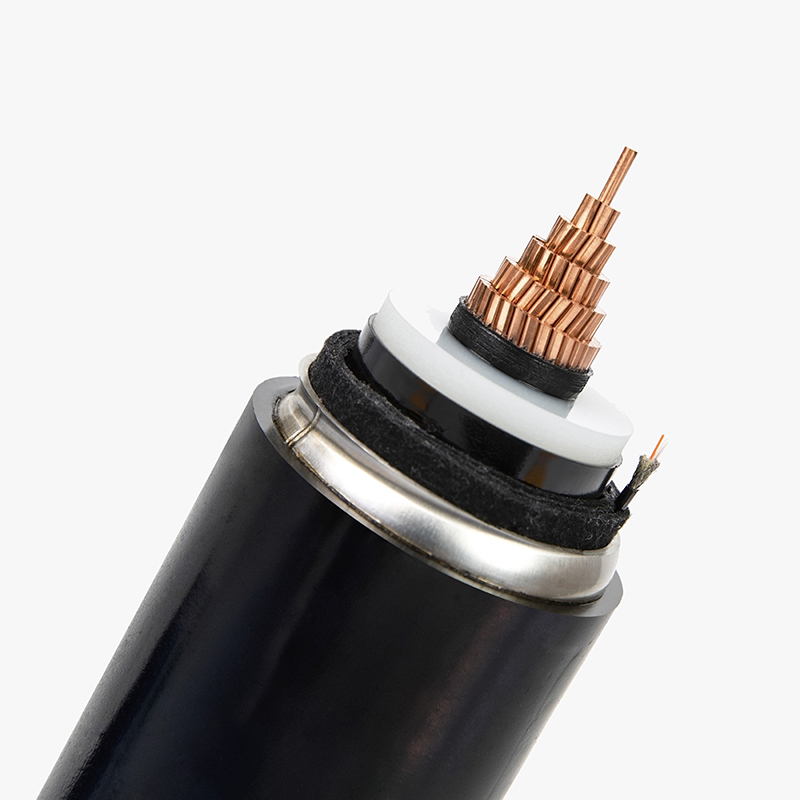
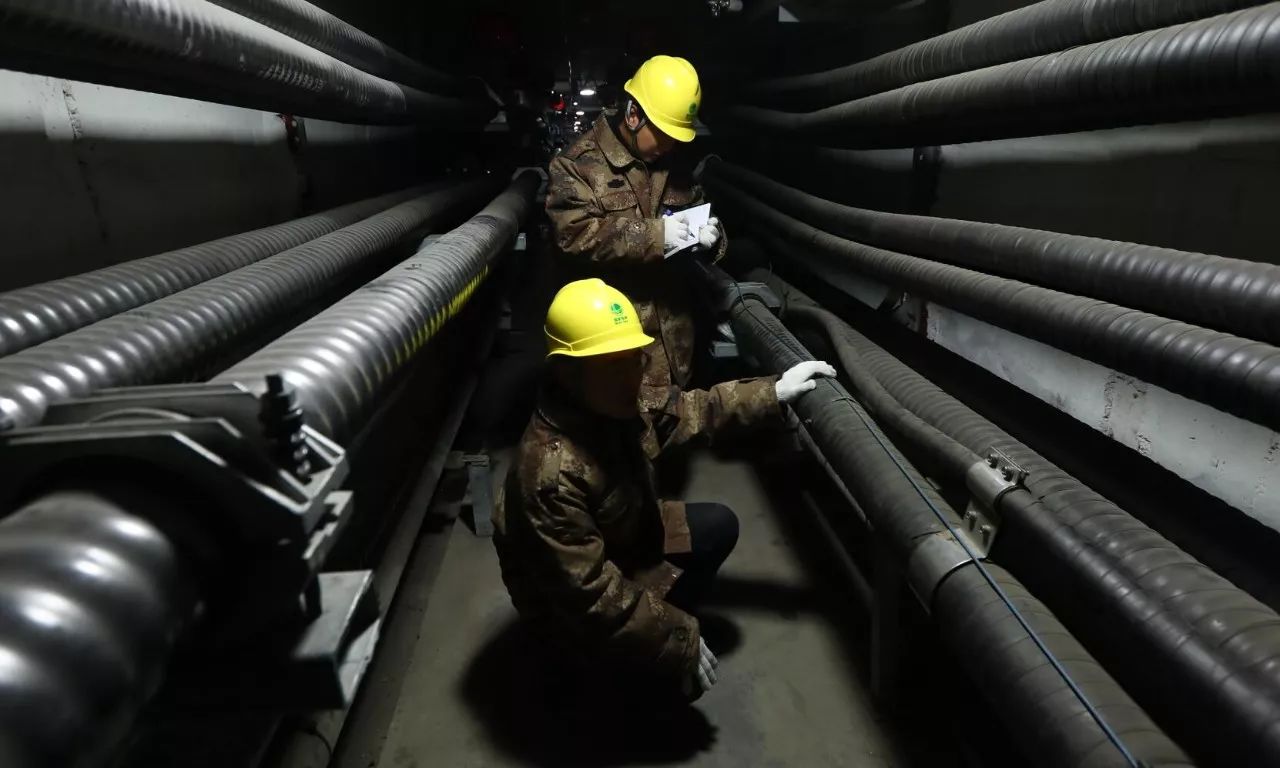
Cabo subterrâneo, muitas vezes referido como tipos de cabos UG, é instalado abaixo da superfície para transportar eletricidade com segurança. É projetado com camadas de isolamento e proteção para resistir à pressão do solo, umidade e possíveis danos de condições externas. Esses cabos são ideais para áreas urbanas, paisagens sensíveis ou projetos onde estética e segurança são prioridades.
Os principais benefícios incluem riscos reduzidos de interrupções devido a tempestades, menor exposição a danos externos e uma aparência mais limpa em comparação com fios aéreos. No entanto, sistemas subterrâneos exigem planejamento profissional, materiais avançados e métodos de instalação precisos, tornando-os mais caros inicialmente. Ao trabalhar com um fabricante e fornecedor, experiente, os compradores podem garantir o uso de, personalizáveis duráveis que ampliam a vida útil do sistema e reduzem os custos de manutenção a longo prazo.
Artigos relacionados:Escolhendo o Cabo UG Certo para Projetos – Fio e Cabo Qrunning
Compreendendo os Benefícios do Cabo UG - Fio e Cabo Qrunning
O que é Cabo Aéreo?
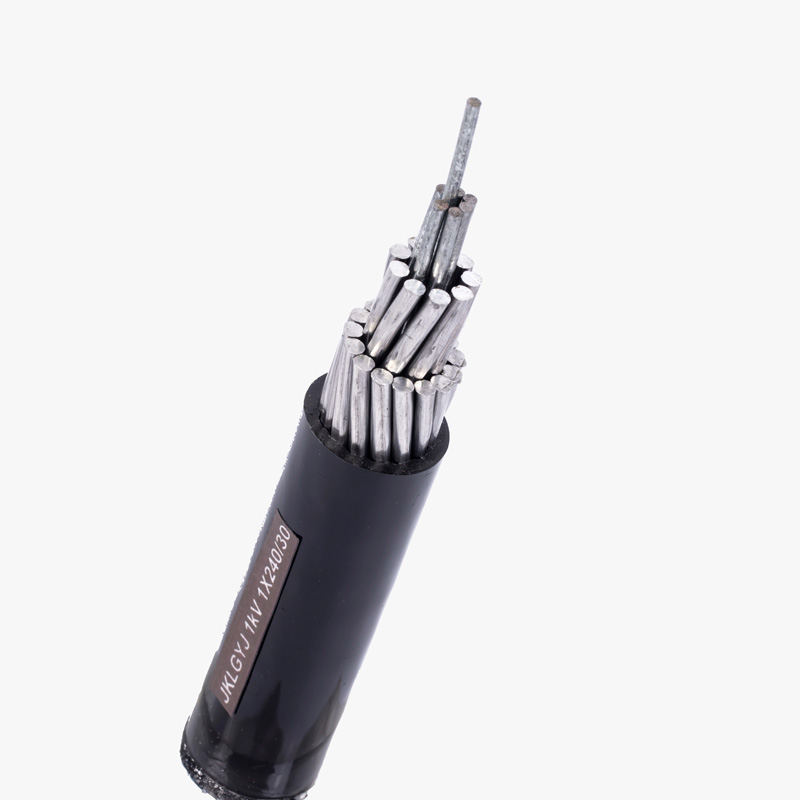
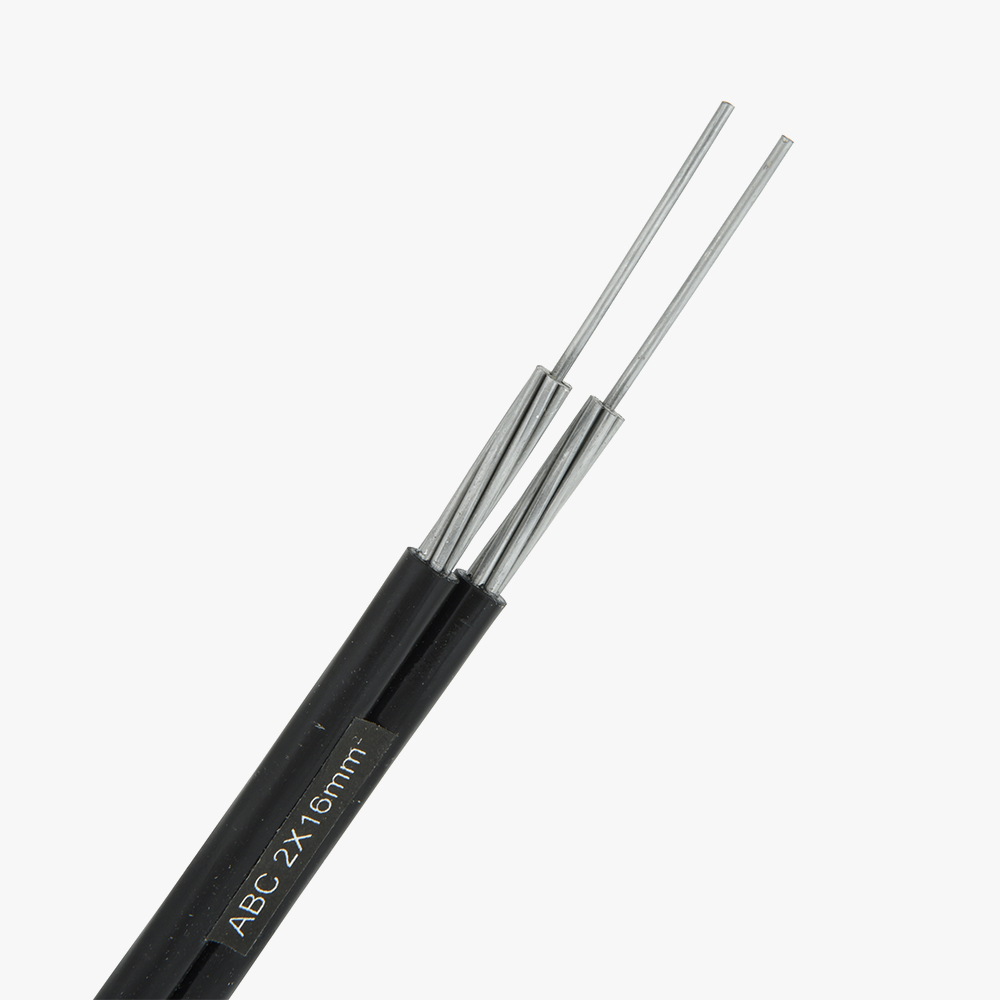
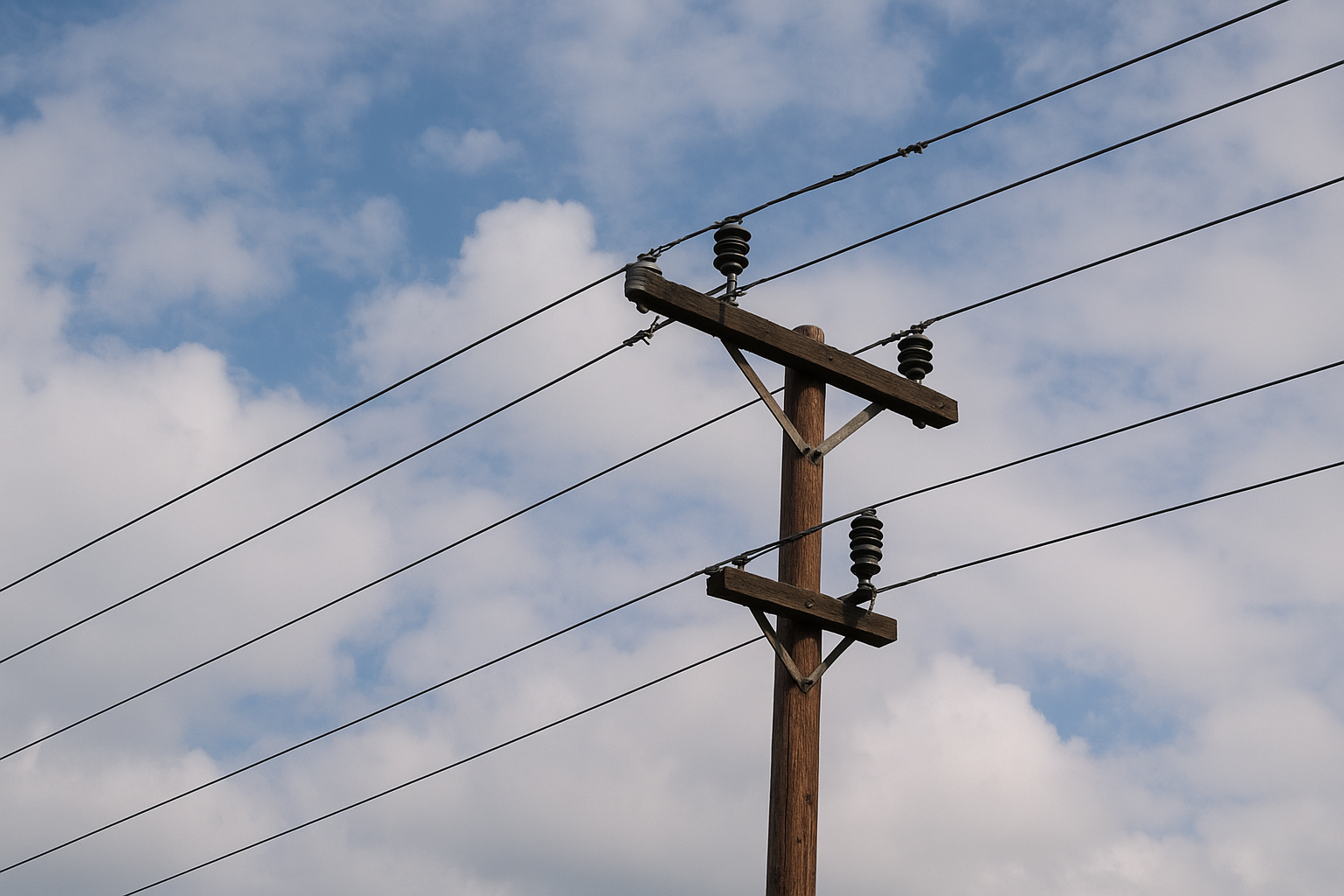
Cabo aéreo é o método tradicional de transmitir eletricidade usando condutores suportados por postes ou torres acima do solo. Esses cabos são amplamente utilizados devido ao seu baixo custo, fácil instalação e processo de reparo simples. Para grandes redes rurais e projetos temporários, linhas aéreas muitas vezes fornecem a solução mais prática.
Apesar de suas vantagens, sistemas aéreos enfrentam exposição a condições climáticas, quedas de árvores e acidentes externos, levando a falhas mais frequentes. Eles também apresentam maior impacto visual e ambiental em comparação com sistemas subterrâneos. No entanto, quando orçamento e velocidade são as principais preocupações, cabos aéreos continuam sendo uma escolha confiável, particularmente quando adquiridos de fornecedores confiáveis atacadistas que garantem conformidade com padrões de qualidade internacionais.
Artigo relacionado:Compreendendo os Padrões de Segurança de Cabos Elétricos Aéreos – Qrunning Wire And Cable
Custos de Instalação para Cabos Subterrâneos e Aéreos
Uma das maiores diferenças entre underground cable e cabo aéreo. é o custo. A instalação de sistemas subterrâneos requer escavação, isolamento, camadas de proteção e mão de obra especializada, tornando o investimento inicial significativamente maior. A manutenção também pode ser mais complexa, pois localizar falhas subterrâneas geralmente requer equipamentos de teste avançados.
Em contraste, sistemas aéreos são mais baratos para instalar, com estruturas mais simples e reparos mais rápidos. No entanto, danos frequentes causados por tempestades, vida selvagem e fatores ambientais podem aumentar os custos operacionais a longo prazo. Contratantes e empresas de engenharia devem pesar o maior investimento inicial de UG cables contra a potencialmente maior frequência de reparos em linhas aéreas. Parcerias com um profissional fabricante como a QRUNNING garantem acesso a opções econômicas, personalizável que equilibram desempenho e orçamento.
| Dimensão de Comparação | Cabo Subterrâneo | Cabo Aéreo |
|---|---|---|
| Custo de Instalação Inicial | Alto (requer escavação, isolamento, camadas de proteção e mão de obra especializada) | Baixo (estrutura mais simples e processo de instalação mais fácil) |
| Complexidade de Manutenção | Alto (equipamento de teste avançado é frequentemente necessário para localizar falhas subterrâneas) | Baixo (reparos são mais rápidos e não são necessárias etapas complexas para localizar falhas) |
| Custo Operacional a Longo Prazo | Relativamente estável (sem danos frequentes causados por fatores ambientais) | Mais alto (propenso a danos causados por tempestades, vida selvagem e fatores ambientais, aumentando a frequência de reparos) |
Qual é melhor, cabos de energia subterrâneos ou aéreos?
Não há uma resposta universal—escolher entre underground cable e cabo aéreo. depende das condições do projeto. Para áreas urbanas de alta densidade, hospitais, aeroportos e projetos que exigem energia ininterrupta, cabos UG oferecem confiabilidade e segurança inigualáveis. Em contraste, sistemas aéreos são mais adequados para projetos rurais ou temporários, onde a eficiência de custo e instalações mais rápidas são mais importantes do que a estética.
Ambas as opções desempenham papéis críticos em redes de energia modernas. A melhor abordagem muitas vezes envolve uma combinação—usando sistemas subterrâneos em zonas de alto risco ou alto valor enquanto se utiliza linhas aéreas onde custo e acessibilidade são as maiores prioridades. Trabalhar com um experiente fornecedor garante o acordo de projeto com produtos certificados que atendem aos padrões globais de desempenho.
Conclusão
Ambos underground cable e cabo aéreo. oferecem vantagens únicas—escolher o tipo certo depende do orçamento, ambiente e necessidades de confiabilidade. QRUNNING oferece soluções personalizáveis para garantir o sucesso de cada projeto.