Você está preocupado com os riscos de segurança ao manusear cabos de alta tensão?
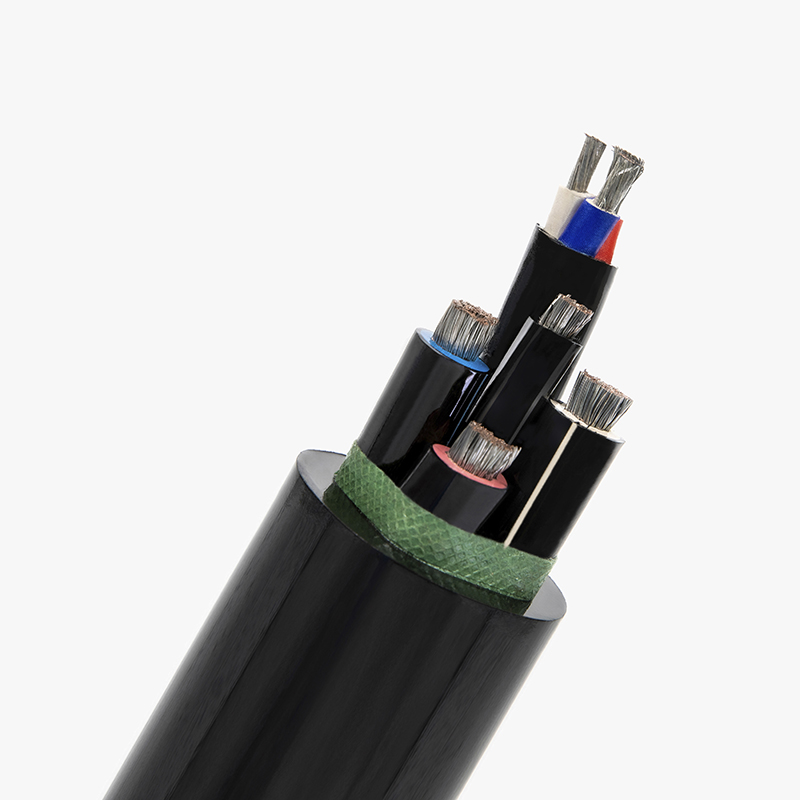
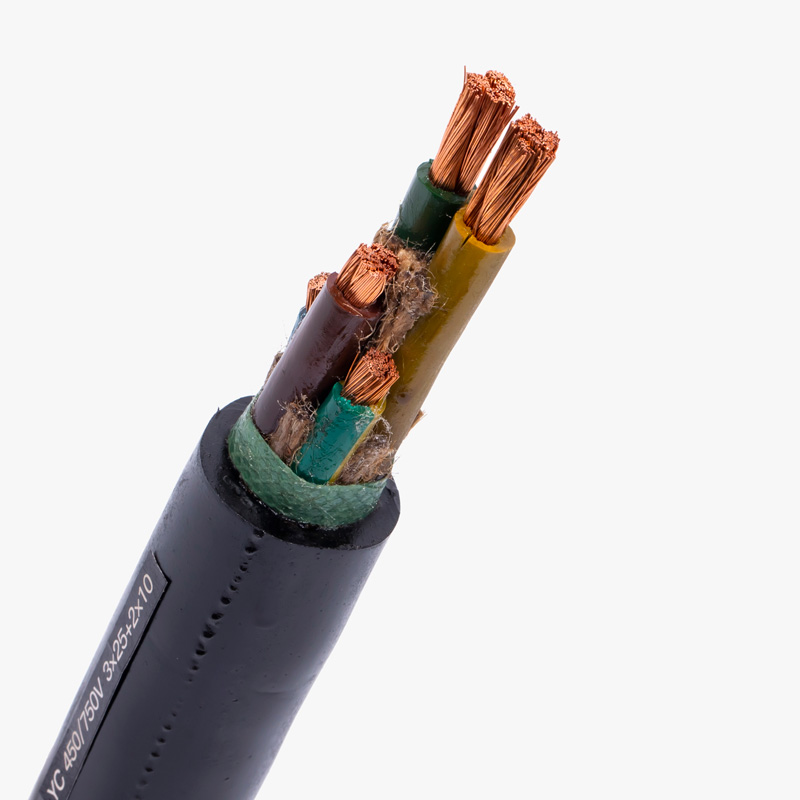
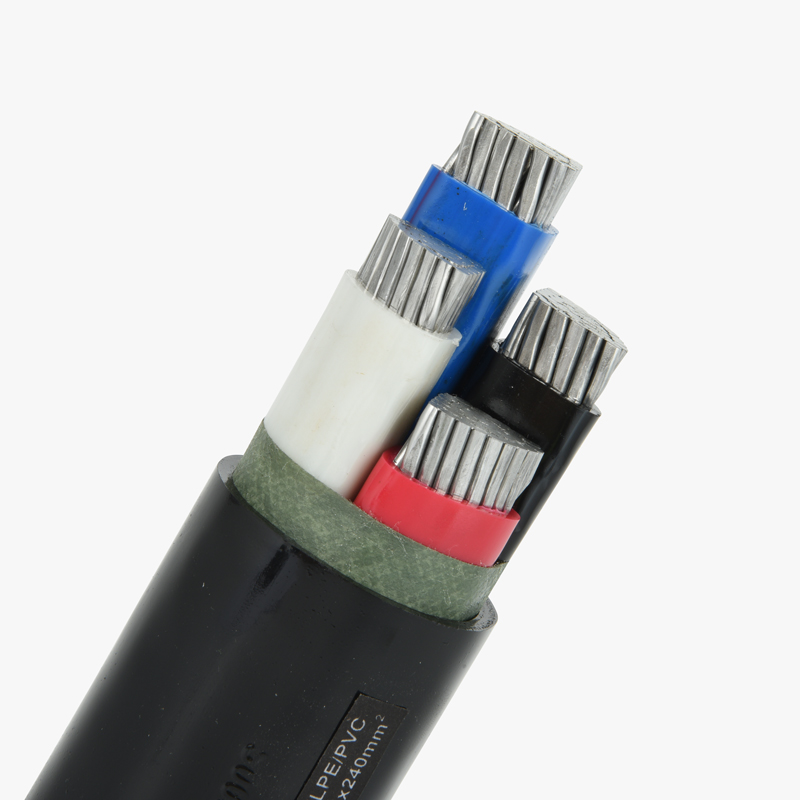
Para empreiteiros, distribuidores e engenheiros, trabalhar com high voltage cables pode ser um desafio sério. Acidentes frequentemente ocorrem devido a treinamento inadequado, sistemas de segurança fracos ou equipamentos pouco confiáveis. suppliers. Esses erros podem causar choques perigosos, falhas de equipamentos e atrasos custosos. A solução está em seguir regras de segurança comprovadas e trabalhar com manufacturers que garantam confiabilidade. HV cables. Na QRUNNING, combinamos mais de 30 anos de experiência com padrões de produção avançados para oferecer produtos seguros, personalizável, e certificados. cables. Como um grossista e fornecedor, apoiamos projetos em todo o mundo com produtos de alta qualidade projetados para minimizar riscos e melhorar a segurança operacional.
O manuseio seguro de cabos de alta tensão requer precauções rigorosas, equipamentos confiáveis e fornecedores de confiança para prevenir acidentes, proteger trabalhadores e garantir um desempenho elétrico consistente em cada projeto.
Entender os perigos, as regras de segurança e as medidas de primeiros socorros é essencial para qualquer pessoa que manuseie. HV cables. Vamos nos aprofundar nesses aspectos críticos.
Por que Sistemas de Alta Tensão Energizados são Perigosos?
Cabos de alta tensão transportam grandes quantidades de energia. Quando energizados, podem causar lesões severas ou até acidentes fatais. O perigo vem de arcos elétricos, fluxo de corrente descontrolado ou contato direto com um conductor. Ao contrário dos sistemas de baixa tensão, HV cables podem gerar altas temperaturas, faíscas e picos inesperados, danificando equipamentos próximos e colocando os trabalhadores em risco. Outro fator é que a eletricidade em altas tensões pode saltar lacunas através do ar, o que torna até o contato indireto arriscado. Por essa razão, cada fornecedor e fabricante destaca a importância do isolamento, aterramento e práticas de manuseio seguro. Equipamentos confiáveis cables com durabilidade armour são projetados para reduzir esses riscos.
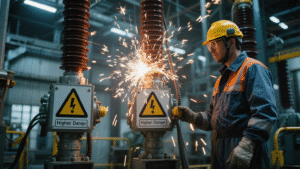
For businesses, accidents caused by poor Cabo HV safety can result in legal penalties, financial losses, and damaged reputation. This makes selecting a trusted fabricante and enforcing strict safety procedures essential. Contractors should ensure that every project site follows proper lockout systems, clear signage, and protective equipment guidelines before approaching energised systems.
Golden Rules for Safe Work on High-Voltage Lines
Experts highlight several “golden rules” that guide safe operations with HV cables. First, always disconnect and verify isolation before starting work. Second, ground and short-circuit equipment to prevent unexpected energisation. Third, secure work areas with clear barriers and warning signs to keep unauthorised personnel away. Fourth, wear personal protective equipment such as insulated gloves, helmets, and boots. Fifth, only trained and certified workers should operate near high-voltage systems. Finally, tools and testing devices must be regularly inspected and rated for high voltage use.
Following these rules ensures that the risk of accidents is greatly reduced. A responsible grossista ou fornecedor will also provide technical guidance and product information to help clients maintain safety standards. By combining high-quality cables with strong workplace discipline, contractors can complete projects efficiently while safeguarding their teams.
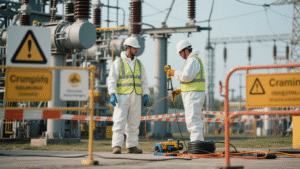
Standards for Safe Work of Electrical Fitters
Electrical fitters working with high voltage cables must follow strict international and national standards. These standards ensure safe installation, testing, and maintenance practices. They typically cover voltage isolation procedures, the use of insulated tools, mandatory safety distances, and protective equipment requirements. Adhering to these standards reduces human error, one of the most common causes of electrical accidents.
Profissional manufacturers design and test HV cables according to recognised certifications, ensuring that the products meet stringent safety criteria. Contractors and distributors should always request certificates from their suppliers para confirmar a conformidade. Além disso, o treinamento no local de trabalho e os cursos de atualização são essenciais para que os eletricistas compreendam as atualizações nos protocolos de segurança. Quando tanto cabo a qualidade quanto a disciplina dos trabalhadores se alinham, os projetos podem operar de forma suave com risco mínimo.
Primeiros Socorros para Choque Elétrico
Apesar das medidas preventivas, acidentes envolvendo HV cables ainda podem acontecer. Saber os primeiros socorros para choque elétrico é crucial. O primeiro passo é desconectar a fonte de energia antes de tentar ajudar. Nunca toque na vítima com as mãos nuas enquanto o circuito estiver energizado. Uma vez que a área esteja segura, avalie a respiração e o pulso da vítima. Se necessário, inicie a RCP e chame imediatamente os serviços médicos de emergência. Queimaduras causadas por contato elétrico devem ser resfriadas com água limpa e cobertas com curativos estéreis. Evite aplicar cremes ou óleos, pois eles podem prender calor e agravar a lesão.
Os empregadores devem garantir que kits de primeiros socorros, pessoal treinado e planos de emergência estejam sempre disponíveis no local. Responsáveis atacadistas, suppliers, e manufacturers geralmente fornecem materiais de treinamento em segurança juntamente com cables para reduzir os riscos no local de trabalho. Primeiros socorros rápidos e informados não apenas salvam vidas, mas também reduzem complicações a longo prazo decorrentes de acidentes elétricos.
Conclusão
O manuseio seguro de high voltage cables exige uma combinação de produtos confiáveis, regras rigorosas e prontidão para emergências. Escolher suppliers garante tanto segurança quanto desempenho a longo prazo.