Are You Choosing the Right High-Voltage Cable for Long-Term Power Reliability?
Are you facing frequent failures, unexpected losses, or compliance risks when sourcing cabo de alta tensão for critical power projects? Many contractors and Grossistas struggle because unsuitable materials, poor cable construction, or unreliable suppliers lead to overheating, insulation breakdown, and costly downtime. These issues often stem from limited manufacturing capability and inconsistent quality control. The solution is working with an experienced Fabricante that understands real-world electrical demands. With over 30 years of industry expertise, QRUNNING operates 10 advanced production lines and offers personalizável HV cable solutions, strict testing, and OEM & ODM services, ensuring stable performance, competitive pricing, and dependable global supply.
A high voltage cable is designed to safely transmit electrical energy at elevated voltage levels, typically above 35kV. It combines advanced insulation, precise conductor design, and durable shielding to ensure efficient power transfer, minimal losses, and long service life in demanding transmission environments.
To fully understand why HV cables are essential for modern electrical systems, it is important to explore their definition, working principles, and material choices in greater detail.
What Constitutes a High-Voltage Cable?
A cabo de alta tensão is an electrical cable engineered to carry power at voltages
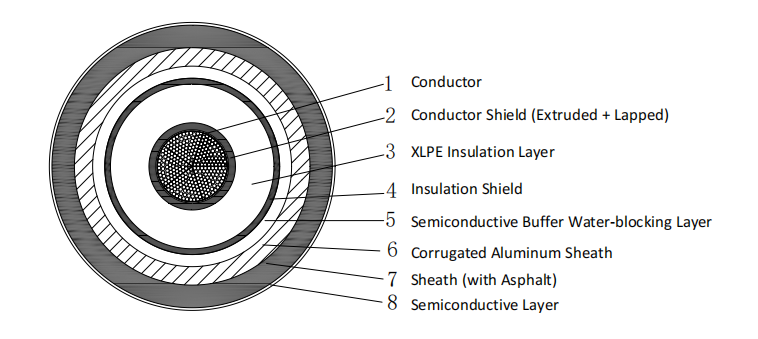
significantly higher than standard distribution levels. In most applications, HV cables operate from 35kV up to 220kV, serving as a backbone for regional grids, industrial facilities, and infrastructure projects. Unlike low-voltage cables, HV designs must withstand intense electrical stress, temperature variation, and environmental exposure.
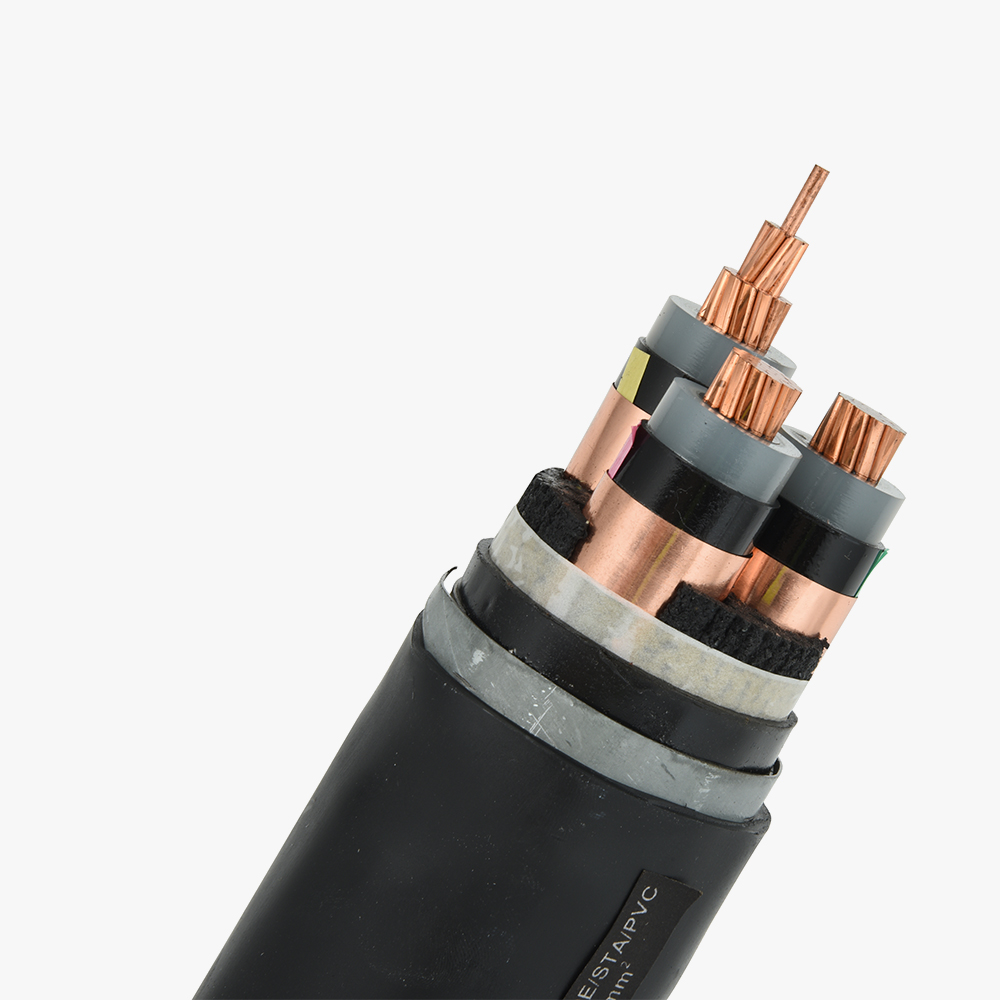
From a structural perspective, proper cable construction is critical. A typical HV cable consists of a conductor, inner semiconductive layer, insulation layer, outer semiconductive layer, metallic shielding, and protective sheath. Each layer plays a specific role in controlling the electric field, preventing partial discharge, and ensuring operational safety. As a professional Fornecedor, QRUNNING focuses on precision layering and material purity to deliver stable and long-lasting HV products.
For Grossistas and project buyers, understanding these components helps evaluate quality beyond price, reducing long-term maintenance and replacement risks.
Como Funcionam os Cabos de Alta Tensão?
Desempenho Elétrico e Controle de Isolamento
A função principal de um cabo de alta tensão é transmitir energia elétrica de forma eficiente, mantendo a integridade do isolamento. Quando a tensão aumenta, a intensidade do campo elétrico ao redor do condutor aumenta rapidamente. Sem um design de isolamento adequado, isso pode levar a descargas, perda de energia ou falha de isolamento. Cabos de alta tensão de alta qualidade utilizam materiais de isolamento especialmente formulados e superfícies de condutores lisas para distribuir uniformemente o estresse elétrico.
Avançadas cable construction técnicas garantem que o campo elétrico permaneça estável durante a operação. As camadas semicondutoras que cercam o isolamento ajudam a eliminar espaços de ar e reduzir a distorção do campo. Este design estende significativamente a vida útil, especialmente em instalações subterrâneas ou industriais.
Estabilidade Térmica e Mecânica
Além do estresse elétrico, os cabos de alta tensão devem gerenciar o calor gerado pelo fluxo de corrente. Um desempenho térmico eficiente previne o superaquecimento e o envelhecimento dos materiais de isolamento. Como um experiente Fabricante, a QRUNNING projeta cabos de alta tensão para equilibrar a capacidade de corrente e a dissipação de calor, garantindo uma operação segura mesmo sob carga contínua.
A resistência mecânica é igualmente importante. Cabos de alta tensão são frequentemente instalados em ambientes desafiadores onde vibrações, tensões ou forças de flexão estão presentes. Os confiáveis Fornecedores priorizam capas externas robustas e opções de armadura para proteger o cabo durante toda a sua vida operacional.
Por que Não Usar Cobre em Linhas de Alta Tensão?
Peso, Custo e Desafios de Instalação
O cobre é amplamente conhecido por sua excelente condutividade, levando muitos compradores a questionar por que não é sempre utilizado em HV linhas de transmissão. Embora o cobre tenha um bom desempenho elétrico, ele apresenta desvantagens notáveis em aplicações de alta tensão. Sua densidade mais alta torna os cabos mais pesados, aumentando os custos de transporte, manuseio e instalação, especialmente para projetos de longa distância.
Do ponto de vista do custo, os preços do cobre flutuam significativamente nos mercados globais. Para Grossistas e empreiteiros que gerenciam compras em larga escala, essa volatilidade pode impactar orçamentos e a competitividade nas licitações. Como resultado, muitos Fabricantes oferecem condutores à base de alumínio como uma alternativa mais econômica e prática.
Equilíbrio de Desempenho e Personalização
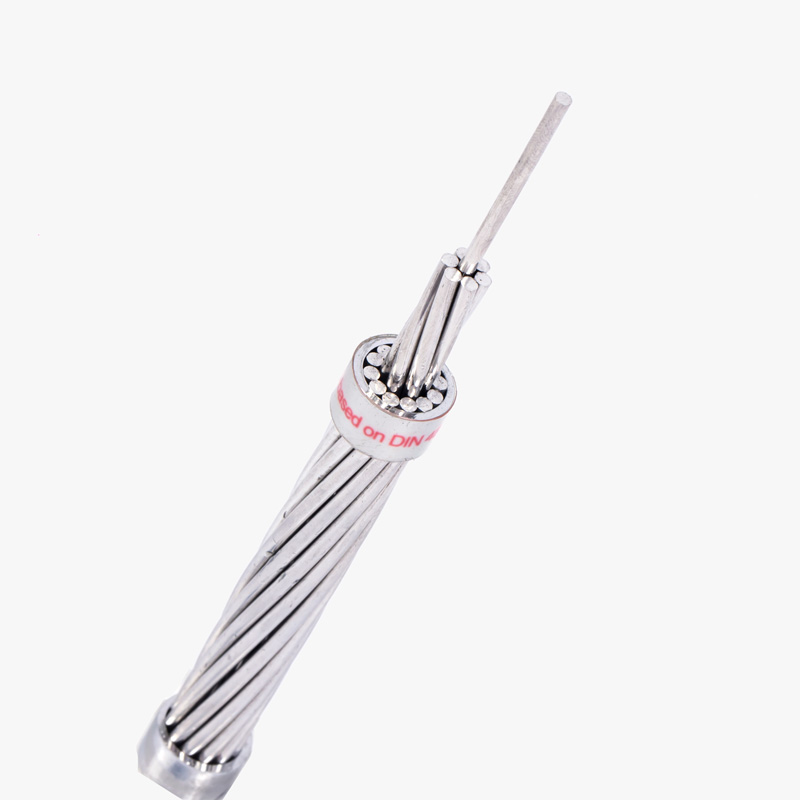
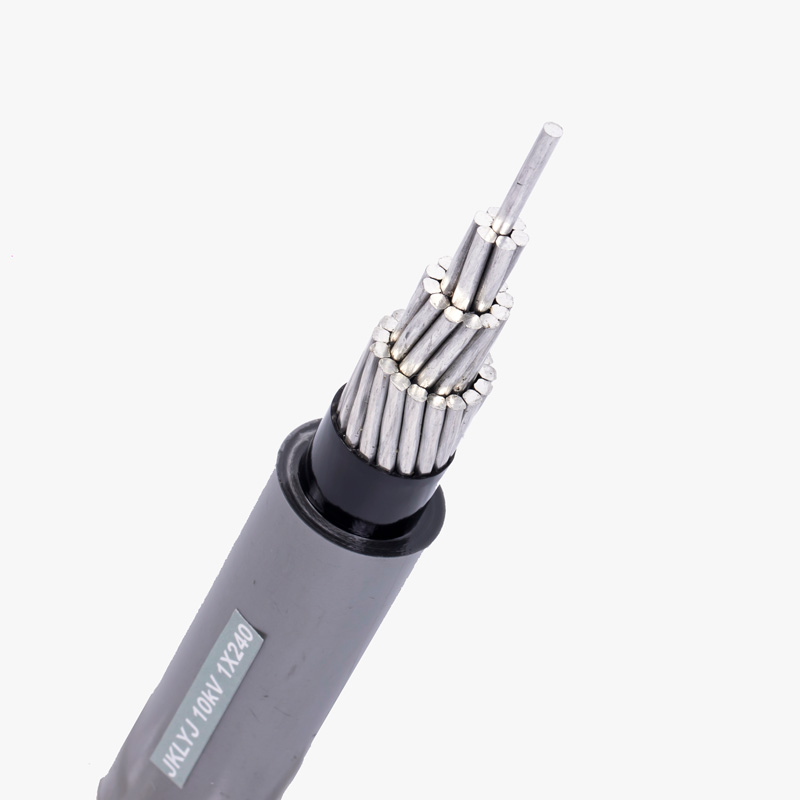
Condutores de alumínio, quando projetados adequadamente, fornecem um equilíbrio eficaz entre condutividade, peso e custo. Moderno cable construction técnicas compensam a menor condutividade do alumínio otimizando o tamanho do condutor e o design da isolação. Isso torna o alumínio baseado cabo de alta tensão adequado para a maioria das necessidades de transmissão.
QRUNNING, como um profissional Fornecedor, oferece personalizável opções de condutor com base nos requisitos do projeto, garantindo que os compradores recebam a solução mais econômica e tecnicamente apropriada sem comprometer a segurança ou o desempenho.
Conclusão
Cabos de alta tensão são essenciais para uma transmissão de energia confiável. Compreender o design, a função e as escolhas de materiais de HV ajuda os compradores a selecionar o fornecedor certo, reduzir riscos e alcançar eficiência a longo prazo em projetos elétricos exigentes.