Ambientes de Aplicação, Princípios Básicos e Design Estrutural de Cabos Resistentes à Água
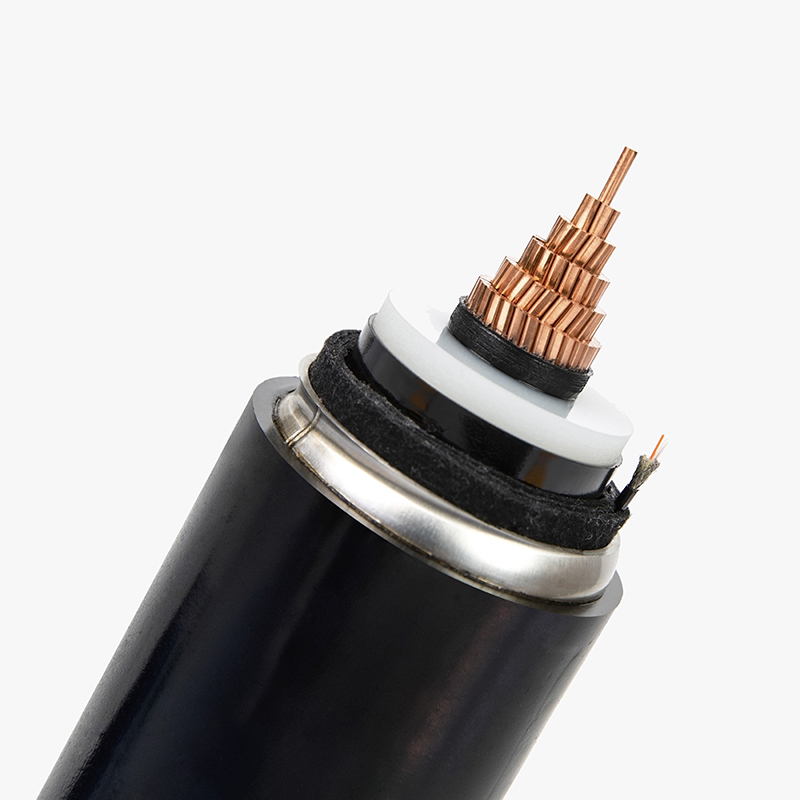
Os cabos resistentes à água são projetados para ambientes onde a umidade, a entrada de água ou a alta umidade representam riscos para o desempenho e a vida útil do cabo. As aplicações incluem instalações subterrâneas, cabos subaquáticos, parques eólicos e redes elétricas externas. O princípio de design estrutural é bloquear ou resistir à entrada e à disseminação de água através de vedação longitudinal ou radial usando materiais específicos e processos de fabricação. A resistência efetiva à água melhora a durabilidade, a segurança e a confiabilidade do sistema.

Comparação das Características de Desempenho e Critérios de Seleção para Materiais Comuns Resistentes à Água
Escolher o material de bloqueio de água adequado é fundamental para alcançar proteção confiável. Os materiais variam em absorvência, compatibilidade, custo e durabilidade. A tabela abaixo descreve as características de desempenho dos materiais típicos usados nas estruturas de cabos resistentes à água, como fitas expansíveis em contato com água, pós e compostos de geléia. Esses materiais são selecionados com base no tipo de aplicação, exposição ambiental e vida útil desejada. Os principais critérios de seleção incluem taxa de expansão, estabilidade térmica, compatibilidade química com materiais de isolamento e facilidade de processamento.
| Tipo de Material | Método de Bloqueio | Vantagens | Desvantagens | Aplicações típicas |
|---|---|---|---|---|
| Fita Expansível em Contato com Água | Longitudinal | Inchaço rápido, fácil aplicação, boa estabilidade térmica | Pode se deslocar durante o processamento em alta velocidade | Cabos de energia MV e HV, instalações externas |
| Pó Expansível em Contato com Água | Longitudinal | Leve, alta taxa de absorção | Controle de poeira necessário, menos adequado para espaços pequenos | Cabos de fibra óptica, cabos de baixa tensão |
| Composto de Geléia de Petróleo | Radial | Excelente vedação, estabilidade a longo prazo | Desordenado de aplicar, aumento de peso | Cabos submarinos, cabos de comunicação |
| Material de Vedação Termoplástico | Radial | Barreira forte, compatível com o processo de extrusão | Custo alto, necessidade de aplicação precisa | Cabos HV submarinos, cabos blindados |
Diferenças entre os Métodos de Bloqueio de Água Longitudinal e Radial e Sua Implementação
O bloqueio de água longitudinal impede que a água se espalhe ao longo do comprimento do cabo e é comumente implementado usando fitas ou pós expandidos colocados no núcleo do cabo. O bloqueio radial, por outro lado, impede que a água penetre pelas camadas de revestimento ou isolamento do cabo e utiliza barreiras como compostos em gel, termoplásticos extrudados ou camadas laminadas. Designs ótimos frequentemente utilizam ambos os métodos para aplicações críticas.

Normas da Indústria e Métodos de Teste para Cabos de Bloqueio de Água
Normas IEC
O IEC 60502 a série fornece requisitos de teste de penetração de água para cabos de média tensão. IEC 60840 e IEC 62067 especificam testes de penetração de água para cabos de alta tensão e extra-alta tensão. Os testes geralmente envolvem submeter o cabo a colunas de água pressurizada e monitorar a entrada de água ao longo do tempo. As normas IEC enfatizam a resistência ao envelhecimento a longo prazo e à pressão.
Normas GB/T (China)
Na China, GB/T 12706 e GB/T 11017 são amplamente utilizadas para cabos de baixa e média tensão, com protocolos de teste definidos para resistência à penetração de água. Para verificação de bloqueio de água, a GB/T 19216 descreve métodos de teste como o teste de penetração de água longitudinal usando corante e água sob temperatura e pressão específicas.
Outros Métodos Internacionais
Normas adicionais como BS EN 50288 (para cabos multicore) e ASTM D4565 também podem se aplicar. Esses testes frequentemente incluem imersão de amostras, testes de corte e testes de migração longitudinal por 24-72 horas sob pressão hidrostática. Os critérios de sucesso são baseados na distância que a água percorre ou penetração visível, e falhas devem estar abaixo de limites claramente definidos.
Exemplos de Casos de Falha e Sugestões de Otimização
Um projeto de utilidade no Sudão relatou falha de isolamento de cabo dentro de dois anos de operação. A investigação revelou infiltração de água devido a vedação inadequada das extremidades do cabo e pó de água expanível de baixa qualidade. Da mesma forma, um projeto de HV no Vietnã mostrou corrosão em condutores de cobre, rastreada para barreiras de água radiais ausentes. Para prevenir tais falhas, os fabricantes devem melhorar o controle de qualidade, usar designs de bloqueio de água de dupla camada e implementar uma aquisição de material mais rigorosa. Os usuários finais devem garantir uma terminação e vedação de emenda adequadas durante a instalação.
Resumo e Recomendações ao Cliente
Para uma confiabilidade ideal de cabos em condições úmidas ou subterrâneas, escolha designs com estruturas de bloqueio de água verificadas, siga normas de testes internacionais e trabalhe com fabricantes experientes e certificados.