Você está tendo dificuldades para escolher o cabo de alta tensão certo para o seu projeto? A má seleção de cabos pode levar a falhas no sistema, riscos à segurança e reparos dispendiosos. Confiar em fabricantes experientes de cabos de alta tensão garante que você obtenha o cabo adequado que atenda às especificações e normas.
Continue lendo para explorar os diferentes tipos de cabos de alta tensão, suas especificações e aplicações, para que você possa tomar uma decisão informada para o seu projeto.
O que são cabos de alta tensão?
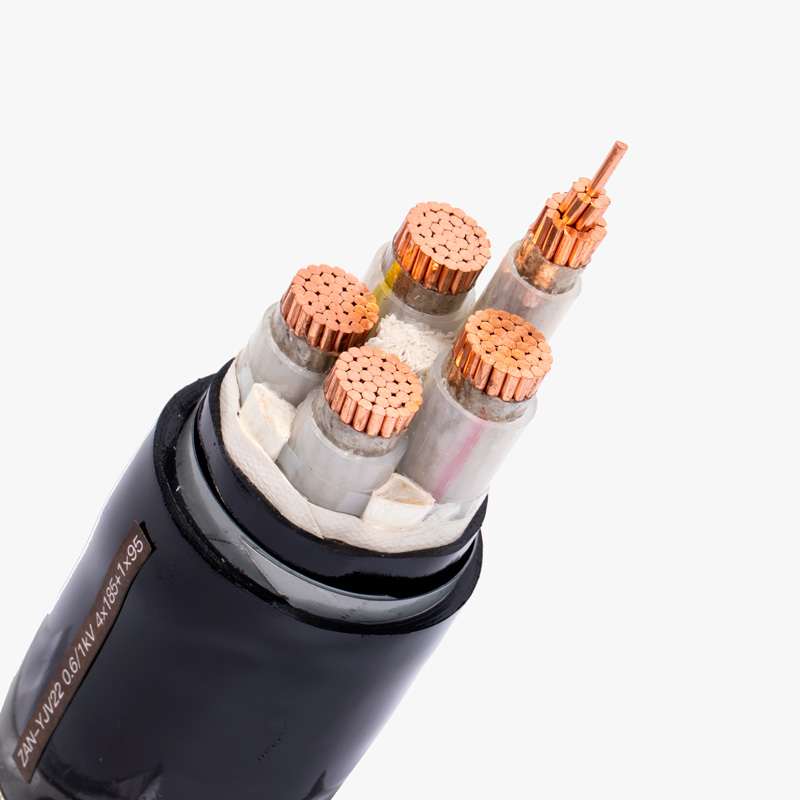
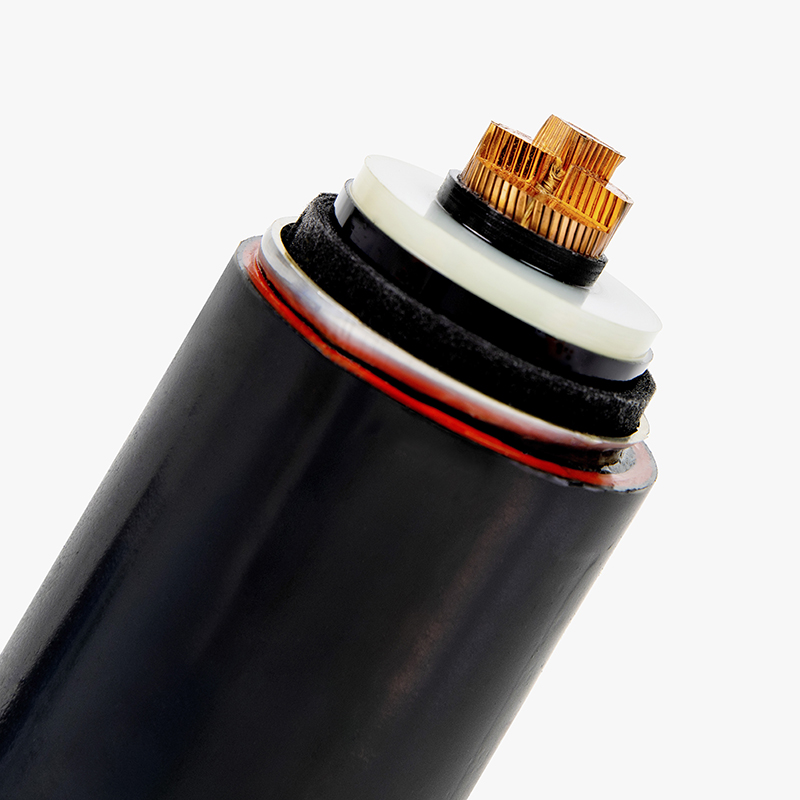
Os cabos de alta tensão são projetados especificamente para transmitir energia elétrica em tensões superiores a 1 kV. Esses cabos são essenciais para alimentar grandes sistemas, desde redes elétricas até maquinário industrial e redes de transporte. Os cabos de alta tensão devem atender a rigorosos padrões de segurança e são utilizados em sistemas de corrente alternada (CA) e corrente contínua (CC). Dependendo da aplicação, os cabos de alta tensão vêm em vários designs e tipos de isolamento para garantir a transmissão segura e eficiente de eletricidade ao longo de longas distâncias.
Tipos de cabos de alta tensão
Cabo de alta tensão CA
Os cabos de alta tensão CA são o tipo mais comum utilizado em linhas de transmissão de energia. Esses cabos são projetados para transportar eletricidade em corrente alternada (CA) ao longo de longas distâncias. Os cabos CA geralmente são construídos com múltiplas camadas de isolamento para evitar vazamentos e danos, especialmente em ambientes externos. As especificações dos cabos de alta tensão CA frequentemente incluem:
- Classificação de Tensão: Tipicamente classificados para tensões de até 500 kV, mas cabos especiais podem suportar tensões mais altas.
- Isolamento: Esses cabos são geralmente isolados com materiais como polietileno reticulado (XLPE) ou papel, dependendo do ambiente e da tolerância à temperatura.
- Condutores: Feitos de cobre ou alumínio para garantir condutividade eficiente ao longo de longas distâncias.
Cabo de alta tensão CC
Os cabos de corrente contínua de alta tensão (HVDC) são projetados para transmitir eletricidade usando corrente contínua (CC) em vez de corrente alternada (CA). A tecnologia HVDC é particularmente útil para transmissão de energia em longas distâncias e alta capacidade, pois reduz a perda de energia em comparação com sistemas de CA. Esses cabos são frequentemente usados em projetos especializados, como redes de energia intercontinentais e projetos de energia renovável, como parques eólicos offshore. As principais características dos cabos de alta tensão CC incluem:
- Menor Perda na Transmissão: Os cabos HVDC são ideais para transmitir energia ao longo de grandes distâncias com menos perda de energia do que os sistemas de CA.
- Isolamento: Esses cabos geralmente têm uma camada de isolamento sólida, tipicamente feita de materiais como polietileno ou XLPE, para suportar altas tensões e condições ambientais.
- Estações de Conversão: Os sistemas HVDC exigem estações de conversão em ambas as extremidades da linha de transmissão para converter CA em CC e vice-versa.
Aplicações de Cabos de Alta Tensão
Cabos de Alta Tensão Subterrâneos
Os cabos de alta tensão subterrâneos são utilizados principalmente em ambientes urbanos e áreas onde linhas de energia aéreas não são viáveis devido a preocupações ambientais, estéticas ou de segurança. Esses cabos são essenciais para prevenir interrupções elétricas causadas por condições climáticas, como tempestades ou ventos fortes, que podem afetar as linhas aéreas. As principais considerações para cabos de alta tensão subterrâneos incluem:
- Durabilidade: Os cabos subterrâneos são construídos para suportar condições ambientais adversas, como umidade e variações de temperatura.
- Eficiência Espacial: Esses cabos ocupam menos espaço e não interferem no ambiente ao redor.
- Isolamento e Blindagem: Os cabos subterrâneos geralmente possuem isolamento aprimorado para proteger contra danos físicos e reduzir o risco de curtos-circuitos.
Cabos de Alta Tensão para Uso Industrial
Os cabos de alta tensão são utilizados em uma ampla gama de aplicações industriais, incluindo usinas de energia, instalações de manufatura e máquinas pesadas. Esses cabos são necessários para garantir a distribuição segura e eficiente de energia elétrica para grandes máquinas e sistemas que exigem uma quantidade substancial de energia elétrica. Cabos industriais de alta tensão frequentemente precisam atender a especificações rigorosas de resistência ao calor, resistência mecânica e características de segurança. Algumas características importantes incluem:
- Materiais Resistente ao Fogo: Muitos cabos industriais são feitos de materiais resistentes ao fogo para prevenir riscos de incêndio em áreas de alto risco.
- Isolamento Reforçado: Isolamento espesso e capas externas robustas protegem esses cabos de danos mecânicos e condições ambientais.
- Níveis de Tensão: Cabos industriais de alta tensão normalmente transportam tensões de 15 kV a mais de 100 kV, dependendo da aplicação.
Como os Cabos de Alta Tensão Garantem a Segurança?
A segurança é uma das considerações mais críticas ao selecionar cabos de alta tensão. Os cabos de alta tensão são projetados com várias camadas de isolamento, aterramento e revestimentos protetores para garantir a transmissão segura de energia elétrica. Esses cabos são projetados para prevenir vazamentos elétricos, curtos-circuitos e danos causados por fatores externos como umidade ou flutuações de temperatura. Algumas características importantes de segurança incluem:
- Isolamento: O material de isolamento adequado é essencial para prevenir acidentes elétricos. Materiais como XLPE e borracha são comumente usados devido às suas excelentes propriedades de isolamento.
- Blindagem: Camadas de blindagem protegem os cabos de interferências eletromagnéticas e danos físicos externos, garantindo uma operação segura.
- Aterramento: Técnicas eficazes de aterramento previnem potenciais riscos de choque elétrico, redirecionando o excesso de eletricidade com segurança para o solo.
O que considerar ao escolher cabos de alta tensão?
Ao selecionar cabos de alta tensão para seu projeto, é importante considerar vários fatores para garantir que você escolha o cabo certo para sua aplicação específica. Algumas considerações chave incluem:
- Requisitos de Tensão: Assegure-se de que o cabo possa suportar os níveis de tensão exigidos para seu projeto.
- Condições Ambientais: Considere fatores como umidade, temperatura e potencial de danos físicos ao escolher materiais de isolamento e blindagem.
- Normas de Segurança: Assegure-se de que os cabos atendam às normas de segurança da indústria para sua região ou tipo de projeto.
- Reputação do Fabricante: Trabalhe com fabricantes de cabos de alta tensão respeitáveis que ofereçam produtos confiáveis e certificados.
Resumo
Escolher o cabo de alta tensão certo depende de fatores como níveis de tensão, condições ambientais e requisitos de segurança. Trabalhar com fabricantes de confiança garante a transmissão segura, eficiente e confiável de energia elétrica para seus projetos.
Sobre a Qrunning
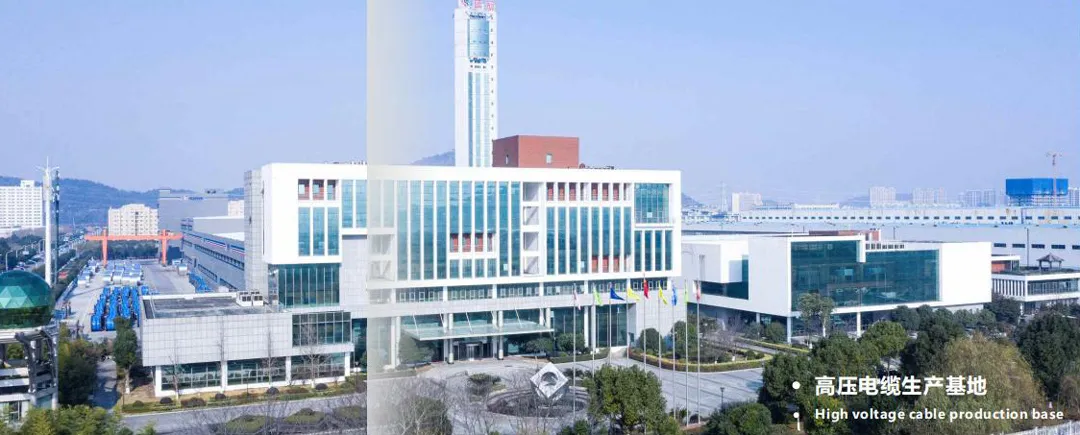
Qrunning é um profissional envolvido em pesquisa de fios e cabos & desenvolvimento, produção, vendas e empresas de serviços.Os principais produtos são três séries de fios e cabos de 500kV e abaixo. A Qrunning começou em 1990 e entrou para o top 50 da indústria de cabos da China em 2015. Base dedicada à produção de cabos de alta tensão estabelecida em 2011.