O papel central dos enchimentos: por que os cabos não podem ser “ociosos”?
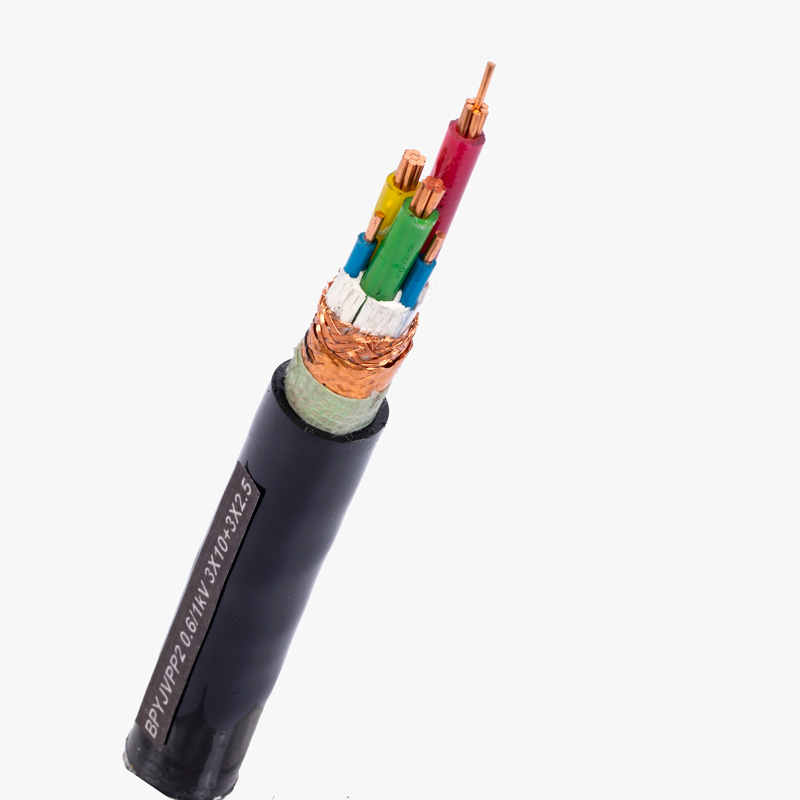
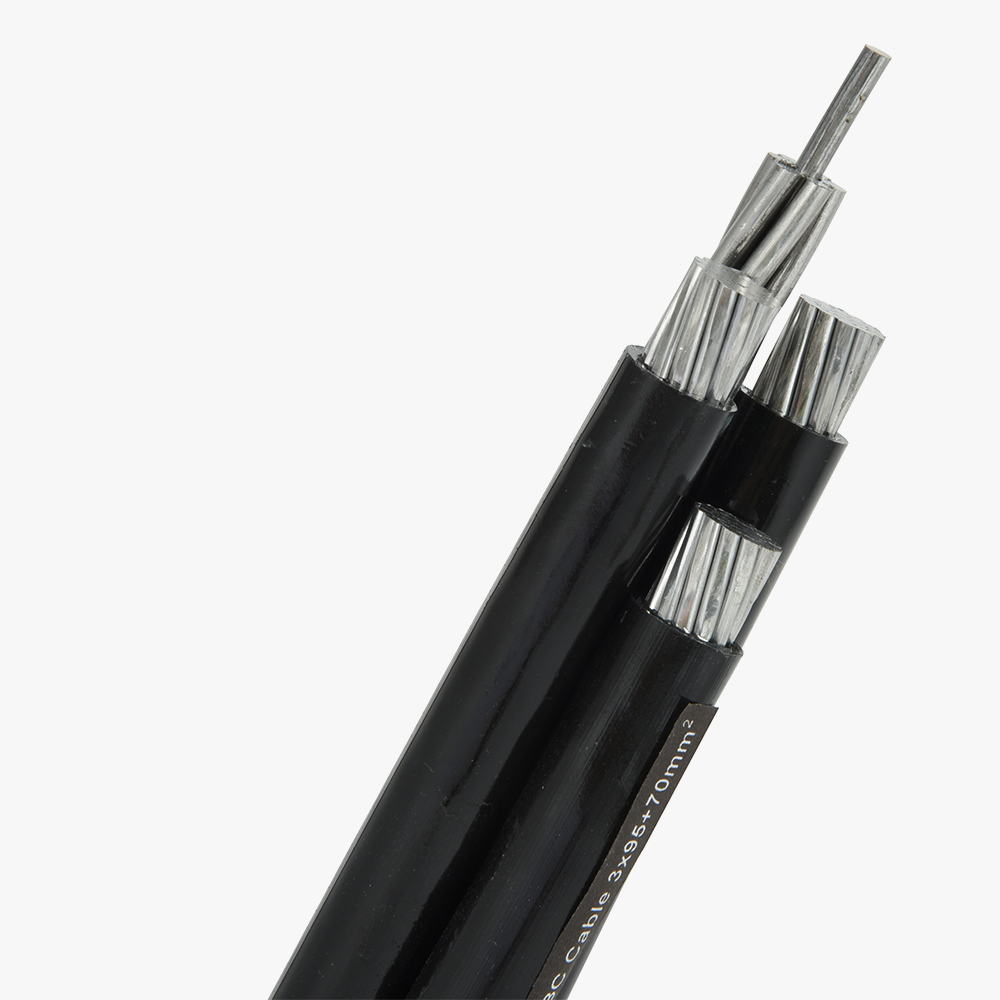
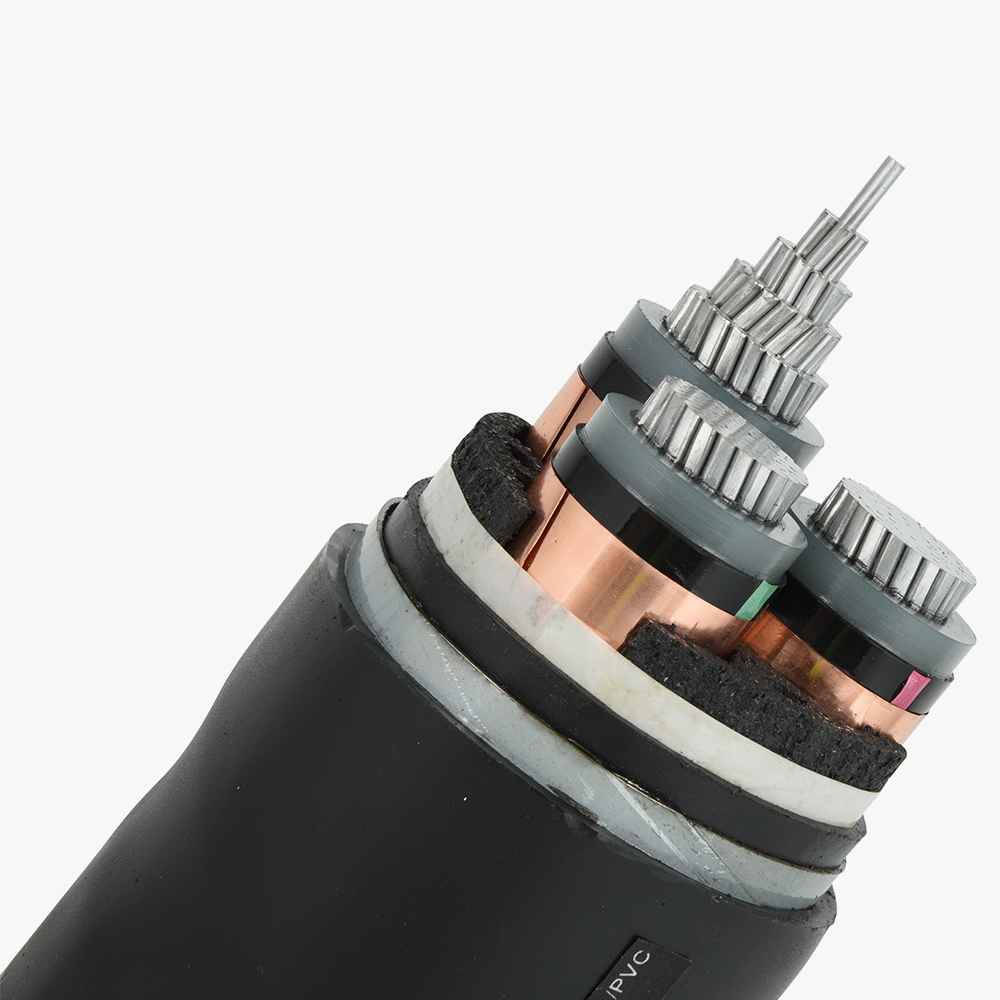
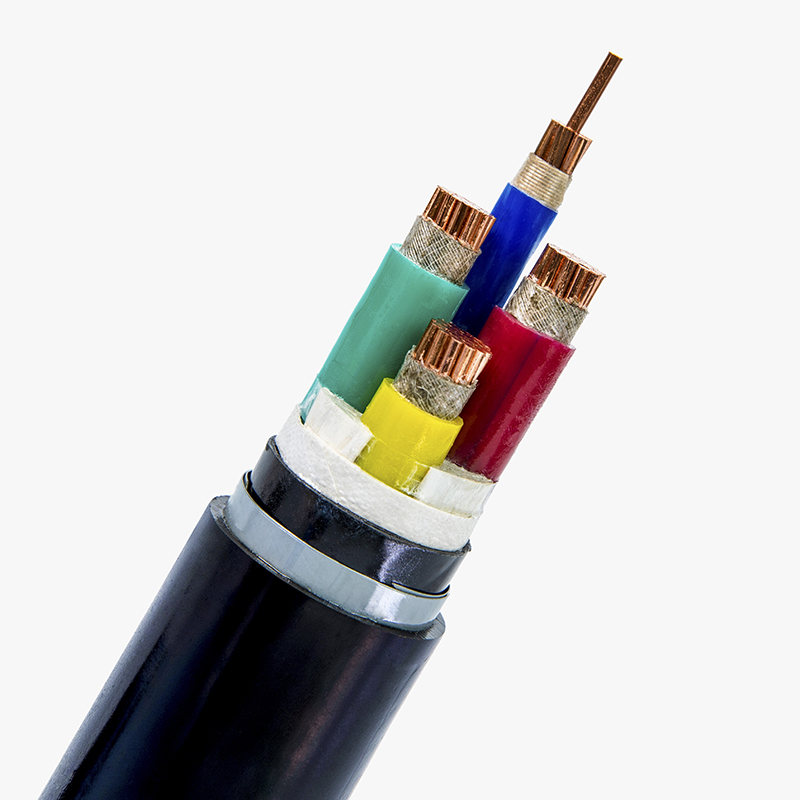
Os enchimentos em cabos não são apenas para aparência—eles são essenciais para a estrutura. Quando múltiplos condutores estão trançados juntos, eles deixam espaços naturais. Os enchimentos ocupam esses vazios, mantendo a forma redonda do cabo, prevenindo deslocamentos internos e garantindo uma distribuição uniforme da pressão durante a isolamento e o revestimento. Sem enchimentos, o estresse mecânico se torna desigual, aumentando o risco de ruptura do isolamento, deformação durante a curvatura e redução da durabilidade ao longo do tempo.
Corda de PP vs. corda de cânhamo vs. fio resistente à água: qual é melhor?
O material do enchimento afeta diretamente a resistência mecânica de um cabo, peso, resistência à umidade e custo. Abaixo está uma comparação de desempenho de três tipos de enchimentos comumente utilizados na fabricação de cabos de potência:
| Material | Resistência Mecânica | Flexibilidade | Resistência à Umidade | Custo | Adequação à Aplicação |
|---|---|---|---|---|---|
| Corda de PP | Alta | Médio | Excelentes | Baixo | Cabos de potência de uso geral |
| Corda de Cânhamo | Médio | Alta | Pobre | Médio | Cabos tradicionais, de baixa tensão ou internos |
| Fio Resistente à Água | Médio | Médio | Excelente (com propriedades de bloqueio de água) | Alta | Ambientes de alta tensão e propensos à água |
A corda de PP é amplamente utilizada devido à sua resistência e resistência à umidade a um preço competitivo. A corda de cânhamo oferece melhor flexibilidade, mas carece de durabilidade em condições úmidas. O fio resistente à água, embora caro, é crucial em cabos de alto desempenho expostos à água ou instalações subterrâneas.
Como a “redondeza” afeta a qualidade da formação de cabos
Manter a forma redonda de um cabo não é apenas para aparência—impacta criticamente o desempenho geral. Um cabo bem arredondado garante uniformidade na espessura do isolamento e revestimento eficaz, evitando pontos fracos. Formas irregulares devido à escolha inadequada do enchimento levam a estresse de compressão nos condutores, dissipação inadequada de calor e inconsistências no isolamento. A redondeza também facilita a colocação mais suave do cabo, especialmente em dutos ou bandejas, reduzindo a chance de danos durante a instalação. Um design adequado do enchimento garante estabilidade dimensional da produção até a implantação.
Designs especiais de enchimentos para diferentes tipos de cabos
Cabo com resistência à água: fios expansíveis para proteção de barreira
Os preenchimentos com resistência à água usam fios de polímero superabsorbente que se expandem ao contato com a umidade, formando uma barreira semelhante a um gel. Isso impede a migração de água ao longo do núcleo do cabo, protegendo a integridade do condutor em instalações subterrâneas ou submersas.
Cabos flexíveis: preenchimentos resistentes a dobras
Cabos flexíveis usados em robótica ou equipamentos dinâmicos dependem de preenchimentos resistentes a dobras—tipicamente cordas de PP macio ou têxteis com elasticidade aumentada. Esses preenchimentos suportam flexões repetidas enquanto minimizam o estresse interno e previnem a quebra do condutor.
Cabos com resistência a chamas: sinergia com designs de baixa fumaça e sem halogênio
Em cabos com resistência a chamas, os preenchimentos não devem alimentar a combustão. Fibra de vidro não-tecida ou PP inibidor de chamas é usado para aumentar a resistência ao fogo e reduzir a fumaça. Esses preenchimentos complementam compostos LSZH para instalações de cabos mais seguras em edifícios públicos e túneis.
Casos de falha: escolhas inadequadas de preenchimento e as consequências
Uma seleção inadequada de preenchimento pode levar a falhas onerosas. Um exemplo envolveu um cabo de baixa tensão instalado em uma região tropical utilizando corda de cânhamo como preenchimento. Com o tempo, a umidade degradou o preenchimento, levando à expansão interna e ruptura do isolamento. Em outro caso, um cabo submarino de alta tensão não possuía fio expansível em contato com água. Quando ocorreu uma ruptura, a água penetrou por toda a extensão do cabo, causando uma interrupção completa do sistema. Essas falhas enfatizam que os materiais de preenchimento não são intercambiáveis e devem corresponder ao ambiente de aplicação do cabo.
Resumo e orientações aos clientes
Os preenchimentos de cabos desempenham um papel silencioso, mas vital. Sempre selecione os preenchimentos com base no tipo de cabo, ambiente e expectativas de desempenho. Consulte fornecedores profissionais como a QRUNNING para garantir os materiais de preenchimento certos para confiabilidade a longo prazo.