Por que o metal ou cabo falha quando é dobrado demais?
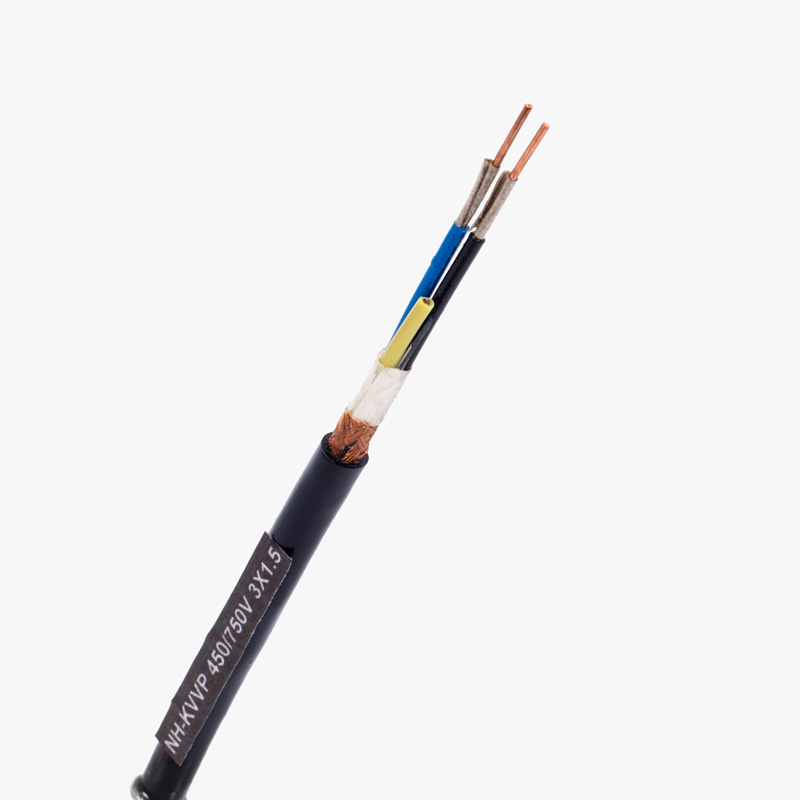
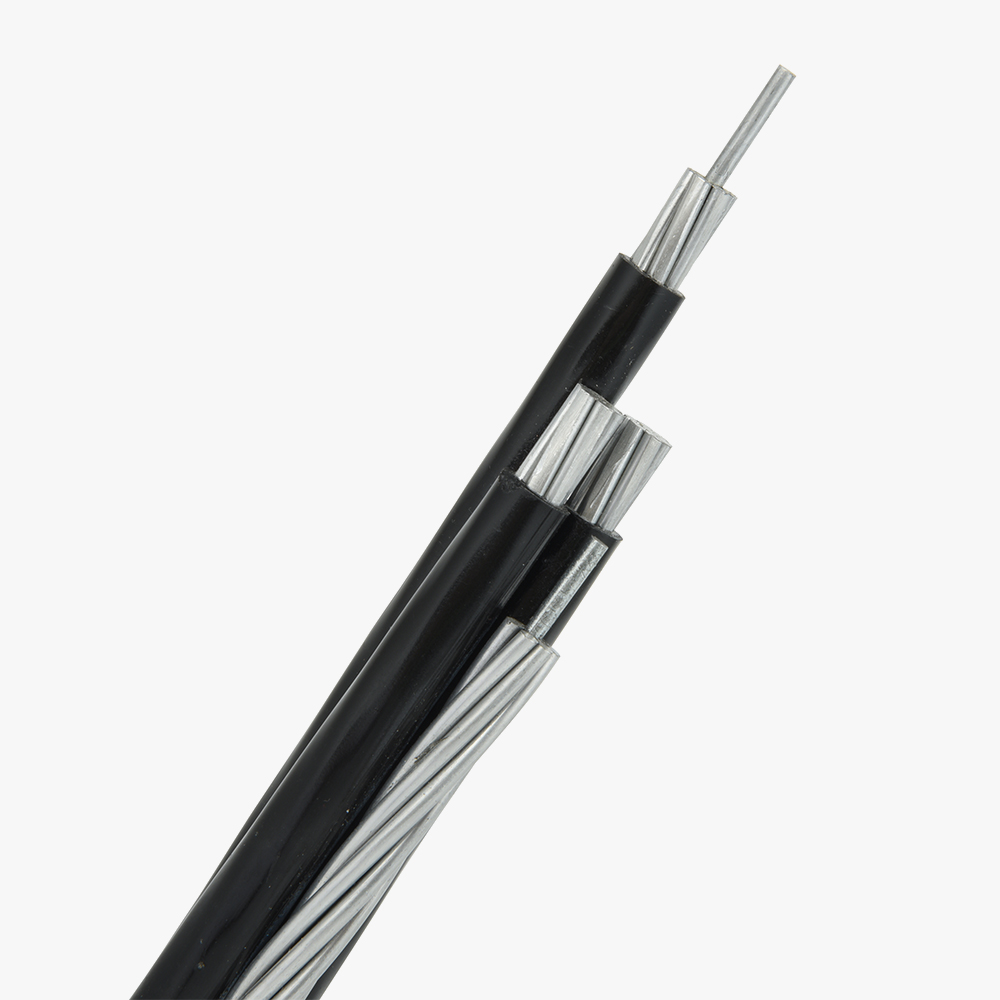
Você já enfrentou danos inesperados em cabos ou fissuras em materiais durante a instalação? Esse problema comum frequentemente surge do excesso de tensão de dobra— uma força que ocorre quando materiais como metal ou cabos elétricos são curvados além de seus limites de design. O resultado? Paradas dispendiosas, desempenho falho e riscos à segurança. Como líder no setor fabricante e fornecedor com mais de 30 anos de experiência, QRUNNING oferece cabos elétricos de alta qualidade, personalizável projetados para resistir ao estresse de dobra. Nossas linhas de produção avançadas garantem controle de resistência preciso, minimizando deformação e assegurando confiabilidade duradoura para projetos industriais e de energia.
Em termos simples, a tensão de dobra é a força interna que se desenvolve dentro de um material quando ele se dobra sob carga.
Compreender este conceito ajuda engenheiros e compradores a escolher materiais e cabos que possam lidar com seu desempenho exigido sem falhas.
O que é o Estresse de Dobramento
Tensão de dobra refere-se à resistência interna que um material experimenta quando uma carga externa tenta dobrá-lo. Isso ocorre porque um lado do material é esticado enquanto o outro é comprimido. Essa diferença de tensão e compressão cria uma distribuição de tensão ao longo da seção transversal. Em cabos elétricos, uma dobra inadequada durante a instalação pode causar fadiga do condutor, fissuras na isolação e eventual falha. Para usuários industriais ou contratantes de projetos, entender a tensão de dobra garante que os cabos sejam instalados com o raio de dobra correto, prevenindo tanto a ineficiência elétrica quanto danos estruturais.
Para um grossista ou contratante de engenharia, ignorar a tensão de dobra pode levar a substituições repetidas de cabos, custos de manutenção inesperados e redução da confiabilidade do projeto. Escolher cabos de um profissional fabricante como a QRUNNING garante conformidade com normas internacionais e flexibilidade otimizada para ambientes exigentes.
Tipos de Tensão de Dobra
Existem dois tipos principais de tensão de dobra: tensão de dobra de tração e tensão de dobra de compressão.. A tensão de tração ocorre na superfície externa de um material dobrado, onde as fibras são esticadas. A tensão de compressão atua na superfície interna, onde as fibras são empurradas juntas. O eixo neutro situa-se entre estas duas regiões, não experimentando tensão. Em cabos elétricos, esse equilíbrio é crucial — tensão de tração ou compressão excessiva pode causar microfissuras ou quebras nas camadas do condutor ou da isolação.
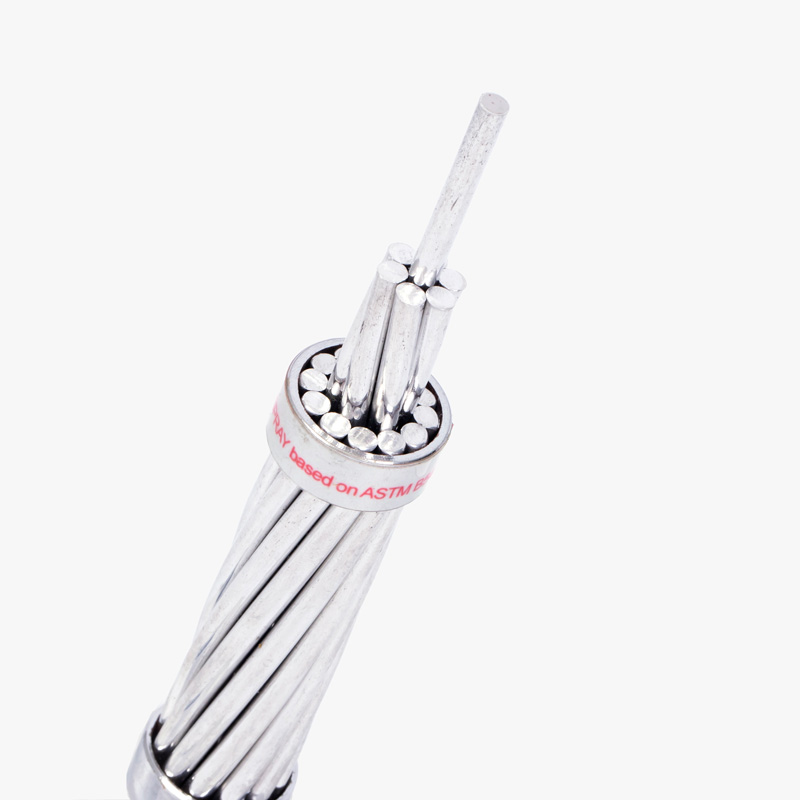
Different materials handle these stresses differently. For example, aluminum conductors may deform faster than copper under repetitive bending. That’s why professional suppliers e manufacturers perform bending tests to ensure optimal flexibility. At QRUNNING, our cable designs are optimized to reduce bending stress impact, improving performance under tight installation conditions.
How to Calculate Bending Stress
The standard formula for calculating tensão de dobra is:
σ = M × y / I
Where:
- σ = Bending stress
- M = Applied bending moment
- y = Distance from the neutral axis to the outer fiber
- I = Moment of inertia of the cross-section
This formula helps engineers determine how much stress a material can safely handle. For cable products, the bending radius is often defined instead of a numerical stress value. Maintaining the correct bending radius ensures that internal conductors and insulation remain undamaged. As a reliable customizable cable manufacturer, QRUNNING provides detailed technical data, allowing buyers to calculate or verify proper installation parameters for every product type.
In real-world projects, bending stress calculation is not only about formulas—it’s about practical application. By partnering with an experienced fornecedor like QRUNNING, you receive expert support in choosing materials, verifying mechanical properties, and ensuring compliance with both IEC and ISO standards. This combination of engineering expertise and advanced production ensures that your investment delivers long-term value.
Resumo
Tensão de dobra defines how materials resist deformation when bent. Understanding and managing it ensures safer, longer-lasting products—especially when partnering with a trusted fabricante like QRUNNING.