O que é isolamento de PVC?
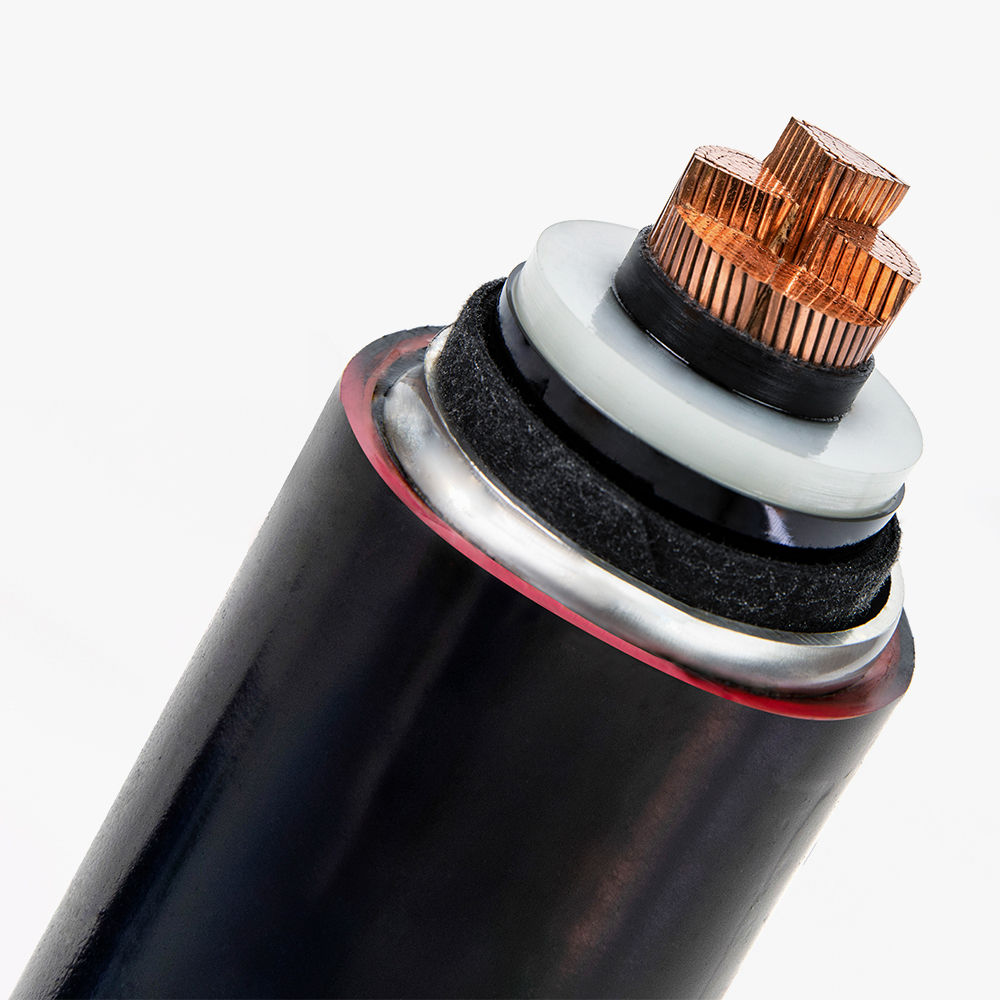
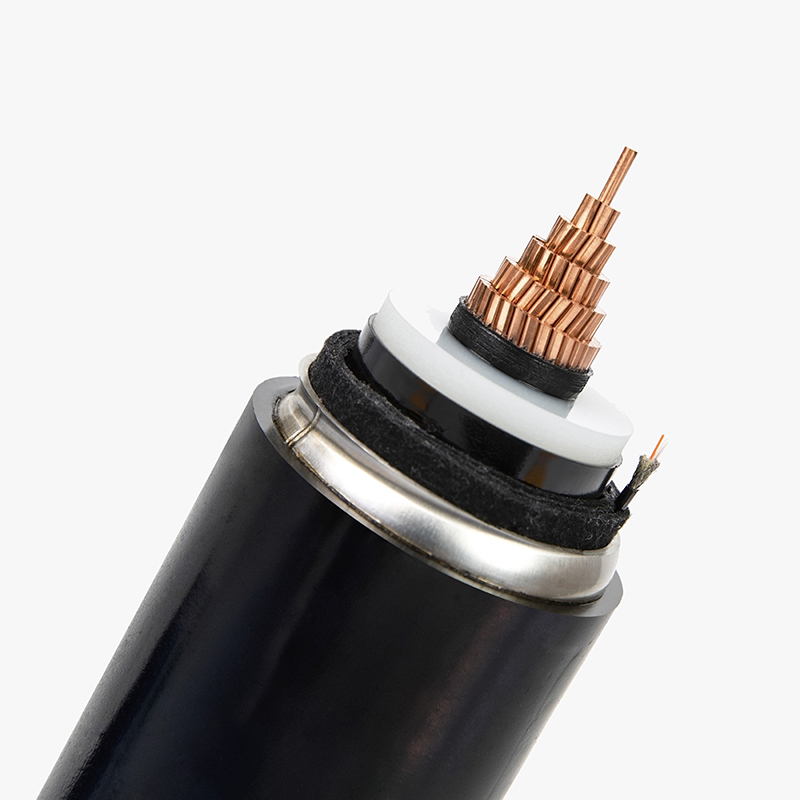
O isolamento de PVC (Cloreto de Polivinil) é um material amplamente utilizado na fabricação de cabos, oferecendo proteção elétrica e física. Este polímero termoplástico é frequentemente usado para cobrir condutores elétricos, fornecendo isolamento que resiste ao calor, umidade e corrosão química. Cabos isolados em PVC são duráveis, econômicos e adaptáveis, tornando-os uma escolha ideal para diversas aplicações industriais, comerciais e residenciais.

Benefícios do Isolamento de PVC
O isolamento de PVC oferece uma variedade de benefícios, incluindo alta resistência à umidade, produtos químicos e abrasão. É flexível, econômico e possui excelentes propriedades elétricas. Além disso, Cabos de PVC podem suportar uma variedade de condições ambientais, tornando-os ideais para aplicações internas e externas. Os fabricantes apreciam sua facilidade de processamento e durabilidade, garantindo uma longa vida útil para cabos e fios.
| Benefício | Descrição |
|---|---|
| Resistência à Umidade | O isolamento de PVC é altamente resistente à umidade, garantindo que os cabos permaneçam protegidos em ambientes úmidos, reduzindo o risco de falhas elétricas. |
| Resistência Química | O PVC oferece excelente resistência a diversos produtos químicos, tornando-o adequado para uso em ambientes industriais onde os cabos podem estar expostos a substâncias corrosivas. |
| Resistência à Abrasão | O isolamento de PVC é durável e resistente à abrasão, ajudando a prevenir danos por desgaste físico em aplicações de alta pressão. |
| Flexibilidade | Apesar de sua durabilidade, o PVC é flexível, permitindo instalação fácil em espaços apertados e ao redor de cantos sem trincar ou quebrar. |
| Custo-Efetividade | O PVC é um material de baixo custo relativo, tornando-se uma escolha acessível para uma ampla gama de aplicações, oferecendo um ótimo valor pela proteção que proporciona. |
| Propriedades Elétricas | O PVC oferece excelentes propriedades de isolamento elétrico, impedindo a passagem de corrente elétrica através do isolamento e reduzindo o risco de choque elétrico. |
| Adaptabilidade Ambiental | O PVC pode suportar uma variedade de condições ambientais, incluindo temperaturas extremas e exposição à luz UV, o que o torna adequado tanto para instalações internas quanto externas. |
| Durabilidade | O isolamento em PVC aumenta a longevidade dos cabos, oferecendo proteção contra fatores ambientais, garantindo confiabilidade e desempenho de longo prazo. |
| Facilidade de Processamento | O PVC é fácil de processar e fabricar, permitindo que os fabricantes produzam cabos de alta qualidade de forma rápida e eficiente, assegurando qualidade consistente do produto. |
Áreas de aplicação dos cabos isolados em PVC
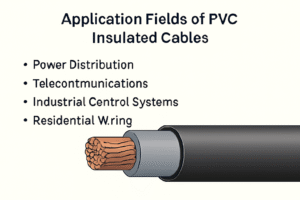
Cabos isolados em PVC são comumente usados em distribuição de energia, telecomunicações e sistemas de controle industrial. Eles são ideais para aplicações em que flexibilidade e durabilidade são importantes. Empresas como Cabo Qrunning oferecem uma variedade de cabos de PVC que são usados em ambientes que vão da fiação residencial a configurações complexas de maquinário industrial.
Continue lendo para explorar mais sobre os benefícios, aplicações e aspectos técnicos do isolamento em PVC.
O PVC é um bom isolante térmico?
O PVC não é um excelente isolante térmico em comparação com outros materiais, como borracha ou cerâmica. No entanto, ele oferece resistência térmica moderada, o que o torna adequado para a maioria das aplicações padrão. O isolamento em PVC normalmente suporta temperaturas que variam de -15°C a 70°C, embora possa se degradar em temperaturas mais altas. Em aplicações elétricas, os cabos de PVC são frequentemente usados quando a exposição a calor extremo não é uma preocupação principal. Os fabricantes tendem a escolher PVC para ambientes em que a resistência térmica moderada é suficiente, mas, para aplicações de temperatura mais elevada, outros materiais como silicone ou Teflon são frequentemente preferidos. Além disso, as propriedades isolantes do PVC o tornam um material adequado para aplicações elétricas e de cabos do dia a dia, em condições não extremas.
O PVC é um bom isolante elétrico?
Sim, o PVC é um excelente isolante elétrico. Suas propriedades isolantes são uma das principais razões para seu amplo uso na fabricação de cabos. O PVC impede o fluxo de eletricidade através da camada externa dos cabos, tornando-se uma barreira eficaz que protege os usuários contra choques elétricos. Ele também ajuda a reduzir o risco de curtos-circuitos, garantindo que os condutores elétricos estejam seguramente encapsulados. A rigidez dielétrica do isolamento de PVC permite que ele suporte tensão elétrica sem se degradar, razão pela qual é um material de referência para cabos usados em distribuição de energia e telecomunicações. Quando comparado a outros materiais isolantes, o PVC é ao mesmo tempo econômico e eficiente, oferecendo bom desempenho elétrico em uma ampla variedade de aplicações.
Quais são as desvantagens do isolamento em PVC?
Apesar de suas muitas vantagens, o isolamento em PVC apresenta algumas desvantagens. Um dos principais problemas é sua limitada tolerância ao calor. Como mencionado anteriormente, o PVC começa a se degradar em temperaturas mais altas, o que significa que ele não é adequado para ambientes de temperatura extremamente elevada. Além disso, o PVC não é tão ecológico quanto outros materiais, pois sua produção e descarte podem liberar toxinas nocivas no meio ambiente. Outra preocupação é sua inflamabilidade — embora o PVC seja retardante de chamas, ele ainda pode pegar fogo em certas condições, e a queima do PVC libera fumos tóxicos. Por fim, o PVC pode se tornar quebradiço com o tempo quando exposto à radiação UV, o que limita seu uso em aplicações externas, a menos que receba tratamento específico para resistência aos raios UV. Essas desvantagens tornam importante avaliar a adequação do isolamento em PVC para aplicações específicas.
Onde o isolamento em PVC é utilizado?
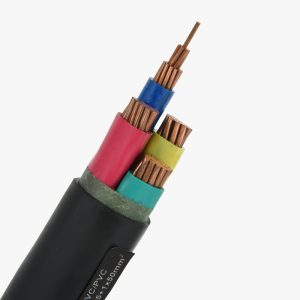
O isolamento em PVC é utilizado em uma variedade de aplicações, desde residenciais até industriais
. Os usos comuns incluem cabos de energia, fiação para eletrodomésticos e cabos de transmissão de dados. Ele também é amplamente utilizado em sistemas automotivos, de telecomunicações e de HVAC. Em ambientes industriais, os fabricantes frequentemente escolhem cabos com isolamento em PVC para equipamentos e máquinas que exigem durabilidade e flexibilidade na instalação. Além disso, o PVC é uma escolha popular para cabos de baixa e média tensão devido às suas excelentes propriedades de isolamento elétrico e à sua relação custo-benefício. Para aplicações específicas, como máquinas industriais, fiação automotiva ou sistemas elétricos residenciais, os fornecedores oferecem cabos de PVC adaptados para atender às normas e regulamentações do setor.