O que são cabos isolados em PVC?
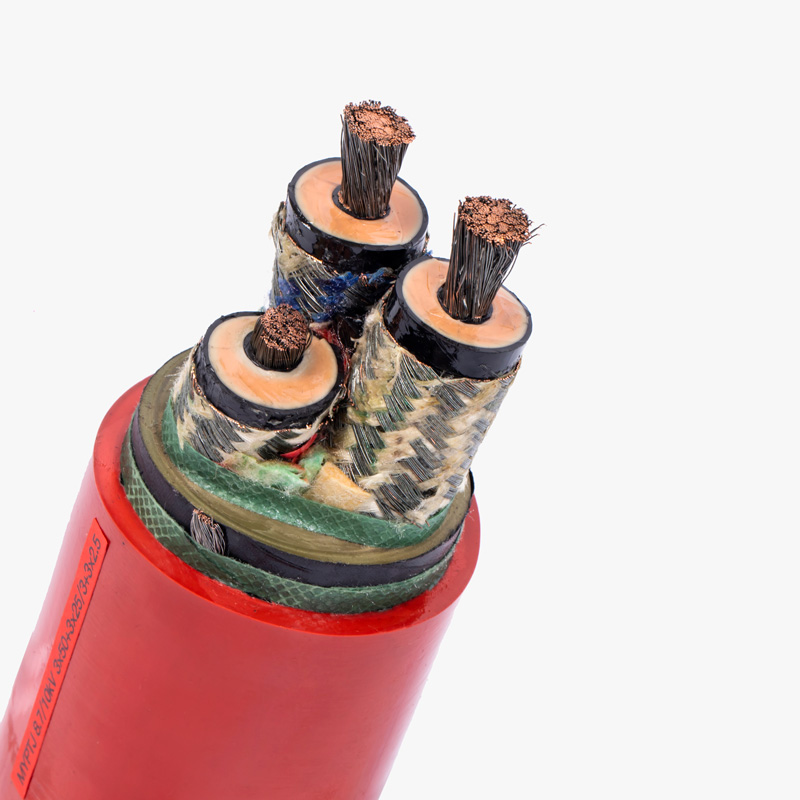
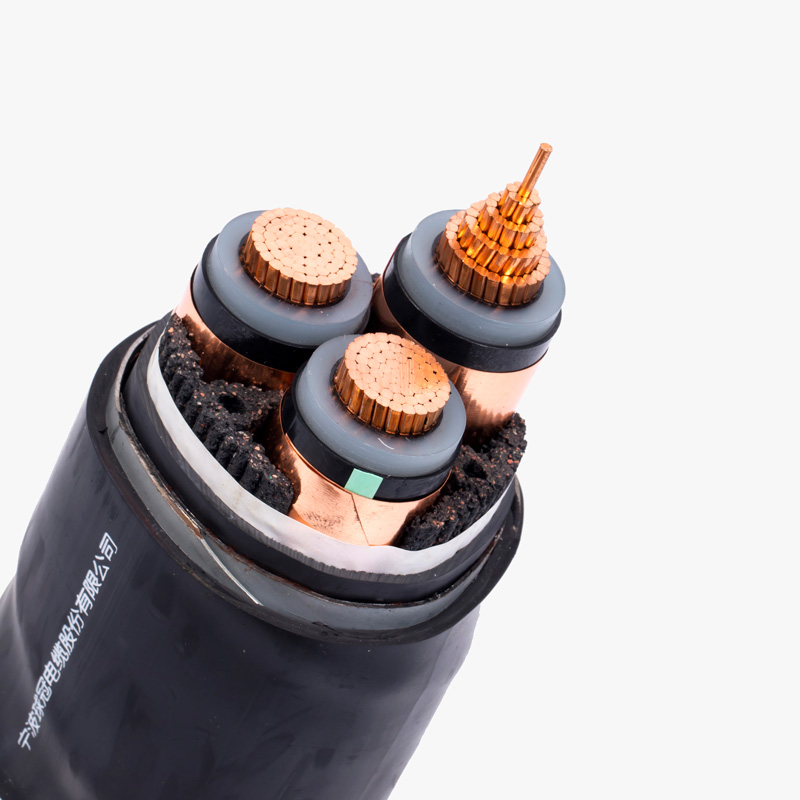
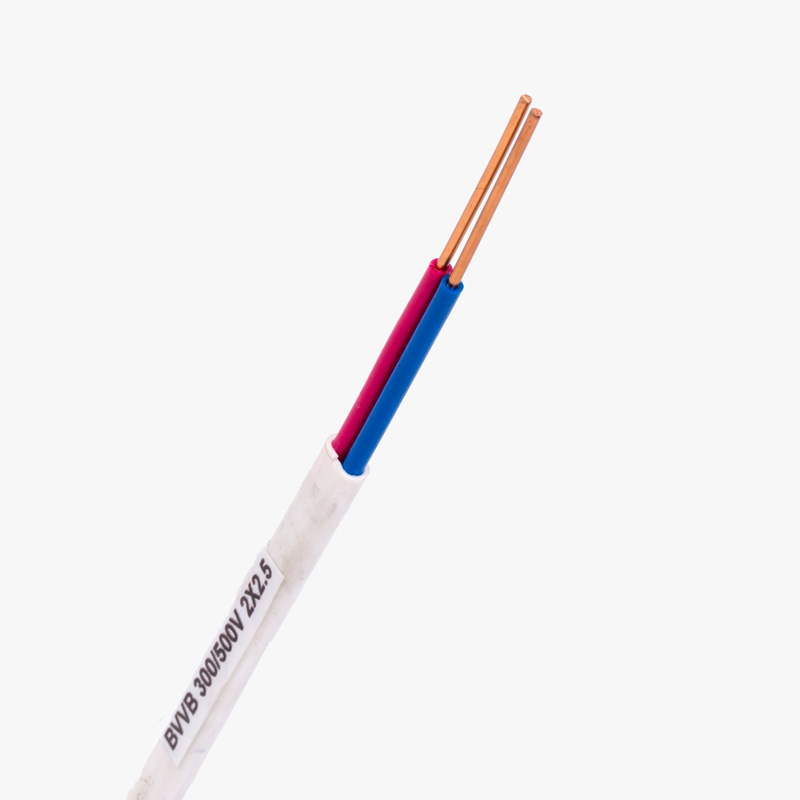
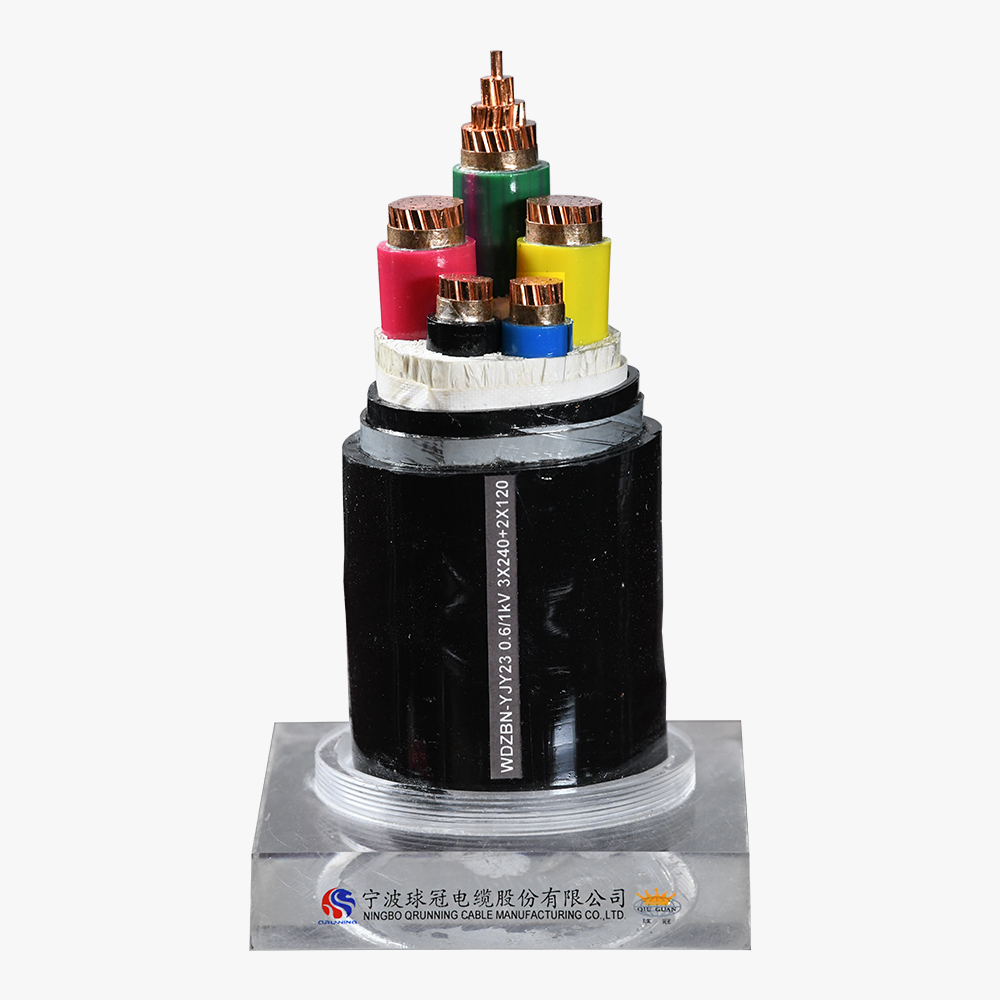
Cabos isolados em PVC são fios elétricos revestidos com cloreto de polivinila (PVC), um material plástico durável usado para isolar e proteger condutores. Esses cabos são projetados para evitar vazamentos elétricos, curtos-circuitos e danos ambientais. Conhecido por sua flexibilidade e resistência ao calor e produtos químicos, o fio isolado em PVC é amplamente utilizado em aplicações residenciais, comerciais e industriais. Esse tipo de isolamento versátil forma a espinha dorsal de muitos produtos de cabos oferecidos por fabricantes e fornecedores confiáveis.
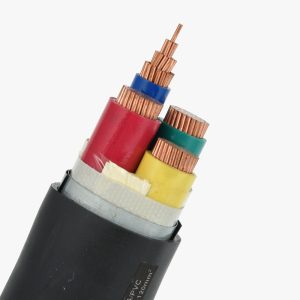
As Vantagens do PVC
O isolamento em PVC oferece excelentes propriedades elétricas e mecânicas, incluindo resistência a chamas, resistência química e acessibilidade. Também é leve e flexível, o que facilita a instalação em diversos ambientes. Os fabricantes escolhem o PVC por seu desempenho consistente e facilidade de processamento, enquanto os fornecedores apreciam sua longa vida útil e baixa manutenção. Essas características fazem do isolamento de fios em PVC uma escolha preferida para aplicações elétricas diversas.
Uso Variado
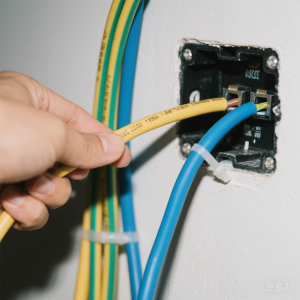
Os fios isolados em PVC são utilizados na distribuição de energia de baixa tensão, fiação residencial,
sistemas de controle industrial e fiação automotiva. Eles são preferidos por fabricantes e fornecedores de cabos pela sua adaptabilidade e custo-benefício. A QRUNNING, um fabricante líder na China, oferece fios isolados em PVC de alta qualidade projetados para mercados em desenvolvimento como Vietnã, Etiópia e Quênia. Seja para aplicações internas ou externas, o isolamento em PVC continua sendo uma solução confiável e econômica para uma ampla gama de necessidades elétricas.
Vamos explorar em profundidade por que o isolamento em PVC é tão eficaz e como se compara a outros materiais.
O PVC é um condutor térmico ou isolante?
O PVC é classificado como um isolante térmico e elétrico, o que o torna um material ideal para isolamento de cabos. Não conduz calor nem eletricidade, protegendo assim o núcleo condutor do cabo de alterações externas de temperatura e minimizando o risco de acidentes elétricos. A estrutura molecular do PVC impede que os elétrons livres se movam facilmente, reduzindo sua condutividade. Os fabricantes preferem o isolamento em PVC porque oferece desempenho estável em uma ampla faixa de temperatura, tipicamente de -15°C a 70°C. Os fornecedores distribuem fios isolados em PVC globalmente devido à sua capacidade de resistir a altas tensões elétricas e desgaste ambiental sem perder suas propriedades isolantes. Em ambientes onde superaquecimento, curtos-circuitos ou interferência externa são uma preocupação, o isolamento em PVC oferece segurança e confiabilidade com eficiência de custo.
PVC x XLPE
Ao comparar PVC isolamento com XLPE (polietileno reticulado), várias diferenças tornam-se evidentes. Embora ambos os materiais ofereçam fortes propriedades isolantes, o PVC é mais flexível e econômico, enquanto o XLPE oferece melhor resistência térmica e pode operar em temperaturas mais altas, normalmente até 90°C ou mais. O fio isolado em PVC é frequentemente selecionado para aplicações de baixa a média tensão, incluindo fiação residencial e circuitos internos, enquanto o XLPE é adequado para instalações de alta tensão e ambientes com temperaturas extremas. Os fabricantes podem optar pelo XLPE para uso industrial pesado, mas o PVC continua sendo a opção preferida entre os fornecedores para projetos de fiação padrão devido ao seu custo mais baixo, facilidade de processamento e recursos retardantes de fogo. Em última análise, a decisão entre PVC e XLPE depende dos requisitos específicos do projeto, incluindo orçamento, temperatura de operação e demandas de tensão.
Como os cabos de PVC são fabricados?
O processo de fabricação de cabos isolados em PVC envolve várias etapas precisas.
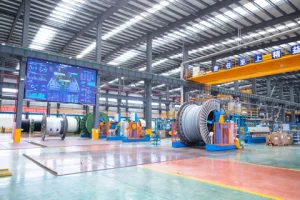
Primeiro, condutores de cobre ou alumínio de alta condutividade são desenhados e trançados para o tamanho e forma necessários. Em seguida, esses condutores passam por uma máquina de extrusão, onde o PVC derretido é aplicado como uma camada isolante uniforme. O composto de PVC, formulado com estabilizadores e retardantes de chama, garante que o cabo atenda aos padrões elétricos e mecânicos. Após a extrusão, o cabo é resfriado, testado para resistência de isolamento e então cortado e enrolado para embalagem. Fabricantes confiáveis como a QRUNNING utilizam linhas de produção automatizadas para garantir consistência, qualidade e alta produtividade. Como resultado, os fornecedores recebem fios isolados em PVC confiáveis que atendem às certificações de segurança internacionais. Serviços OEM e ODM permitem ainda personalização com base na classificação de tensão, codificação de cores e espessura do isolamento, dando aos distribuidores a flexibilidade para atender a uma variedade de necessidades de mercado de forma eficiente.