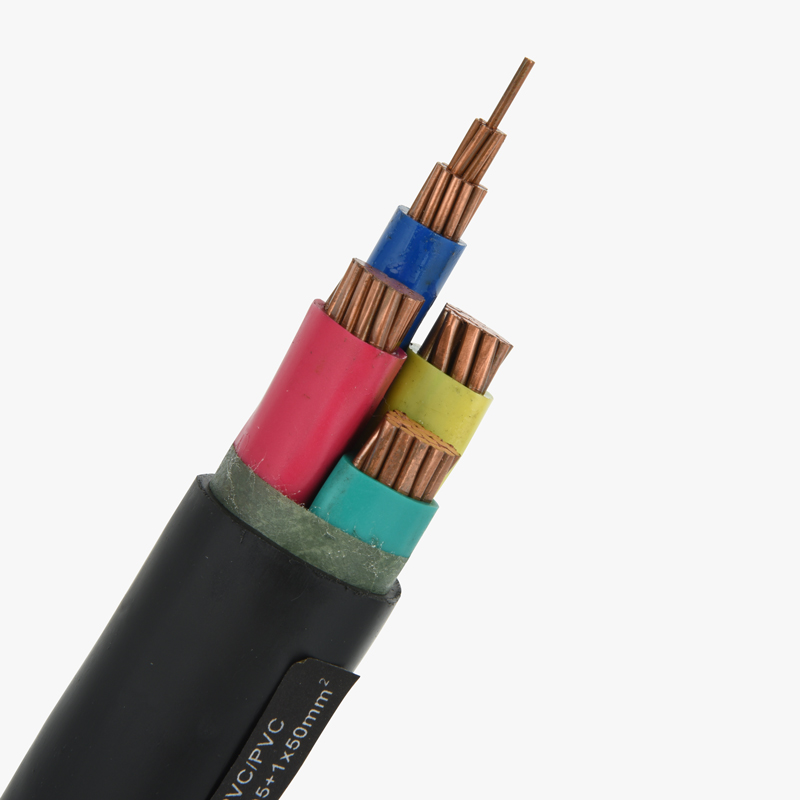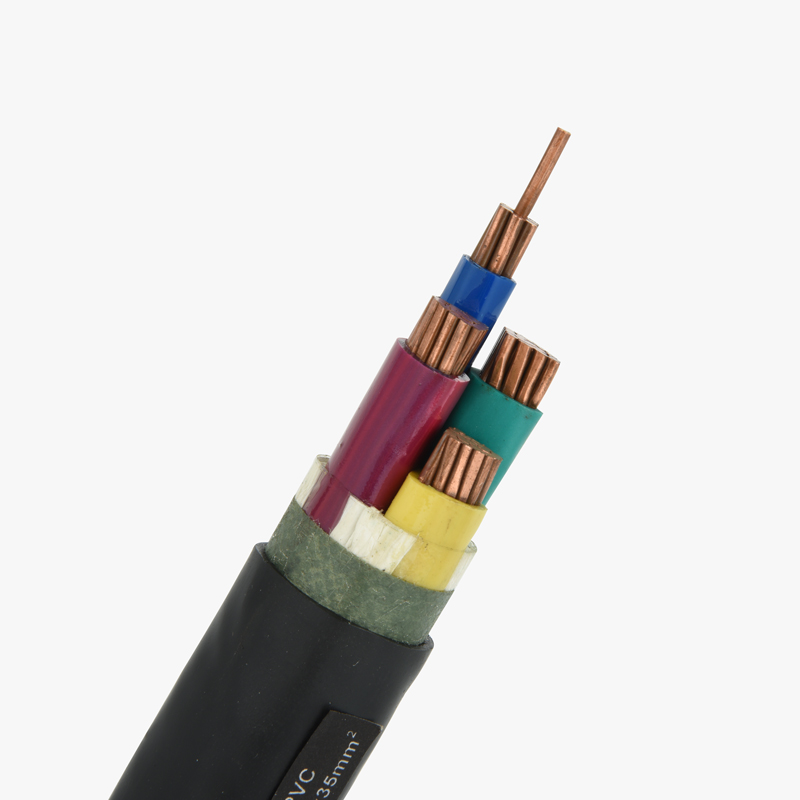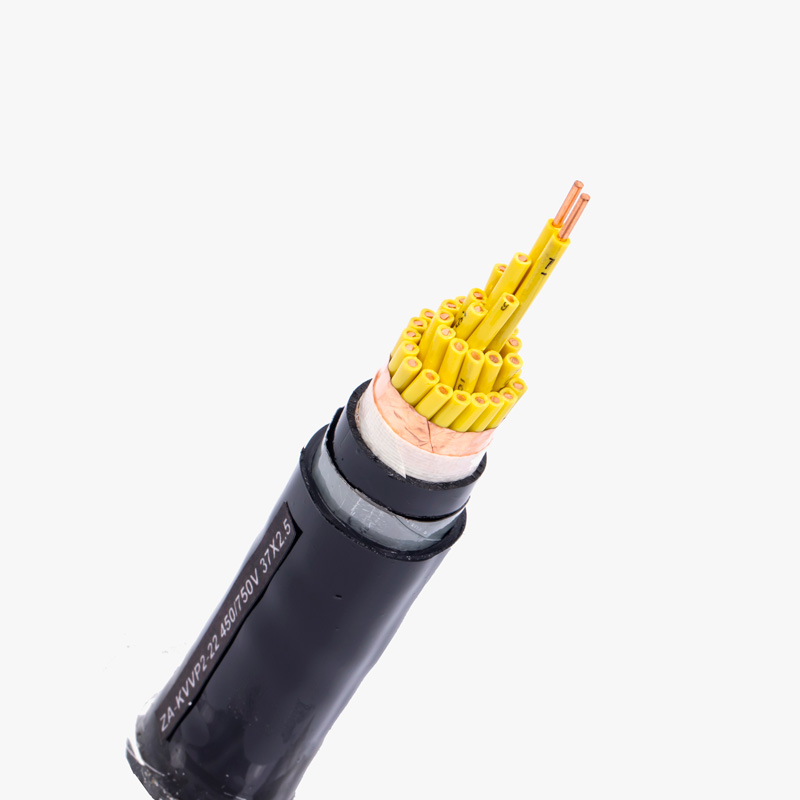
Bạn có gặp khó khăn khi lắp đặt dây cáp điều khiển cách điện XLPE đúng cách không?
Nhiều kỹ sư gặp phải sự chậm trễ, thất bại hoặc rủi ro an toàn điện do dây cáp bị kéo quá chặt, đi sai đường hoặc thử nghiệm không đúng cách. Những sai lầm như vậy làm tăng thời gian ngừng hoạt động và chi phí bảo trì. Là nhà sản xuất, bán buôn và nhà cung cấp dây cáp điều khiển cách điện XLPE hàng đầu, QRUNNING cung cấp hướng dẫn đáng tin cậy và giải pháp tùy chỉnh để đảm bảo lắp đặt suôn sẻ. Với hơn 30 năm kinh nghiệm và quy trình kiểm soát chất lượng nghiêm ngặt, chúng tôi giúp bạn giảm rủi ro và đạt được hiệu suất dự án ổn định.
Để lắp đặt dây cáp điều khiển cách điện XLPE đúng cách, hãy thực hiện lập kế hoạch đúng, sử dụng công cụ được phê duyệt, áp dụng kỹ thuật kéo an toàn và tiến hành kiểm tra điện trở cách điện trước khi đưa vào vận hành. Điều này đảm bảo tuổi thọ dài, hiệu suất nhất quán và tuân thủ đầy đủ an toàn điện.
Tiếp tục đọc để học các bước thực tiễn, tránh những sai lầm tốn kém và đảm bảo mỗi lần lắp đặt dây cáp đáp ứng tiêu chuẩn hiệu suất cao.
Sản phẩm liên quan:Dây cáp điều khiển cách điện XLPE – Qrunning là nhà sản xuất dây và cáp tại Trung Quốc
Lập kế hoạch trước khi lắp đặt và chọn cáp
Lắp đặt đúng cách bắt đầu từ lâu trước khi bất kỳ dây cáp nào được kéo. Người lập kế hoạch dự án phải đánh giá yêu cầu tải, đường dẫn, điều kiện môi trường và mức độ điện áp. Việc chọn dây cáp điều khiển cách điện XLPE đúng là điều quan trọng vì XLPE cung cấp tính ổn định nhiệt tuyệt vời, sức mạnh cơ học và khả năng chống ẩm. Tuy nhiên, việc chọn kích thước sai hoặc bảo vệ không đầy đủ có thể dẫn đến quá nhiệt, can thiệp hoặc thất bại trong hoạt động lâu dài.
| Yếu tố đánh giá | Cần kiểm tra gì | Tại sao điều này quan trọng |
|---|---|---|
| Yêu cầu tải | Xác định dòng điện dự kiến, loại tín hiệu điều khiển và điều kiện hoạt động của hệ thống. | Đảm bảo kích thước cáp, vật liệu dẫn điện và xếp hạng cách điện phù hợp với yêu cầu hoạt động. |
| Đường dẫn | Kiểm tra thiết kế khay cáp, khoảng cách, bán kính uốn, sức chứa ống dẫn và các chướng ngại vật. | Ngăn ngừa lực kéo quá mức, uốn cong sắc nét và hư hại vật lý trong quá trình lắp đặt. |
| Điều kiện môi trường | Đánh giá nhiệt độ, độ ẩm, tiếp xúc hóa chất, mức độ UV và rủi ro căng thẳng cơ học. | Giúp xác định xem có cần bảo vệ bổ sung, tấm chắn, hoặc vật liệu bao bọc đặc biệt hay không. |
| Mức điện áp | Xác nhận điện áp hệ thống, loại cách điện, và khả năng tương thích với các loại mạch khác. | Ngăn ngừa sự hỏng hóc cách điện và đảm bảo cáp đáp ứng các tiêu chuẩn an toàn và hiệu suất. |
Chỉ làm việc với nhà sản xuất hoặc nhà cung cấp có kinh nghiệm có khả năng cung cấp các sản phẩm được chứng nhận, bảng dữ liệu kỹ thuật và thiết kế cáp tùy chỉnh. Điều này giảm thiểu rủi ro về sự không nhất quán trong các thông số kỹ thuật và đảm bảo khả năng tương thích với các tiêu chuẩn địa phương, đặc biệt trong các dự án xây dựng lớn hoặc kỹ thuật điện năng. QRUNNING hỗ trợ kỹ sư bằng cách cung cấp hướng dẫn chuyên nghiệp và tài liệu đáng tin cậy để đơn giản hóa giai đoạn lập kế hoạch.
Công cụ cần thiết và Biện pháp an toàn cho Việc lắp đặt Cáp
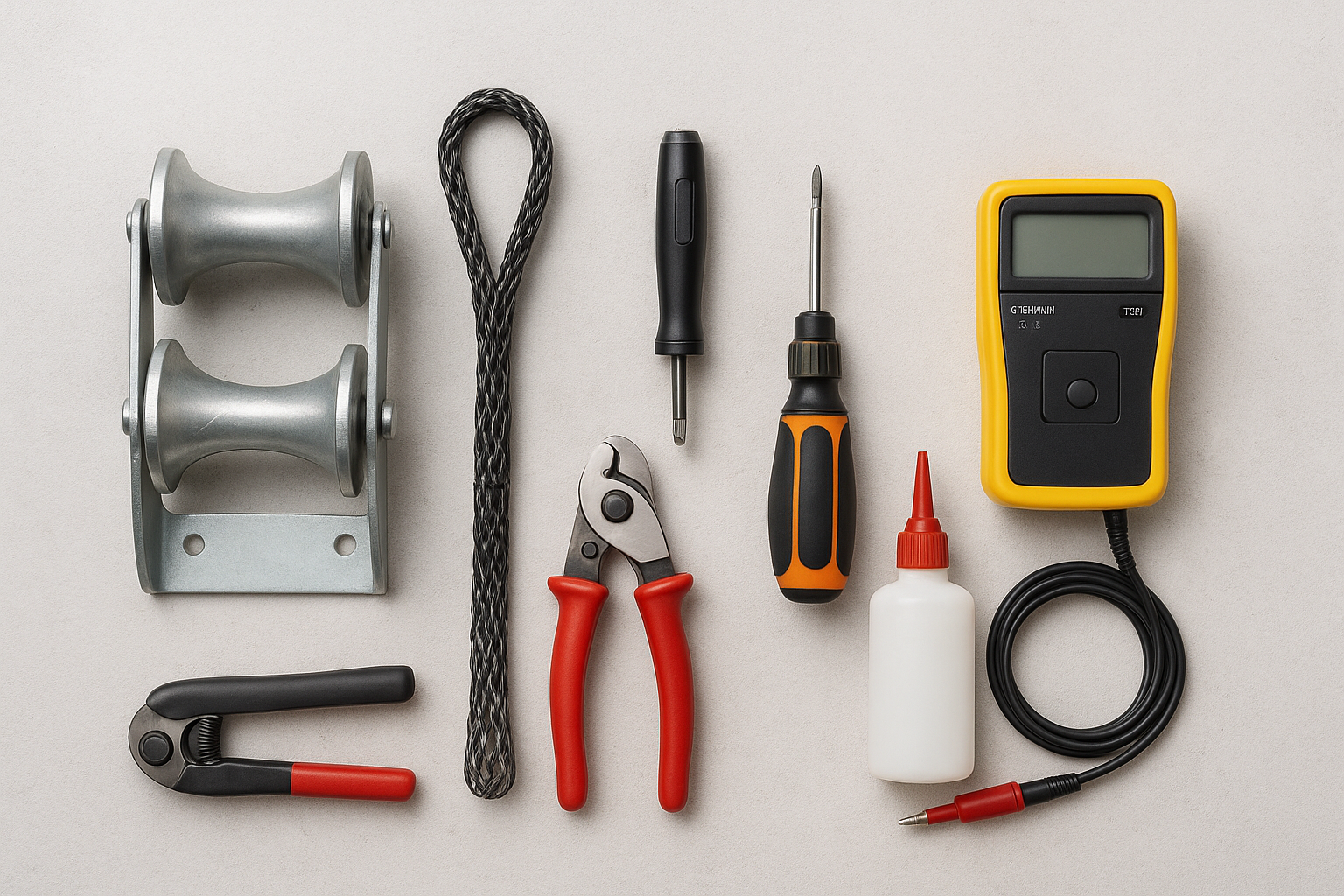
Trước khi bắt đầu lắp đặt, chuẩn bị các công cụ cần thiết như con lăn cáp, tay cầm kéo, tua vít điều khiển mô-men xoắn, cắt cáp, chất bôi trơn được phê duyệt cho lớp bọc XLPE, và thiết bị kiểm tra độ liên tục. Sử dụng thiết bị đúng cách bảo vệ lớp bọc bên ngoài khỏi trầy xước, biến dạng, và lực kéo quá mức.
Cũng quan trọng không kém là duy trì an toàn điện trong toàn bộ quá trình. Công nhân phải đeo găng tay cách điện, mũ bảo hộ, và kính bảo hộ, đặc biệt khi làm việc gần các mạch điện còn sống hoặc cấu trúc kim loại. Tuân thủ các quy trình khóa-tagout để đảm bảo các mạch điện không có điện trong quá trình lắp đặt. Lập kế hoạch an toàn đúng cách không chỉ bảo vệ nhân viên mà còn ngăn chặn hư hỏng ngẫu nhiên cho cách điện cáp và các phụ kiện.
Hướng dẫn từng bước về việc kéo và định tuyến cáp điều khiển XLPE
Bắt đầu bằng cách kiểm tra trống cáp để kiểm tra các con dấu nhà máy, tình trạng trống, và các chỉ dẫn hướng. Đặt trống lên một giá ổn định cho phép xoay mượt mà. Khi kéo cáp điều khiển có lớp cách điện XLPE, duy trì độ căng được kiểm soát và tránh các góc cong sắc. Sử dụng các con lăn dọc theo sàn hoặc khay để giảm thiểu ma sát. Có thể áp dụng chất bôi trơn cáp khi định tuyến qua các ống dẫn hoặc các tuyến nằm ngang dài.
Khi cáp đến điểm kết thúc, hãy đảm bảo bán kính cong tuân theo mức tối thiểu do nhà sản xuất khuyến nghị. Uốn cong quá mức có thể làm hỏng lớp cách điện XLPE, giảm độ tin cậy lâu dài. Cố định cáp bằng các dây đai không kim loại và định tuyến cáp xa nguồn nhiệt hoặc khu vực rung động. Một hệ thống định tuyến sạch sẽ, được tổ chức hỗ trợ việc bảo trì dễ dàng và giảm thiểu nguy cơ gây can thiệp ngẫu nhiên trong các nâng cấp tương lai.
Tầm quan trọng của việc Kiểm tra Cáp và Lắp đặt Sau khi lắp đặt
Sau khi lắp đặt, một bài kiểm tra đọ cách điện toàn diện xác minh xem lớp cách điện XLPE có còn nguyên vẹn và không có khuyết tật liên quan đến cơ học hoặc độ ẩm hay không. Đây là một trong những bước quan trọng nhất để đảm bảo an toàn điện trước khi cấp điện cho hệ thống. Sử dụng các thiết bị đã hiệu chỉnh và tuân thủ các tiêu chuẩn kiểm tra đã được công nhận để có kết quả chính xác.
Ngoài việc kiểm tra cách điện, hãy kiểm tra độ liên tục, nhận diện dẫn điện, tính toàn vẹn của lớp chắn, và giá trị mô-men xoắn kết thúc. Ghi lại tất cả kết quả cho hồ sơ dự án và kiểm tra trong tương lai. Một nhà cung cấp hoặc nhà sản xuất có uy tín nên cung cấp các giá trị kiểm tra được khuyến nghị và hỗ trợ kỹ thuật để giúp các nhà thầu hoàn thành việc lắp đặt tự tin.
Các Lỗi Lắp đặt Thường gặp và Cách Tránh Chúng
Các lỗi phổ biến bao gồm vượt quá độ căng kéo cho phép, uốn cong cáp quá chặt, định tuyến cáp gần nguồn nhiệt, hoặc bỏ qua các mũi tên hướng trên trống. Những sai lầm như vậy làm giảm tuổi thọ hoạt động của cáp điều khiển có lớp cách điện XLPE và có thể gây ra nứt cách điện hoặc truyền tín hiệu kém.
Một vấn đề thường gặp khác là bỏ qua hoặc tiến hành không đúng cách bài kiểm tra đọ cách điện, để lại các khuyết tật tiềm ẩn chưa được phát hiện. Việc sử dụng các công cụ không được chứng nhận hoặc làm việc với các nhà thầu phụ thiếu kinh nghiệm cũng có thể làm giảm an toàn điện. Để tránh những cạm bẫy này, hãy chọn một nhà bán buôn hoặc nhà sản xuất đáng tin cậy như QRUNNING, nơi cung cấp đảm bảo chất lượng, hướng dẫn kỹ thuật, và các giải pháp tùy chỉnh có sẵn trong toàn bộ chu trình dự án.
Việc lắp đặt đúng cách đảm bảo độ tin cậy lâu dài, giảm chi phí bảo trì và nâng cao an toàn điện tổng thể cho các hệ thống cáp điều khiển có lớp cách điện XLPE.